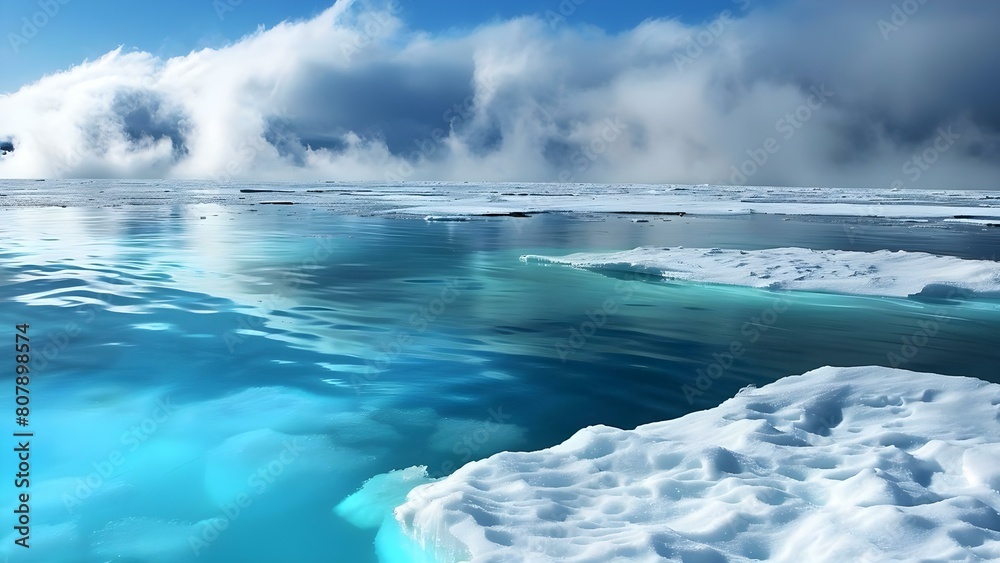
How Arctic Ice Melt Releases CO₂ Into the Atmosphere
Arctic ice melt unlocks ancient carbon stored in permafrost and sediments, allowing microbial decay and chemical reactions that emit carbon dioxide, a process
December 12, 2025
Changes in the world’s oceans, ice masses, and related coastal impacts.
Arctic ice melt unlocks ancient carbon stored in permafrost and sediments, allowing microbial decay and chemical reactions that emit carbon dioxide, a process
December 12, 2025
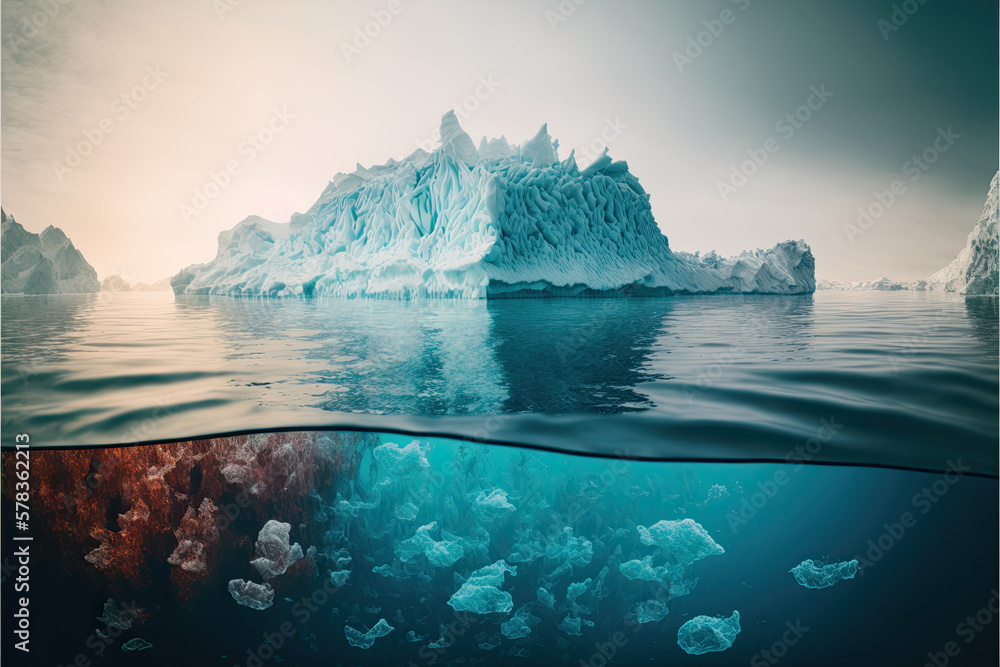
Glacier melt contributes roughly one‑third of the observed global sea‑level rise, a figure supported by satellite observations, mass‑balance studies, and the IPCC assessment,
December 12, 2025
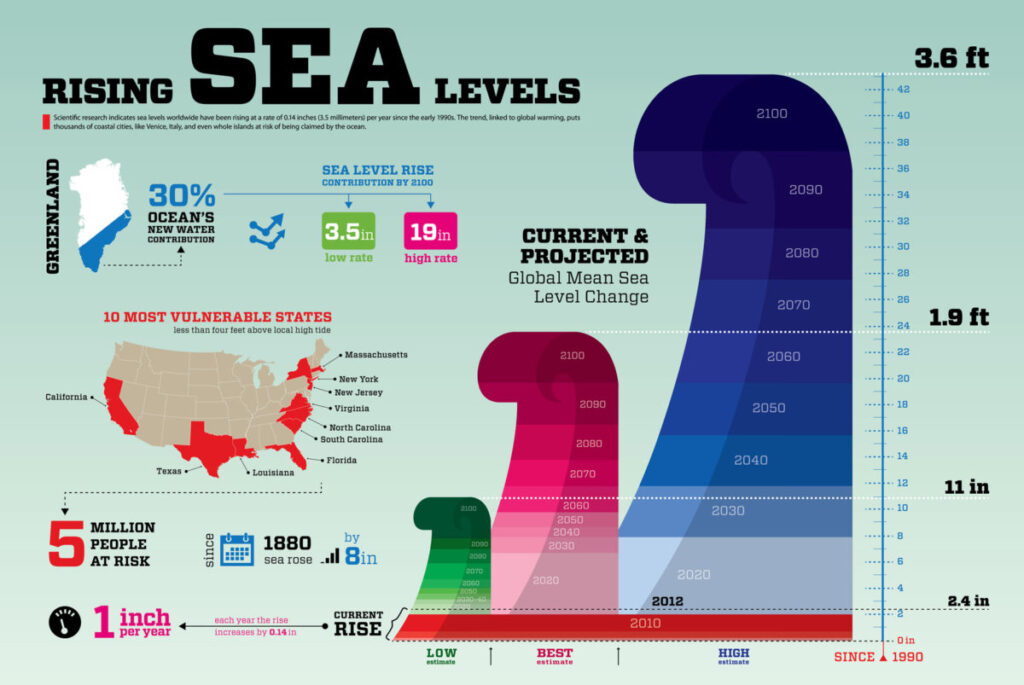
Rising sea levels result from a combination of thermal expansion, melting ice sheets, groundwater extraction and coastal development, each backed by extensive scientific
December 11, 2025

Green patches on glaciers are caused by snow algae and mineral particles that lower the ice’s reflectivity, accelerating melt and providing a visible
December 11, 2025

Desalination plants can provide fresh water to coastlines threatened by sea‑level rise, but they do not halt the physical rise of oceans and
December 11, 2025

Melting glaciers are reshaping sea levels, ecosystems, weather, permafrost stability, and economies, creating cascading environmental and societal impacts that demand informed action. Quick
December 10, 2025
October 18, 2026

October 18, 2026

24Earth is an independent environmental knowledge platform explaining climate, oceans, biodiversity, pollution, energy, and planetary change through accessible, evidence-based reporting.
Copyright ©2026
24Earth.