
How Do Glaciers Move? The Slow Power of Flowing Ice
Glaciers move as massive, slow‑flowing rivers of ice, driven by gravity, internal deformation, and basal sliding, reshaping landscapes and influencing sea level. Quick
October 29, 2025
The retreat and mass loss of mountain and valley glaciers.
Glaciers move as massive, slow‑flowing rivers of ice, driven by gravity, internal deformation, and basal sliding, reshaping landscapes and influencing sea level. Quick
October 29, 2025
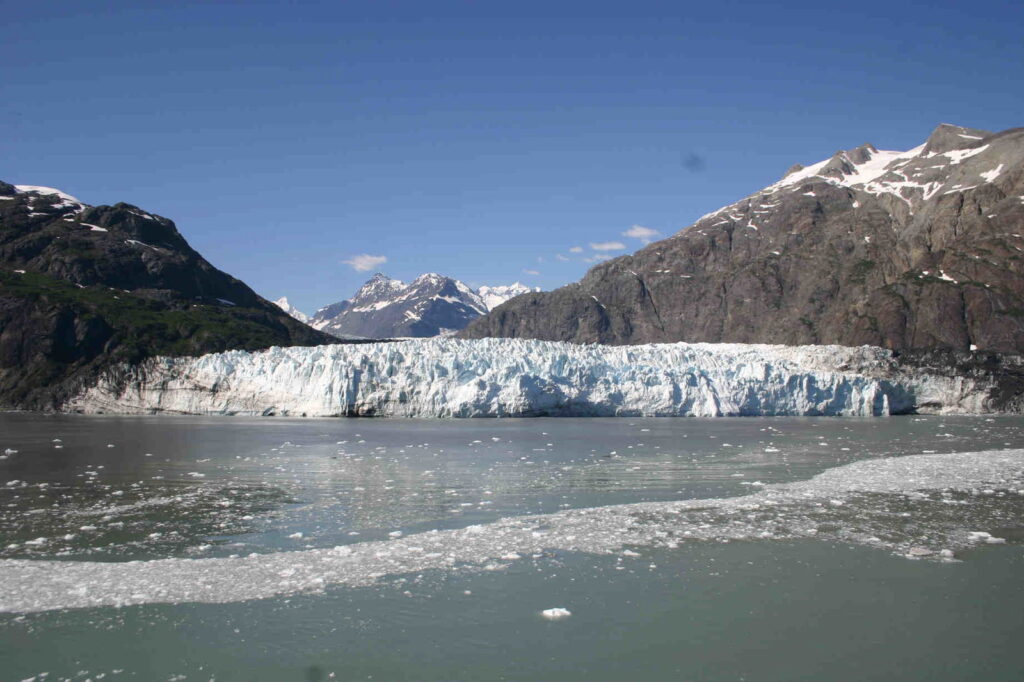
Global climate change drives the accelerated melting of glaciers, reshaping freshwater supplies, sea levels, and ecosystems worldwide. Quick Answer Global climate change, primarily
October 28, 2025
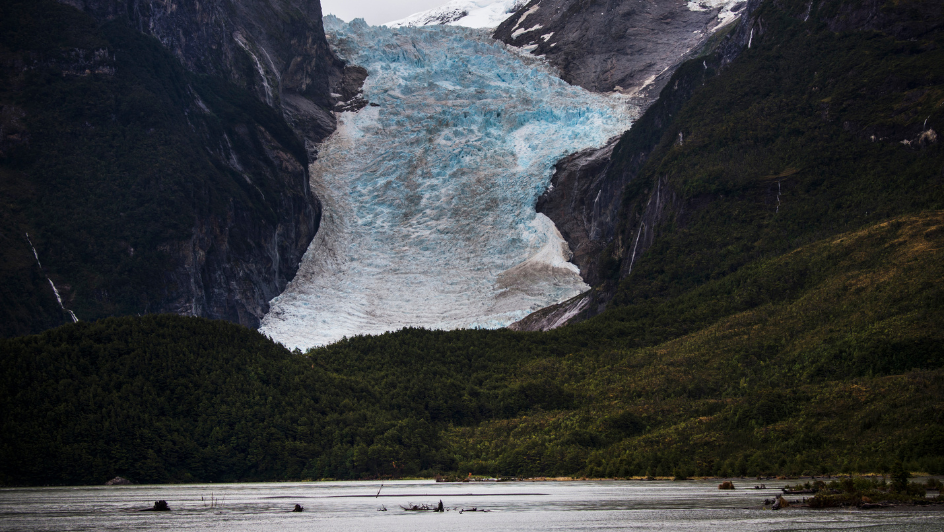
Mountain glaciers are melting faster than ever, threatening water supplies, sea levels, ecosystems, economies, cultural heritage, and climate feedbacks worldwide. Quick Answer Mountain
October 27, 2025
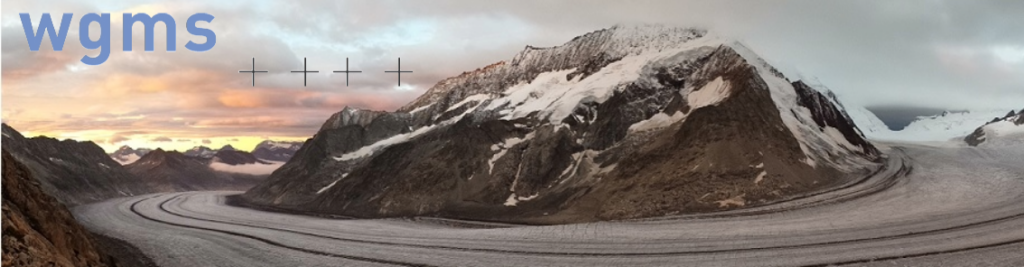
The World Glacier Monitoring Service (WGMS) coordinates a global network of observations that tracks glacier change, providing essential data for climate science, water
October 21, 2025
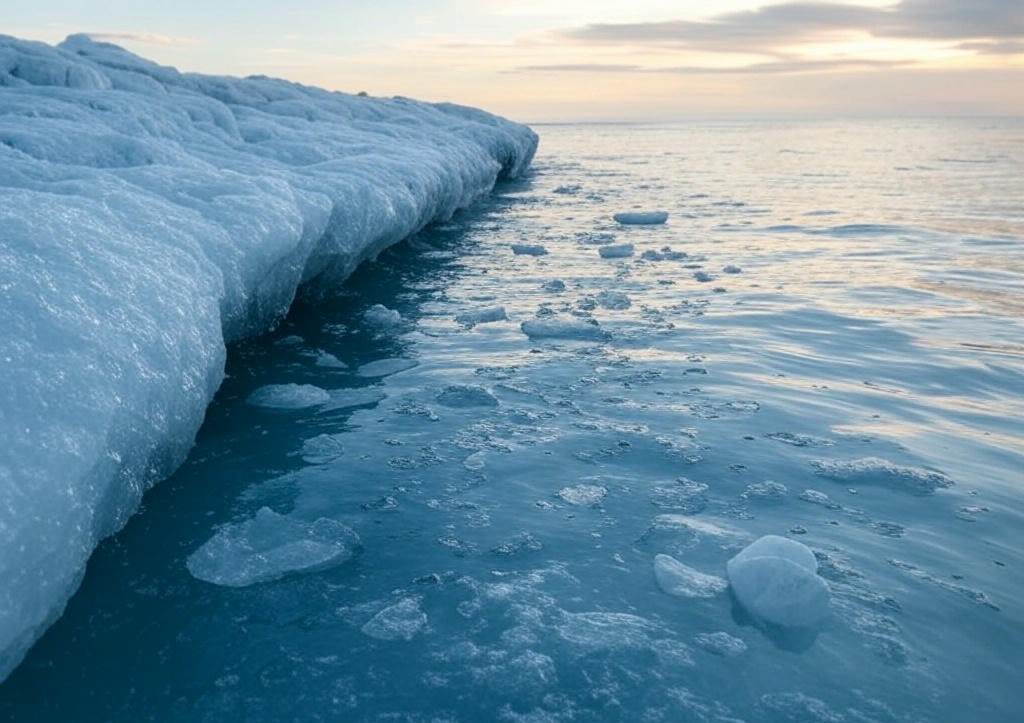
Glacier melt since 2000 has contributed almost 2 cm to global sea level, a process driven by warming temperatures, supported by long‑term observations, and
October 21, 2025
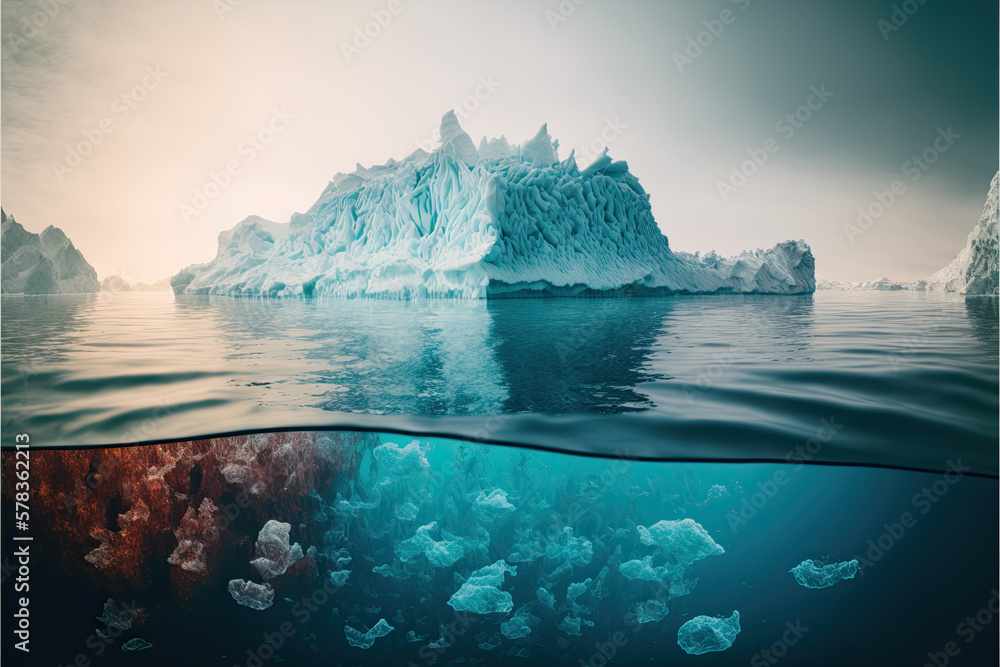
Glacier melt accounts for roughly one‑quarter of the observed rise in global sea level, a proportion that is supported by long‑term satellite records
October 20, 2025
October 18, 2026

October 18, 2026

24Earth is an independent environmental knowledge platform explaining climate, oceans, biodiversity, pollution, energy, and planetary change through accessible, evidence-based reporting.
Copyright ©2026
24Earth.
