
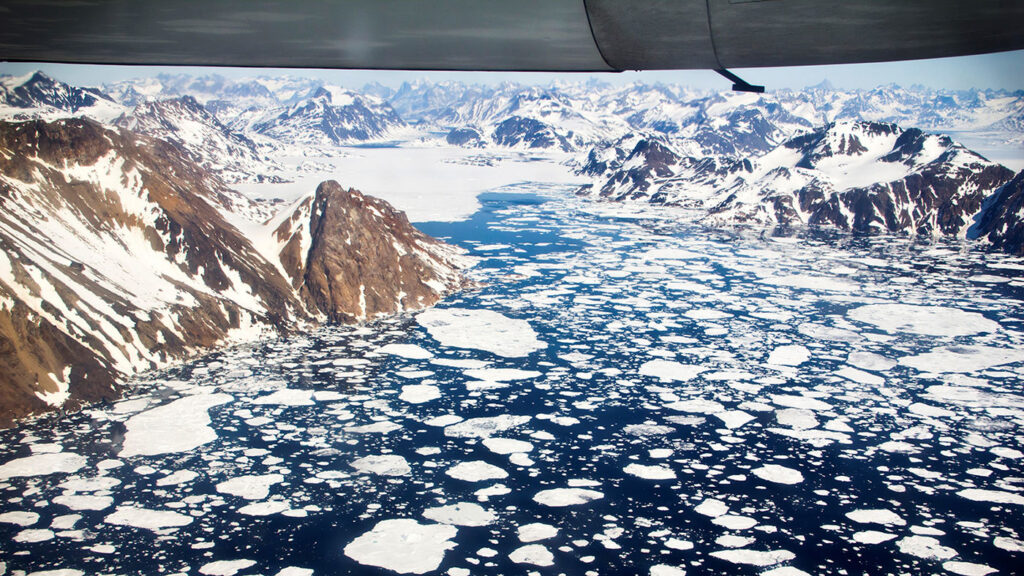
Why Greenland and Antarctica’s Glaciers Are Melting Six Times Faster
Glaciers in Greenland and Antarctica are melting six times faster than in the 1990s because rising air and ocean temperatures accelerate surface and
November 8, 2025
The retreat and mass loss of mountain and valley glaciers.
Glaciers in Greenland and Antarctica are melting six times faster than in the 1990s because rising air and ocean temperatures accelerate surface and
November 8, 2025
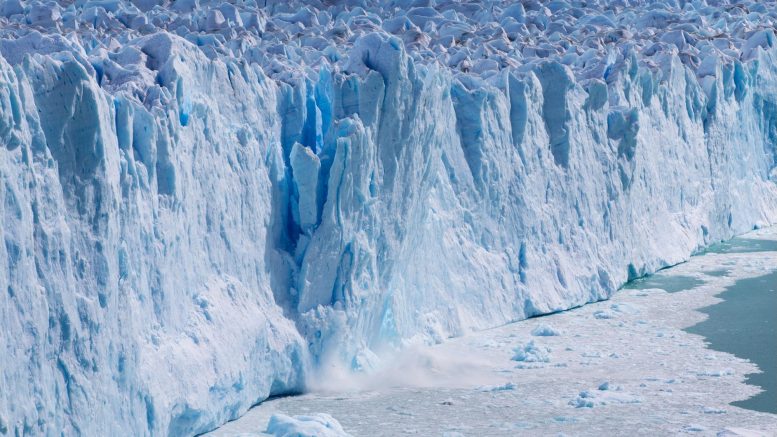
The Thwaites Glacier in West Antarctica—often called the “Doomsday Glacier”—is destabilising under warm ocean waters, and its potential collapse could add several metres
November 5, 2025
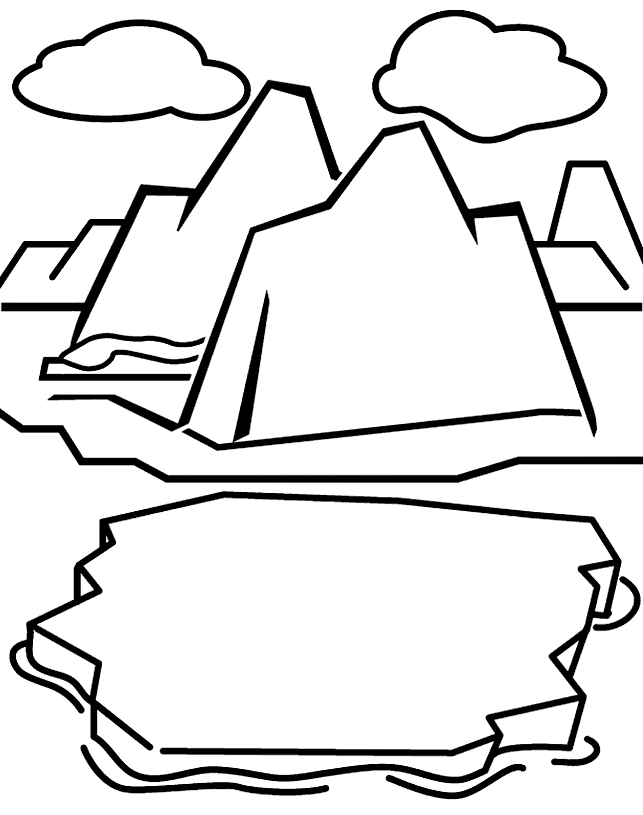
Creative glacier drawing projects blend art and science to illustrate how glaciers record climate change, engage learners, and inspire community action on a
November 4, 2025
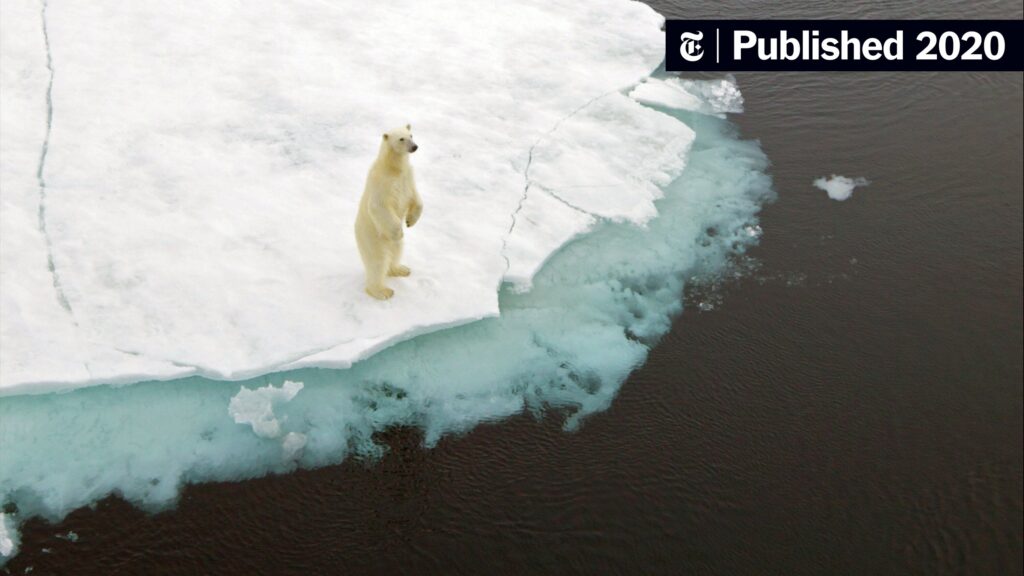
Glaciers act as fragile mirrors of climate change, storing ancient climate data, supplying freshwater, and signaling the planet’s warming through their rapid retreat.
November 2, 2025
Glaciers have been shrinking since the mid‑19th century because rising global temperatures, amplified by human activities and natural feedbacks, drive melt faster than
November 2, 2025
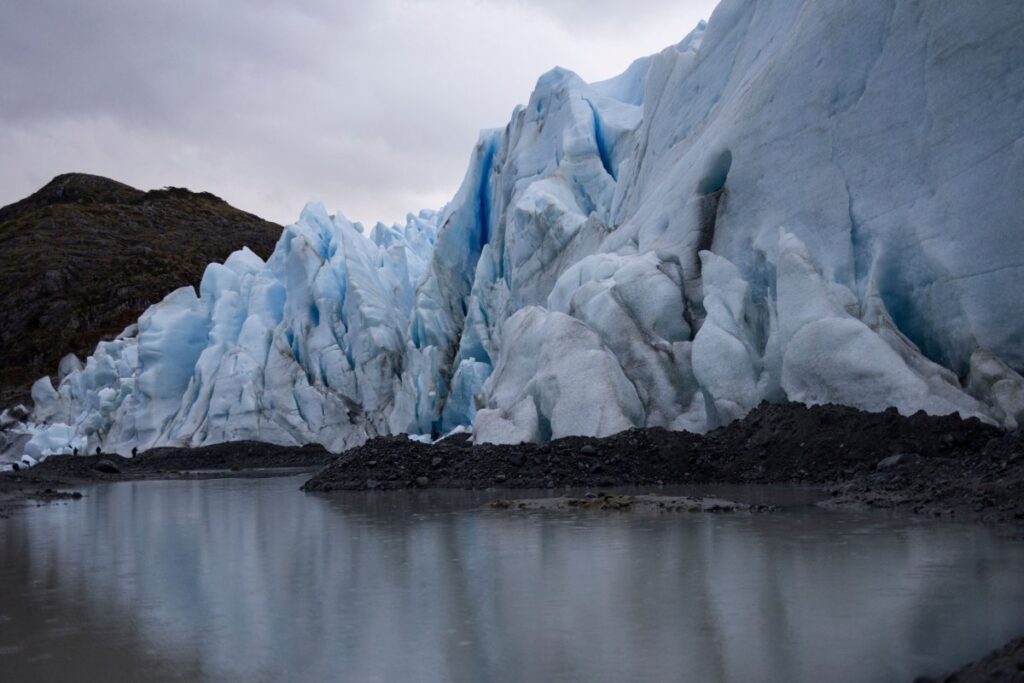
Glaciers and the massive ice sheets of Greenland and Antarctica together drive sea‑level rise, but ice sheets currently contribute roughly twice as much
November 1, 2025
October 18, 2026

October 18, 2026

24Earth is an independent environmental knowledge platform explaining climate, oceans, biodiversity, pollution, energy, and planetary change through accessible, evidence-based reporting.
Copyright ©2026
24Earth.
