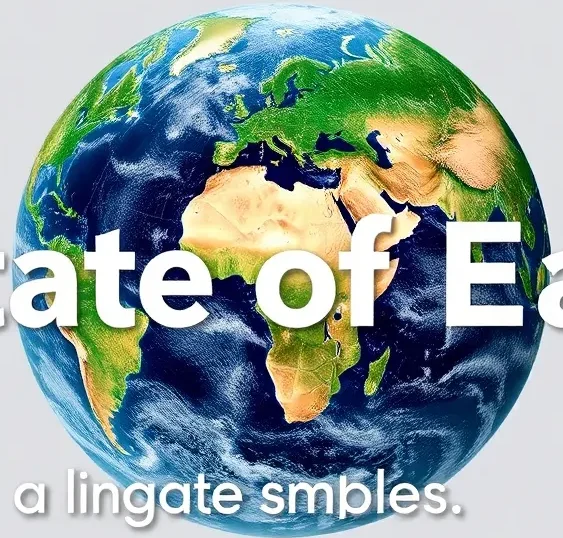
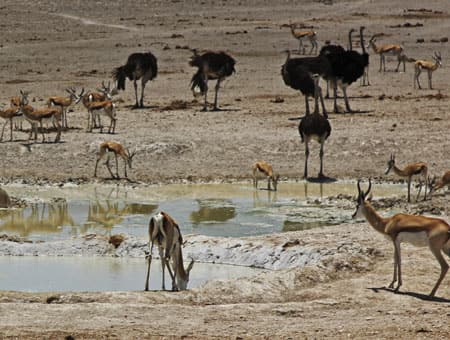
Why Some Species Go Extinct Faster Than Others
Species extinction rates differ because of biological traits, ecological roles, and human pressures, making some organisms far more vulnerable to loss than others.
December 22, 2025
The variety of life, ecosystems, and the threats they face.
Species extinction rates differ because of biological traits, ecological roles, and human pressures, making some organisms far more vulnerable to loss than others.
December 22, 2025
Human activity has caused the confirmed loss of hundreds of species since the 1500s, a rate far exceeding natural background extinction and threatening
December 22, 2025
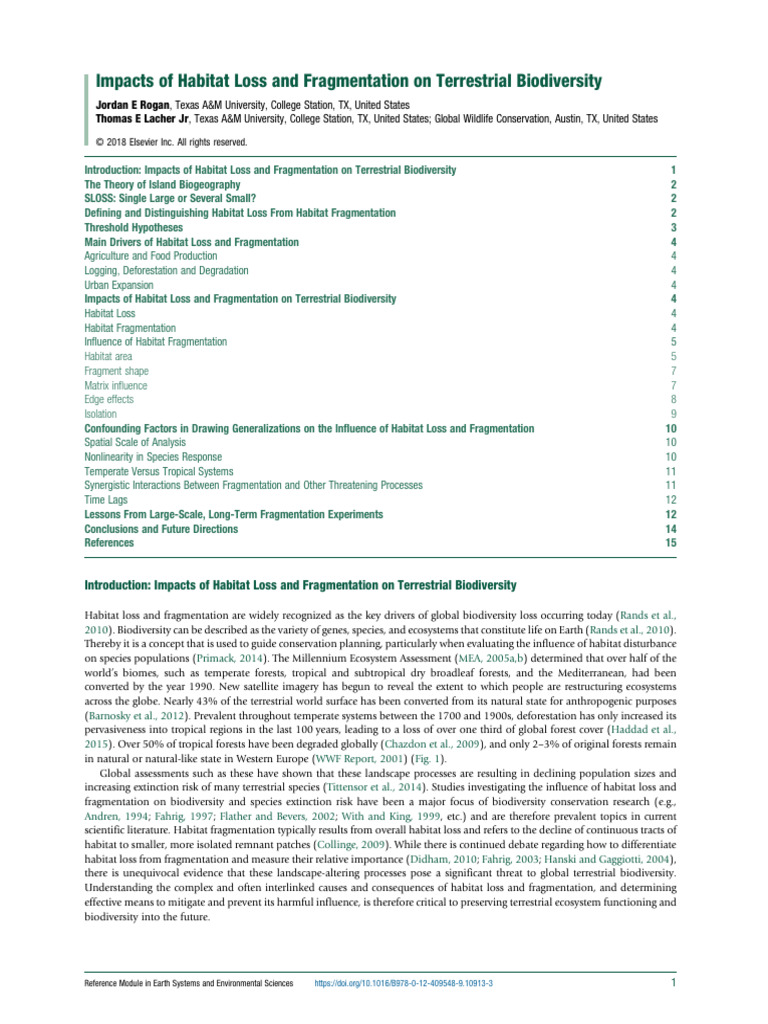
Habitat fragmentation— the breaking apart of continuous ecosystems by human activities—reduces biodiversity by isolating populations, eroding genetic diversity, and disrupting essential ecological processes.
December 20, 2025
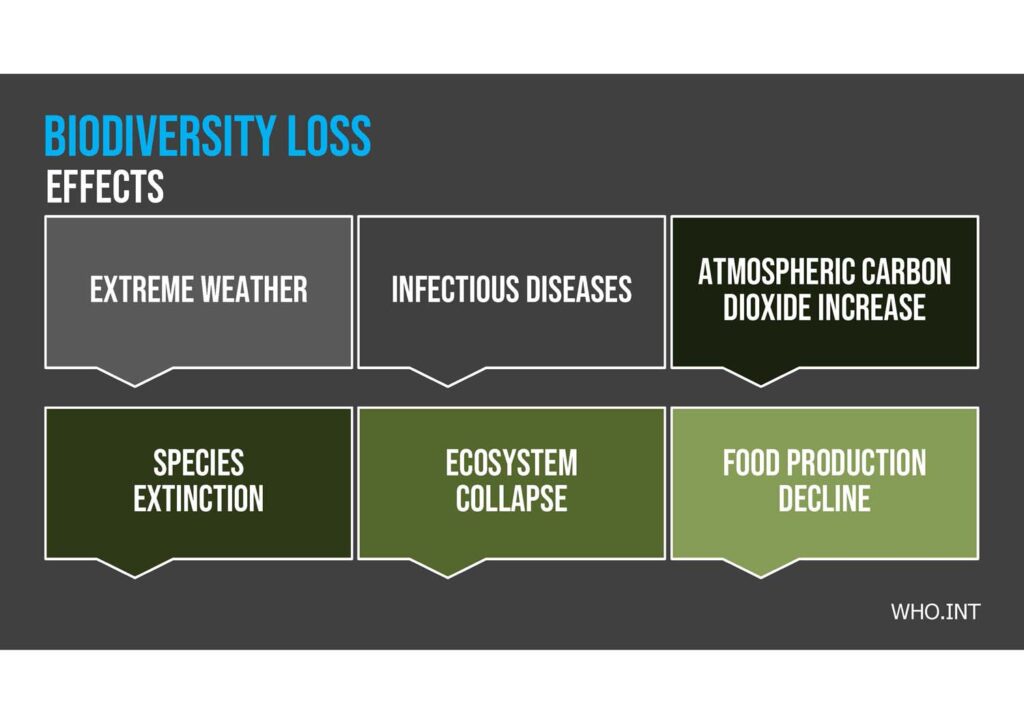
Biodiversity loss weakens ecosystem services, reduces climate regulation, degrades soils, and heightens human vulnerability, making the health of the whole planet dependent on
December 19, 2025

Major mass extinctions that occurred before dinosaurs reshaped marine and terrestrial life through climate shifts, volcanic activity, and ecosystem feedbacks, leaving lessons for
December 18, 2025
The K‑T (K‑Pg) mass extinction erased roughly 75% of species, including iconic dinosaurs, marine reptiles, and countless smaller animals, reshaping Earth’s ecosystems and
December 17, 2025
October 18, 2026

October 18, 2026

24Earth is an independent environmental knowledge platform explaining climate, oceans, biodiversity, pollution, energy, and planetary change through accessible, evidence-based reporting.
Copyright ©2026
24Earth.