
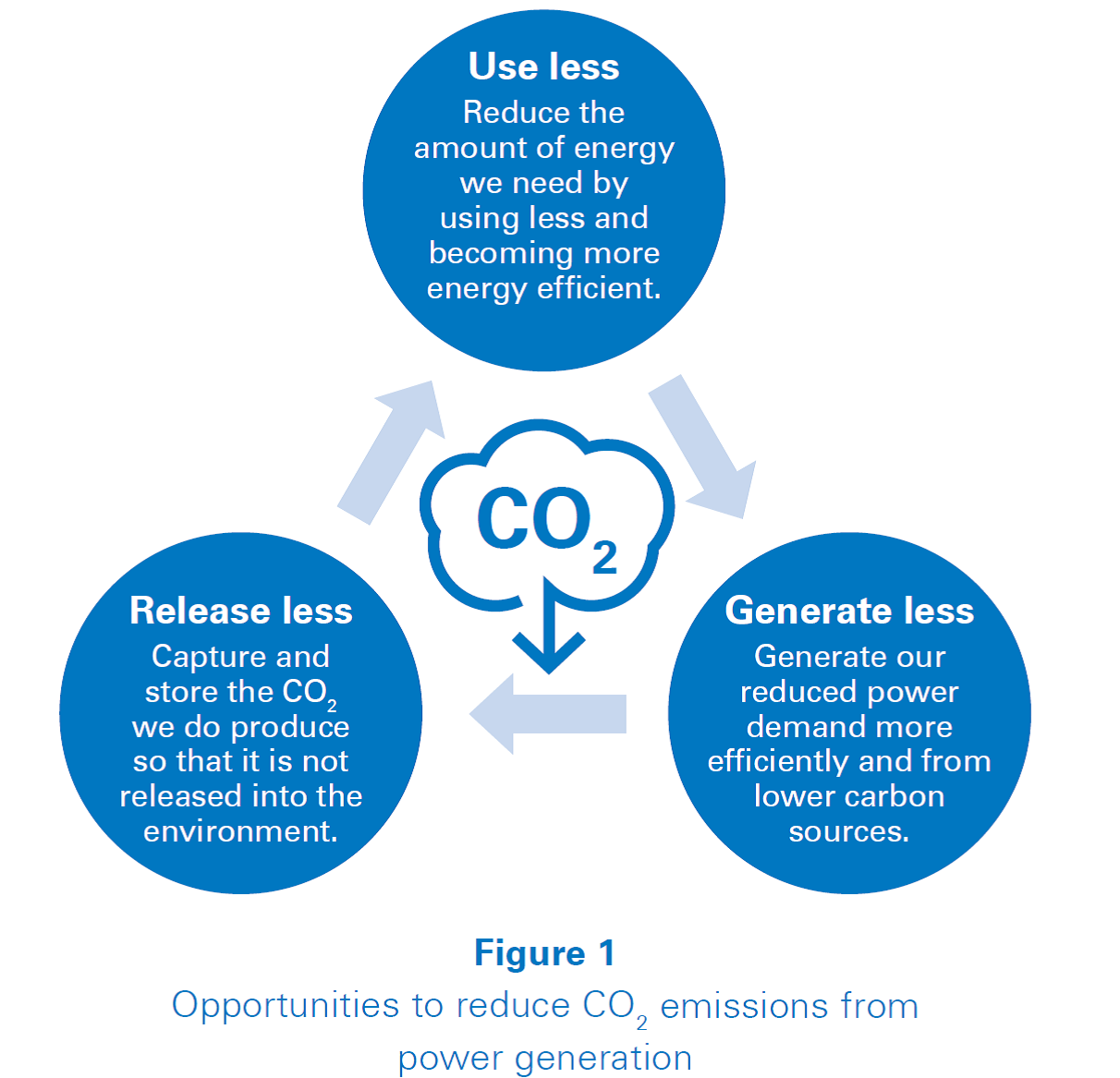
Canada’s carbon capture strategy aims to trap industrial CO2 emissions and store them underground, sparking debate over its climate benefit versus financial risk.
Quick Answer
Canada’s Carbon Capture and Storage (CCS) strategy involves capturing carbon dioxide from large‑scale emitters, transporting it via pipelines or trucks, and injecting it into deep geological formations for permanent storage. The approach is supported by federal and provincial funding of roughly $5.5 billion (Government of Canada, 2022) and is intended to help meet the country’s net‑zero target by 2050. Scientific assessments indicate CCS can reduce emissions from specific sectors, but its overall climate impact is limited by high costs, uncertain long‑term storage integrity, and the risk of extending fossil‑fuel use. Consequently, CCS is a potentially useful tool within a broader mitigation portfolio, but not a standalone solution.
Key Takeaways
- CCS captures CO2 before it reaches the atmosphere and stores it in deep rock formations.
- Federal and provincial investments total about $5.5 billion, with most projects targeting Alberta’s oil‑sand and natural‑gas sectors.
- Evidence shows CCS can achieve capture efficiencies of 85‑95 % at pilot scale, yet commercial deployment remains costly.
- Potential risks include storage leaks, high energy penalties, and the possibility of delaying a transition to renewables.
- Success depends on strong regulation, transparent monitoring, and complementary policies that phase out fossil‑fuel demand.
What Is Canada’s Carbon Capture Strategy: Climate Solution or Costly Gamble?
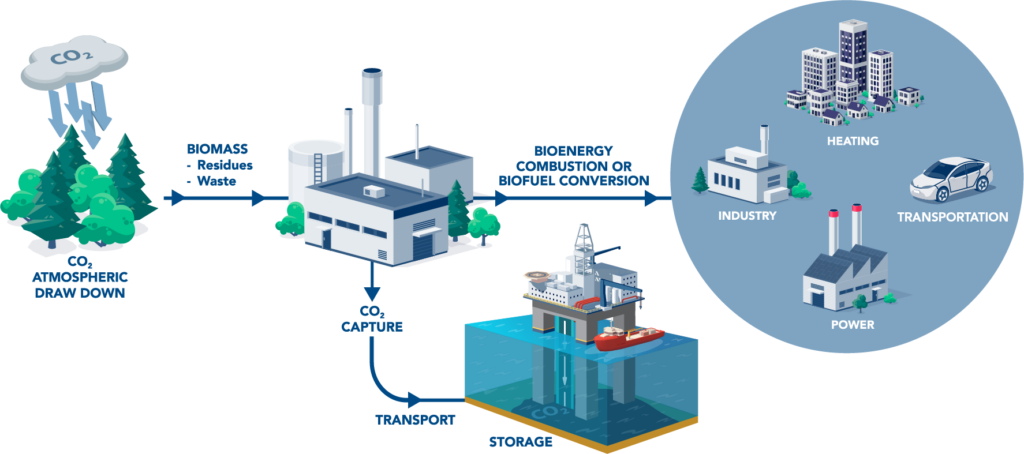
Carbon Capture and Storage (CCS) is a set of technologies designed to remove carbon dioxide (CO₂) from the exhaust streams of power plants, refineries, cement factories, and other large emitters. Canada’s national strategy, announced in 2020 and updated in the 2022 budget, commits billions of dollars to develop three “hub‑and‑spoke” projects that will collectively aim to capture up to 30 million tonnes of CO₂ per year by 2030. The strategy is framed as a bridge between the country’s existing fossil‑fuel‑dependent economy and its net‑zero goal for 2050.
How Does It Work?
1. Capture
Capture technologies fall into three main categories:
- Post‑combustion: Scrubbing CO₂ from flue gases using solvents such as amine‑based solutions.
- Pre‑combustion: Converting fuel to a hydrogen‑rich gas, then separating CO₂ before combustion.
- Oxy‑fuel combustion: Burning fuel in pure oxygen, producing a stream that is mostly CO₂ and water vapor, simplifying separation.
Industrial pilots in Alberta have demonstrated capture rates of 85‑95 % (International Energy Agency, 2023).
2. Transport
Captured CO₂ is compressed to a supercritical state and moved via pipelines, trucks, or ship. Canada’s existing natural‑gas pipeline network is being repurposed where feasible, but new dedicated CO₂ pipelines are required for many projects. The Canadian Energy Regulator (CER) reports that pipeline construction costs average CAD 1–2 million per kilometre (CER, 2022).
3. Storage
Storage sites are typically depleted oil and gas reservoirs, deep saline aquifers, or unmineable coal seams located at depths greater than 800 metres, where pressure and temperature keep CO₂ in a dense, liquid‑like phase. Long‑term monitoring relies on seismic surveys, pressure gauges, and chemical tracers to detect potential leaks.
What Does the Evidence Show?
Multiple lines of evidence converge on several points:
- Laboratory and field studies confirm that CO₂ can remain trapped in porous rock for centuries when properly sealed (Intergovernmental Panel on Climate Change, 2023).
- Economic analyses indicate that, at current technology costs, CCS adds roughly 70–100 % to the levelised cost of electricity for coal‑fired plants (Canadian Institute for Climate Choices, 2022).
- Life‑cycle assessments suggest that when the energy penalty of capture is accounted for, net emissions reductions range from 0.5 to 0.9 t CO₂ per t captured, depending on the source sector (IEA, 2023).
- Monitoring of existing storage sites in the United States and Europe shows leak rates below 0.01 % of stored volume over decades, but the data set remains limited for Canadian geology (U.S. Department of Energy, 2021).
Main Causes or Drivers
Industrial Dependence on Fossil Fuels
Canada’s oil‑sand extraction, natural‑gas processing, and cement production collectively emit about 200 million tonnes of CO₂ annually (Environment and Climate Change Canada, 2023). These sectors face limited low‑carbon alternatives in the near term, making CCS an attractive mitigation option for policymakers.
Policy Commitments
Canada’s 2030 emissions‑reduction target (40‑45 % below 2005 levels) and its 2050 net‑zero pledge create pressure to adopt technologies that can address hard‑to‑abate emissions.
Economic Incentives
Federal tax credits, such as the “Carbon Capture Tax Credit” introduced in 2023, provide a refundable credit of up to CAD 50 per tonne of CO₂ stored, encouraging private investment.
Environmental and Human Impacts
Environmental Impacts
When operating as intended, CCS prevents CO₂ from entering the atmosphere, thereby mitigating climate change. However, the energy required for capture and compression can increase demand for electricity, potentially offsetting some climate benefits if the electricity comes from fossil fuels. Additionally, large‑scale pipeline construction poses land‑use and habitat fragmentation risks.
Human Health and Social Impacts
Communities near storage sites may experience heightened concern over potential leaks, which could affect air quality and groundwater. Indigenous groups have emphasized the need for free, prior, and informed consent before projects proceed on or near their territories (Indigenous Services Canada, 2022).
Economic and Infrastructure Impacts
CCS projects generate high‑skill jobs in engineering, construction, and monitoring. Conversely, the high capital cost can divert public funds from renewable‑energy programs, creating a trade‑off in budget allocation.
Regional Differences
Alberta hosts the majority of Canada’s CCS pilots because of its extensive oil‑sand operations and existing pipeline network. Saskatchewan’s CO₂ hub focuses on fertilizer and ethanol plants, while offshore projects in the Gulf of St. Lawrence explore saline‑aquifer storage. Each region faces distinct geological, regulatory, and social contexts that influence project viability.
What Scientists Know With High Confidence
- CO₂ can be stored securely in deep saline formations for geological timescales when proper site selection and monitoring are applied.
- Capture technologies can achieve >85 % removal efficiency from flue gases in controlled settings.
- Without complementary demand‑reduction measures, CCS alone cannot achieve Canada’s net‑zero target.
- Public acceptance is a decisive factor; projects lacking Indigenous consent face significant delays.
What Remains Uncertain
Key uncertainties include the long‑term integrity of storage sites under Canadian geological conditions, the true system‑wide cost of scaling CCS to gigatonne levels, and how quickly the technology can be deployed without prolonging fossil‑fuel extraction. Ongoing monitoring programs and pilot‑scale demonstrations are needed to reduce these knowledge gaps.
Common Misconceptions
Misconception: CCS eliminates the need for renewable energy.
Reality: CCS reduces emissions from specific point sources but does not replace the broader decarbonisation required across electricity, transport, and heating sectors.
Misconception: Captured CO₂ is permanently safe.
Reality: While geological storage is proven to be stable over millennia, rigorous monitoring is essential to detect rare leak events.
Misconception: All CCS projects are fully funded and will be built.
Reality: Many projects remain in the planning stage; financial, regulatory, and social hurdles have caused several to be postponed or cancelled.
Solutions and Limitations
CCS should be considered alongside a suite of mitigation measures:
- Renewable energy expansion: Solar, wind, and hydro reduce the need for fossil‑fuel‑intensive power generation, decreasing the baseline emissions that CCS must capture.
- Energy efficiency: Improving industrial process efficiency can lower CO₂ output, making CCS less costly per tonne.
- Policy instruments: Carbon pricing can make CCS economically attractive, but must be calibrated to avoid subsidising continued fossil‑fuel use.
- Nature‑based solutions: Reforestation and soil carbon sequestration address diffuse emissions that CCS cannot capture.
Each solution carries trade‑offs; for example, large‑scale renewables require land and material inputs, while nature‑based approaches need long‑term management.
What Individuals, Communities, and Governments Can Do
What Individuals Can Do
Support policies that prioritize clean energy, reduce personal carbon footprints through energy‑efficient appliances, and engage in public consultations on CCS projects to ensure community concerns are heard.
What Communities and Organizations Can Do
Form coalitions to demand transparent monitoring of storage sites, collaborate with Indigenous groups to incorporate traditional knowledge, and invest in local renewable projects that diversify the regional economy.
What Governments Can Do
Implement rigorous site‑characterisation standards, maintain independent oversight of leak detection, allocate a balanced portion of climate funds to both CCS and renewable‑energy infrastructure, and ensure Indigenous consent processes are legally binding.
Closing Synthesis
Canada’s carbon capture strategy offers a scientifically viable method to trap CO₂ from some of the nation’s most emissions‑intensive industries. High‑confidence evidence confirms that, with proper site selection and monitoring, stored carbon can remain underground for millennia. However, the technology’s high cost, energy penalties, and the risk of extending fossil‑fuel reliance mean that CCS is not a silver bullet. Its success hinges on robust regulation, transparent public engagement, and integration with aggressive renewable‑energy deployment and efficiency measures. By recognizing both its potential and its limits, Canada can use CCS as one tool among many in a comprehensive climate‑action toolkit.
Frequently Asked Questions
What is carbon capture and storage (CCS) in Canada?
CCS in Canada refers to technologies that capture carbon dioxide from large industrial emitters, transport it via pipelines or trucks, and inject it into deep geological formations for permanent storage.
How much funding has the Canadian government allocated to CCS projects?
The federal and provincial governments have committed roughly CAD 5.5 billion, announced in the 2022 federal budget, to develop multiple CCS hub‑and‑spoke projects across the country.
What are the main environmental risks associated with CCS?
Key risks include potential CO₂ leaks from storage sites, the high energy demand of capture and compression which can increase emissions if powered by fossil fuels, and land‑use impacts from pipeline construction.
Can CCS replace the need for renewable energy in Canada?
No. CCS reduces emissions from specific point sources but does not eliminate the broader need for renewable electricity, transportation, and heating solutions required to meet net‑zero goals.
What actions can individuals take to support effective climate policy around CCS?
Individuals can advocate for strong climate policies, reduce their own carbon footprints, and participate in public consultations to ensure community voices, especially Indigenous ones, are heard in CCS decision‑making.






Leave a Comment