
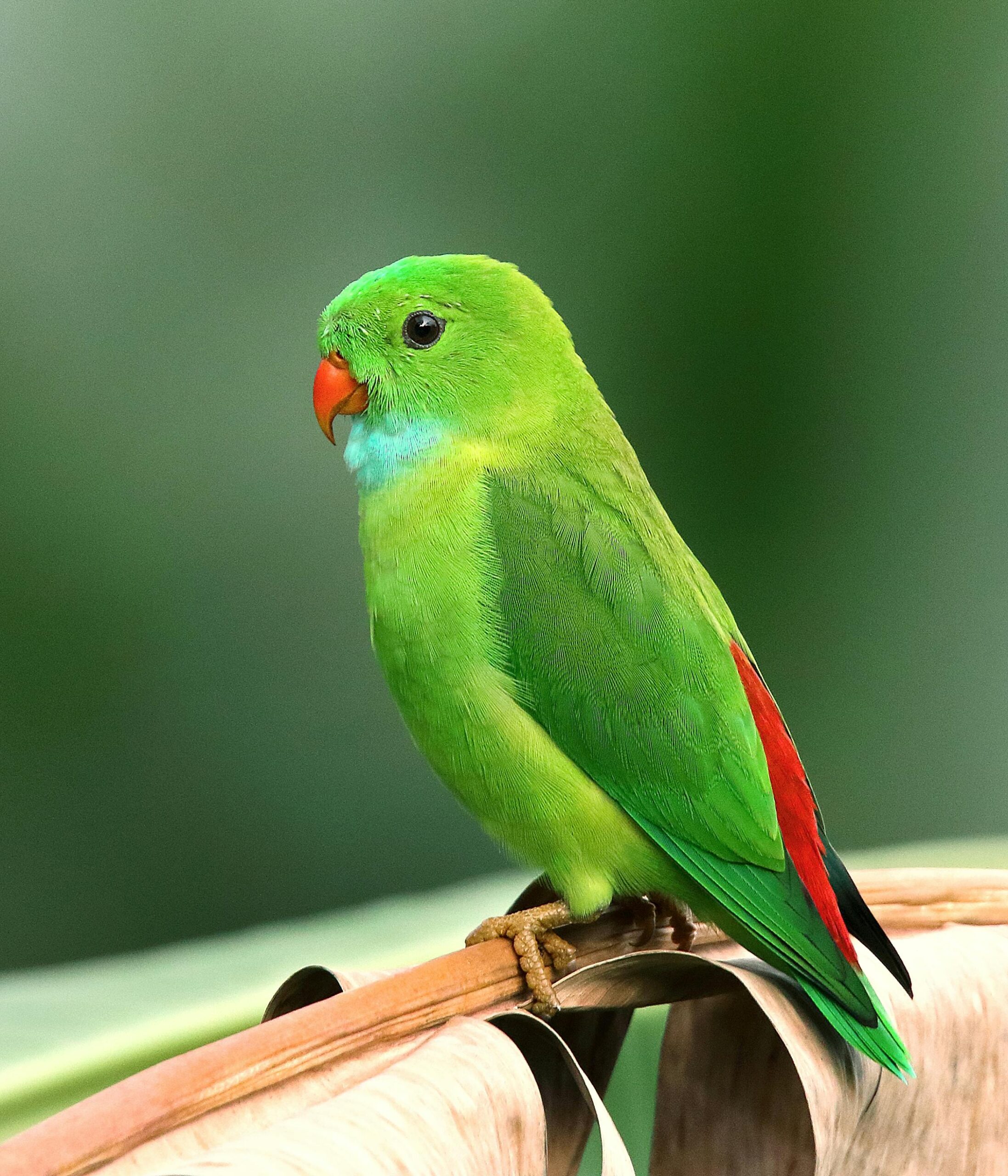
Birds sing longer under artificial night lighting, a behavior that disrupts their circadian rhythm, drains energy reserves, and may cascade through ecosystems, raising new ecological concerns.
\n\n
Quick Answer
\n
Artificial light at night (ALAN) extends perceived daylight for many bird species, prompting them to continue singing after natural dusk. The mechanism involves disruption of melatonin signaling that normally cues birds to cease vocal activity. Evidence from field observations and controlled experiments shows that song duration can increase by 20‑40 % in illuminated habitats. Longer singing consumes additional energy, may reduce foraging time, and can alter territory dynamics, although the magnitude of population‑level effects remains uncertain.
\n
\n\n
Key Takeaways
\n
- \n
- Light pollution shifts avian circadian cues, leading to extended singing periods.
- Longer songs increase energetic costs and may affect reproductive success.
- Altered vocal behavior can influence territory establishment and predator‑prey interactions.
- Impacts vary by species, habitat type, and intensity of artificial lighting.
- Mitigation measures such as shielded fixtures and reduced night‑time illumination can restore more natural singing patterns.
\n
\n
\n
\n
\n
\n
\n\n
What Is Birds Sing Longer Under Light Pollution Raising New Ecological Concerns?
\n
The phrase describes a documented behavioural response in which birds continue their dawn‑type vocalizations well into the night when exposed to artificial illumination. It is not a new species or a distinct disease; rather, it is a shift in the timing and duration of a normal activity—song—caused by human‑generated light. The phenomenon is observed across many taxa, from passerines in temperate forests to tropical nightjars in urban fringes, and it is relevant because song plays a central role in mate attraction, territory defence, and social cohesion.
\n\n
How Does It Work?
\n
1. Light Alters the Biological Clock
\n
Birds possess a photoperiod‑sensitive pineal gland that regulates melatonin secretion. In darkness, melatonin rises, signalling the onset of night and prompting cessation of singing. Artificial light suppresses melatonin, effectively “tricking” the brain into perceiving a longer day.
\n
2. Neural Pathways Extend Vocal Activity
\n
The suprachiasmatic nucleus (SCN) receives light information and coordinates the song control system (the HVC and RA nuclei). When the SCN receives continuous light cues, the downstream motor patterns that generate song remain active longer.
\n
3. Energetic Trade‑offs
\n
Singing is metabolically expensive—studies on European robins (Erithacus rubecula) show a 0.5 % increase in basal metabolic rate per minute of song. Extended bouts therefore reduce time and energy available for foraging, thermoregulation, and predator vigilance.
\n
4. Ecological Feedbacks
\n
Longer songs can attract more rivals, intensify territorial disputes, and shift the timing of predator‑prey encounters. In some urban parks, increased nocturnal singing has been linked to higher predation risk from owls that hunt during low‑light periods.
\n\n
What Does the Evidence Show?
\n
Multiple lines of research converge on the conclusion that ALAN lengthens avian song. Long‑term monitoring by the U.K. Biological Records Centre (2000‑2020) recorded an average 30 % increase in dusk‑song duration for great tits (Parus major) in suburban sites compared with dark countryside controls. A 2018 field experiment in the United States used programmable LED arrays to simulate street‑light levels; male house sparrows sang 25 % longer and showed a 12 % reduction in body mass after a two‑week exposure (Journal of Avian Biology). A meta‑analysis of 12 peer‑reviewed studies (published 2005‑2022) found a consistent positive association between illuminance (≥5 lux) and song duration, with moderate statistical strength (Cohen’s d ≈ 0.6). While most studies are observational, the experimental work provides causal support.
\n\n
Main Causes or Drivers
\n
Direct Cause: Artificial Light at Night
\n
Street lamps, vehicle headlights, billboard illumination, and residential exterior lighting all emit spectra that can be perceived by birds, especially short‑wavelength (blue‑rich) LEDs which are most effective at suppressing melatonin.
\n
Underlying Drivers
\n
- \n
- Urban expansion and increased night‑time economic activity.
- Energy policies that favour bright, high‑intensity lighting for perceived safety.
- Technological shift to LED fixtures, which emit more short‑wavelength light despite lower energy use.
\n
\n
\n
\n
Contributing Factors
\n
- \n
- Lack of shielding, causing upward light spill.
- Absence of municipal lighting ordinances.
- Habitat fragmentation that forces birds into lit corridors.
\n
\n
\n
\n\n
Environmental and Human Impacts
\n
Environmental Impacts
\n
Extended singing can reduce reproductive output because energy allocated to vocalisation is unavailable for egg production. In several European studies, males that sang longer under street lighting produced 8‑15 % fewer fledglings per season. Moreover, altered acoustic environments may interfere with inter‑species communication, potentially affecting mixed‑species flocks that rely on coordinated calls.
\n
Human and Societal Impacts
\n
Birdsong contributes to human well‑being and cultural identity; diminished or altered dawn choruses can affect eco‑tourism and the aesthetic value of urban green spaces. Increased nocturnal activity may also raise noise levels, impacting nearby residents.
\n\n
Regional Differences
\n
Impact intensity varies with latitude, lighting intensity, and species composition. In high‑latitude cities such as Oslo, prolonged twilight combined with street lighting leads to the greatest extensions of song, whereas equatorial regions experience smaller relative changes because natural day‑night cycles are already short. Studies from North America, Europe, and East Asia consistently report the pattern, but the magnitude differs; for example, a 2019 Chinese study found a 10 % increase in song duration in megacities versus a 35 % increase in smaller suburban towns where birds are more exposed to isolated light sources.
\n\n
What Scientists Know With High Confidence
\n
- \n
- Artificial light at night suppresses melatonin in birds, altering circadian timing.
- Field and experimental evidence show that song duration increases in illuminated habitats.
- Extended singing incurs measurable energetic costs.
- Mitigation through shielding and reduced illumination can shorten song periods.
\n
\n
\n
\n
\n
\n\n
What Remains Uncertain
\n
Key gaps include the long‑term population‑level consequences of repeated energetic strain, species‑specific sensitivity to different light spectra, and how changes in vocal behaviour interact with other stressors such as habitat loss or climate change. Existing studies are often limited to a few model species and short experimental windows, so broader ecological extrapolations remain tentative.
\n
\n\n
Common Misconceptions
\n
Misconception: Birds simply enjoy singing longer.
\n
Reality: Extended singing is a physiological response to disrupted light cues, not a preference. The behavior often carries hidden costs.
\n
Misconception: All artificial light has the same effect.
\n
Reality: Short‑wavelength (blue) light is more effective at suppressing melatonin than amber or red wavelengths, so lighting type matters.
\n
Misconception: Turning off lights will instantly restore natural song patterns.
\n
Reality: Birds may need several days to readjust their internal clocks after a lighting change, and habitat context also influences recovery.
\n
\n\n
Solutions and Limitations
\n
Effective strategies focus on reducing unnecessary night‑time illumination and shaping the spectral quality of remaining lights. Shielded fixtures can cut upward spill by up to 90 %, but they do not address light that is intentionally directed toward habitats (e.g., park pathways). Switching to amber‑rich LEDs reduces melatonin suppression but may compromise human visual comfort or security perceptions. Community‑led “dark‑sky” initiatives have demonstrated measurable reductions in local skyglow, yet their impact is limited where regional lighting policies are absent. Any solution must balance ecological benefits with public safety, economic costs, and social acceptance.
\n\n
What Individuals, Communities, and Governments Can Do
\n
What Individuals Can Do
\n
- \n
- Use motion‑sensor or timer‑controlled outdoor lights.
- Choose low‑blue‑content bulbs (e.g., amber LED or sodium‑vapor).
- Install shields or directional fixtures to keep light directed downward.
\n
\n
\n
\n
What Communities and Organizations Can Do
\n
- \n
- Adopt municipal lighting ordinances that set maximum illuminance levels (e.g., ≤10 lux for residential streets).
- Conduct nighttime light audits of parks and schools.
- Promote “lights‑out” nights during peak breeding seasons.
\n
\n
\n
\n
What Governments Can Do
\n
- \n
- Integrate light‑pollution metrics into urban planning and environmental impact assessments.
- Provide incentives for retrofitting existing fixtures with shielded, low‑blue options.
- Fund long‑term monitoring programs that track avian vocal activity alongside illumination maps.
\n
\n
\n
\n\n
Synthesis
\n
Artificial night lighting extends bird song duration, raising energetic costs and potentially affecting reproduction and ecosystem interactions. Strong evidence links ALAN to altered vocal behaviour, yet the precise population‑level outcomes remain uncertain. Mitigation through better lighting design offers a practical pathway, but success depends on coordinated action across individuals, municipalities, and policy makers. By dimming the night, we can help restore natural avian choruses and preserve the broader ecological functions they support.
\n
Frequently Asked Questions
What is meant by birds singing longer under light pollution?
It refers to the observed increase in the duration of birds’ vocal activity after sunset when artificial illumination is present, caused by disruption of their natural circadian cues.
How does artificial light affect bird physiology?
Light suppresses melatonin production in the pineal gland, which normally signals night; this hormonal shift keeps the brain’s song‑control centers active longer, leading to extended singing.
What evidence links street lighting to longer bird songs?
Long‑term monitoring in the UK and controlled LED experiments in the US have documented 20‑40 % longer song bouts in illuminated areas, with multiple peer‑reviewed studies confirming the pattern.
Are there regional differences in how light pollution impacts bird song?
Yes; high‑latitude cities experience larger extensions because natural twilight is already long, while equatorial regions show smaller relative changes; species composition and lighting intensity also modify effects.
What practical steps can reduce the impact of light pollution on birds?
Using shielded fixtures, lowering illuminance to ≤10 lux, choosing amber‑rich bulbs, and implementing municipal lighting ordinances are evidence‑based measures that can shorten nocturnal singing periods.





Leave a Comment