
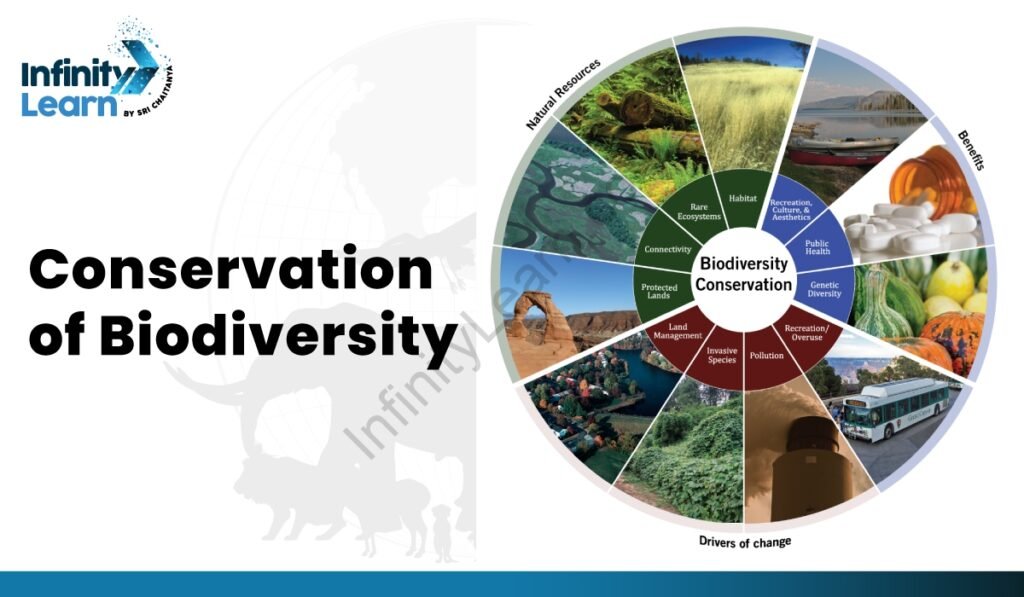
Biodiversity conservation is the science‑based practice of protecting species, habitats, and genetic diversity to maintain ecosystem services, human wellbeing, and the planet’s resilience.
Quick Answer
Biodiversity conservation involves safeguarding the variety of life—from genes to ecosystems—through protected areas, habitat restoration, species‑specific programs, and community‑driven stewardship. It works by preserving ecological functions that supply food, clean water, climate regulation, and cultural benefits. The strongest scientific consensus confirms that intact biodiversity underpins these services, while its loss threatens food security, health, and economies. Effective action requires coordinated policies, adequate funding, and adaptive management, acknowledging that uncertainties remain around precise thresholds for ecosystem collapse.
Key Takeaways
- Healthy biodiversity is essential for food, water, climate regulation, and cultural values.
- Protected areas and habitat restoration are the backbone of most successful conservation efforts.
- Community involvement and indigenous knowledge greatly enhance long‑term stewardship.
- Science provides strong evidence for the benefits of conservation, but knowledge gaps persist on species‑specific thresholds.
- Effective solutions combine policy, finance, technology, and behavior change at multiple scales.
What Is Biodiversity Conservation Explained: Protecting Nature Effectively?
Biodiversity conservation refers to the deliberate actions taken to preserve the variety of life on Earth, including genetic diversity within species, the diversity of species themselves, and the ecosystems that host them. It encompasses a suite of strategies such as establishing protected areas, restoring degraded habitats, managing threatened species, and integrating sustainable land‑use practices. While “conservation” is sometimes used loosely to describe any environmental protection, the term specifically targets the maintenance of biological diversity and the ecosystem services it delivers. The importance of biodiversity conservation lies in its role as the foundation of resilient ecosystems that support human nutrition, water quality, disease regulation, and cultural identity.
How Does It Work?
1. Protecting Core Habitats
Designated protected areas—national parks, wildlife reserves, and marine protected zones—limit harmful activities such as deforestation, overfishing, and mining. By maintaining large, connected habitats, species can persist, migrate, and adapt to climate shifts. Adaptive management practices, which rely on regular monitoring and flexible decision‑making, allow managers to respond to emerging threats.
2. Restoring Degraded Landscapes
Restoration projects re‑establish native vegetation, re‑connect fragmented corridors, and improve soil health. Techniques include reforestation, wetland reconstruction, and assisted natural regeneration. These actions increase carbon storage, enhance water infiltration, and create new habitat for pollinators and other wildlife.
3. Managing Threatened Species
Species‑focused programs use captive breeding, genetic rescue, and targeted re‑introductions to prevent extinction. The IUCN Red List provides risk categories that guide prioritisation. Successful examples, such as the recovery of the California condor, illustrate how intensive management can reverse declines.
4. Engaging People and Policies
Local communities, indigenous peoples, and governments co‑design conservation plans that align ecological goals with livelihood needs. Legal frameworks such as the Convention on Biological Diversity (CBD) set international targets, while national laws create enforcement mechanisms and financing tools like biodiversity offsets and payment for ecosystem services.
What Does the Evidence Show?
Long‑term monitoring by the World Wildlife Fund shows that terrestrial protected areas have, on average, a 19 % higher forest cover retention rate than unprotected lands (WWF, 2020). A systematic review of 78 peer‑reviewed studies concluded that well‑managed marine protected areas increase fish biomass by 2‑3 times within five years (Lester et al., 2021, *Marine Ecology Progress Series*). The IPBES Global Assessment (2019) reports that 75 % of ecosystem services are already being degraded, but that effective conservation could restore up to half of that loss. These lines of evidence converge on the conclusion that protecting and restoring habitats delivers measurable benefits for biodiversity and human wellbeing.
Main Causes or Drivers
Direct Causes
- Habitat loss from agriculture, urban expansion, and infrastructure development.
- Overexploitation of wildlife for food, medicine, and trade.
- Pollution, including plastic debris, nutrient runoff, and chemical contaminants.
- Invasive species that outcompete native organisms.
Underlying Drivers
- Population growth and rising consumption patterns.
- Economic incentives that favour short‑term resource extraction.
- Weak governance and insufficient enforcement of environmental regulations.
- Climate change, which amplifies stress on ecosystems through temperature rise, altered precipitation, and sea‑level rise.
Environmental and Human Impacts
Environmental Impacts
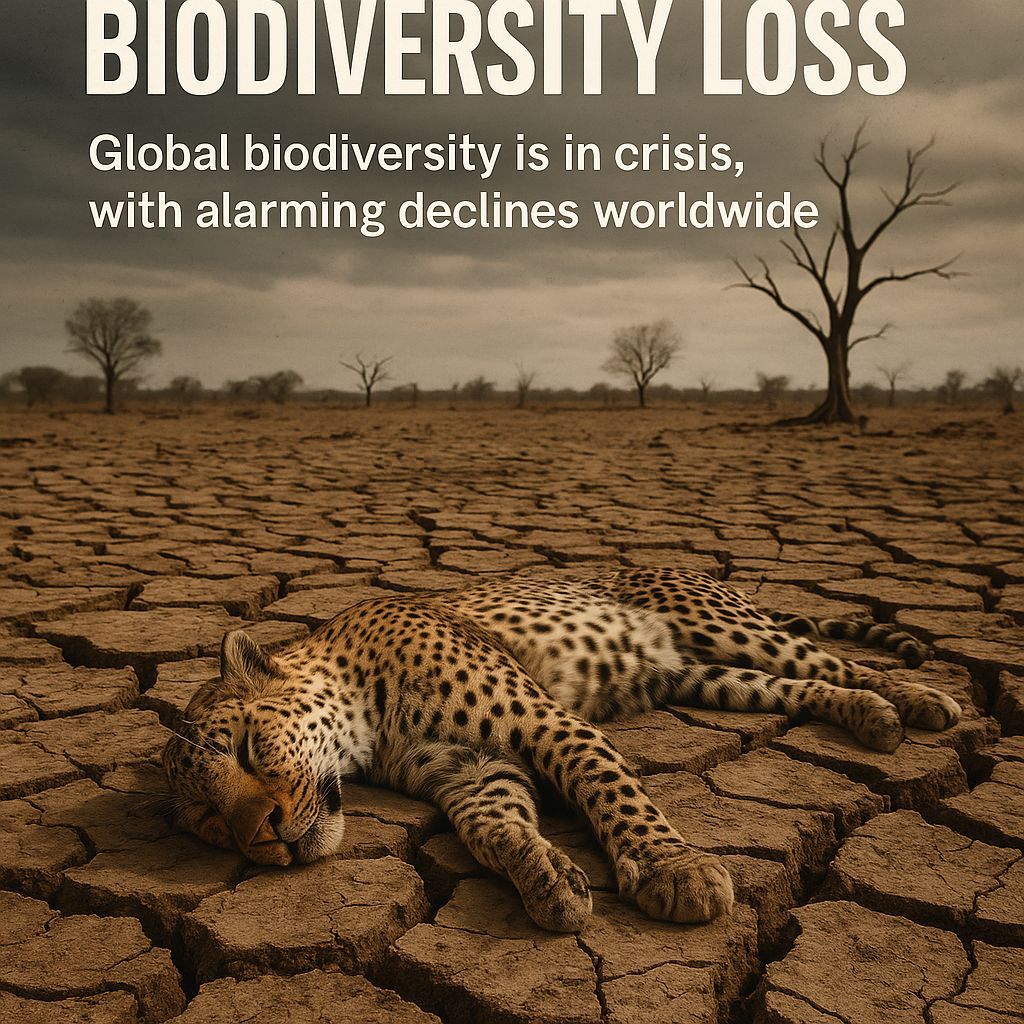
Loss of biodiversity reduces pollination services, leading to lower crop yields, and diminishes natural pest control, increasing reliance on synthetic pesticides. Coral reef degradation compromises coastal protection, while forest loss accelerates carbon emissions and destabilises regional climate.
Human Health and Social Impacts
Reduced ecosystem services can worsen food insecurity, especially in low‑income regions that depend on wild fisheries and forest products. Emerging zoonotic diseases are linked to wildlife habitat disruption, highlighting a direct health risk.
Economic and Infrastructure Impacts
The World Bank estimates that ecosystem degradation costs the global economy roughly $10 trillion per year in lost services (World Bank, 2021). Damage to flood‑prone wetlands increases infrastructure repair costs after extreme weather events.
Regional Differences
In tropical regions such as the Amazon basin, deforestation accounts for over 15 % of global forest loss, driven by cattle ranching and soy cultivation (FAO, 2022). In contrast, temperate Europe has seen a net gain in forest area due to reforestation incentives, yet faces fragmentation that limits species movement. Marine biodiversity threats are most acute in the Coral Triangle, where overfishing and coastal development have reduced fish biomass by an estimated 60 % since the 1970s (UNEP, 2020). These examples illustrate how drivers and impacts vary with climate, land‑use history, and governance capacity.
What Scientists Know With High Confidence
- Biodiversity underpins essential ecosystem services such as pollination, water purification, and climate regulation.
- Protected areas that are adequately funded and managed consistently reduce habitat loss and support species recovery.
- Habitat fragmentation exponentially increases extinction risk for many taxa.
- Climate change interacts with other stressors, accelerating biodiversity loss.
What Remains Uncertain
Key uncertainties include the precise thresholds at which ecosystem functions collapse, the long‑term effectiveness of assisted migration for climate‑adapted species, and the socio‑economic trade‑offs of large‑scale land‑restoration projects. Limited monitoring in many biodiversity‑rich regions hampers the ability to predict outcomes of specific interventions, making adaptive management essential.
Common Misconceptions
Misconception: “Planting trees alone can solve biodiversity loss.”
Reality: Tree planting improves carbon sequestration but does not replace the complex habitat structures needed by many species; native species selection and landscape connectivity are crucial.
Misconception: “Protected areas are always effective.”
Reality: Effectiveness depends on adequate enforcement, funding, and community support; poorly managed reserves can become “paper parks” with little real protection.
Misconception: “Biodiversity loss only affects exotic wildlife.”
Reality: Declines in pollinators, soil microbes, and freshwater fish directly impact food production, water quality, and human health worldwide.
Solutions and Limitations
Effective conservation blends prevention, restoration, and sustainable use. Protected areas provide a foundation, yet they require long‑term financing and governance. Habitat restoration can reverse degradation but may be limited by land‑availability, invasive species, and climate suitability. Species‑specific programs succeed when genetic diversity is maintained, but captive breeding can lead to inbreeding depression if not carefully managed. Community‑based approaches empower local stewardship, yet scaling up requires policy alignment and equitable benefit‑sharing. Technological tools—remote sensing, eDNA monitoring, and AI‑driven analytics—enhance detection of threats but depend on data infrastructure and skilled personnel.
What Individuals, Communities, and Governments Can Do
What Individuals Can Do
- Choose sustainably sourced products (e.g., certified timber, seafood with MSC label).
- Support organizations that fund protected area management.
- Reduce waste and limit consumption of single‑use plastics that pollute habitats.
What Communities and Organizations Can Do
- Develop community‑managed conservation zones that integrate traditional knowledge.
- Participate in citizen‑science monitoring programs to provide data for adaptive management.
- Implement agroforestry or regenerative agriculture practices that enhance on‑farm biodiversity.
What Governments Can Do
- Enact and enforce legislation aligned with the CBD’s post‑2020 biodiversity framework.
- Allocate at least 10 % of national budgets to protected‑area management, as recommended by the IUCN.
- Provide financial incentives for landowners to maintain native habitats through payments for ecosystem services.
- Invest in national biodiversity monitoring systems that integrate satellite data and ground surveys.
What Businesses and Industries Can Do
- Adopt zero‑deforestation supply chains and conduct biodiversity impact assessments.
- Incorporate natural‑capital accounting to quantify ecosystem dependencies.
- Support restoration projects that offset unavoidable impacts, ensuring they meet rigorous standards.
Closing Synthesis
Biodiversity conservation is a science‑driven effort to protect the web of life that secures food, water, climate stability, and cultural well‑being. Robust evidence shows that protected areas, habitat restoration, and community stewardship deliver tangible benefits, while uncertainties around ecological thresholds call for adaptive, data‑rich management. By aligning policy, finance, technology, and local action, societies can mitigate the drivers of loss and sustain the ecosystem services on which humanity depends.
Frequently Asked Questions
What is biodiversity conservation?
Biodiversity conservation is the practice of protecting the variety of life—genes, species, and ecosystems—through actions such as protected areas, habitat restoration, and species‑specific programs to maintain ecosystem services and human wellbeing.
How do protected areas help preserve biodiversity?
Protected areas limit destructive activities, maintain large connected habitats, and allow species to survive, migrate, and adapt. When well‑managed, they reduce habitat loss, support species recovery, and safeguard the ecosystem functions that people rely on.
Why is community involvement important in conservation?
Local and indigenous communities hold traditional knowledge and a direct stake in natural resources. Their participation improves management relevance, enhances enforcement, and creates stewardship incentives, leading to more durable conservation outcomes.
What are the main threats driving biodiversity loss?
The primary drivers are habitat loss from agriculture and urban growth, overexploitation of wildlife, pollution, invasive species, and the amplifying effects of climate change, all intensified by rising populations and weak governance.
What actions can individuals take to support biodiversity conservation?
Individuals can choose sustainably sourced products, support organizations that fund protected areas, reduce plastic waste, and adopt lifestyle choices that lower pressure on natural habitats, such as reducing meat consumption and conserving water.






Leave a Comment