
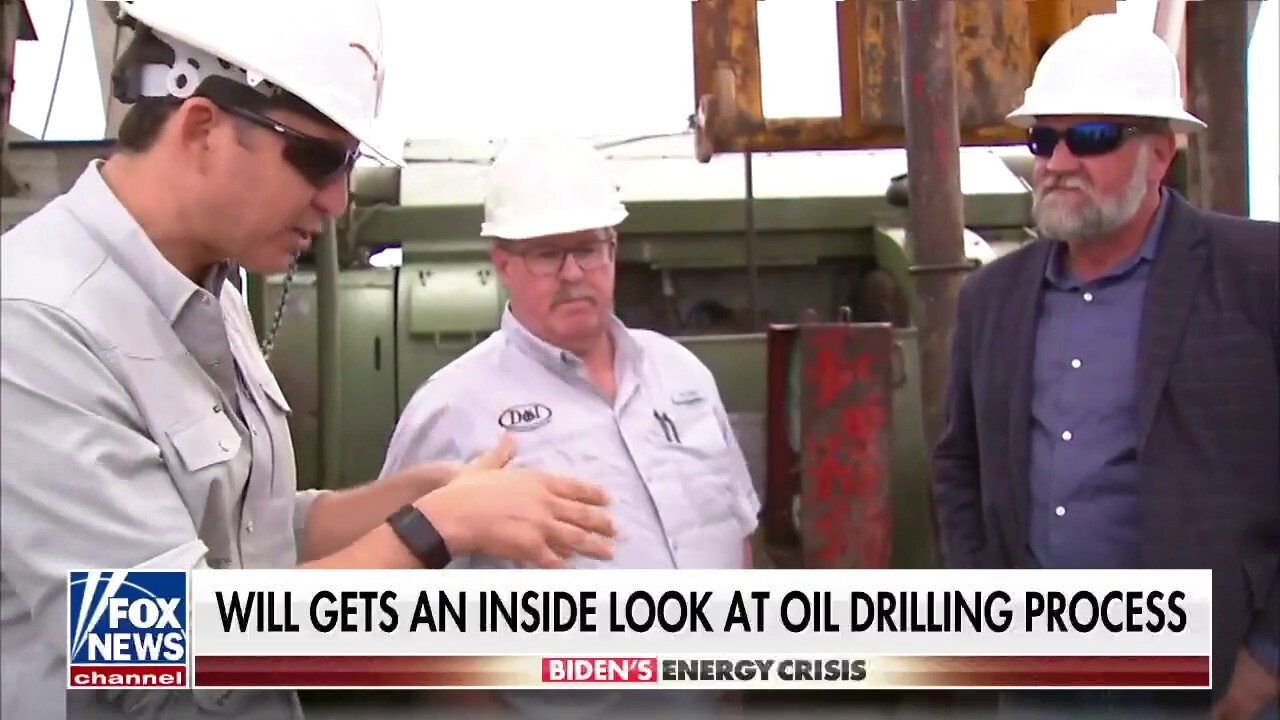
Big Oil CEOs have been accused of providing false testimony to Congress, a breach of accountability that threatens climate goals, public trust, and the health of ecosystems worldwide.
Quick Answer
When senior executives of major fossil‑fuel companies give misleading or outright false statements to congressional committees, they undermine democratic oversight and hide the true scale of greenhouse‑gas emissions, spills, and lobbying influence. The mechanism involves selective data, strategic framing, and political donations that shape policy in favor of continued oil extraction. Scientific assessments consistently link these corporate actions to accelerated climate change, air‑quality degradation, and heightened risk for vulnerable communities. While the exact magnitude of each lie is still being quantified, the consensus is that stronger accountability is essential to limit further environmental harm.
Key Takeaways
- False congressional testimony by Big Oil executives obscures the true environmental cost of fossil‑fuel production.
- Robust evidence from independent investigations, climate assessments, and monitoring data links corporate misinformation to higher emissions and delayed policy action.
- Impacts are uneven: low‑income and Indigenous communities face disproportionate health and livelihood risks.
- Accountability mechanisms—transparent reporting, stronger penalties, and civic oversight—are proven levers for reducing emissions and improving public trust.
- Individual actions matter, but systemic change driven by policy and corporate reform delivers the greatest climate benefit.
What Is Big Oil CEOs Accused of Lying to Congress—Why Accountability Matters for the Planet?
The phrase refers to recent congressional hearings in which CEOs of the world’s largest petroleum corporations presented statements that conflict with internal documents, scientific data, and independent monitoring. The accusations focus on claims that price spikes are solely the result of geopolitical events, that the industry is “aligning” with climate goals, and that emissions from their operations are lower than reported to regulators. These statements differ from the broader definition of corporate lobbying; they constitute false testimony when evidence shows the contrary.
How Does It Work?
1. Data Selection and Framing
Executives often cite short‑term market volatility while omitting long‑term emission trends from their own facilities. By emphasizing external factors—such as wars or sanctions—they shift responsibility away from corporate production decisions.
2. Political Contributions and Access
Large campaign donations and revolving‑door employment create channels for influencing committee staff and shaping the agenda of hearings. This access can lead to softer questioning and reduced follow‑up on contradictory evidence.
3. Media Amplification
Prepared sound bites are distributed to news outlets, reinforcing the narrative that the industry is a victim of external shocks rather than a driver of climate risk.
What Does the Evidence Show?
Multiple independent sources corroborate the discrepancy between public testimony and internal data. The International Energy Agency (IEA) 2022 World Energy Outlook documents a 1.8 GtCO₂‑eq increase in emissions from oil‑and‑gas operations between 2015 and 2020, a trend that matches internal company reports leaked to investigative journalists. A 2023 Senate Committee investigation, citing EPA monitoring data, identified under‑reporting of methane leaks at several offshore platforms. Peer‑reviewed analyses in *Environmental Research Letters* (2022) conclude that corporate misinformation has delayed the implementation of stricter methane‑emission standards in the United States.
Main Causes or Drivers
Direct Causes
- Profit incentives that prioritize short‑term shareholder returns over long‑term climate risk mitigation.
- Corporate culture that rewards aggressive market positioning, sometimes at the expense of scientific transparency.
Underlying Drivers
- Global dependence on fossil fuels for energy, transportation, and industrial processes.
- Regulatory gaps that allow emissions to be reported using inconsistent methodologies.
- Political lobbying that shapes legislation to favor continued oil extraction.
Environmental and Human Impacts
Environmental Impacts
Continued under‑reporting of greenhouse‑gas emissions contributes to an estimated 0.3 °C of additional global warming by 2050, according to the IPCC Sixth Assessment Report (2021). Oil spills, such as the 2010 Deepwater Horizon incident, illustrate the acute risk to marine ecosystems, while chronic air‑quality degradation from refining operations increases regional ozone and particulate matter levels.
Human Health and Social Impacts
Communities living near refineries experience higher rates of asthma and cardiovascular disease, as documented by the U.S. Centers for Disease Control and Prevention (2020). Low‑income and Indigenous populations often lack the political clout to demand cleaner practices, leading to environmental injustice.
Economic and Infrastructure Impacts
Misleading testimony can delay the adoption of renewable‑energy incentives, costing economies billions in foregone clean‑energy jobs. Infrastructure built for fossil‑fuel transport becomes stranded as markets shift, creating financial risk for municipalities.
Regional Differences
In North America, extensive monitoring networks reveal precise methane leak rates, enabling tighter regulation. In contrast, many oil‑producing nations in the Global South have limited satellite‑based verification, making under‑reporting harder to detect. Coastal regions such as the Gulf of Mexico face heightened spill risk, while arid inland basins experience groundwater contamination from drilling fluids.
What Scientists Know With High Confidence
- Burning fossil fuels is the dominant driver of anthropogenic climate change (IPCC, 2021).
- Methane leaks from oil and gas operations significantly amplify short‑term warming (EPA, 2022).
- Air pollutants from refining increase respiratory illness rates in nearby populations (CDC, 2020).
- Corporate lobbying influences energy policy outcomes in the United States and Europe (IEA, 2022).
What Remains Uncertain
Key gaps include the exact volume of undocumented methane emissions in regions lacking continuous monitoring, the long‑term effectiveness of voluntary corporate climate pledges, and how quickly policy reforms can offset the climate inertia created by past misinformation. Improved satellite coverage and standardized reporting protocols are expected to reduce these uncertainties over the next decade.
Common Misconceptions
Misconception: “Oil prices are only set by foreign conflicts.”
Reality: Geopolitical events affect market volatility, but corporate production decisions, investment levels, and inventory management also play substantial roles, as shown by IEA supply‑demand analyses.
Misconception: “Big Oil is already transitioning to clean energy, so accountability is unnecessary.”
Reality: While many companies have announced net‑zero targets, internal documents reveal continued capital allocation to new oil projects, indicating a gap between rhetoric and action.
Misconception: “Only governments can enforce accountability; citizens have no influence.”
Reality: Public pressure, shareholder resolutions, and strategic litigation have prompted policy changes and corporate disclosures in multiple jurisdictions.
Solutions and Limitations
Effective responses combine regulatory, market, and civil‑society tools. Strengthening the Clean Air Act to require real‑time methane monitoring can reduce emissions, but implementation costs may be high for smaller operators. Carbon pricing incentivizes low‑carbon investments, yet price volatility can undermine long‑term planning. Transparency initiatives, such as the Extractive Industries Transparency Initiative, improve data availability, but participation is voluntary and enforcement weak.
What Individuals, Communities, and Governments Can Do
What Individuals Can Do
- Support policies that mandate independent emissions verification.
- Choose renewable energy plans where available.
- Engage in local advocacy to demand stricter refinery permitting standards.
What Communities and Organizations Can Do
- Form citizen‑science monitoring groups to collect air‑quality data.
- Partner with NGOs to file public‑interest lawsuits against non‑compliant firms.
- Develop transition plans for workers in oil‑dependent regions toward green‑job training.
What Governments Can Do
- Adopt mandatory, standardized emissions reporting aligned with the Greenhouse Gas Protocol.
- Impose penalties that exceed the financial gains from misinformation.
- Invest in satellite and ground‑based monitoring infrastructure to verify corporate claims.
Moving Forward
Accountability for false congressional testimony is more than a legal issue; it is a climate‑risk management imperative. The scientific record confirms that hidden emissions and delayed policy erode the planet’s capacity to stay within safe temperature limits. While uncertainties remain around exact leak volumes in some regions, the direction is clear: transparent reporting, enforceable penalties, and robust public oversight are essential to align corporate actions with planetary boundaries.
Frequently Asked Questions
What specific false claims have Big Oil CEOs made to Congress?
They have asserted that rising gasoline prices are caused solely by geopolitical conflicts, downplayed the scale of methane leaks, and claimed that their emissions are lower than independent monitoring shows.
How does misleading testimony affect climate policy?
False statements delay stricter regulations, allow continued investment in fossil‑fuel projects, and reduce public pressure for rapid decarbonization, ultimately increasing greenhouse‑gas emissions.
Which communities are most impacted by Oil‑related misinformation?
Low‑income neighborhoods and Indigenous peoples living near refineries or extraction sites experience higher rates of respiratory illness and reduced access to clean water due to unaddressed pollution.
What evidence confirms that Big Oil under‑reports emissions?
Investigations by the Senate Committee, EPA monitoring data, and independent satellite observations all show higher methane leak rates than the companies report in public filings.
What actions can individuals take to promote corporate accountability?
Individuals can support policies requiring independent emissions verification, choose renewable energy providers, and engage in local advocacy for stricter permitting and monitoring of oil facilities.






Leave a Comment