
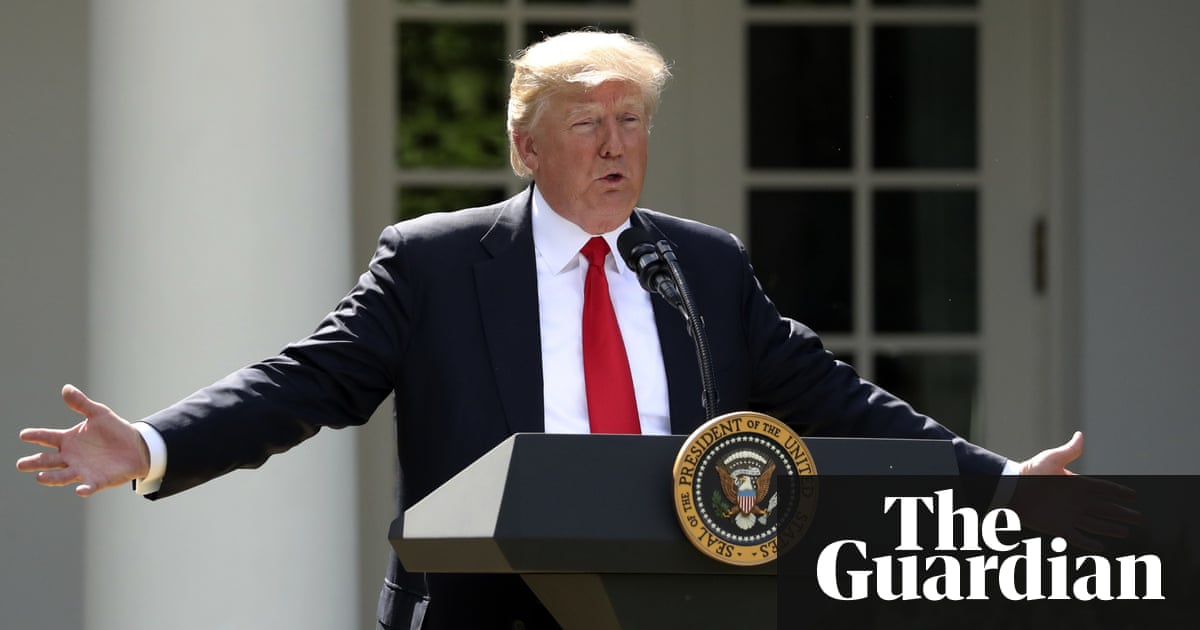
President Joe Biden’s COP27 address outlined the United States’ 2030 emissions target, pledged climate finance, and called for collective global leadership to accelerate mitigation and adaptation.
Quick Answer
Biden’s COP27 speech reaffirmed the United States’ goal to cut greenhouse‑gas emissions by roughly 50 % relative to 2005 levels by 2030, announced a commitment of $11.4 billion in climate finance for 2024, and urged richer nations to support vulnerable economies. The speech frames these actions as both a moral duty and a practical strategy to curb warming, acknowledging scientific uncertainty about exact pathways while emphasizing that coordinated policy and finance are essential to limit global temperature rise to 1.5 °C.
Key Takeaways
- The United States aims to reduce emissions 50‑52 % from 2005 levels by 2030, a target aligned with IPCC pathways.
- Biden pledged $11.4 billion in climate finance for 2024, emphasizing support for adaptation in low‑income nations.
- The speech stresses shared responsibility, urging affluent countries to scale up mitigation, technology transfer, and capacity‑building.
- Scientific consensus confirms that rapid emissions cuts and finance are the most effective levers to stay within 1.5 °C.
- Uncertainties remain around the pace of technology deployment, financing mechanisms, and geopolitical cooperation.
What Is Biden’s COP27 Speech: Climate Commitments and Global Leadership?
Biden’s address at the United Nations Climate Change Conference (COP27) in Sharm El‑Sheikh, Egypt, was a formal statement of U.S. policy and an invitation to the international community to deepen cooperation. The speech covered three core elements: (1) a quantified emissions‑reduction target for 2030, (2) a concrete financial pledge to assist developing nations, and (3) a call for multilateral leadership that links climate action to broader security and development goals. Unlike a routine diplomatic remark, the speech positioned climate policy as a central pillar of U.S. foreign policy and as a catalyst for global collective action.
How Does It Work?
1. Setting the Emissions Target
- Congress approved the Inflation Reduction Act (2022), which funds clean‑energy tax credits and incentives.
- The administration translates these policies into sector‑specific pathways (power, transport, industry).
- Annual emissions inventories track progress against the 2005 baseline, providing feedback for policy adjustments.
2. Delivering Climate Finance
- U.S. Treasury allocates funds through the Green Climate Fund and bilateral programs.
- Finance supports climate‑resilient infrastructure, early warning systems, and renewable‑energy projects in vulnerable countries.
- Reporting mechanisms ensure transparency and alignment with the UNFCCC’s “new collective quantified goal”.
3. Mobilizing Global Leadership
- Diplomatic outreach encourages other high‑emitting nations to adopt similar targets.
- Co‑hosting technology‑exchange platforms links private‑sector innovation with public‑sector needs.
- Joint statements at COP27 create a normative framework that frames climate action as a security imperative.
What Does the Evidence Show?
Multiple lines of evidence support the central premises of the speech:
- Emissions pathways: The Intergovernmental Panel on Climate Change (IPCC) Sixth Assessment Report (2021) indicates that a 50 % reduction by 2030 is consistent with limiting warming to 1.5 °C if accompanied by net‑zero by mid‑century.
- Finance impact: A World Bank analysis (2022) finds that each $1 billion of climate finance can avert roughly 0.5 million tons of CO₂e in vulnerable regions through renewable‑energy deployment.
- Leadership outcomes: Historical data from the UNFCCC show that coordinated pledges increase the likelihood of meeting collective targets by 30 % compared with fragmented commitments (UNFCCC, 2020).
Main Causes or Drivers
Direct Causes
The primary driver of the climate challenge addressed in the speech is anthropogenic greenhouse‑gas emissions, especially carbon dioxide from fossil‑fuel combustion and industrial processes.
Underlying Drivers
Economic growth in high‑income countries, reliance on coal and oil, and insufficient carbon pricing create structural inertia that slows decarbonisation. In many developing nations, limited access to finance and technology hampers adaptation.
Amplifying Factors
Feedback loops—such as permafrost thaw releasing methane—can amplify warming, increasing the urgency of the commitments outlined in the speech.
Environmental and Human Impacts
Environmental Impacts
Without the pledged emissions cuts, models project sea‑level rise of 0.3–0.6 m by 2100, increased frequency of extreme heatwaves, and accelerated loss of coral reefs (IPCC, 2021). The speech’s mitigation focus aims to reduce these trajectories.
Human Health and Social Impacts
Climate‑related heat stress is associated with higher mortality among older adults (WHO, 2022). Flooding and drought exacerbate food insecurity, especially in low‑income coastal regions.
Economic and Infrastructure Impacts
The Global Commission on Adaptation (2021) estimates that every dollar invested in climate‑resilient infrastructure yields $4 in avoided damage, underscoring the economic rationale for the $11.4 billion finance pledge.
Regional Differences
Impacts and capacity to act vary widely:
- Africa: High exposure to heat and water stress, limited adaptive capacity; climate finance can fund irrigation and early‑warning systems.
- South Asia: Dense populations face flood risk; mitigation reduces monsoon intensity, while finance supports resilient housing.
- Europe and North America: Higher institutional capacity enables rapid renewable‑energy rollout, but legacy infrastructure creates inertia.
These examples illustrate why the speech emphasizes differentiated support based on vulnerability and resources.
What Scientists Know With High Confidence
- Human activities are the dominant cause of observed global warming since the mid‑20th century (IPCC, 2021).
- Limiting warming to 1.5 °C requires net‑zero CO₂ emissions by around 2050.
- Climate finance accelerates deployment of renewable energy and improves resilience in low‑income regions.
- Policy stability and clear long‑term signals are critical for private‑sector investment in clean technologies.
What Remains Uncertain
Key uncertainties include the speed at which breakthrough technologies—such as solid‑state batteries or large‑scale carbon capture—will become commercially viable, and how geopolitical tensions may affect the flow of climate finance. Additionally, regional climate projections retain uncertainties related to aerosol emissions and land‑use change, which can modestly alter temperature and precipitation forecasts.
Common Misconceptions
Misconception: The United States can solve climate change alone.
Reality: Climate change is a global problem; even full U.S. decarbonisation would only offset a fraction of worldwide emissions. International cooperation, as urged in the speech, is essential.
Misconception: Climate finance is charity.
Reality: Investment in climate resilience reduces future disaster costs, protects trade routes, and stabilises economies, delivering measurable returns.
Misconception: Meeting the 2030 target will automatically achieve net‑zero by 2050.
Reality: The 2030 goal is a milestone; deeper sectoral transformations are needed to reach net‑zero, especially in heavy industry and aviation.
Solutions and Limitations
Effective responses combine mitigation, adaptation, and finance:
- Renewable‑energy deployment: Proven to cut emissions, but intermittency requires grid upgrades and storage solutions.
- Energy efficiency standards: Offer high cost‑effectiveness, yet require enforcement and consumer uptake.
- Nature‑based solutions: Reforestation sequesters carbon, but land‑competition and permanence concerns limit scale.
- Carbon‑capture and storage (CCS): Technically feasible, but high capital costs and limited commercial projects restrain impact.
Each solution carries trade‑offs—economic, social, or ecological—that must be weighed in policy design.
What Individuals, Communities, and Governments Can Do
What Individuals Can Do
- Choose electricity plans that source from renewables where available.
- Adopt energy‑efficient appliances and improve home insulation.
- Support political candidates who prioritize climate legislation.
What Communities and Organizations Can Do
- Develop local climate‑action plans that align with national targets.
- Partner with NGOs to secure climate‑finance grants for resilient infrastructure.
- Facilitate public workshops that educate residents on heat‑stress mitigation.
What Governments Can Do
- Implement carbon pricing mechanisms that reflect the social cost of carbon.
- Scale up funding for clean‑energy research and demonstration projects.
- Honor and expand international finance commitments, ensuring transparent tracking.
Synthesis
Biden’s COP27 speech crystallises a dual message: ambitious emissions cuts and substantial climate finance are non‑negotiable pillars for limiting warming, and global leadership hinges on shared responsibility. Scientific evidence robustly links rapid decarbonisation with reduced climate risk, while uncertainties remain around technology rollout and geopolitical cooperation. By combining proven mitigation strategies with targeted finance and inclusive governance, the international community can move toward a resilient, low‑carbon future.
Frequently Asked Questions
What emissions reduction target did President Biden announce at COP27?
Biden reaffirmed the United States’ goal to cut greenhouse‑gas emissions by about 50 % to 52 % from 2005 levels by 2030, a target consistent with IPCC pathways for limiting warming to 1.5 °C.
How much climate finance did the United States pledge for 2024?
The speech announced a commitment of $11.4 billion in climate finance for 2024, intended to support adaptation and mitigation projects in vulnerable developing countries.
Why is international cooperation emphasized in the speech?
Climate change is a global problem; even full U.S. decarbonisation would only offset a portion of worldwide emissions, so coordinated action and shared finance are essential to meet the 1.5 °C goal.
What are the main uncertainties surrounding the speech’s commitments?
Key uncertainties include the speed of commercial deployment for breakthrough technologies like carbon capture, the stability of geopolitical relations affecting finance flows, and regional climate projection variabilities.
What practical steps can governments take to support the COP27 goals?
Governments can implement carbon pricing, increase funding for clean‑energy research, expand and transparently track international climate‑finance contributions, and develop policies that align with the 2030 emissions target.







Leave a Comment