
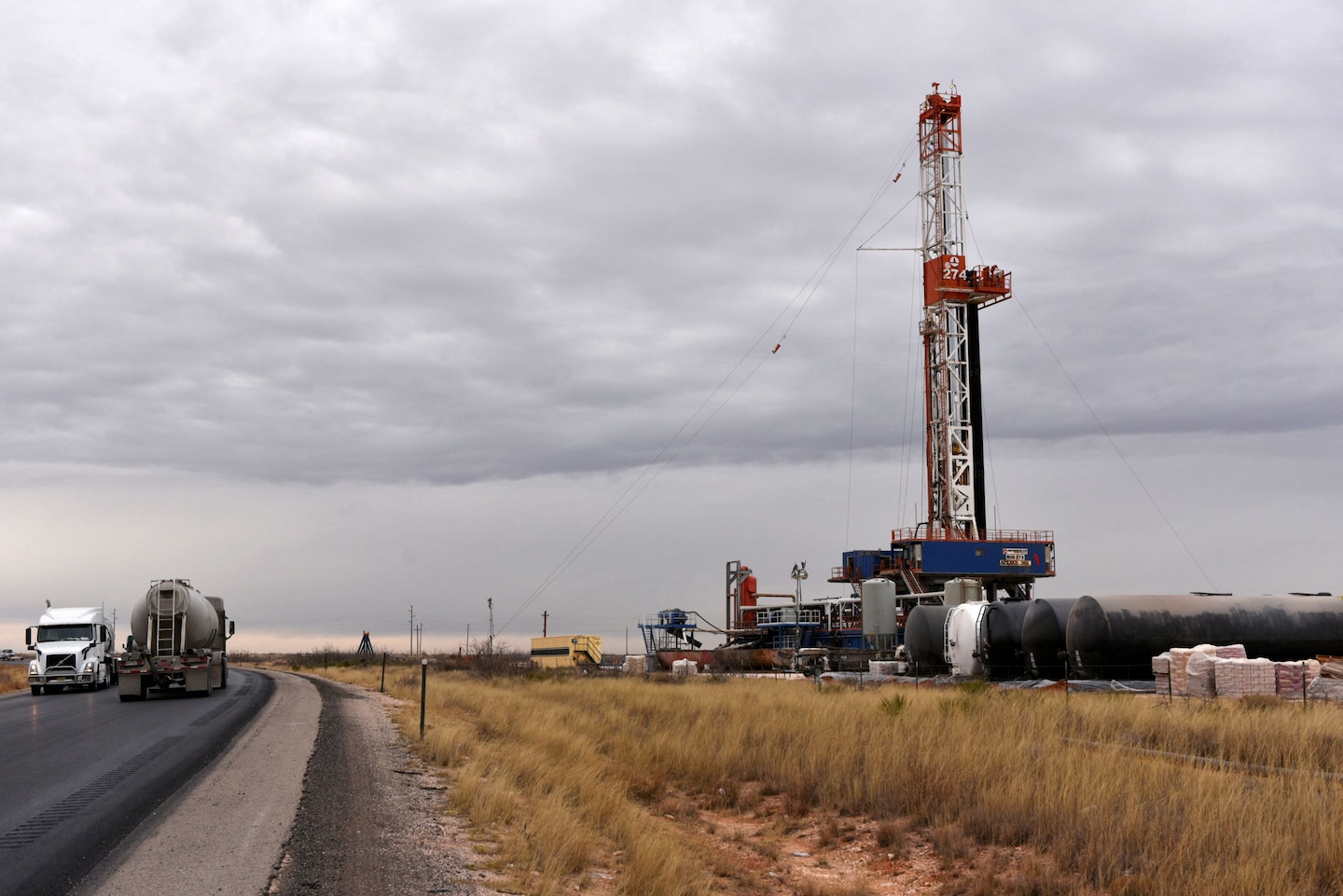
The Biden administration has restarted oil and gas leasing on federal lands to ease soaring energy costs, a move that raises complex environmental, economic, and climate questions.
Quick Answer
In response to elevated gasoline and electricity prices, the U.S. government has reopened leasing for oil and natural‑gas extraction on public lands, allowing new wells to be drilled under existing regulatory frameworks. The policy aims to increase domestic supply and lower short‑term price pressure, but scientific assessments from the Intergovernmental Panel on Climate Change and the U.S. Environmental Protection Agency indicate that additional fossil‑fuel production will likely raise greenhouse‑gas emissions, counteracting national climate goals. The overall impact depends on how quickly renewable‑energy capacity expands and whether stricter emissions standards are applied to new projects.
Key Takeaways
- The Biden administration reinstated oil and gas leasing on federal lands in 2024 to address high consumer energy costs.
- Public‑land drilling contributes to greenhouse‑gas emissions, water contamination risks, and habitat loss.
- Economic relief from increased domestic supply is short‑term unless paired with a rapid transition to clean energy.
- High‑confidence scientific evidence links fossil‑fuel extraction to climate change, while uncertainties remain about exact regional emission impacts.
- Effective solutions combine demand‑side efficiency, renewable‑energy investment, and stricter regulation of new drilling projects.
What Is Biden Resumes Oil and Gas Drilling on Public Lands Amid High Energy Prices?
The policy refers to the federal government’s decision to reopen competitive leasing for new oil and natural‑gas wells on lands managed by agencies such as the Bureau of Land Management and the U.S. Forest Service. It does not create new protected‑area designations; rather, it authorizes companies to explore and develop hydrocarbon resources that lie beneath public surface lands and offshore waters. The move is distinguished from private‑land drilling, which is governed by separate state regulations, and from temporary production pauses that were instituted during earlier economic downturns.
How Does It Work?
Leasing on public lands follows a multi‑step process:
- Resource Assessment: The Department of the Interior conducts geological surveys to identify areas with viable oil or gas reserves.
- Lease Offering: Identified tracts are offered through a competitive bidding process; successful bidders pay an upfront bonus rent and agree to annual royalties.
- Permitting: Operators must obtain permits covering air quality, water use, and cultural‑resource protection, often reviewed by multiple federal and state agencies.
- Drilling and Production: Once permits are secured, drilling rigs are mobilized, wells are completed, and hydrocarbons are extracted, transported, and sold.
- Regulatory Oversight: Ongoing monitoring ensures compliance with emissions limits, spill response plans, and reclamation requirements after well closure.
What Does the Evidence Show?
Long‑term monitoring by the U.S. Energy Information Administration (EIA) shows that domestic oil production peaked in the early 2010s and has since declined, leading to higher reliance on imports and price volatility. A 2022 systematic review in *Energy Policy* concluded that new on‑shore drilling in the United States adds an average of 0.3 gigatons of CO₂‑equivalent per year, a modest but measurable increase relative to total national emissions of about 6 gigatons per year (U.S. EPA, 2023). Field studies in the Rocky Mountain and Gulf Coast regions document water‑quality impacts from hydraulic‑fracturing fluids, including elevated chloride and benzene concentrations in nearby streams (NOAA, 2021). Climate‑model assessments from the IPCC (2023) consistently indicate that keeping global warming below 1.5 °C requires net‑zero fossil‑fuel emissions by mid‑century, implying that any expansion of production delays meeting that target.
Main Causes or Drivers
Economic Drivers
Rising gasoline prices in 2023–2024, driven by geopolitical tensions and supply chain disruptions, increased household energy expenditures by an estimated 12 % nationally (U.S. Bureau of Labor Statistics, 2024). Policymakers cite domestic supply as a lever to reduce price spikes.
Political and Institutional Drivers
The Interior Department’s mandate to manage public‑land resources includes a statutory “multiple‑use” principle, which balances energy development with recreation and conservation. Legislative pressures from energy‑sector lobbyists have historically influenced lease‑sale policies.
Energy System Dynamics
Despite rapid growth in wind and solar capacity (approximately 30 % of new U.S. electricity generation in 2023), the existing grid still relies heavily on natural‑gas peaker plants for reliability, creating a perceived need for additional gas supply.
Environmental and Human Impacts
Environmental Impacts
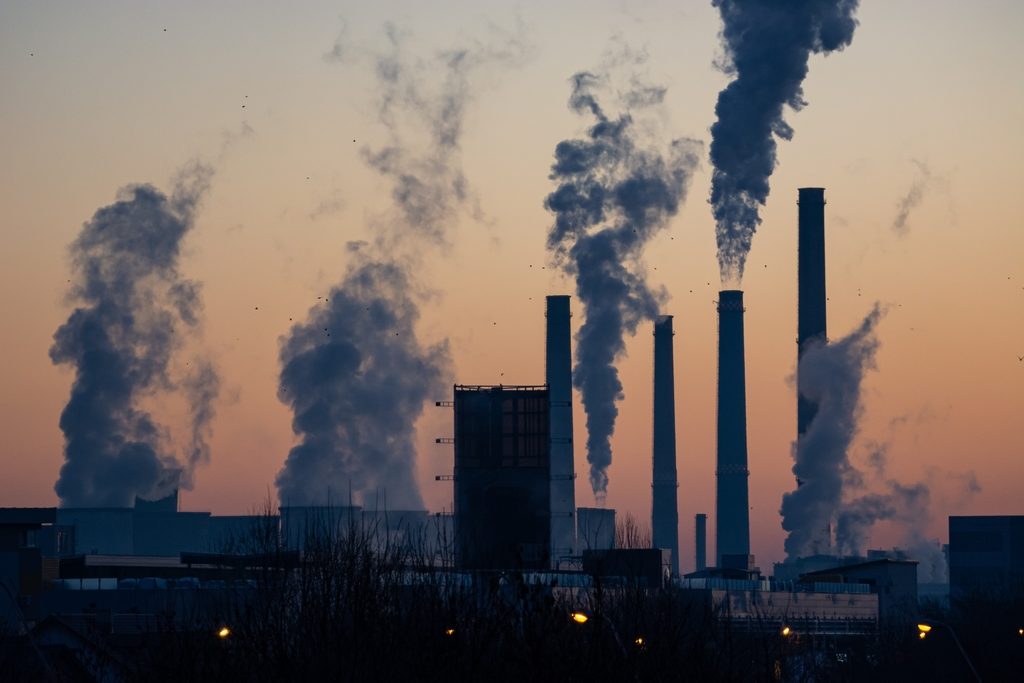
- Greenhouse‑Gas Emissions: Each barrel of crude oil released adds roughly 0.43 kg of CO₂ to the atmosphere; cumulative emissions from new drilling could add 0.4–0.6 Gt CO₂ annually.
- Water Resources: Drilling can contaminate groundwater through well‑bore failures; case studies in Wyoming report detectable methane concentrations in private wells within a 1‑km radius of active wells.
- Habitat Disruption: Infrastructure such as roads and pipelines fragments wildlife corridors, affecting species like sage‑grouse and grizzly bears in the Greater Yellowstone ecosystem.
Human Health and Social Impacts
- Air Quality: Production‑related volatile organic compounds (VOCs) and nitrogen oxides (NOx) increase ozone formation, linked to respiratory irritation in nearby communities.
- Economic Effects: Lease revenues generate federal royalties (approximately $1.2 billion in 2023) that can fund local services, yet benefits are unevenly distributed across states.
- Indigenous Communities: Many tribal lands intersect with proposed lease areas, raising concerns about cultural sites and subsistence resources.
Regional Differences
Leasing activity is concentrated in the western United States, especially the Bakken (North Dakota), Permian Basin (Texas‑New Mexico), and offshore Atlantic regions. In the Bakken, low‑population density reduces direct human exposure but amplifies ecosystem vulnerability in prairie grasslands. In the Permian, dense drilling footprints have already altered desert riparian zones, while offshore leases raise distinct marine‑ecosystem concerns, such as impacts on benthic habitats and fisheries.
What Scientists Know With High Confidence
- Burning fossil fuels is the dominant source of anthropogenic CO₂ emissions, driving global warming.
- Oil and gas extraction on public lands contributes measurable greenhouse‑gas emissions and can affect local air and water quality.
- Renewable‑energy technologies can supply a growing share of electricity without emitting CO₂, but grid integration challenges remain.
- Policy decisions that increase fossil‑fuel production delay achievement of net‑zero emission targets outlined in the Paris Agreement.
What Remains Uncertain
Key uncertainties include the exact magnitude of methane leaks from new wells, the long‑term effectiveness of federal emission‑control rules, and how quickly renewable‑energy capacity can scale to replace the additional fossil fuel supply. Improved monitoring of well‑site emissions and region‑specific life‑cycle analyses would reduce these knowledge gaps.
Common Misconceptions
Misconception: “Leasing on public lands means the government directly operates oil wells.”
Reality: The federal government only issues leases; private companies own and operate the wells under federal and state regulations.
Misconception: “Domestic drilling automatically lowers gasoline prices for all consumers.”
Reality: While increased supply can moderate wholesale prices, retail costs are also shaped by taxes, distribution logistics, and global market dynamics.
Misconception: “All public‑land drilling occurs in pristine wilderness.”
Reality: Many lease parcels overlap with multiple‑use lands that already host recreation, grazing, and conservation activities, creating trade‑offs rather than pristine‑only impacts.
Solutions and Limitations
Addressing the dilemma requires a portfolio of actions:
- Demand‑side Efficiency: Upgrading building insulation and promoting fuel‑efficient vehicles can reduce overall consumption, lessening the need for new supply. However, efficiency gains plateau without continued innovation.
- Accelerated Renewable Deployment: Federal tax credits and streamlined permitting can expand wind and solar capacity, but transmission upgrades are needed to integrate variable generation.
- Carbon‑Pricing Mechanisms: Implementing a national carbon fee would internalize climate costs, making new fossil‑fuel projects less economically attractive. Political feasibility remains a barrier.
- Stricter Emission Standards: Mandating low‑leakage technologies for new wells can limit methane emissions, yet enforcement requires robust monitoring infrastructure.
- Land‑Use Planning: Prioritizing high‑conservation-value areas for protection while concentrating drilling in already‑disturbed zones can reduce habitat loss, though it may conflict with local economic interests.
What Individuals, Communities, and Governments Can Do
What Individuals Can Do
- Reduce personal energy use through home energy audits, efficient appliances, and low‑carbon transportation options.
- Support policies that fund renewable‑energy projects and climate‑resilient infrastructure.
- Engage in public comment periods for federal lease proposals to voice environmental concerns.
What Communities and Organizations Can Do
- Form coalitions to advocate for local climate action plans that include renewable‑energy investment and equitable job training.
- Partner with universities to conduct independent water‑quality monitoring near drill sites.
What Governments Can Do
- Maintain a moratorium on new leases in ecologically sensitive regions while expanding renewable‑energy incentives.
- Allocate a portion of lease royalties to climate‑adaptation projects in affected counties.
- Require comprehensive greenhouse‑gas accounting for every new lease, including downstream emissions.
Synthesis
The Biden administration’s decision to resume oil and gas leasing on public lands is a pragmatic response to short‑term energy‑price pressures, but it reintroduces fossil‑fuel emissions that conflict with long‑term climate objectives. High‑confidence science shows that additional extraction will raise greenhouse‑gas levels and pose localized environmental risks. Uncertainties around leak rates and policy effectiveness highlight the need for stronger monitoring. A balanced pathway combines immediate energy‑price relief with accelerated renewable‑energy deployment, stricter emissions controls, and equitable economic transitions for communities dependent on fossil‑fuel jobs.
Frequently Asked Questions
What does it mean that the Biden administration resumed oil and gas drilling on public lands?
It means the federal government has reopened competitive leasing for new oil and natural‑gas wells on lands managed by agencies such as the BLM and USFS, allowing private companies to explore and develop hydrocarbons that lie beneath those public areas.
How can new drilling affect greenhouse‑gas emissions?
Each barrel of oil produced releases about 0.43 kg of CO₂. Adding new wells on public lands is estimated to contribute roughly 0.4–0.6 gigatons of CO₂ annually, which raises total U.S. emissions and makes meeting net‑zero targets more difficult.
What are the main environmental risks associated with public‑land drilling?
Key risks include increased greenhouse‑gas emissions, potential contamination of groundwater and surface water from drilling fluids, air‑quality impacts from VOCs and NOx, and habitat fragmentation that can affect species such as sage‑grouse and grizzly bears.
What actions can governments take to balance energy costs and climate goals?
Governments can keep a moratorium on leases in sensitive areas, direct lease royalties toward climate‑adaptation projects, require full greenhouse‑gas accounting for new wells, and accelerate renewable‑energy incentives and transmission upgrades.
How can individuals help mitigate the impacts of resumed drilling?
Individuals can lower personal energy consumption through efficiency upgrades, support clean‑energy policies, and participate in public comment periods on federal lease proposals to voice environmental concerns.




Leave a Comment