

Green consumption, such as thrifting, can reduce waste but often diverts attention from the larger, systemic failures in production and policy that drive climate change.
Quick Answer
Beyond thrifting refers to the broader phenomenon where individual‑level green purchasing—second‑hand clothing, reusable products, low‑carbon gadgets—creates the impression of personal climate action while the underlying industrial and policy structures that generate the majority of emissions remain unchanged. The mechanism is twofold: (1) it lowers demand for a small fraction of new goods, and (2) it can foster a sense of solved responsibility, reducing pressure for systemic reforms. High‑confidence evidence shows that most global greenhouse‑gas emissions stem from production and energy systems, not consumer reuse alone. Consequently, green consumption mitigates a limited share of total emissions and must be paired with policy‑level change.
Key Takeaways
- Thrifting cuts waste but accounts for a modest share of total emissions.
- Systemic drivers—energy production, material extraction, and supply‑chain logistics— dominate climate impact.
- Individual green choices can unintentionally sustain a “green consumer” narrative that delays policy action.
- Evidence‑based solutions require regulation, circular‑economy incentives, and equitable labor standards.
- Effective action combines personal reduction with collective advocacy for systemic reform.
What Is Beyond Thrifting: How Green Consumption Masks Systemic Climate Failure?
Beyond thrifting is a conceptual lens that examines how seemingly sustainable consumer behaviors—buying second‑hand, using reusable items, or selecting low‑carbon products—can obscure the larger structural problems embedded in global production, distribution, and energy systems. It differs from simple “green consumption” by emphasizing the mismatch between personal actions and the scale of emissions generated upstream in manufacturing, transportation, and resource extraction.
How Does It Work?
Step 1: Reducing Direct Demand
When a consumer purchases a used garment instead of a new one, the immediate demand for fresh textile production falls. Life‑cycle assessments (LCAs) show that a second‑hand cotton shirt can emit up to 70% less CO₂ than a newly manufactured equivalent (Ellen MacArthur Foundation, 2020).
Step 2: Shifting Emissions Elsewhere
However, the overall supply chain continues to operate at high capacity. Manufacturers maintain production lines to meet global demand, often offsetting small demand reductions with increased marketing or lower prices that attract new buyers.
Step 3: Reinforcing the Green Consumer Narrative
Repeated personal actions create a perception that climate mitigation is achievable through lifestyle choices alone. Social‑psychological research indicates that this “moral licensing” effect can reduce public support for stricter regulations (Behavioural Insights Team, 2021).
Step 4: Maintaining Structural Emissions
Because the majority of emissions arise from energy‑intensive processes—steel production, cement manufacturing, and fossil‑fuel power—individual reuse represents a marginal slice of the total carbon budget. The Intergovernmental Panel on Climate Change (IPCC) 2022 assessment attributes roughly 71% of global CO₂ emissions to energy supply and industrial processes.
What Does the Evidence Show?
Multiple lines of evidence converge on the limited climate benefit of isolated green consumption:
- Long‑term monitoring by national statistical agencies shows that per‑capita waste generation in high‑income countries has plateaued despite rising reuse rates, indicating a decoupling of waste reduction from overall consumption.
- Systematic reviews of textile LCAs (e.g., UNEP 2021) find that reuse reduces emissions only when the product’s use‑phase is extended by at least 50% and when transportation emissions remain low.
- Model simulations in integrated assessment models (IAMs) demonstrate that achieving the Paris Agreement goals requires a 40‑50% reduction in industrial emissions by 2030, far exceeding the impact of consumer‑level reuse alone.
Main Causes or Drivers
Direct Causes
- Continued reliance on fossil‑fuel‑based energy for manufacturing.
- Linear “take‑make‑dispose” business models that prioritize volume over durability.
Underlying Drivers
- Globalized supply chains that minimize production costs at the expense of higher transport emissions.
- Policy environments that subsidize raw material extraction and low‑cost labor without internalizing environmental costs.
- Consumer culture that equates novelty with status, driving frequent turnover of goods.
Environmental and Human Impacts
Environmental Impacts
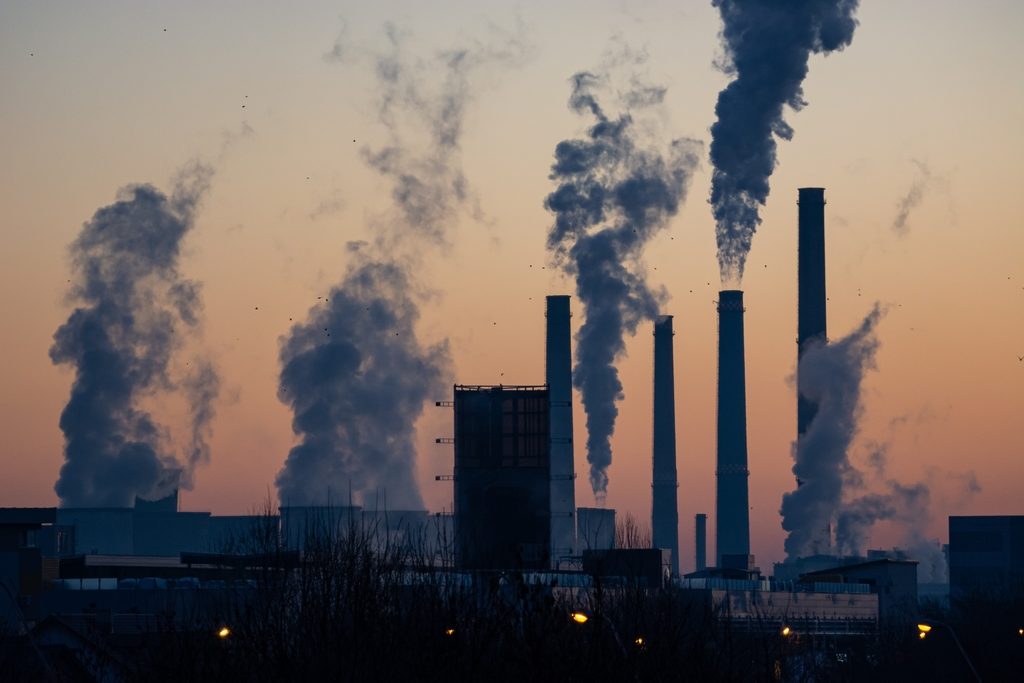
Industrial emissions from steel, cement, and chemicals dominate climate forcing. For example, cement production contributed 7% of global CO₂ emissions in 2020 (IEA, 2021). Waste leakage from fast‑fashion also contaminates waterways with microfibers, affecting marine ecosystems.
Human Health and Social Impacts
Communities near extraction sites experience air‑quality degradation and heightened respiratory illness rates (WHO, 2022). Moreover, low‑wage workers in textile factories often face unsafe conditions, linking green consumer narratives to social injustice.
Regional Differences
High‑income regions such as North America and Western Europe generate the largest per‑capita emissions from manufacturing, while emerging economies in Asia bear the brunt of raw‑material extraction and processing emissions. In sub‑Saharan Africa, limited access to formal recycling infrastructure means that second‑hand clothing can displace local textile production, affecting livelihoods.
What Scientists Know With High Confidence
- Energy production and industrial processes are the primary sources of global greenhouse‑gas emissions.
- Life‑cycle assessments consistently show that reuse reduces emissions only when it significantly extends product lifespan.
- Policy interventions—carbon pricing, efficiency standards, and circular‑economy incentives—are required to achieve net‑zero pathways.
What Remains Uncertain
Key uncertainties include the future elasticity of consumer demand in response to price signals, the scalability of low‑carbon material innovations (e.g., bio‑based polymers), and the long‑term effectiveness of voluntary corporate sustainability pledges without regulatory enforcement.
Common Misconceptions
Misconception: Buying second‑hand eliminates my carbon footprint.
Reality: Reuse reduces the emissions associated with a single item, but the majority of an individual’s carbon footprint stems from energy use, travel, and food choices.
Misconception: If I shop sustainably, governments don’t need stricter climate policies.
Reality: Systemic emission reductions require coordinated policy measures; personal choices alone cannot meet the reductions outlined in the IPCC pathways.
Misconception: All thrift stores are environmentally positive.
Reality: Some large‑scale thrift operations rely on extensive logistics and can create “fast‑reuse” cycles that encourage rapid turnover, diminishing net benefits.
Solutions and Limitations
Effective responses must address both demand‑side behavior and supply‑side structures:
- Regulatory reforms such as extended producer responsibility (EPR) shift the cost of waste back to manufacturers, encouraging design for durability.
- Carbon pricing internalizes the climate cost of fossil‑fuel‑based production, making low‑carbon alternatives more competitive.
- Circular‑economy incentives (e.g., tax credits for material‑recovery facilities) can scale reuse while preventing “greenwashing” of large retailers.
- Equity‑focused policies ensure that transitions do not displace workers in high‑emission sectors, aligning climate goals with social justice.
Each solution carries trade‑offs: EPR can increase product prices, carbon taxes may face political resistance, and circular‑economy models require upfront investment in infrastructure.
What Individuals, Communities, and Governments Can Do
What Individuals Can Do
- Prioritize extending the use‑phase of existing items (repair, up‑cycle) rather than solely acquiring second‑hand goods.
- Reduce high‑impact consumption categories—especially air travel, private vehicle mileage, and meat consumption.
- Support policies that mandate corporate emissions reporting and product durability standards.
What Communities and Organizations Can Do
- Develop local repair cafés and tool‑libraries to keep products in use longer.
- Advocate for municipal composting and textile‑recycling programs that avoid landfill incineration.
- Partner with NGOs to monitor corporate supply‑chain practices and push for transparent sourcing.
What Governments Can Do
- Implement and enforce stringent efficiency standards for high‑emission industries (steel, cement, chemicals).
- Introduce progressive carbon taxes that reflect lifecycle emissions, not just tail‑pipe outputs.
- Fund research into low‑carbon materials and provide subsidies for circular‑business models.
Synthesis
Beyond thrifting highlights the paradox that personal green consumption can mask larger systemic failures in our energy‑intensive, linear economy. While reuse offers measurable reductions for individual items, the overwhelming share of climate impact resides in production and policy structures. High‑confidence science points to the necessity of regulatory, fiscal, and equity‑focused interventions. Uncertainties remain around the scalability of circular innovations and consumer response to price signals, but they do not undermine the core conclusion: meaningful climate mitigation requires collective, systemic change alongside thoughtful personal choices.
Frequently Asked Questions
Does buying second‑hand clothing significantly lower my carbon footprint?
Second‑hand clothing can reduce emissions for that specific item—often by 30‑70%—but overall personal carbon footprints are dominated by energy use, travel, and food, so the impact is modest in the broader context.
What is the main reason green consumer choices can mask systemic climate failure?
Green purchases can create a sense of personal accomplishment that reduces public pressure for policy reforms, while the majority of emissions still come from industrial production and energy systems beyond individual control.
Which sectors contribute the most to global greenhouse‑gas emissions?
According to the IPCC 2022 report, about 71% of global CO₂ emissions stem from energy supply and heavy industry—especially electricity generation, steel, cement, and chemicals.
How can governments encourage real climate mitigation beyond promoting reuse?
Governments can enact carbon pricing, extend producer responsibility laws, set strict efficiency standards for high‑emission industries, and fund low‑carbon material research, all of which target emissions at their source.
What are common misconceptions about the environmental impact of thrifting?
A frequent myth is that thrifting alone can solve climate change; in reality, it only addresses a small slice of emissions and can unintentionally support a ‘green consumer’ narrative that delays necessary systemic reforms.






Leave a Comment