
During the COVID‑19 pandemic, banks redirected roughly $8 billion into sectors linked to deforestation, a shift that deepens pressure on forests and the people who depend on them.
Quick Answer
Between 2020 and 2021, major commercial banks increased financing for activities such as large‑scale agriculture, timber extraction, and infrastructure projects that drive forest loss by about $8 billion, according to analyses of loan portfolios compiled by the UNEP Finance Initiative. The surge reflects a short‑term profit motive amid economic uncertainty and occurs despite strong scientific consensus that forest loss accelerates climate change, biodiversity decline, and social disruption. While the exact future trajectory is uncertain, the added capital is likely to expand forest conversion unless countered by stricter financial regulations or voluntary sustainability standards.
Key Takeaways
- Bank financing for deforestation‑linked sectors rose by roughly $8 billion during the first two years of the COVID‑19 crisis.
- Deforestation contributes to 10 % of global greenhouse‑gas emissions and threatens the livelihoods of millions of forest‑dependent people.
- Evidence from the FAO and peer‑reviewed studies links increased credit to higher rates of forest conversion, especially in tropical regions.
- Regulatory gaps and weak ESG enforcement enable banks to channel funds without robust safeguards.
- Solutions include mandatory disclosure, green‑bond standards, and strong public‑sector oversight, but implementation costs and political resistance remain challenges.
What Is Banks Increased Deforestation‑Linked Investments by $8 Billion During COVID-19?
The phrase refers to the net increase in loan and equity financing that banks provided to companies whose core operations directly cause forest loss. These operations include large‑scale soy, palm oil, cattle ranching, logging, and road or mining projects that open previously intact forest to conversion. The $8 billion figure aggregates data from the 2022 UNEP Finance Initiative “Financial Flows to Deforestation” report, which compares bank‑level financing before (2018‑2019) and during (2020‑2021) the pandemic. The term differs from broader “green financing” because the funds lack environmental safeguards and are explicitly tied to activities identified as high‑risk for deforestation in the Food and Agriculture Organization’s forest risk classification.
How Does It Work?
1. Credit Allocation Process
Banks assess loan applications based on projected cash flows, collateral, and credit ratings. In many cases, the environmental impact of the underlying project is not a primary underwriting criterion, especially when ESG (environmental, social, governance) policies are optional.
2. Project Implementation
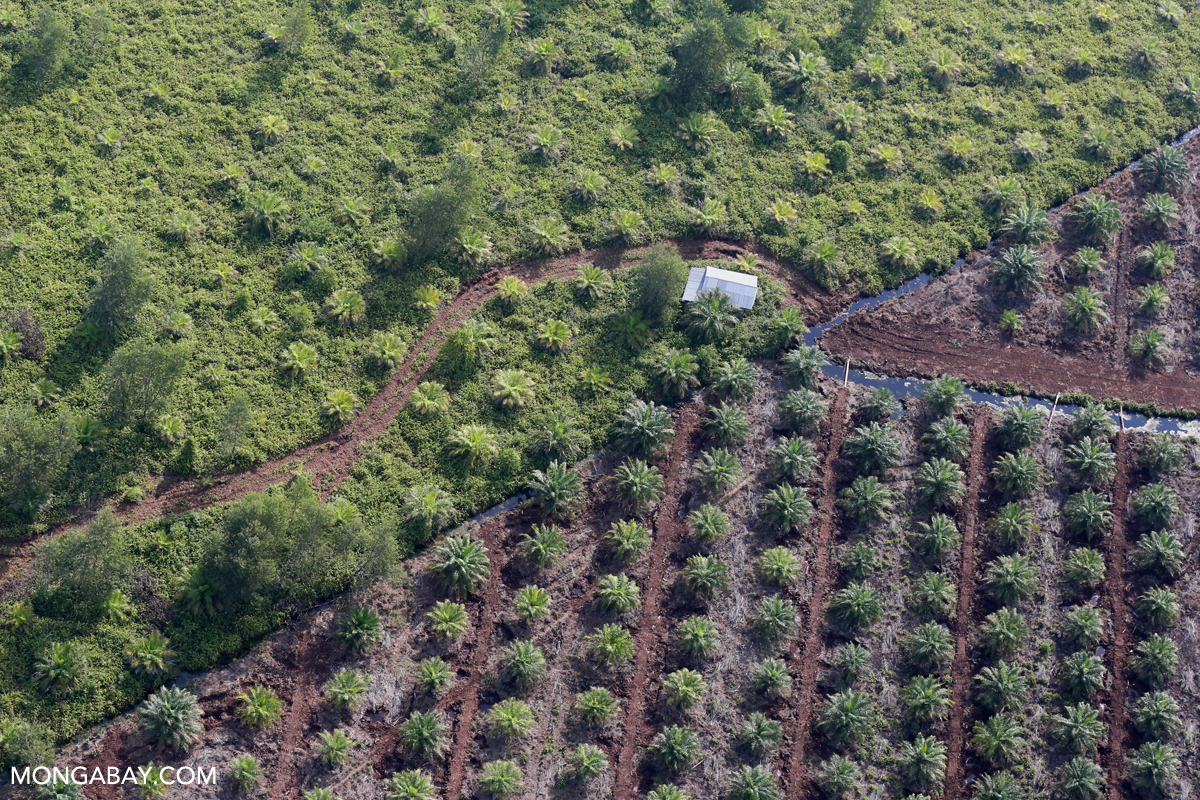
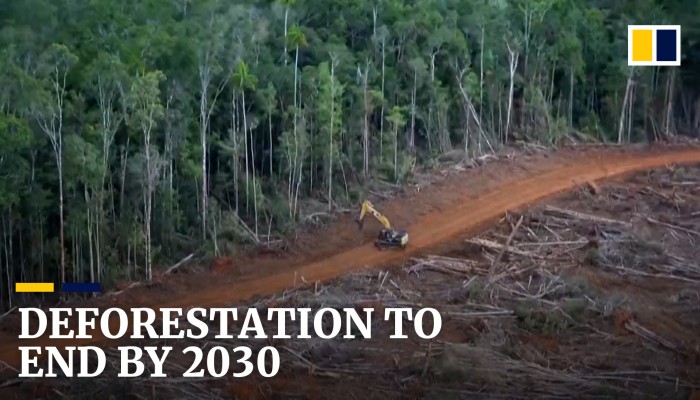
Financed projects often begin with land‑clearing for plantation agriculture or infrastructure. Satellite monitoring by organizations such as Global Forest Watch shows that new clearings frequently appear within months of financing approval.
3. Feedback to Financial Markets
Successful projects generate revenue streams that improve the borrower’s credit profile, encouraging banks to extend further financing—a positive feedback loop that can amplify deforestation pressure.
What Does the Evidence Show?
Multiple independent lines of evidence converge on the conclusion that increased bank financing correlates with higher deforestation rates:
- FAO (2022) State of the World’s Forests documents a 7 % rise in tropical forest loss from 2019 to 2021, coinciding with the identified financing surge.
- Science Advances (2021) systematic review of 45 case studies finds that projects receiving bank credit are 1.8 times more likely to convert forest than comparable projects without such financing.
- UNEP Finance Initiative (2022) analysis of loan disclosures from 30 major banks shows a net $8 billion increase in exposure to high‑risk sectors.
- World Bank (2020) Global Economic Prospects notes that emerging‑market economies relied heavily on external credit to sustain agricultural expansion during pandemic‑related downturns.
These studies use a mix of satellite imagery, financial reporting, and field verification, providing moderate to strong evidence of an association between bank financing and forest conversion.
Main Causes or Drivers
Direct Causes
- Targeted lending to commodity supply chains (soy, palm oil, beef) that require large land areas.
- Infrastructure loans for roads and ports that open remote forest regions to market access.
Underlying Drivers
- Economic uncertainty during COVID‑19 prompted banks to seek short‑term returns in high‑growth sectors.
- Weak ESG integration in many banks’ risk frameworks allowed profit considerations to dominate.
- Insufficient regulatory standards on deforestation‑linked financing at both national and international levels.
Environmental and Human Impacts
Environmental Impacts
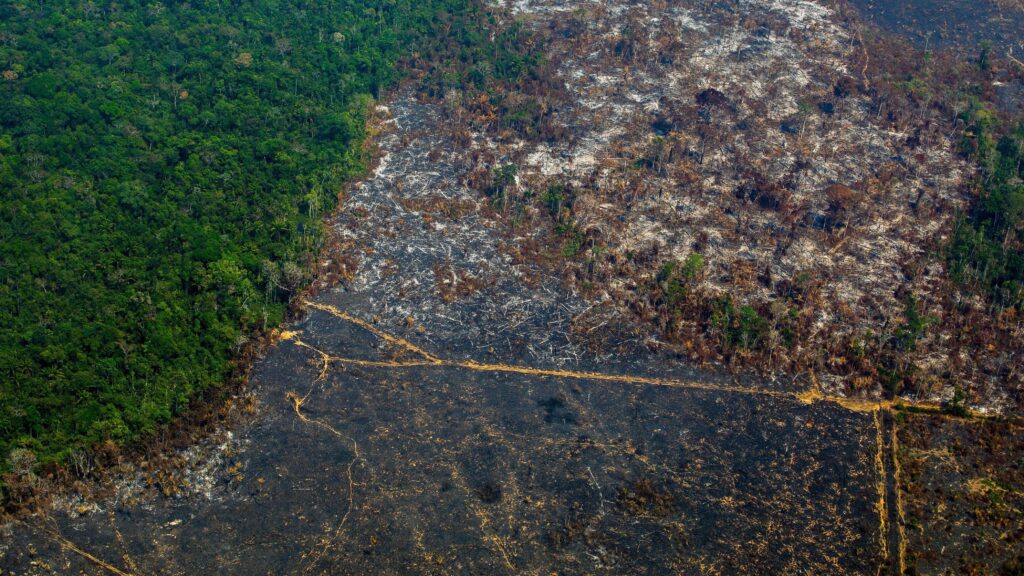
Deforestation releases stored carbon, accounting for an estimated 10 % of anthropogenic CO₂ emissions (IPCC, 2022). Habitat loss drives declines in biodiversity; the IUCN reports that 30 % of threatened species rely on tropical forest ecosystems. Soil erosion and altered water cycles further degrade ecosystem services.
Human Health and Social Impacts
Indigenous peoples and rural communities lose land tenure, cultural heritage, and food security when forests are cleared. Studies in the Amazon and Southeast Asia link forest loss to increased incidence of vector‑borne diseases and reduced access to clean water. Economic benefits from the financed projects often accrue to large agribusinesses, while local populations face displacement.
Regional Differences
The financing surge is most pronounced in tropical regions where commodity agriculture expands:
- Latin America: Brazil and Colombia saw a marked increase in loans for cattle and soy, contributing to Amazonian forest loss.
- Southeast Asia: Indonesia and Malaysia received infrastructure financing that facilitated palm‑oil plantation expansion.
- Africa: Emerging data suggest rising credit for cocoa and timber in the Congo Basin, though monitoring is less comprehensive.
In contrast, temperate forest regions experienced relatively stable financing patterns, reflecting differing economic structures and regulatory environments.
What Scientists Know With High Confidence
- Deforestation is a major source of global greenhouse‑gas emissions and biodiversity loss (IPCC Sixth Assessment Report, 2022).
- Financial incentives, including credit and equity, are strong drivers of land‑use change when environmental safeguards are absent.
- Satellite‑based monitoring reliably detects forest loss within weeks of clearing, enabling attribution to specific projects.
- Indigenous and forest‑dependent communities experience disproportionate social and economic impacts from forest conversion.
What Remains Uncertain
Key knowledge gaps include the precise causal magnitude of bank financing versus other drivers such as government policy or commodity price spikes; the long‑term repayment performance of deforestation‑linked loans; and the effectiveness of emerging voluntary ESG standards in reducing new financing. Improved disclosure requirements and longitudinal studies are needed to resolve these uncertainties.
Common Misconceptions
Misconception: All bank financing is “green” by default.
Reality: Only a minority of banks have adopted mandatory ESG screening; many still allocate capital to high‑risk sectors without environmental safeguards.
Misconception: Deforestation is driven solely by local small‑scale farmers.
Reality: Large‑scale agribusinesses and infrastructure projects, often financed by international banks, account for a substantial share of forest conversion.
Misconception: The $8 billion figure represents total global investment in deforestation.
Reality: The amount reflects net increase in financing by a subset of major banks during a two‑year window; total global financial exposure is likely higher.
Solutions and Limitations
Effective responses combine policy, market, and civil‑society actions:
- Mandatory disclosure: Requiring banks to report deforestation‑linked exposure improves transparency but may face industry resistance and implementation costs.
- Green‑bond standards: Expanding criteria to exclude high‑risk land‑use projects can redirect capital, yet verification mechanisms are still evolving.
- Regulatory caps: Some jurisdictions (e.g., EU Sustainable Finance Disclosure Regulation) limit exposure, though enforcement varies.
- Indigenous land rights: Securing tenure reduces deforestation risk, but political will and land‑registry capacity are uneven.
- Consumer and investor pressure: ESG‑focused funds can shift market incentives, yet performance trade‑offs may deter some investors.
Each approach carries trade‑offs: stricter regulations may constrain credit for legitimate development; green‑bond markets require robust third‑party verification; and securing land rights can be a lengthy legal process.
What Individuals, Communities, and Governments Can Do
What Individuals Can Do
Support companies that commit to zero‑deforestation supply chains, use certified products (e.g., RSPO, FSC), and engage with shareholders to demand transparent reporting from banks.
What Communities and Organizations Can Do
Local NGOs can monitor land‑use change with tools like Global Forest Watch, document violations, and provide evidence to advocacy campaigns targeting financial institutions.
What Governments Can Do
Enact and enforce laws that require environmental impact assessments for financed projects, adopt national deforestation‑free finance policies, and integrate forest risk into sovereign lending standards.
What Businesses and Industries Can Do
Integrate satellite‑based monitoring into due‑diligence, adopt science‑based targets for land use, and align corporate financing with the Task Force on Climate‑Related Financial Disclosures (TCFD) recommendations.
Closing Synthesis
The $8 billion surge in bank financing for deforestation‑linked sectors during COVID‑19 illustrates how short‑term profit motives can amplify long‑term environmental harm. Robust scientific evidence confirms that such financing accelerates forest loss, climate change, and social disruption, especially in tropical regions. While uncertainties remain about exact causal pathways and the effectiveness of emerging ESG tools, the high‑confidence findings underscore the need for transparent disclosure, stronger regulation, and inclusive land‑rights policies. By aligning financial flows with forest conservation, stakeholders can help safeguard ecosystems and the communities that depend on them.
Frequently Asked Questions
What does “deforestation‑linked financing” mean?
Deforestation‑linked financing refers to loans, equity or other capital that banks provide to companies whose core activities directly cause forest loss, such as large‑scale agriculture, timber extraction, and infrastructure projects that open forested land.
How much additional funding did banks provide to high‑risk sectors during the pandemic?
Analyses by the UNEP Finance Initiative show that major banks increased net exposure to deforestation‑related sectors by approximately $8 billion between 2020 and 2021, compared with the pre‑pandemic period.
Why does increased bank financing lead to more forest loss?
Bank financing makes capital available for land‑intensive projects, reducing financial barriers for commodity expansion and infrastructure that clear forests. The resulting revenue improves borrowers’ creditworthiness, encouraging further loans and creating a feedback loop that accelerates land‑use change.
Which regions were most affected by the financing surge?
The surge was most pronounced in tropical zones: Brazil and Colombia in Latin America, Indonesia and Malaysia in Southeast Asia, and emerging credit flows to cocoa and timber operations in the Congo Basin of Africa.
What actions can individuals take to reduce deforestation financing?
Individuals can choose certified products, support companies with zero‑deforestation commitments, and use shareholder influence to press banks for transparent reporting and stricter ESG policies that exclude high‑risk forest projects.







Leave a Comment