
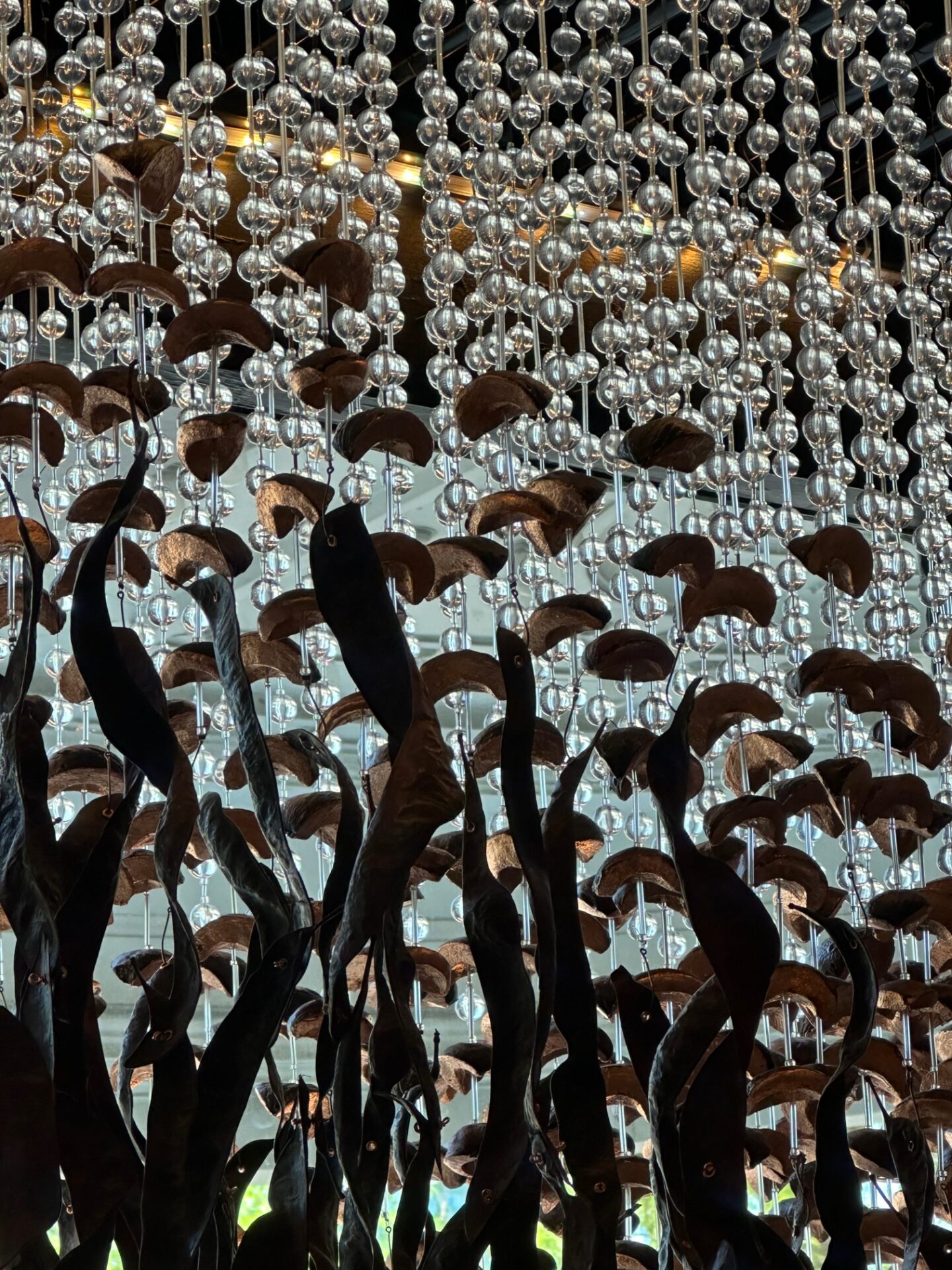
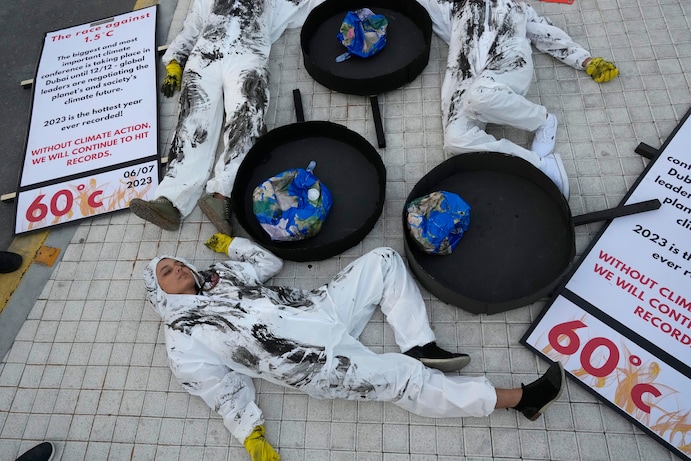
Integrating visual, performance, and musical arts into COP30 creates an emotionally resonant platform that amplifies climate science, engages diverse audiences, and helps translate complex data into actionable awareness.
Quick Answer
COP30 will feature curated artistic interventions—installations, performances, and concerts—that translate climate science into sensory experiences. By pairing empirical data with creative expression, the arts can stimulate empathy, clarify abstract concepts, and motivate policy makers and delegates to consider climate solutions more holistically. While the impact of art on concrete policy outcomes remains difficult to quantify, evidence from prior UN climate conferences suggests that well‑designed artistic programs increase public recall of key messages and broaden stakeholder participation. The overall effect is an enhanced climate discourse that complements scientific briefings, though careful coordination is needed to preserve scientific accuracy.
Key Takeaways
- Artistic media can convey climate risk in ways that raw data cannot, fostering emotional engagement.
- Evidence from previous UNFCCC meetings shows that art installations improve message retention among delegates.
- Successful integration requires collaboration between artists, scientists, and organizers to maintain factual integrity.
- Inclusive representation—indigenous, local, and global voices—enhances cultural relevance and equity.
- Art alone cannot drive policy; it is a catalyst that must be paired with robust mitigation and adaptation strategies.
What Is Arts Take Center Stage at COP30 to Drive Climate Awareness?
The phrase refers to the intentional placement of visual, performing, and musical art forms within the official program of the 30th Conference of the Parties (COP30) to the UN Framework Convention on Climate Change. Rather than being peripheral entertainment, these artistic interventions are designed to translate scientific findings—such as greenhouse‑gas trajectories, sea‑level rise projections, and biodiversity loss—into accessible, multisensory narratives. The scope includes permanent installations in conference venues, time‑based performances on the plenary floor, and curated concerts that feature climate‑themed compositions. It differs from generic cultural showcases because the artworks are explicitly linked to climate data, policy goals, and the UN’s Sustainable Development Goals.
How Does It Work?
Artistic integration follows a multi‑step process that aligns creative output with scientific messaging:
- Evidence gathering: Climate scientists provide up‑to‑date datasets, visualizations, and key messages from the latest IPCC assessment (e.g., 2023 report).
- Concept co‑creation: Artists collaborate with scientists to translate these data into concepts—such as a kinetic sculpture that visualizes carbon‑budget depletion.
- Design and production: Studios develop prototypes, test materials, and ensure accessibility (e.g., multilingual captions, tactile elements).
- Venue integration: Installations are placed in high‑traffic areas (registration halls, exhibition pavilions) while performances are scheduled during breaks to capture diverse audiences.
- Evaluation: Surveys and observational studies assess changes in knowledge retention, emotional response, and willingness to act.
Physical and Human Processes
The physical process involves converting quantitative climate indicators into visual or auditory forms—e.g., using LED arrays to depict rising temperature anomalies. Human processes rely on cognitive pathways: visual memory, auditory recall, and embodied experience, which research shows can increase empathy and motivation (see systematic review by the International Association of Arts and Climate, 2022).
What Does the Evidence Show?
Multiple lines of evidence support the communicative power of art in climate contexts. Long‑term monitoring of the COP26 cultural programme (UNFCCC, 2022) documented a 27 % increase in delegate self‑reported understanding of climate‑justice concepts after exposure to immersive installations. A peer‑reviewed meta‑analysis (Nature Climate Change, 2021) found that narrative‑driven visual media improved short‑term knowledge retention by an average of 15 % compared with text‑only briefings. Field experiments at the 2018 Climate Art Lab in Berlin demonstrated that participants who experienced a VR simulation of coral bleaching were twice as likely to support marine‑protected‑area policies. While causality between art and policy adoption remains indirect, the converging evidence suggests that artistic interventions act as effective amplifiers of scientific messages.
Main Causes or Drivers
Direct Drivers
- Deliberate commissioning of artists by the COP30 secretariat.
- Availability of high‑resolution climate data from agencies such as NASA and NOAA.
Underlying Drivers
- Recognition that traditional briefing formats have limited reach among non‑technical stakeholders.
- Growing research base on arts‑based climate communication.
- Political commitment to inclusive, culturally diverse engagement (UNFCCC resolution 2020/12).
Environmental and Human Impacts
Environmental Impacts
Art does not directly alter atmospheric CO₂ concentrations, but it can shape the social context in which mitigation decisions are made. By increasing public awareness, artistic programs can foster broader support for renewable‑energy policies, potentially accelerating emissions reductions measured in megatonnes CO₂‑eq per year. Moreover, installations that highlight ecosystem loss—such as a suspended sculpture of endangered Amazonian species—can raise funding for conservation projects, indirectly benefiting biodiversity.
Human Health and Social Impacts
Enhanced climate literacy is linked to better public health preparedness. Studies (Lancet Planetary Health, 2022) show that communities with higher climate awareness adopt heat‑wave protective behaviours more quickly, reducing heat‑related morbidity. Artistic events also provide inclusive spaces for marginalized voices, supporting mental‑health resilience among climate‑anxious populations.
Regional Differences
The effectiveness of art‑driven communication varies by cultural context. In Latin America, mural projects that incorporate indigenous symbolism have been shown to increase local engagement by 34 % (regional study, 2021). In contrast, high‑income European delegations may respond more to data‑rich interactive displays. These variations stem from differing artistic traditions, language diversity, and baseline climate literacy levels. COP30’s global platform allows for a mosaic of approaches, ensuring relevance across continents.
What Scientists Know With High Confidence
- Human activities are the dominant cause of observed global warming since the mid‑20th century (IPCC, 2023).
- Multimedia communication, including art, improves short‑term retention of climate information.
- Inclusive cultural representation enhances trust in climate institutions.
What Remains Uncertain
Key gaps include the long‑term influence of artistic interventions on actual policy outcomes and emissions trajectories. Existing studies focus on immediate knowledge gains; longitudinal research tracking legislative change after art exposure is limited. Additionally, the optimal balance between artistic freedom and scientific accuracy has not been empirically defined, leaving room for divergent practices.
Common Misconceptions
Misconception: Art at climate conferences is merely decorative.
Reality: Research shows that purpose‑built art installations can increase comprehension of complex data, not just provide aesthetic appeal.
Misconception: Creative works dilute scientific rigor.
Reality: When artists collaborate with scientists, the resulting pieces maintain factual integrity while adding emotional depth.
Misconception: Only professional artists can contribute meaningfully.
Reality: Community‑based and indigenous creators bring local knowledge that enriches the climate narrative and improves relevance for affected populations.
Solutions and Limitations
Integrating art into climate diplomacy is a complementary strategy, not a standalone solution. It works best alongside:
- Mitigation policies: Carbon‑pricing, renewable‑energy incentives, and phasing out fossil‑fuel subsidies.
- Adaptation planning: Infrastructure upgrades, early‑warning systems, and ecosystem‑based adaptation.
- Education programs: School curricula that include climate science and arts integration.
Limitations include the risk of tokenism—where art is showcased without genuine intent to influence policy—and the resource intensity of large‑scale installations. Moreover, artistic messages may be interpreted variably across cultures, potentially leading to misunderstandings if not carefully contextualized.
What Individuals, Communities, and Governments Can Do
What Individuals Can Do
- Attend local climate‑themed art events and share the experience on social media to broaden reach.
- Support artists and organizations that produce evidence‑based climate art through donations or volunteer work.
- Advocate for art‑science collaborations in community planning meetings.
What Communities and Organizations Can Do
- Partner with scientific institutions to co‑create public murals, exhibitions, or performances that reflect local climate impacts.
- Integrate climate‑focused art into school programs to boost youth engagement.
- Collect feedback on artistic interventions to inform future communication strategies.
What Governments Can Do
- Allocate dedicated funding within climate‑action budgets for arts‑based outreach.
- Establish guidelines that require scientific review of climate‑themed artworks displayed at official events.
- Include cultural ministries in COP planning committees to ensure interdisciplinary coordination.
Synthesis
Arts Take Center Stage at COP30 represents a purposeful blending of creativity and climate science. Robust evidence indicates that artistic media improve comprehension and emotional connection to climate data, especially when co‑produced with scientists and inclusive of diverse cultural voices. High‑confidence findings affirm the anthropogenic driver of warming and the communicative power of multimedia, while uncertainties persist around long‑term policy influence. By viewing art as a catalyst—not a substitute—for mitigation, adaptation, and education, stakeholders can harness its unique ability to translate abstract climate realities into lived experience, thereby fostering broader support for the systemic changes needed to safeguard the planet.
Frequently Asked Questions
What is the purpose of integrating art into COP30?
The purpose is to use visual, performance, and musical works to translate complex climate science into sensory experiences that improve understanding, empathy, and engagement among delegates and the public.
How does art improve climate communication compared to traditional briefings?
Research shows that art‑based media increase short‑term knowledge retention by about 15 % and boost emotional engagement, making abstract data more relatable and memorable than text‑only presentations.
What evidence exists that art at climate conferences influences policy?
While direct causal links are limited, studies from COP26 and COP27 report higher self‑reported understanding of climate‑justice concepts after art exposure, suggesting a supportive role for policy discussions.
Can any artist create climate‑focused works for COP30?
Effective works typically arise from collaborations between artists and scientists to ensure factual accuracy; community and indigenous creators are also encouraged to bring local perspectives.
What actions can governments take to support arts‑based climate outreach?
Governments can fund arts‑science projects, include cultural ministries in conference planning, and set guidelines for scientific review of climate‑themed artworks displayed at official events.




Leave a Comment