

The debate over whether climate activists are pushing too hard or not hard enough hinges on the scale of the climate crisis, the effectiveness of protest tactics, and the balance between urgent action and broad public support.
Quick Answer
Climate activism ranges from local education campaigns to high‑profile civil disobedience; the scientific consensus shows that the climate emergency demands rapid, systemic emissions reductions, which many activists argue is insufficiently addressed by current policies. Evidence suggests that peaceful, community‑based actions build durable support, while disruptive tactics can draw attention but also risk alienating potential allies. Overall, activists are generally not going far enough to meet the IPCC 2023 1.5 °C pathway, yet the most effective strategies combine broad public engagement with targeted pressure on governments and corporations.
Key Takeaways
- Scientific assessments indicate that emissions must fall ~45 % below 2010 levels by 2030 to stay within 1.5 °C, a target far beyond current policy trajectories.
- Grassroots education and local renewable projects create measurable emission cuts and build social capital.
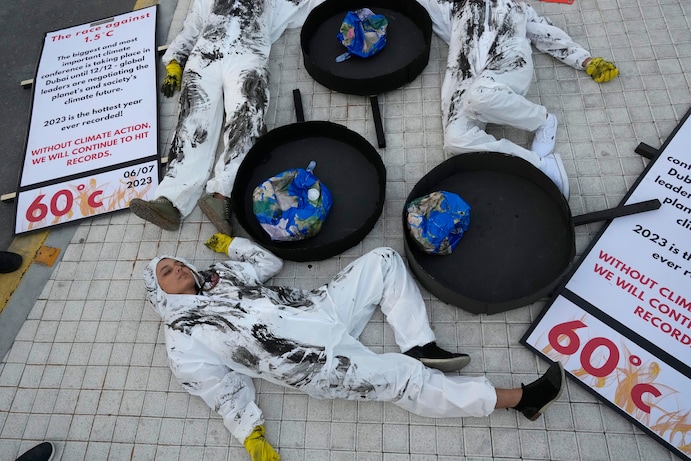
- High‑visibility civil disobedience raises media attention but can generate public backlash if perceived as extreme.
- Effective activism integrates climate justice, ensuring marginalized communities are central to solutions.
- Long‑term success depends on coordinated action across individuals, communities, businesses, and governments.
What Is Are Climate Activists Going Too Far—or Not Far Enough??
The phrase asks whether the scale, tactics, or urgency of climate‑related protest and advocacy match the scientific urgency of anthropogenic climate change. It encompasses a spectrum of activities: from school‑yard recycling drives and citizen science monitoring, to large‑scale demonstrations, blockades of fossil‑fuel infrastructure, and occasional property damage. The discussion differs from generic “environmental activism” by focusing specifically on climate change mitigation and adaptation, and by weighing the ethical and strategic trade‑offs of different protest intensities.
How Does It Work?
1. Identify a Climate Target
Activists begin by selecting a policy or corporate behavior that contributes significantly to greenhouse‑gas (GHG) emissions—e.g., coal power plants, deforestation permits, or lack of renewable subsidies.
2. Mobilise Support
Support is gathered through digital campaigns, community meetings, and coalition‑building. Social‑media platforms amplify messages, while on‑the‑ground events create visible pressure.
3. Choose Tactics
Groups decide between low‑risk tactics (public awareness, petitions) and higher‑risk actions (sit‑ins, road blockades, sabotage). The chosen tactic influences media framing and public sentiment.
4. Apply Pressure
Through sustained visibility, activists aim to shift political calculations, prompting legislators to adopt stricter emissions standards, subsidies for renewables, or divestment policies.
5. Evaluate Outcomes
Success is measured by policy change, corporate commitments, or measurable emission reductions. Feedback loops inform future strategies.
What Does the Evidence Show?
Multiple lines of evidence converge on three core points. First, long‑term atmospheric CO₂ records and satellite observations confirm a steady rise of ~50 % since pre‑industrial times (NASA 2022). Second, the Intergovernmental Panel on Climate Change (IPCC) 2023 assessment report states that limiting warming to 1.5 °C requires net‑zero CO₂ emissions by around 2050, a pace not matched by current national pledges (UNFCCC 2023). Third, systematic reviews of protest efficacy (e.g., a 2021 meta‑analysis in *Environmental Research Letters*) find that non‑violent, broad‑based movements are more likely to achieve lasting policy change than isolated violent actions.
Main Causes or Drivers
Direct Causes
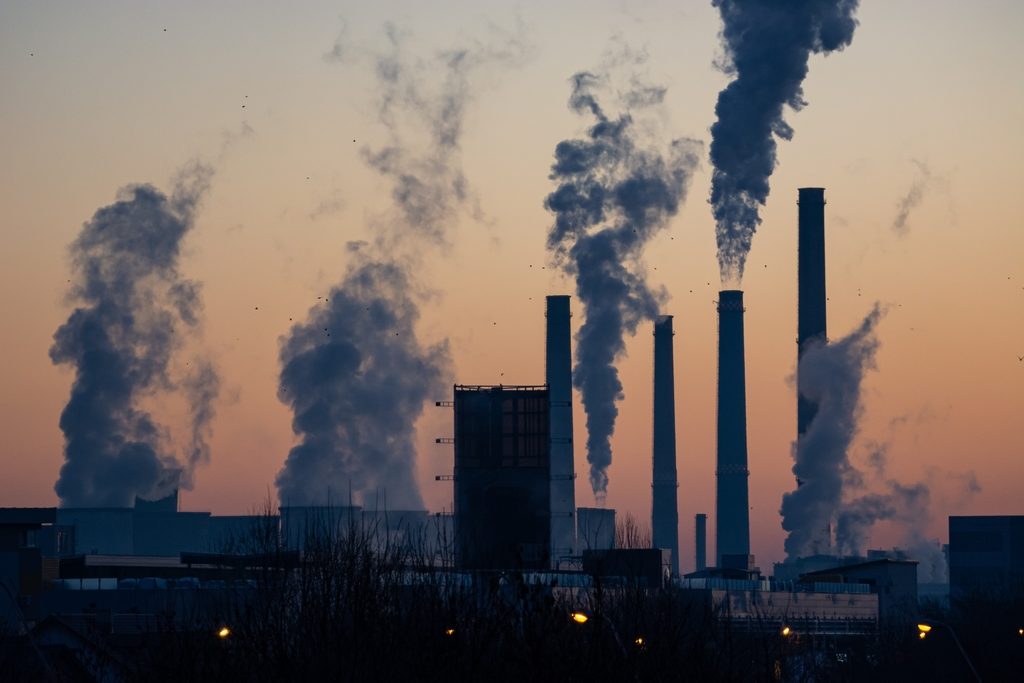
- Fossil‑fuel combustion accounting for ~74 % of global CO₂ emissions (IEA 2023).
- Deforestation contributing ~10 % of emissions, driven by agricultural expansion.
Underlying Drivers
- Economic reliance on carbon‑intensive industries.
- Political lobbying by fossil‑fuel corporations.
- Social inertia and limited public awareness of climate pathways.
Amplifying Factors
- Media framing that emphasizes conflict over climate science.
- Digital echo chambers that polarise public opinion.
- Intersectional injustices that make climate impacts uneven, motivating justice‑oriented activism.
Environmental and Human Impacts
Environmental Impacts
Effective activism can accelerate renewable energy deployment, which reduces air pollutants such as PM₂.₅ and ozone, improving ecosystem health. Conversely, disruptive actions that damage infrastructure may cause temporary local pollution spikes.
Human Health and Social Impacts
Reduced fossil‑fuel use lowers respiratory disease incidence, as shown by WHO (2022) analyses linking air‑quality improvements to fewer premature deaths. Climate‑justice activism also highlights disproportionate exposure of low‑income and Indigenous communities to heatwaves, floods, and food insecurity.
Economic and Infrastructure Impacts
Policy shifts driven by activism—e.g., carbon‑pricing mechanisms—can create market signals that stimulate clean‑tech investment, while also imposing transition costs on sectors reliant on coal or oil. Short‑term disruptions (e.g., pipeline blockades) may affect local supply chains but are usually limited in scope.
Regional Differences
Activism’s form and impact vary worldwide. In Europe, well‑organised NGOs have secured ambitious renewable targets (e.g., Germany’s 2030 % renewable electricity goal). In the Global South, community‑led movements often focus on protecting forests and water sources, where livelihood stakes are immediate. In North America, large‑scale civil disobedience (e.g., pipeline protests) has prompted legal challenges and temporary project delays. These patterns reflect differing governance structures, economic dependencies, and societal values.
What Scientists Know With High Confidence
- Human activities are the dominant driver of global warming since the mid‑20th century (IPCC 2023).
- Limiting warming to 1.5 °C requires net‑zero CO₂ emissions by roughly 2050.
- Air‑quality improvements from reduced fossil‑fuel combustion have clear health benefits.
- Non‑violent, mass‑participation movements historically achieve more durable policy change than isolated violent actions.
What Remains Uncertain
Key uncertainties include the precise social tipping points at which public opinion translates into political will, the long‑term durability of policy gains achieved through disruptive protests, and the regional variability of climate‑justice outcomes when economic resources are limited. Improved longitudinal studies of activist campaigns could clarify these gaps.
Common Misconceptions
Misconception: All climate activism is violent.
Reality: The majority of climate‑related actions are peaceful, including education programs, tree‑planting events, and policy advocacy. Violent incidents represent a small fraction and often receive disproportionate media coverage.
Misconception: Individual lifestyle changes solve the climate crisis.
Reality: Personal choices (e.g., reducing meat consumption, using public transport) lower one’s carbon footprint, but systemic emissions reductions require policy and industrial transformation, as highlighted by the IPCC.
Misconception: Climate activists ignore social equity.
Reality: Climate‑justice groups explicitly centre the experiences of marginalized populations, arguing that equitable solutions are essential for effective mitigation and adaptation.
Solutions and Limitations
Effective responses fall into several categories.
- Mitigation through policy: Carbon pricing, renewable‑energy standards, and phase‑out schedules for coal can drive emissions cuts. Limitations include political resistance and the need for complementary measures to protect low‑income households.
- Adaptation infrastructure: Flood barriers, heat‑resilient housing, and water‑management systems reduce vulnerability. Trade‑offs involve high upfront costs and potential ecological disturbances.
- Nature‑based solutions: Restoring mangroves and reforestation sequester carbon and provide co‑benefits for biodiversity. Effectiveness depends on long‑term land‑use governance.
- Behavioral and institutional change: Corporate ESG commitments and school curricula that integrate climate science can shift norms. Such measures risk being symbolic without enforceable accountability.
What Individuals, Communities, and Governments Can Do
What Individuals Can Do
- Vote for candidates with credible climate policies.
- Support renewable energy by choosing green electricity tariffs where available.
- Engage in local climate‑action groups to amplify collective voice.
- Reduce personal carbon intensity through efficient travel, diet, and home energy use.
What Communities and Organizations Can Do
- Implement community solar or district‑heating projects that lower emissions locally.
- Conduct climate‑risk assessments for schools, hospitals, and small businesses.
- Partner with Indigenous groups to protect local ecosystems and integrate traditional knowledge.
What Governments Can Do
- Adopt legally binding net‑zero targets aligned with the IPCC 1.5 °C pathway.
- Provide just‑transition funds to workers in carbon‑intensive sectors.
- Strengthen regulations on fossil‑fuel extraction and subsidise clean‑technology research.
- Ensure transparent reporting of climate‑related policies to build public trust.
Closing Synthesis
Climate activism sits at the intersection of urgent scientific evidence and complex social dynamics. While the scale of current activism falls short of the rapid emissions cuts demanded by the IPCC, the most effective movements blend inclusive, non‑violent engagement with strategic pressure on decision‑makers. High‑confidence science confirms the need for systemic change; uncertainties remain about the optimal mix of tactics and the longevity of policy gains. By aligning grassroots energy with robust policy frameworks, societies can move toward the emissions pathways required for a climate‑resilient future.
Frequently Asked Questions
What defines climate activism?
Climate activism refers to organized actions—ranging from education campaigns to civil disobedience—aimed at reducing greenhouse‑gas emissions and promoting climate‑resilient policies.
Why do scientists say emissions must fall 45% by 2030?
The IPCC 2023 report calculates that a 45% reduction from 2010 levels by 2030 is needed to keep global warming within 1.5 °C, based on integrated assessment models and observed emission trends.
Do peaceful protests work better than disruptive tactics?
Research published in *Environmental Research Letters* (2021) shows that large, non‑violent movements are more likely to achieve lasting policy change than isolated violent actions, though disruptive tactics can raise short‑term media attention.
How can individuals contribute without replacing systemic action?
Individuals can vote for climate‑focused leaders, choose green electricity, support local renewable projects, and join community groups, all of which complement larger policy and industry shifts.
What are the main uncertainties about climate activism’s impact?
Key unknowns include how quickly public opinion translates into political will, the durability of policy gains from disruptive protests, and regional differences in climate‑justice outcomes when resources are limited.






Leave a Comment