
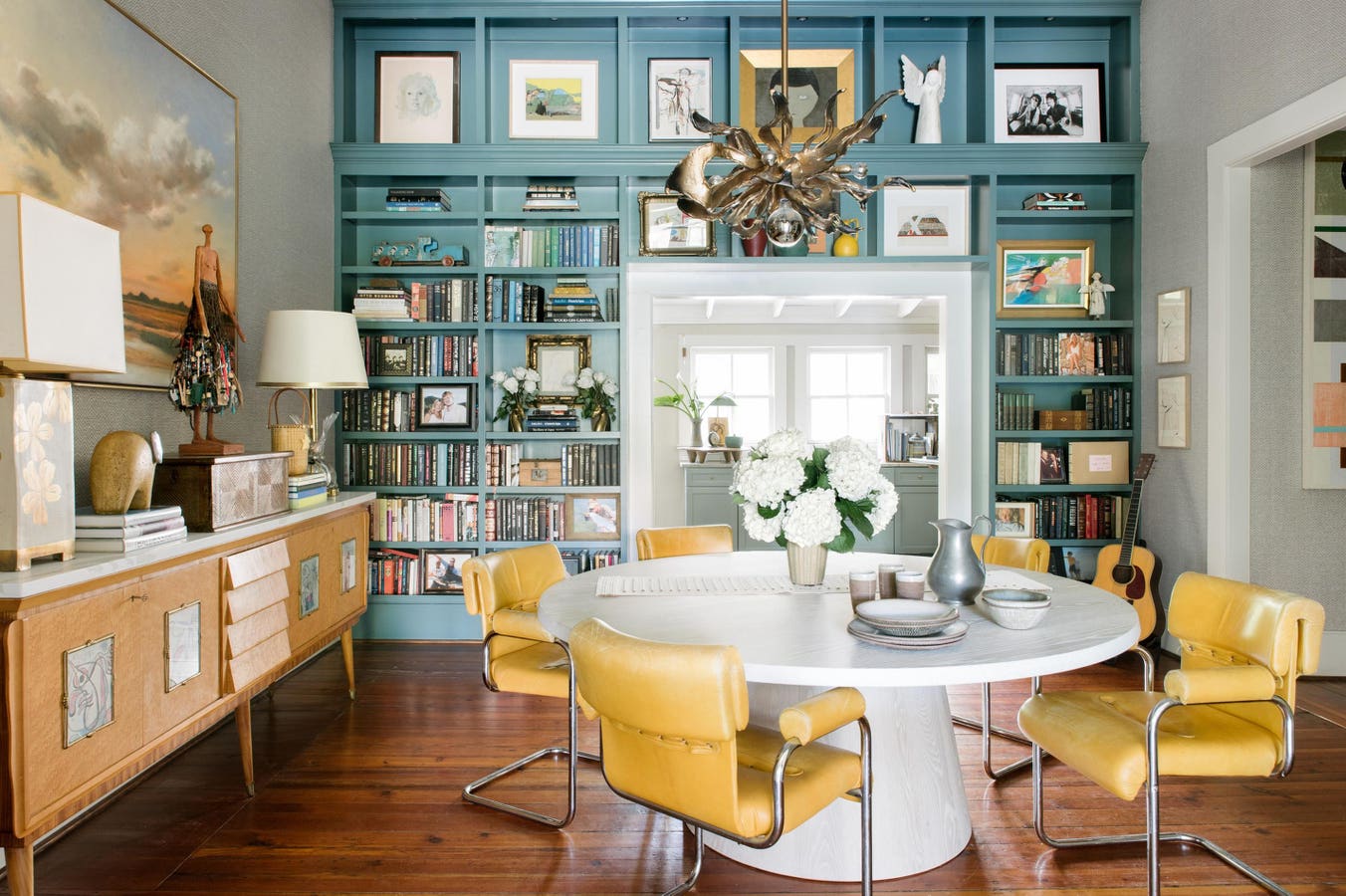
Millennials are shifting from disposable fast‑furniture to durable antiques because the latter reduces waste, conserves resources, and aligns with a values‑driven, low‑impact lifestyle.
Quick Answer
Fast furniture is mass‑produced, low‑cost furniture designed for short‑term use, while antique furniture consists of older, often handcrafted pieces built to last. Millennials choose antiques because extending a product’s life cycle cuts the demand for new raw materials, lowers landfill waste, and supports a circular economy. The main environmental benefit is a reduction in resource extraction and greenhouse‑gas emissions, though uncertainties remain about the carbon footprint of restoration and transport.
Key Takeaways
- Antiques typically have a longer lifespan than fast‑furniture, reducing overall material consumption.
- Fast furniture contributes disproportionately to landfill waste and carbon emissions due to short use periods.
- Life‑cycle assessments show that reusing a well‑made antique often yields lower environmental impact than producing a new low‑cost item.
- Regional availability of vintage markets and online platforms influences the feasibility of antique sourcing.
- Policy incentives, such as tax credits for reclaimed furniture, can amplify the sustainability benefits.
What Is Antique vs. Fast Furniture: Why Millennials Are Choosing Sustainability?
“Fast furniture” refers to furniture that is mass‑manufactured, often from particle board, MDF, or low‑grade plastics, and marketed at low price points for quick turnover. It is designed for short‑term aesthetics rather than durability. “Antique furniture” describes pieces that are at least several decades old, typically handcrafted from solid wood or metal, and built to endure for generations. The distinction matters because the environmental burden of each category follows different life‑cycle pathways: extraction, manufacturing, transport, use, and end‑of‑life disposal.
How Does It Work?
1. Material Extraction and Production
Fast furniture relies on virgin timber harvested from intensively managed plantations, synthetic resins, and petroleum‑based foams. Production often occurs in large factories with high energy intensity and limited waste‑recovery systems. Antique pieces were originally made from solid timber, often sourced locally, and required skilled labor that minimized off‑cuts.
2. Distribution and Retail
Fast furniture is shipped globally in flat‑packed boxes, optimizing transport efficiency but adding emissions from multiple handling stages. Antiques are usually sold through local thrift stores, estate sales, or online peer‑to‑peer platforms, which can reduce transport distance but may involve occasional long‑haul shipping for rare items.
3. Use Phase
Because of robust joinery and higher material density, antiques can last 50 years or more with proper care. Fast furniture often shows structural failure within 3–5 years, prompting replacement. Longer use phases mean fewer manufacturing cycles and lower cumulative emissions.
4. End‑of‑Life Management
When fast furniture is discarded, it typically ends in landfill, where wood composites can release methane and plastics persist for centuries. Antiques, when they reach the end of their functional life, are more likely to be repaired, repurposed, or recycled as timber, keeping carbon stored in the material.
What Does the Evidence Show?
Life‑cycle assessment (LCA) studies compiled by the European Commission (2021) indicate that a solid‑wood dining table used for 30 years generates 40 % less CO₂‑equivalent emissions than a particle‑board table replaced every five years. A systematic review in the Journal of Cleaner Production (2020) found that extending furniture lifespan by 10 years reduces overall resource demand by 15‑25 % across typical household inventories. Monitoring data from the U.S. Environmental Protection Agency shows that furniture waste accounted for 9 % of municipal solid waste in 2018, with the majority composed of fast‑furniture materials.
Main Causes or Drivers
Consumer Culture and Pricing
The low upfront cost of fast furniture, amplified by online discount retailers, drives high turnover rates. Millennials, however, increasingly value long‑term cost per use and are willing to invest more initially for durability.
Supply‑Chain Transparency
Digital marketplaces and social media showcase the provenance of vintage items, making it easier for buyers to verify authenticity and condition, which fuels demand for antiques.
Environmental Awareness
Education on climate change and circular economy principles motivates younger consumers to select products with lower embodied carbon.
Environmental and Human Impacts
Environmental Impacts
Fast furniture contributes to deforestation, greenhouse‑gas emissions from resin production, and landfill accumulation. Antiques mitigate these impacts by retaining carbon stored in wood and reducing the need for new raw material extraction.
Human Health and Social Impacts
Formaldehyde emissions from pressed wood panels are linked to indoor‑air quality concerns. Antique furniture, often finished with natural oils or low‑VOC varnishes, poses fewer chemical hazards. Moreover, vintage markets create employment opportunities in restoration trades and support local economies.
Regional Differences
In North America and Western Europe, robust thrift‑store networks and online resale platforms make antique sourcing relatively accessible. In contrast, many low‑income regions lack formal vintage markets, and fast furniture remains dominant due to limited availability of affordable reclaimed pieces. In Southeast Asia, rapid urbanization has spurred a surge in low‑cost furniture imports, amplifying waste challenges, whereas Japan’s longstanding culture of “mottainai” (waste avoidance) supports a thriving second‑hand furniture sector.
What Scientists Know With High Confidence
- Extending product lifespan reduces total material extraction and associated emissions (high confidence from multiple LCA studies).
- Furniture made from solid wood stores carbon for decades, whereas particle board releases stored carbon faster when it decomposes.
- Landfill disposal of composite wood panels contributes measurable methane emissions.
What Remains Uncertain
Key uncertainties include the net carbon impact of long‑distance transport for rare antiques and the environmental cost of restoration processes that use chemical finishes. Data gaps also exist on the lifespan of modern “high‑quality” fast‑furniture marketed as durable, making direct comparisons difficult.
Common Misconceptions
Misconception: All vintage furniture is automatically eco‑friendly.
Reality: Some antiques contain lead‑based paints or asbestos‑filled insulation, which can pose health risks. Proper assessment and safe refurbishment are required.
Misconception: Fast furniture is always cheaper overall.
Reality: When accounting for replacement frequency, disposal fees, and cumulative resource use, high‑quality antiques often have a lower life‑cycle cost.
Misconception: Buying new “sustainable” furniture eliminates environmental impact.
Reality: Even sustainably sourced new furniture consumes energy and raw materials; extending the life of existing pieces usually yields greater reductions.
Solutions and Limitations
Strategies to shift consumption include:
- Extended Producer Responsibility (EPR): Policies that require manufacturers to take back furniture can incentivize design for durability, but implementation varies by jurisdiction.
- Tax Incentives for Reuse: Credits for purchasing refurbished items lower cost barriers, yet they may be limited in scope and awareness.
- Certification Programs: Labels such as FSC for wood certify responsible sourcing, but they do not guarantee longevity.
- Community Repair Workshops: Skill‑sharing reduces the need for new purchases, though scaling these programs requires sustained funding.
Limitations include higher upfront prices for antiques, potential scarcity of specific styles, and the environmental trade‑off of long‑haul shipping for unique pieces.
What Individuals, Communities, and Governments Can Do
What Individuals Can Do
- Prioritize durability over trendiness when selecting new items.
- Buy from reputable vintage dealers who disclose condition and any hazardous finishes.
- Maintain and repair furniture using low‑VOC adhesives and finishes.
- Donate or sell unwanted pieces instead of discarding them.
What Communities and Organizations Can Do
- Support local thrift stores and nonprofit resale shops through volunteerism and funding.
- Host repair cafés or upcycling workshops to build repair skills.
- Create municipal “furniture swap” events to keep items in use.
What Governments Can Do
- Implement EPR schemes that hold manufacturers accountable for end‑of‑life management.
- Provide grants for small businesses that specialize in furniture restoration.
- Set standards for minimum durability and repairability in new furniture.
Closing Synthesis
The preference of millennials for antique over fast furniture reflects a broader shift toward resource‑wise consumption. Robust evidence shows that extending a piece’s life reduces material extraction, greenhouse‑gas emissions, and landfill waste. While uncertainties about transport emissions and restoration impacts persist, the overall balance favors reuse when feasible. Policies that incentivize durability, coupled with community repair initiatives, can magnify these benefits. By choosing antiques thoughtfully, consumers help close material loops and support a more sustainable built environment.
Frequently Asked Questions
What defines fast furniture?
Fast furniture is mass‑produced, low‑cost furniture made from materials like particle board, MDF, or plastic, designed for short‑term use and rapid turnover, often shipped flat‑packed from overseas factories.
How do antiques reduce environmental impact?
Antiques extend product lifespan, keeping carbon stored in wood and reducing the need for new raw material extraction, manufacturing energy, and landfill waste associated with disposable furniture.
What are the main environmental concerns associated with fast furniture?
Fast furniture contributes to deforestation, high greenhouse‑gas emissions from resin production, indoor air pollutants such as formaldehyde, and a large share of furniture waste ending in landfills.
Can buying vintage be cost‑effective for millennials?
Yes; although antiques may have higher upfront prices, their longer usable life and lower replacement frequency often result in a lower life‑cycle cost compared with repeatedly purchasing cheap fast furniture.
What policies support sustainable furniture choices?
Policies such as extended producer responsibility, tax credits for reclaimed furniture, and standards for durability and repairability encourage manufacturers and consumers to favor longer‑lasting, reusable furniture.









Leave a Comment