
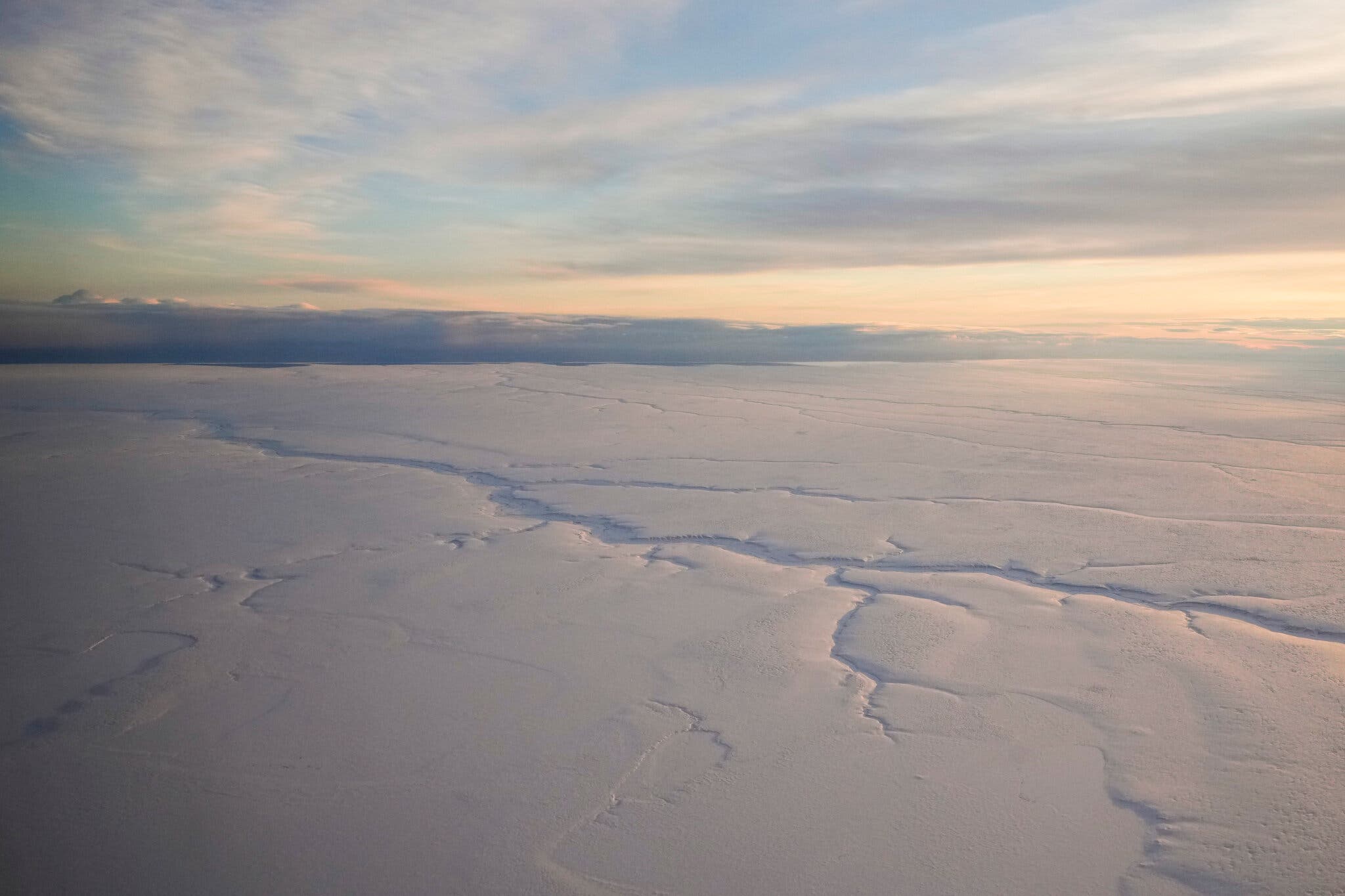
President Biden’s executive pause on new oil‑drilling leases in the 19.6‑million‑acre Arctic National Wildlife Refuge protects critical habitat, curtails projected greenhouse‑gas emissions, and acknowledges Indigenous treaty rights.
Quick Answer
The administration issued an executive pause that stops the Department of the Interior from issuing any new oil‑exploration leases within the Arctic National Wildlife Refuge (ANWR). Existing leases remain valid, but no additional roads, well pads, or pipelines can be built. By preventing future extraction, the pause could avoid roughly 1.2 billion metric tons of CO₂ over the next 30 years, according to the U.S. Energy Information Administration (2023). The duration of the pause is uncertain and may change with future legal or policy actions.
Key Takeaways
- All new oil‑drilling leases in ANWR are on hold; existing leases are unchanged.
- The pause safeguards habitat for caribou, polar bears, migratory birds and other Arctic species.
- Reduced fossil‑fuel development aligns with U.S. commitments under the Paris Agreement.
- Indigenous groups, especially the Gwich’in, view the suspension as a step toward cultural and environmental preservation.
- Economic impacts may shift from drilling jobs to growth in renewable‑energy sectors and ecotourism.
What Is Biden Suspends Oil Drilling Leases in Arctic Wildlife Refuge?
The suspension is an executive action that temporarily stops the federal government from granting new leases that would allow companies to explore for and extract petroleum on public lands inside ANWR. A lease is a legal instrument that confers the right to develop resources on a defined parcel. The pause leaves previously granted leases untouched, meaning companies that already hold permits may continue limited operations under the terms of those agreements. ANWR, established in 1960, encompasses 19.6 million acres of tundra, wetlands, and a coastal plain that serve as essential breeding and feeding grounds for a wide range of Arctic wildlife.
How Does It Work?
Legal Mechanism
- The Interior Department publishes a formal notice announcing the suspension.
- All federal and state agencies cease processing new lease applications for the refuge.
- Existing leaseholders retain rights to conduct activities already authorized, but they cannot expand or start new projects.
- The pause remains in effect until the administration issues a reversal or a new policy directive.
Environmental Process
Preventing new drilling stops the construction of roads, pipelines, and well pads that fragment habitat, increase human‑wildlife conflict, and locally warm permafrost through heat‑absorbing surfaces. Fewer installations also lower the risk of accidental oil spills, which have historically caused long‑lasting contamination of soil and water in fragile Arctic ecosystems.
What Does the Evidence Show?
Long‑term monitoring by the U.S. Fish and Wildlife Service (2021) confirms that the coastal plain of ANWR supports the calving grounds of the Porcupine caribou herd, estimated at roughly 170,000 individuals. The Intergovernmental Panel on Climate Change (IPCC, 2022) calculates that each barrel of oil extracted from the Arctic adds about 0.43 kg of CO₂ to the atmosphere, with additional methane leaks increasing the total carbon footprint. A systematic review in Nature Climate Change (2020) found that Arctic oil development raises local air pollutants, accelerates permafrost thaw, and can trigger feedback loops that release stored carbon from frozen soils. Together, these lines of evidence indicate that new drilling would both degrade biodiversity and amplify climate change.
Main Causes or Drivers
Direct Causes
Lease applications have been driven by rising global demand for petroleum and the perception of untapped economic value within ANWR’s estimated reserves.
Underlying Drivers
U.S. energy policy has historically balanced domestic production with climate commitments. Fossil‑fuel lobbying, tax incentives for oil development, and strategic goals of energy independence have all contributed to lease requests. At the same time, growing scientific consensus on climate risk and stronger Indigenous advocacy have created pressure for protective measures.
Environmental and Human Impacts
Environmental Impacts
- Habitat Preservation: The pause maintains undisturbed tundra essential for caribou migration and shorebird nesting.
- Climate Mitigation: Avoided extraction could prevent up to 1.2 billion metric tons of CO₂ emissions over 30 years (U.S. Energy Information Administration, 2023).
- Permafrost Protection: Less infrastructure reduces localized warming that would otherwise accelerate permafrost thaw and associated carbon release.
Human Health and Social Impacts
- Indigenous communities, particularly the Gwich’in, rely on caribou for subsistence; protecting the refuge supports food security and cultural continuity.
- Reduced exposure to diesel exhaust and potential oil‑spill contaminants benefits the health of workers and nearby residents.
Economic and Infrastructure Impacts
- Short‑term loss of potential drilling jobs in Alaska; however, the Bureau of Labor Statistics (2022) notes an 8 % national rise in renewable‑energy employment, suggesting pathways for workforce transition.
- Pristine landscapes may attract ecotourism, providing alternative revenue streams for local economies.
Regional Differences
Within ANWR, the southern coastal plain holds the most critical caribou habitat, while interior zones contain fewer wildlife‑sensitive areas. Alaska’s economy depends more heavily on oil revenue than most lower‑48 states, making the suspension politically salient locally. Across the broader Arctic, average temperatures are rising at roughly twice the global rate (IPCC, 2022), amplifying the importance of limiting additional disturbances that could exacerbate permafrost loss.
What Scientists Know With High Confidence
- The ANWR coastal plain is essential for the reproductive success of the Porcupine caribou herd.
- Oil extraction in Arctic environments contributes measurable greenhouse‑gas emissions and can accelerate permafrost thaw.
- Indigenous cultural practices in the refuge are tightly linked to the health of key wildlife species.
- Protected areas without extractive activity retain higher biodiversity compared with adjacent developed lands.
What Remains Uncertain
The exact length of the lease suspension, the likelihood of legal challenges, and the magnitude of economic displacement for workers in the oil sector remain unclear. Scientific gaps persist in quantifying long‑term ecosystem recovery if drilling resumes, as well as in modelling precise climate feedbacks from permafrost disturbance under varying development scenarios.
Common Misconceptions
Misconception: The suspension ends all oil activity in ANWR.
Reality: Existing leases remain active; the pause only prevents the issuance of new permits.
Misconception: Protecting the refuge will stop climate change.
Reality: While the action reduces a specific source of emissions, global climate mitigation requires broader reductions across all sectors.
Misconception: The decision is solely an environmental move.
Reality: The policy also reflects Indigenous rights, economic considerations, and political strategy, making it a multifaceted decision.
Solutions and Limitations
Effective responses combine several approaches:
- Conservation Enforcement: Maintaining the suspension protects habitat, but its durability depends on continued political support.
- Renewable‑Energy Investment: Expanding wind and solar projects can offset job losses, yet the transition requires workforce training and capital.
- Indigenous Stewardship: Community‑led monitoring improves ecological data quality, but sustained funding is essential.
- Economic Diversification: Promoting tourism and sustainable fisheries creates alternative income, though market demand can be variable.
Each strategy offers benefits, but none alone resolves the complex interplay of climate, biodiversity, and socioeconomic factors.
What Individuals, Communities, and Governments Can Do
What Individuals Can Do
- Support policies that fund renewable‑energy projects in Alaska.
- Donate to Indigenous‑led conservation organizations that monitor the refuge.
- Reduce personal fossil‑fuel consumption to lower overall demand.
What Communities and Organizations Can Do
- Partner with tribal councils to develop culturally appropriate ecotourism.
- Implement citizen‑science programs that track wildlife health.
- Offer retraining programs for workers transitioning from oil to clean‑energy jobs.
What Governments Can Do
- Enact permanent protection statutes that go beyond temporary lease suspensions.
- Allocate federal funds for renewable‑energy infrastructure in the Arctic region.
- Recognise and enforce treaty rights of Indigenous peoples in land‑use planning.
Closing Synthesis
The temporary suspension of new oil‑drilling leases in the Arctic National Wildlife Refuge shields a globally important ecosystem from additional fossil‑fuel extraction, thereby reducing projected emissions and protecting species and Indigenous ways of life. High‑confidence science confirms the refuge’s ecological value and the climate risks of Arctic drilling, while uncertainties remain about the policy’s longevity and broader economic effects. A balanced portfolio of conservation, renewable‑energy investment, and Indigenous partnership offers the most resilient path forward, acknowledging that protecting ANWR is a vital piece—but not the sole solution—to larger climate and social challenges.
Frequently Asked Questions
What does the Biden lease suspension actually stop?
It stops the Department of the Interior from issuing any new oil‑exploration leases inside the Arctic National Wildlife Refuge, while existing leases remain unchanged.
How much CO₂ could be avoided by halting new drilling in ANWR?
U.S. Energy Information Administration estimates that avoiding new extraction could prevent about 1.2 billion metric tons of CO₂ emissions over the next 30 years.
Why is the Arctic National Wildlife Refuge important for wildlife?
The refuge’s coastal plain provides critical calving grounds for the Porcupine caribou herd and nesting habitat for migratory birds, supporting thousands of individuals each year.
What are the main economic trade‑offs of the lease pause?
The pause may limit short‑term drilling jobs in Alaska, but it can spur growth in renewable‑energy employment and ecotourism, offering alternative revenue streams.
How can individuals help protect the Arctic refuge?
People can support renewable‑energy policies, donate to Indigenous‑led conservation groups, and reduce personal fossil‑fuel use to lower overall demand for Arctic oil.





Leave a Comment