
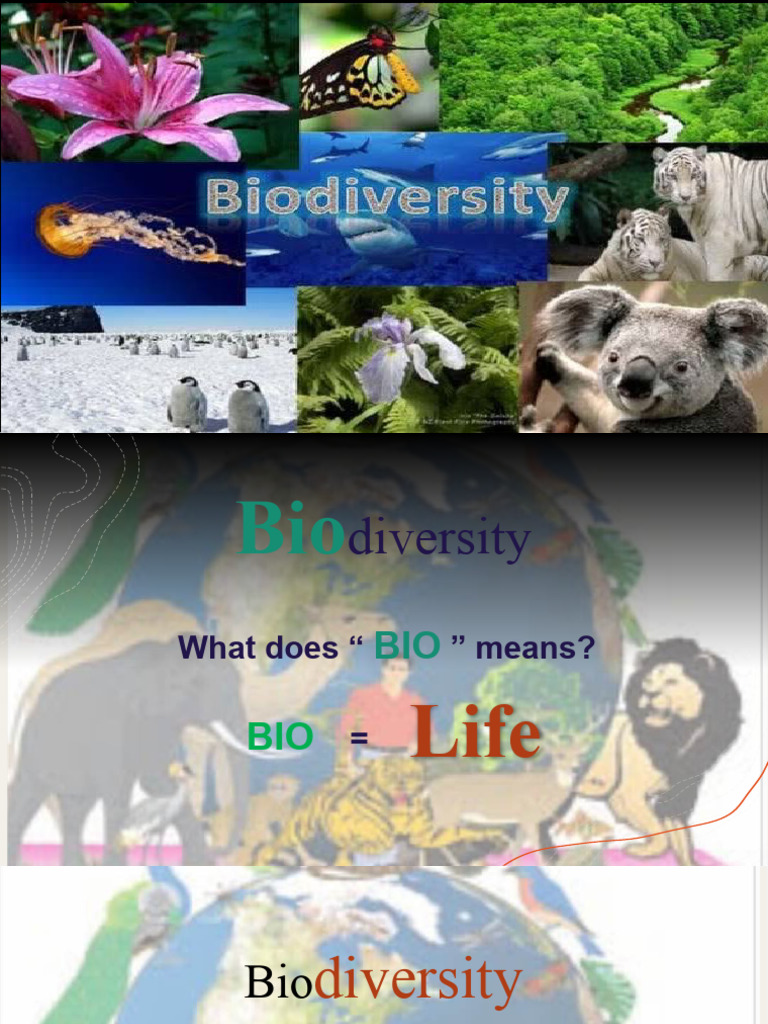
Biodiversity underpins ecosystem resilience, climate regulation, and human well‑being, providing essential services and resources that sustain life on Earth.
Quick Answer
Biodiversity – the variety of species, genes, and ecosystems – enhances the ability of natural systems to absorb shocks, store carbon, and supply food, medicine, and cultural benefits. Strong scientific consensus shows that diverse ecosystems are more productive and more resilient to climate extremes, while loss of diversity reduces these services. The most important implication is that protecting and restoring biodiversity is a cost‑effective strategy for climate mitigation, adaptation, and human health, though uncertainties remain about exact thresholds for many services.
Key Takeaways
- Diverse ecosystems are more resilient to pests, disease, and climate extremes.
- Forests, wetlands, and oceans rich in species sequester significantly more carbon than simplified systems.
- Genetic diversity fuels agriculture, medicine, and biotechnology breakthroughs.
- Biodiversity supports cultural identity, recreation, and mental health.
- Conservation and sustainable management deliver climate mitigation, adaptation, and livelihood benefits.
What Is The Benefits of Biodiversity for Ecosystems Climate and Humanity?
Biodiversity refers to the full range of living variation on Earth, encompassing species richness, genetic differences within species, and the variety of ecosystems such as forests, coral reefs, grasslands, and wetlands. The benefits arise from ecological interactions – pollination, predation, decomposition, and nutrient cycling – that sustain ecosystem services. Unlike a single‑species focus, biodiversity captures the network of relationships that generate stability, productivity, and resilience, making it a cornerstone of both natural and human systems.
How Does It Work?
Ecological Resilience
When multiple species perform similar functions (functional redundancy), the loss of one species can be compensated by others, allowing the ecosystem to maintain its processes. For example, a mixed‑species forest contains several tree species that can photosynthesize under different light or moisture conditions, buffering the stand against drought or pest outbreaks.
Carbon Sequestration
Plants capture atmospheric CO₂ through photosynthesis and store carbon in biomass and soils. Diverse plant communities typically have deeper root systems and varied leaf phenologies, which increase total carbon uptake and improve soil organic matter stability. Wetlands with a mix of emergent macrophytes also trap carbon in water‑logged soils where decomposition is slow.
Genetic Resources
Genetic variation within crop wild relatives provides traits such as disease resistance or drought tolerance. Breeders draw on this pool to develop new cultivars, a process documented in the Food and Agriculture Organization’s (FAO) reports on plant genetic resources.
Human Well‑Being
Species produce medicines (e.g., the anti‑cancer drug paclitaxel from the Pacific yew) and support livelihoods through fisheries, tourism, and cultural practices. Diverse ecosystems also deliver aesthetic and recreational benefits that improve mental health, as shown in studies by the World Health Organization.
What Does the Evidence Show?
Long‑term monitoring by the Intergovernmental Science‑Policy Platform on Biodiversity and Ecosystem Services (IPBES, 2019) indicates that ecosystems with higher species richness exhibit greater primary productivity and stability. Meta‑analyses of 150 experimental grassland studies (e.g., the Biodiversity‑Ecosystem Functioning project) find a positive correlation between species number and biomass production, with confidence classified as strong. The IPCC Sixth Assessment Report (2022) cites numerous ecosystem‑based mitigation examples, noting that intact tropical forests store roughly 25 % of global carbon, a capacity that declines sharply when diversity is reduced. Regional assessments in the United Nations Environment Programme (UNEP) report that coral reefs with higher coral species richness recover faster from bleaching events, demonstrating moderate‑strength evidence for resilience benefits.
Main Causes or Drivers
Direct Causes
- Habitat conversion for agriculture, urban development, and infrastructure.
- Overexploitation of wildlife and fish stocks.
- Pollution, including nutrient runoff and plastic debris.
Underlying Drivers
- Economic incentives favoring short‑term resource extraction.
- Climate change accelerating species range shifts and extinction risk.
- Inadequate governance and enforcement of biodiversity laws.
Environmental and Human Impacts
Environmental Impacts
Loss of pollinator diversity leads to reduced crop yields, as documented in a 2020 systematic review of 73 studies. Declining forest biodiversity diminishes carbon storage capacity, contributing to higher atmospheric CO₂ concentrations. Degraded wetlands lose their ability to buffer floods, increasing downstream flood risk.
Human Health and Social Impacts
Reduced biodiversity can increase the emergence of zoonotic diseases; the World Health Organization links higher wildlife‑human contact in biodiverse‑depleted areas to heightened spillover risk. Communities that depend on fisheries experience lower catch stability when marine species diversity declines, threatening food security and livelihoods.
Economic and Infrastructure Impacts
Tourism revenue from natural attractions drops when iconic species disappear, as shown in a 2018 UNEP economic analysis of coral reef tourism losses amounting to US$13 billion globally.
Regional Differences
Tropical regions host over 70 % of terrestrial species, so biodiversity loss there disproportionately reduces global carbon sequestration potential. In temperate agricultural zones, diversified farming systems (e.g., agroforestry) have been shown to maintain yields under variable rainfall, whereas monocultures suffer larger losses. Arctic tundra ecosystems, though low in species richness, are highly sensitive to climate‑driven changes in plant community composition, affecting permafrost carbon release.
What Scientists Know With High Confidence
- Diverse ecosystems are more productive and resilient than low‑diversity systems (strong evidence from long‑term experiments).
- Forests, wetlands, and oceans with high species richness store more carbon per unit area (moderate‑to‑strong evidence).
- Genetic diversity underpins crop improvement and disease‑resistant varieties (strong evidence from breeding programs).
- Loss of biodiversity reduces the provision of pollination, water purification, and flood regulation services (strong evidence).
What Remains Uncertain
The precise functional thresholds at which ecosystem services collapse are still debated, because most studies are site‑specific and long‑term data are limited. The magnitude of biodiversity’s contribution to climate mitigation in highly altered landscapes (e.g., urban green spaces) remains an emerging research area. Additionally, the socioeconomic pathways that will best align biodiversity conservation with human development goals are not yet fully quantified.
Common Misconceptions
Misconception: “One charismatic species can protect an entire ecosystem.”
Reality: While flagship species raise awareness, ecosystem health depends on many interacting species; protecting a single species rarely safeguards the whole system.
Misconception: “Biodiversity only matters for wildlife enthusiasts.”
Reality: Biodiversity directly supports food production, clean water, climate regulation, and health outcomes that affect everyone.
Misconception: “Planting any trees will offset carbon emissions.”
Reality: Effective carbon sequestration requires native, diverse tree species and suitable site conditions; monoculture plantations often store less carbon and provide fewer co‑benefits.
Solutions and Limitations
Conservation approaches such as protected areas, community‑managed forests, and marine reserves have demonstrated success in preserving species and carbon stocks, but they can be limited by insufficient funding, enforcement challenges, and potential displacement of local peoples. Restoration initiatives (e.g., reforestation with mixed native species) improve carbon capture and biodiversity, yet success depends on soil quality, climate suitability, and long‑term maintenance. Sustainable agriculture practices like agroforestry increase on‑farm diversity and resilience, though they may require upfront knowledge transfer and market support. Policy instruments (e.g., biodiversity offsets) can channel finance to conservation, but their effectiveness hinges on rigorous monitoring and avoidance of “greenwashing.”
What Individuals, Communities, and Governments Can Do
What Individuals Can Do
- Choose foods with diverse, locally sourced ingredients to support agricultural biodiversity.
- Reduce waste and support products certified for sustainable sourcing (e.g., FSC timber, MSC seafood).
- Participate in citizen‑science monitoring programs that track local species.
What Communities and Organizations Can Do
- Develop and manage community‑based protected areas that incorporate traditional knowledge.
- Implement green infrastructure (e.g., native plantings, wetland buffers) to enhance urban biodiversity and flood resilience.
- Support local markets for heirloom varieties and native species.
What Governments Can Do
- Integrate biodiversity objectives into national climate‑change strategies and land‑use planning.
- Increase funding for protected area networks to meet the Convention on Biological Diversity’s 30 % target by 2030.
- Provide incentives for agroecological practices and for restoring degraded lands with native species.
Synthesis
Biodiversity is a foundational driver of ecosystem productivity, climate regulation, and human health. Robust evidence shows that diverse ecosystems are more resilient and store more carbon, while the loss of species undermines essential services and increases vulnerability to climate impacts. Uncertainties remain about exact service thresholds and optimal restoration methods, but the precautionary approach—protecting and restoring diverse habitats—offers tangible benefits across scales. Coordinated actions by individuals, communities, and governments, anchored in evidence‑based policies, are essential to sustain the natural web that underpins our future.
Frequently Asked Questions
What is biodiversity and why is it important?
Biodiversity is the variety of life at the genetic, species, and ecosystem levels; it underpins services like food production, clean water, and climate regulation, making it essential for both natural systems and human well‑being.
How does biodiversity help mitigate climate change?
Diverse forests, wetlands, and oceans store more carbon per area because multiple species capture and retain CO₂ through varied growth patterns and deeper root systems, enhancing overall carbon sequestration.
What are the main drivers of biodiversity loss?
The primary drivers include habitat conversion for agriculture and development, overexploitation of wildlife, pollution, and climate change, all amplified by economic incentives that favor short‑term resource use.
Can protecting biodiversity also improve human health?
Yes; biodiversity supplies medicines, supports pollination of nutritious crops, and reduces disease risk by maintaining ecosystem balances that limit pathogen spillover to humans.
What actions can governments take to safeguard biodiversity?
Governments can embed biodiversity goals in climate policies, expand and adequately fund protected area networks, and incentivize sustainable agriculture and native‑species restoration to preserve ecosystem services.







Leave a Comment