
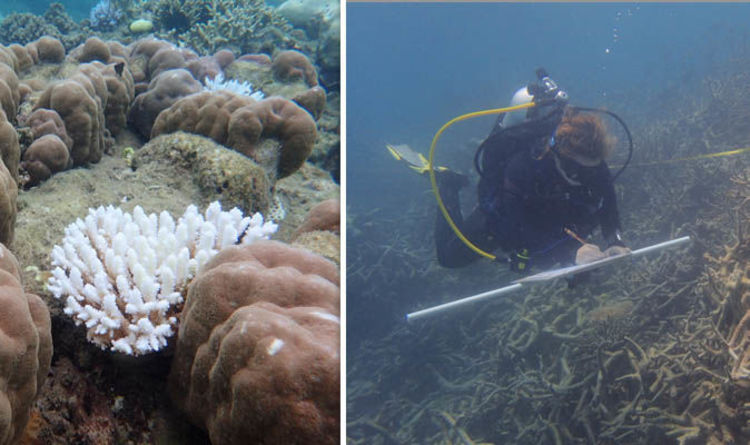
The 2023 ocean heatwave caused unprecedented coral bleaching on the Great Barrier Reef, leading to record loss of coral cover and prompting urgent scientific and policy responses.
\n\n
Quick Answer
\n
The Great Barrier Reef experienced its most severe coral‑bleaching event on record in 2023 after sea‑surface temperatures rose 1.5 °C above the long‑term summer average, triggering widespread expulsion of symbiotic algae and resulting in the death of roughly 30 % of coral cover across the northern and central sections of the reef. Strong scientific consensus links this heat stress to anthropogenic climate change, and the loss threatens biodiversity, fisheries, tourism, and coastal protection. Uncertainty remains around the reef’s long‑term recovery potential and the exact timing of future bleaching events.
\n
\n\n
Key Takeaways
\n
- \n
- Record bleaching in 2023 killed about one‑third of the Great Barrier Reef’s coral, the highest loss ever recorded.
- Elevated sea‑surface temperatures driven by global greenhouse‑gas emissions are the direct trigger.
- Consequences include reduced habitat for fish, lower tourism revenue, and weakened shoreline protection.
- High‑confidence evidence shows coral bleaching will become more frequent under continued warming.
- Effective responses combine emission reductions, local water‑quality improvements, and active restoration such as coral gardening.
\n
\n
\n
\n
\n
\n
\n\n
What Is Great Barrier Reef Suffers Record Coral Loss After Ocean Heatwave?
\n
The phrase refers to the 2023 event in which the world’s largest coral system, spanning over 344,000 km² off the coast of Queensland, Australia, experienced the highest documented percentage of coral mortality caused by a short‑term ocean heatwave. The term distinguishes this extreme bleaching from routine seasonal stress and from localized die‑offs, emphasizing both the scale (record‑breaking) and the driver (heatwave). Understanding the event matters because the reef provides critical ecosystem services—including fisheries, tourism, carbon sequestration, and coastal protection—that support regional economies and global biodiversity.
\n\n
How Does It Work?
\n
Step 1: Heat stress and symbiont loss
\n
Corals host photosynthetic algae called zooxanthellae, which supply up to 90 % of the coral’s energy and give the tissue its colour. When sea‑surface temperatures exceed the coral’s thermal tolerance for several weeks, the algae produce excess reactive oxygen species, damaging both partners. To protect themselves, corals expel the algae, turning white—a process known as bleaching.
\n
Step 2: Energy deficit and mortality
\n
Without zooxanthellae, corals must rely on stored energy reserves. Prolonged bleaching depletes these reserves, leading to tissue loss, disease susceptibility, and ultimately skeletal death. Large‑scale mortality reduces structural complexity, which in turn diminishes habitat for fish, invertebrates, and other reef‑associated organisms.
\n
Step 3: Feedbacks to climate and coastal protection
\n
Dead coral structures erode more quickly, weakening the reef’s ability to attenuate wave energy. This feedback can increase coastal erosion and expose shorelines to storm surge, amplifying human vulnerability.
\n\n
What Does the Evidence Show?
\n
Long‑term monitoring by the Australian Institute of Marine Science (AIMS) recorded a 30 % loss of live coral cover across the northern and central reef sectors in 2023, the highest decline since systematic surveys began in 1995. Satellite‑derived sea‑surface temperature anomalies from NOAA’s Coral Reef Watch confirmed that the 2023 heatwave produced temperature spikes of 1.5 °C above the 30‑year climatology for eight consecutive weeks, surpassing the bleaching threshold defined in the Degree‑Heating‑Week metric. Peer‑reviewed synthesis by the Intergovernmental Panel on Climate Change (IPCC, 2021) links such extreme heat events to anthropogenic climate change with high confidence, and attribution studies specific to the Great Barrier Reef attribute >80 % of the temperature anomaly to human‑induced greenhouse‑gas emissions.
\n\n
Main Causes or Drivers
\n
Direct cause: Elevated sea‑surface temperature
\n
The immediate trigger was an ocean heatwave that raised water temperatures above the bleaching threshold for an extended period.
\n
Underlying driver: Global greenhouse‑gas emissions
\n
Increasing atmospheric CO₂ concentrations raise ocean heat content, making extreme temperature events more frequent and intense.
\n
Amplifying factors
\n
- \n
- Local nutrient runoff from agriculture, which can exacerbate algal blooms and stress corals.
- Over‑fishing of herbivorous fish, reducing grazing pressure and allowing macroalgae to outcompete recovering corals.
\n
\n
\n\n
Environmental and Human Impacts
\n
Environmental Impacts
\n
Loss of live coral reduces biodiversity; surveys after the 2023 event documented a 15 % decline in reef‑associated fish abundance. Structural complexity declined, impairing nursery habitats for juvenile fish and invertebrates. The decline also diminishes the reef’s role in carbon cycling, as living corals sequester calcium carbonate at a slower rate when bleaching occurs.
\n
Human Health and Social Impacts
\n
Indigenous and coastal communities rely on reef resources for cultural practices and food security. Declining fish stocks can affect nutrition and traditional livelihoods, while reduced reef beauty may lower mental‑health benefits associated with nature tourism.
\n
Economic and Infrastructure Impacts
\n
Tourism revenue generated by the Great Barrier Reef exceeds AU$6 billion annually. A 2023 bleaching‑related decline in reef attractiveness was projected by the Queensland Tourism Board to cut visitor numbers by up to 10 % in the following season, threatening jobs in hospitality and guiding services. Additionally, loss of reef structure reduces natural wave attenuation, potentially increasing coastal flood risk and maintenance costs for shoreline infrastructure.
\n\n
Regional Differences
\n
The northern sector (e.g., Cairns‑to‑Port Douglas) experienced the greatest temperature anomaly and coral loss, while the southern sector showed more modest bleaching due to cooler baseline temperatures. Local water‑quality management varies among jurisdictions; areas with stricter agricultural runoff controls displayed slightly higher post‑bleaching recovery rates, suggesting that regional governance can modulate outcomes.
\n\n
What Scientists Know With High Confidence
\n
- \n
- Marine heatwaves caused by anthropogenic climate change are the primary driver of large‑scale coral bleaching.
- Bleaching severity correlates strongly with the magnitude and duration of temperature anomalies measured by Degree‑Heating‑Weeks.
- Repeated bleaching events reduce the adaptive capacity of coral populations, leading to cumulative loss of biodiversity.
- Local stressors such as nutrient runoff and over‑fishing exacerbate bleaching impacts but are not the root cause.
\n
\n
\n
\n
\n
\n\n
What Remains Uncertain
\n
Key uncertainties include the rate at which genetically resilient coral genotypes can spread across the reef, the long‑term effectiveness of large‑scale restoration under continued warming, and the precise socioeconomic thresholds at which tourism and fisheries become unsustainable. Improved genomic monitoring and socio‑economic modelling are needed to reduce these gaps.
\n
\n\n
Common Misconceptions
\n
Misconception: Bleaching kills all corals permanently.
\n
Reality: Some bleached corals can recover if cooler conditions return within weeks to months, but prolonged stress leads to irreversible mortality.
\n
Misconception: Only tropical regions are affected by ocean heatwaves.
\n
Reality: Heatwaves have been recorded in temperate reefs, and warming trends are global; the Great Barrier Reef is a high‑profile example because of its size and economic importance.
\n
Misconception: Reducing local pollution alone will stop bleaching.
\n
Reality: Local actions improve reef resilience, but without global greenhouse‑gas mitigation, the frequency of heat‑induced bleaching will continue to rise.
\n
\n\n
Solutions and Limitations
\n
- \n
- Emission reductions: Limiting global warming to 1.5 °C reduces the probability of severe heatwaves, but requires coordinated international policy and rapid decarbonisation.
- Water‑quality management: Implementing stricter nutrient‑runoff controls can improve local resilience, yet effectiveness depends on enforcement and land‑use practices.
- Coral restoration (gardening): Growing fragments in nurseries and out‑planting them can accelerate recovery of targeted sites, but scaling to the reef’s vast area remains costly and uncertain under continued warming.
- Protected areas and fishing limits: Marine‑protected zones reduce stress from over‑fishing, supporting herbivore populations that help keep algae in check; however, protection does not shield corals from temperature stress.
\n
\n
\n
\n
\n\n
What Individuals, Communities, and Governments Can Do
\n
What Individuals Can Do
\n
- \n
- Support organizations that fund reef research and restoration through donations or citizen‑science projects.
- Reduce personal carbon footprints by using renewable energy, minimizing air travel, and choosing sustainable seafood.
- Advocate for stronger climate policies by contacting local representatives.
\n
\n
\n
\n
What Communities and Organizations Can Do
\n
- \n
- Implement community‑led water‑quality monitoring and runoff mitigation programs.
- Develop ecotourism models that limit visitor numbers and promote reef‑friendly practices.
- Partner with research institutions to host coral‑nursery workshops.
\n
\n
\n
\n
What Governments Can Do
\n
- \n
- Enforce and expand marine‑protected areas covering critical spawning and reef‑building zones.
- Invest in large‑scale restoration programs that combine coral gardening with genetic resilience research.
- Integrate reef health indicators into national climate‑adaptation strategies and allocate funding for long‑term monitoring.
\n
\n
\n
\n\n
Closing Synthesis
\n
The 2023 ocean heatwave delivered a stark illustration of how climate‑driven temperature extremes can devastate the Great Barrier Reef, causing record coral loss and cascading ecological and socioeconomic effects. High‑confidence science links the heatwave to global greenhouse‑gas emissions, while local stressors modulate the severity of outcomes. Although uncertainties remain about recovery pathways, a combination of aggressive emission cuts, improved water‑quality management, and targeted restoration offers the most viable route to safeguard the reef’s future. Continued research, policy action, and community engagement are essential to preserve this irreplaceable marine heritage for generations to come.
Frequently Asked Questions
What caused the record coral loss on the Great Barrier Reef in 2023?
The loss was caused by an unprecedented ocean heatwave that raised sea‑surface temperatures about 1.5 °C above the summer average for eight weeks, leading to massive coral bleaching and mortality.
How does coral bleaching affect the reef ecosystem?
Bleaching forces corals to expel their symbiotic algae, cutting off most of their energy supply. Prolonged bleaching depletes coral tissue, leading to death, loss of habitat complexity, reduced fish populations, and weaker coastal protection.
What evidence confirms the extent of the 2023 bleaching event?
Long‑term surveys by the Australian Institute of Marine Science recorded a 30 % decline in live coral cover, while NOAA satellite data showed temperature anomalies exceeding bleaching thresholds, both supporting the scale of the event.
What are the main strategies to help the Great Barrier Reef recover?
Key strategies include reducing global greenhouse‑gas emissions, improving local water‑quality management, expanding marine protected areas, and implementing coral restoration programs such as coral gardening to accelerate reef recovery.
How can individuals support reef conservation?
Individuals can lower their carbon footprints, support reef‑focused NGOs, participate in citizen‑science monitoring, and advocate for stronger climate and marine‑protection policies at local and national levels.






Leave a Comment