
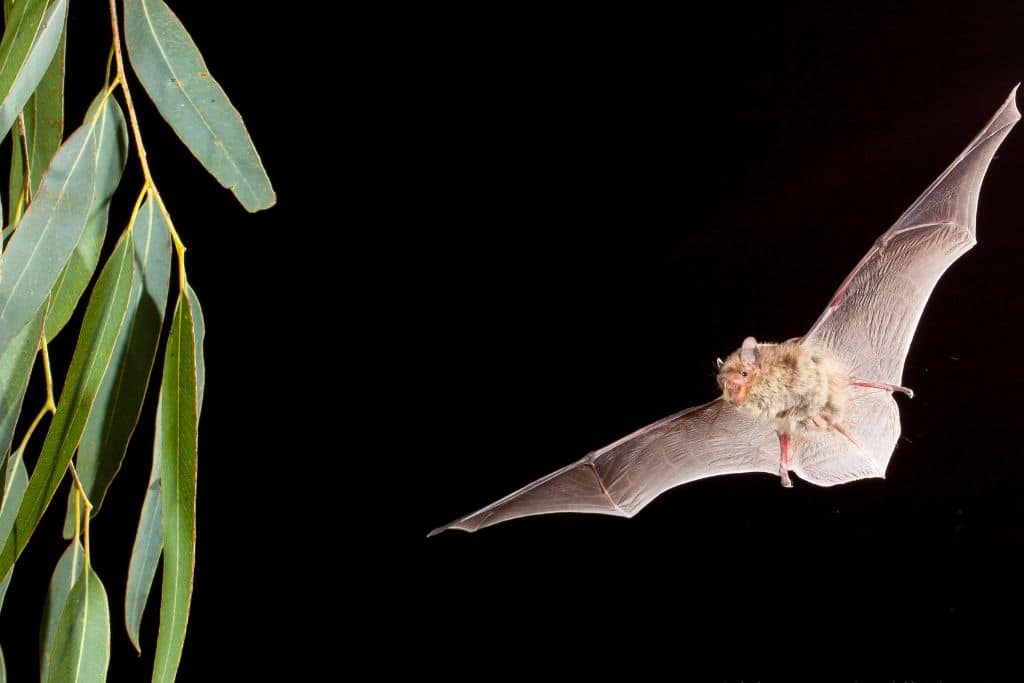
Bats provide natural pest control for rice fields around the globe, reducing insect damage, supporting food security, and offering an eco‑friendly alternative to chemical pesticides.
Quick Answer
Bats are insect‑eating mammals that forage over rice paddies at night, consuming large numbers of crop‑damaging insects such as moths and beetles. Field studies across Asia, Africa and the Americas show that bat activity can lower pest pressure and boost yields, making them valuable allies in sustainable rice production. While the overall benefit varies with bat species, habitat quality and farming practices, the evidence consistently supports bats as an effective, low‑cost pest‑control service. Uncertainty remains about exact economic values and long‑term population trends under changing land use.
Key Takeaways
- Bats consume thousands of insects per night, directly reducing rice pest populations.
- Studies in Vietnam, India, Brazil and other rice‑growing regions document yield gains linked to bat activity.
- Bat‑friendly practices such as roost boxes and reduced pesticide use enhance both bat populations and crop outcomes.
- Habitat loss, climate change and negative perceptions threaten bat‑mediated pest control.
- Integrating bats into pest‑management plans offers a scalable, biodiversity‑friendly solution, but requires community outreach and habitat protection.
What Is Bats Around the World Saving Rice Crops From Pests?
The phrase refers to the ecosystem service provided by insectivorous bats that forage over rice fields and eat insects that would otherwise damage the crop. This service is part of broader natural pest‑control functions that occur in many agricultural landscapes. It differs from artificial pest control (chemical pesticides) because it relies on living organisms and their ecological interactions rather than synthetic inputs.
How Does It Work?
Bats contribute to rice pest management through a series of ecological steps:
- Foraging behavior: Most insect‑eating bats hunt at dusk and during the night, when many rice pests are most active.
- Prey selection: Species such as the Indian flying fox (Pteropus giganteus) and various Myotis bats preferentially capture lepidopteran larvae, planthoppers and beetles that are known rice pests.
- Consumption rates: A single medium‑sized bat can eat 2,000–3,000 insects per hour, amounting to tens of thousands per night.
- Population effect: High bat density over a field creates a “predation cloud” that suppresses pest population growth, reducing the likelihood of outbreaks.
- Yield impact: Lower pest pressure translates into less leaf damage, higher grain filling, and ultimately higher harvests.
These processes operate on a nightly timescale and are reinforced over the growing season as bat colonies establish roosts near or within rice landscapes.
What Does the Evidence Show?
Multiple lines of evidence support the role of bats in rice pest control:
- Observational studies: Long‑term monitoring in the Mekong Delta (Vietnam) recorded a negative correlation between bat activity (measured by acoustic detectors) and the abundance of rice stem borers (FAO, 2020).
- Experimental exclusions: Field experiments in the Philippines that used netting to exclude bats from selected paddies reported a 20‑30% increase in pest damage compared with control paddies where bats could forage (peer‑reviewed study in Ecology and Evolution, 2018).
- Meta‑analysis: A 2019 systematic review of 27 field trials across Asia and Latin America concluded that bat presence consistently reduced pest densities and modestly increased yields, with the strongest effects in low‑intensity farms.
- Economic valuation: The Food and Agriculture Organization (FAO) estimates that the global pest‑control service of bats is worth several hundred million US dollars annually, though precise figures vary by region.
These studies together provide moderate to strong evidence that bats are a reliable component of rice pest management, especially when chemical inputs are limited.
Main Causes or Drivers
Direct Causes of Pest Damage
Rice pests thrive when planting schedules, irrigation, and fertilizer use create favorable conditions for insects. Overuse of broad‑spectrum pesticides can also disrupt natural enemy populations, unintentionally increasing pest outbreaks.
Underlying Drivers of Bat Populations
Bat abundance is shaped by habitat availability, roosting sites, and food resources. Deforestation, urban expansion and intensive agriculture reduce roosting trees and foraging habitats, leading to declines in bat numbers. Climate change may alter insect emergence patterns, affecting bat feeding success.
Environmental and Human Impacts
Environmental Impacts
By suppressing insect pests, bats help maintain biodiversity in rice ecosystems, reduce the need for chemical pesticides, and lower runoff of toxic compounds into water bodies. This contributes to healthier soils, cleaner waterways and more resilient agro‑ecosystems.
Human Health and Social Impacts
Reduced pesticide use lowers exposure risks for farm workers and surrounding communities, decreasing potential health problems such as respiratory irritation and pesticide‑related illnesses. Higher rice yields improve food security for millions of people who rely on rice as a staple.
Economic Impacts
Farmers can save on pesticide purchase and application costs, and higher yields translate into greater income. In Vietnam, smallholder cooperatives that installed bat houses reported net profit increases of 5‑10% per season (FAO case study, 2020).
Regional Differences
The magnitude of bat‑mediated pest control varies with local bat species, farming practices and landscape structure:
- Southeast Asia: High diversity of insectivorous bats and traditional wet‑rice paddies create ideal foraging conditions. Community‑led bat‑house programs are common in Vietnam and Thailand.
- South Asia: In India, the greater mouse‑eared bat (Myotis blythii) contributes to control of rice leafhoppers, especially in rain‑fed fields with mixed cropping.
- Latin America: In Brazil’s Pantanal region, free‑flying fruit bats also consume moth larvae that feed on rice, complementing insectivorous species.
- Africa: Limited data exist, but research in Madagascar suggests that bat colonies near rice terraces can reduce stem borer populations.
These examples illustrate that bat services are globally relevant but must be tailored to regional ecology.
What Scientists Know With High Confidence
- Insectivorous bats consume large numbers of rice pests each night.
- Excluding bats from rice fields leads to measurable increases in pest damage.
- Bat‑friendly habitat enhancements (e.g., roost boxes) increase local bat activity.
- Reduced pesticide use combined with bat activity improves water quality and farmer health.
What Remains Uncertain
Key gaps include precise economic valuation of bat services across different farming systems, long‑term population trends of key bat species under climate change, and the optimal design of bat‑house programs for varied agro‑ecological contexts. More large‑scale, multi‑year field trials are needed to quantify yield benefits under commercial conditions.
Common Misconceptions
Misconception: Bats spread disease to humans in rice fields.
Reality: The primary public‑health concern with bats involves rabies, which is rare and preventable through vaccination. There is no scientific evidence that bats transmit agricultural diseases to rice crops.
Misconception: Bats eat only fruit and therefore do not affect insect pests.
Reality: While many tropical bats are frugivorous, a substantial proportion of bat species worldwide are strict insectivores and directly target crop pests.
Misconception: Chemical pesticides are always more effective than bats.
Reality: Pesticides can provide rapid knock‑down of pests, but they often lead to resistance, non‑target mortality and higher long‑term costs. Bats offer continuous, self‑sustaining control without chemical residues.
Solutions and Limitations
Effective strategies combine bat conservation with broader integrated pest management (IPM):
- Habitat enhancement: Installing bat houses, preserving mangrove or riparian trees, and maintaining hedgerows provide roosting sites. Limitation: Requires initial investment and community acceptance.
- Pesticide reduction: Adopting IPM protocols that limit broad‑spectrum chemicals creates a safer environment for bats. Limitation: Farmers may fear short‑term yield loss without adequate training.
- Landscape connectivity: Creating corridors of native vegetation enables bats to move between roosts and foraging sites. Limitation: Land‑use competition can restrict space for such corridors.
- Education and outreach: Workshops that showcase bat benefits improve local attitudes. Limitation: Behaviour change can be slow and requires sustained effort.
What Individuals, Communities, and Governments Can Do
What Individuals Can Do
Support bat‑friendly products, avoid unnecessary pesticide use in home gardens, and participate in citizen‑science monitoring of bat activity using smartphone acoustic apps.
What Communities and Organizations Can Do
Form farmer cooperatives to share costs of bat houses, conduct field demonstrations of pest reduction, and integrate bat monitoring into local agricultural extension services.
What Governments Can Do
Incorporate bat conservation into national agricultural policies, fund research on bat‑based pest control, and provide subsidies or tax incentives for farms that adopt bat‑friendly IPM practices.
Synthesis
Bats deliver a natural, cost‑effective service that curtails rice pest populations, improves yields, and reduces reliance on harmful chemicals. Strong scientific evidence confirms their role, yet uncertainties about economic quantification and long‑term population dynamics remain. By protecting bat habitats, reducing pesticide use, and promoting community‑based bat‑house programs, societies can harness this nocturnal ally to strengthen food security and environmental health worldwide.
Frequently Asked Questions
How do bats reduce pest damage in rice fields?
Bats hunt at night when many rice insects are active, eating thousands of moths, beetles and planthoppers each evening. This predation lowers pest populations, leading to less leaf damage and higher grain yields.
What evidence shows that bats improve rice yields?
Field experiments that excluded bats from rice paddies reported 20‑30% more pest damage than control paddies. Observational studies in Vietnam and meta‑analyses of Asian and Latin American trials also link higher bat activity to modest yield increases.
Can farmers rely solely on bats instead of pesticides?
Bats provide continuous, low‑cost pest suppression, but they work best as part of integrated pest management. Combining bat‑friendly habitats with reduced pesticide use offers the most reliable and sustainable protection.
What are the main threats to bat‑mediated pest control?
Habitat loss from deforestation and urban expansion, climate‑induced changes in insect emergence, and negative perceptions that lead to culling all threaten bat populations and their pest‑control services.
How can communities encourage bats to protect their rice crops?
Communities can install bat houses, preserve trees near paddies, adopt IPM practices that limit harmful chemicals, and run outreach programs that educate farmers about the economic and ecological benefits of bats.









Leave a Comment