
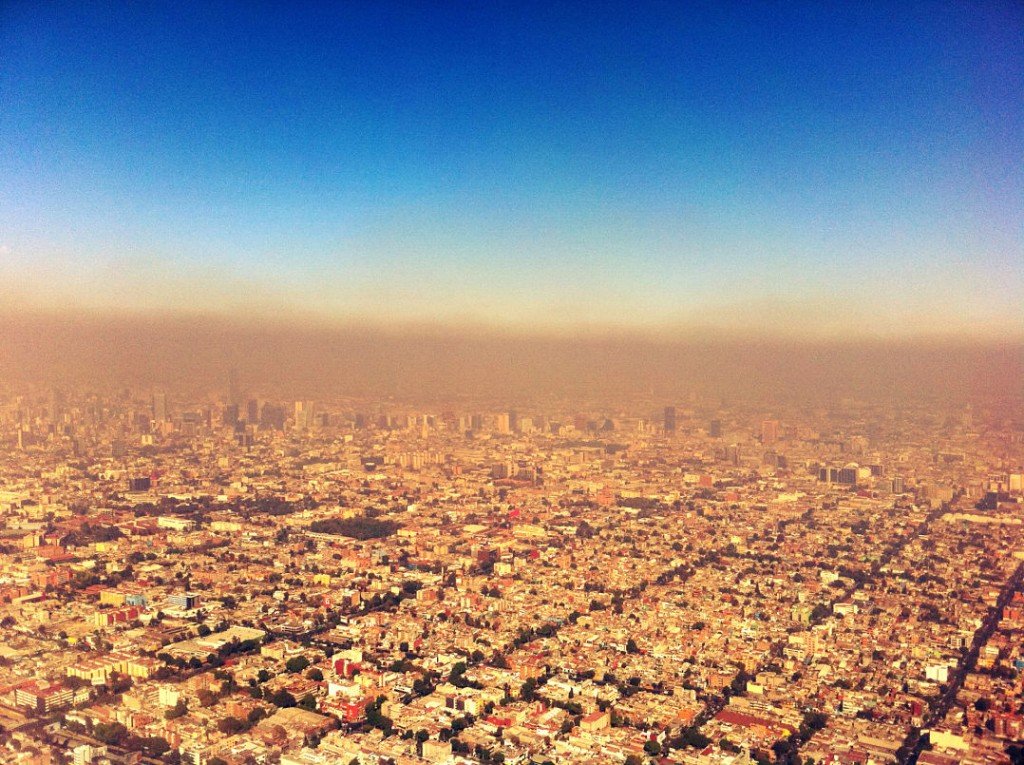
Air pollution in Mexico City is a persistent climate and public‑health crisis driven by vehicle and industrial emissions trapped in a high‑altitude basin, harming residents and the environment.
Quick Answer
Air pollution in Mexico City results from dense traffic, industrial output, and the valley’s topography that limits dispersion, creating chronic smog rich in particulate matter (PM2.5, PM10) and nitrogen dioxide (NO2). Strong scientific consensus links this pollution to increased respiratory and cardiovascular disease, especially among children and low‑income communities. While long‑term trends show modest improvements after policy interventions, significant uncertainty remains about future exposure under rapid urban growth and climate change.
Key Takeaways
- Vehicle exhaust and industrial processes are the dominant sources of Mexico City’s air pollutants.
- The surrounding mountains create a bowl‑shaped basin that traps emissions, intensifying smog formation.
- Long‑term monitoring shows PM2.5 levels frequently exceed World Health Organization guidelines, raising risks of asthma, heart disease, and premature death.
- Policy measures—such as stricter vehicle standards, expanded public transit, and urban greening—have reduced some pollutants but gaps remain.
- Equitable solutions must address higher exposure in poorer neighborhoods and protect vulnerable groups like children and the elderly.
What Is Air Pollution in Mexico City: A Climate and Public Health Crisis?
Air pollution describes the presence of substances in the atmosphere that are harmful to human health or the environment. In Mexico City, the term encompasses a mixture of fine particulate matter (PM2.5 and PM10), nitrogen oxides (NOx), sulfur dioxide (SO2), ozone (O3), and volatile organic compounds (VOCs). The city’s geographic setting—an elevated basin surrounded by mountains—means that these pollutants accumulate, especially during temperature inversions. The crisis is both a climate issue (because many pollutants also affect radiative forcing) and a public‑health emergency, with measurable impacts on morbidity and mortality.
How Does It Work?
1. Emission Sources
Two primary anthropogenic sources dominate:
- Vehicle exhaust: Over five million registered cars generate NO2 and PM through incomplete combustion.
- Industrial activity: Manufacturing plants and power generation emit SO2, PM, and VOCs.
2. Atmospheric Trapping
The Valley of Mexico sits at roughly 2,240 m above sea level and is encircled by volcanic mountains. During calm, cool nights a temperature inversion forms, preventing vertical mixing. Pollutants therefore remain near the surface, undergoing chemical reactions that create secondary pollutants such as ozone.
3. Chemical Transformation
Sunlight drives photochemical reactions: NO2 photolyzes to NO and atomic oxygen, which combines with O2 to form ozone. VOCs react with NOx, enhancing ozone production. Simultaneously, sulfur and nitrogen compounds can form sulfates and nitrates that attach to existing particles, increasing PM2.5 mass.
What Does the Evidence Show?
Long‑term monitoring by the Secretaría de Medio Ambiente y Recursos Naturales (SEMARNAT) indicates that annual average PM2.5 concentrations in the central borough have hovered around 20‑25 µg m⁻³ in the 2010s, surpassing the World Health Organization’s 10 µg m⁻³ guideline. A 2020 systematic review of epidemiological studies in Mexico City found a consistent association between PM2.5 exposure and a 6‑12 % increase in hospital admissions for asthma among children. Satellite‑derived NO2 columns (NASA OMI, 2018‑2022) reveal hotspots along major highways, corroborating ground‑based measurements. While the 2019 “Hoy No Circula” vehicle‑restriction program reduced NO2 peaks by roughly 15 % during implementation months, overall trends remain upward due to population growth.
Main Causes or Drivers
Direct Causes
- Combustion of gasoline and diesel in a fleet where many vehicles predate 2010 emission standards.
- Industrial boilers and metal‑working facilities that lack modern scrubbers.
Underlying Drivers
- Rapid urban expansion increasing traffic density and energy demand.
- Limited public‑transport capacity relative to commuter needs.
- Topographic confinement that reduces natural ventilation.
Amplifying Factors
- Seasonal temperature inversions that are more pronounced in winter months.
- Climate‑change‑related shifts in wind patterns, potentially worsening stagnation.
Environmental and Human Impacts
Environmental Impacts
Elevated ozone accelerates photodegradation of vegetation, reducing crop yields in peri‑urban farms by an estimated 3‑5 % according to a 2021 FAO assessment. Particulate deposition on soils can alter nutrient cycles, while acid rain from SO2 and NOx affects water bodies in the basin.
Human Health and Social Impacts
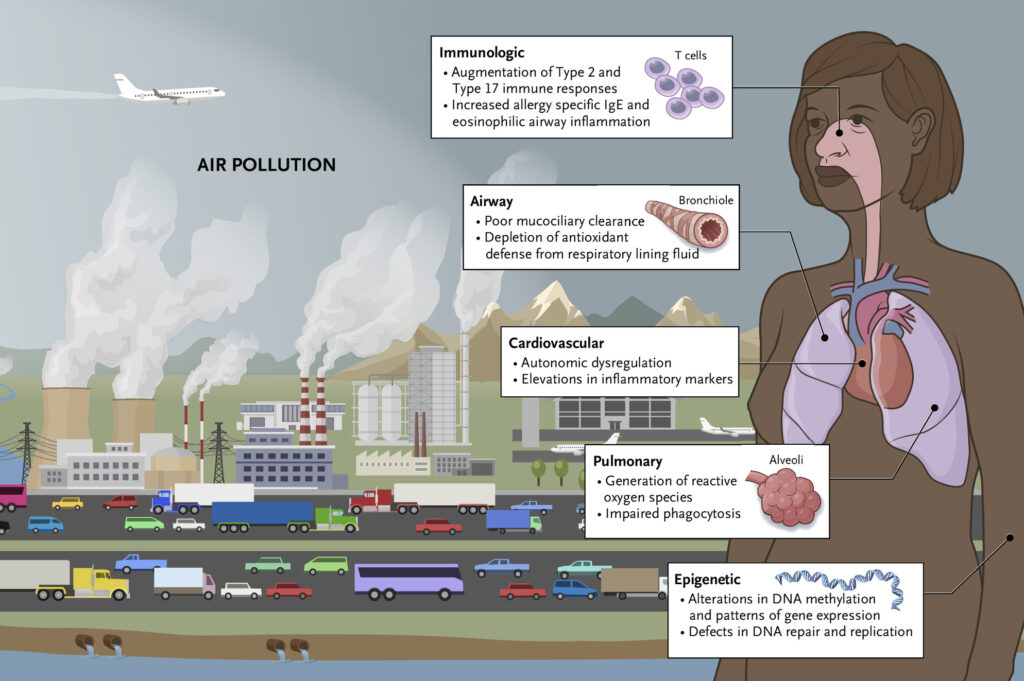
Exposure to PM2.5 is linked to higher rates of chronic bronchitis, reduced lung function, and increased cardiovascular events. The Mexican National Institute of Public Health (2022) estimates that air‑pollution‑related mortality in the metropolitan area exceeds 4,000 deaths per year, with disproportionate burden on low‑income districts lacking green space. Children under 15 experience a 30 % higher prevalence of asthma compared with national averages, reflecting both exposure and limited access to preventive care.
Economic and Infrastructure Impacts
Health‑related absenteeism costs the regional economy an estimated US$150 million annually (World Bank, 2020). Frequent smog alerts also disrupt outdoor construction and reduce tourism revenue during peak seasons.
Regional Differences
Within the metropolitan area, northern neighborhoods such as Gustavo A. Madero exhibit higher NO2 concentrations due to proximity to major highways, while southern districts like Tláhuac, though lower in traffic density, suffer from industrial emissions and fewer trees. Rural communities on the basin’s rim experience cleaner air but can be affected by transboundary pollution from neighboring states during winter inversions.
What Scientists Know With High Confidence
- Vehicle exhaust is the largest source of NO2 and a major contributor to PM2.5 in Mexico City.
- The basin’s topography creates frequent temperature inversions that trap pollutants.
- Long‑term exposure to fine particulate matter increases risk of respiratory and cardiovascular disease.
- Policy measures that reduce traffic volume and modernize industrial stacks can measurably improve air quality.
What Remains Uncertain
Key gaps include the precise contribution of secondary organic aerosols to total PM2.5, the long‑term health effects of low‑level ozone exposure in children, and how future climate‑driven changes in wind patterns will modify inversion frequency. Better spatial monitoring, especially in informal settlements, would reduce these uncertainties.
Common Misconceptions
Misconception: Air pollution in Mexico City is only a problem in winter.
Reality: While winter inversions intensify smog, high‑temperature ozone formation makes summer days hazardous as well. Year‑round monitoring shows elevated PM2.5 throughout the year.
Misconception: Switching to electric cars will instantly solve the crisis.
Reality: Electric vehicles reduce tail‑pipe emissions, but electricity generation, battery production, and the existing fleet’s lifespan mean benefits accrue gradually. Complementary measures like public‑transit expansion are still required.
Misconception: Air‑quality alerts are exaggerated and have little health impact.
Reality: Epidemiological evidence links days classified as “unhealthy for sensitive groups” with spikes in emergency‑room visits for asthma and heart attacks, confirming the alerts’ public‑health relevance.
Solutions and Limitations
Effective responses combine regulatory, technological, and nature‑based approaches:
- Emission standards: Stricter Euro‑VI diesel limits have reduced NOx per vehicle, but enforcement gaps limit full impact.
- Public‑transport investment: Expanding electric bus fleets cuts per‑passenger emissions, yet high capital costs and route planning challenges can delay benefits.
- Urban greening: Trees and green roofs capture particulate matter, but their capacity is modest relative to total city emissions and requires water resources.
- Industrial retrofits: Installing flue‑gas desulfurization reduces SO2, yet older plants may be economically unviable to upgrade without subsidies.
- Air‑quality monitoring: Low‑cost sensor networks improve spatial resolution but need calibration against reference stations.
Each strategy carries trade‑offs: financial costs, potential displacement from infrastructure projects, and the need for coordinated governance across municipal, state, and federal agencies.
What Individuals, Communities, and Governments Can Do
What Individuals Can Do
- Use public transit or car‑pooling to reduce personal vehicle mileage.
- Maintain vehicles (regular tune‑ups, proper tire inflation) to lower emissions.
- Support local air‑quality monitoring initiatives by sharing data from low‑cost sensors.
What Communities and Organizations Can Do
- Advocate for expanded bike lanes and pedestrian‑friendly streets.
- Implement neighborhood tree‑planting campaigns prioritizing species with high pollutant‑absorption capacity.
- Partner with schools to install indoor air‑purification systems in classrooms located near major roads.
What Governments Can Do
- Enforce and progressively tighten vehicle‑emission standards, with regular inspections.
- Scale up electric‑bus fleets and provide subsidies for low‑income commuters.
- Mandate best‑available control technologies for industries, coupled with transparent emissions reporting.
- Invest in high‑resolution monitoring networks to identify hotspots and target interventions.
Closing Synthesis
Air pollution in Mexico City is a persistent climate‑linked health crisis driven by dense traffic, industrial outputs, and a basin that hinders dispersion. Robust evidence confirms that fine particles and nitrogen oxides increase respiratory and cardiovascular risk, especially for children and low‑income residents. While policies such as stricter vehicle standards and expanded public transit have produced measurable gains, uncertainties about secondary aerosol contributions and future climate influences remain. Sustainable progress will require coordinated regulation, technological upgrades, green infrastructure, and community engagement, with attention to equity and the practical limits of each solution.
Frequently Asked Questions
What are the main pollutants that affect air quality in Mexico City?
The dominant pollutants are fine particulate matter (PM2.5 and PM10), nitrogen dioxide (NO2), sulfur dioxide (SO2), ozone (O3), and volatile organic compounds (VOCs), all of which stem mainly from vehicle exhaust and industrial emissions.
How does the Valley of Mexico’s topography worsen air pollution?
The city sits in a high‑altitude basin surrounded by mountains, which promotes temperature inversions that trap pollutants near the surface, preventing vertical dispersion and leading to persistent smog.
What health problems are linked to long‑term exposure to Mexico City’s air pollution?
Long‑term exposure is associated with higher rates of asthma, chronic bronchitis, reduced lung function, cardiovascular disease, and an estimated 4,000 premature deaths per year, with children and low‑income groups most affected.
Which policies have shown measurable improvements in the city’s air quality?
Stricter vehicle‑emission standards, the “Hoy No Circula” restriction program, and the expansion of electric buses have each contributed to reductions in NO2 peaks and overall particulate levels, though challenges remain.
What actions can residents take to lower their personal exposure to air pollution?
Residents can reduce vehicle mileage by using public transit or car‑pooling, keep their cars well‑maintained, and support community monitoring or tree‑planting projects that help capture pollutants.








Leave a Comment