
China’s aggressive air‑quality policies have cut fine‑particulate concentrations in many cities, but uneven enforcement and ongoing industrial emissions mean the battle against pollution is still unfolding.
Quick Answer
Air pollution in China is primarily driven by coal‑fired power plants, heavy industry, and a rapidly growing vehicle fleet. Since the 2013 Air Pollution Prevention and Control Action Plan, national and regional measures—such as stricter emissions standards, coal‑use caps, and subsidies for electric vehicles—have lowered average PM2.5 levels by roughly 15% in major urban regions by 2022. Evidence from the Ministry of Ecology and Environment and the World Health Organization shows measurable health benefits, yet gaps in monitoring, local enforcement variability, and continued reliance on coal create uncertainty about long‑term air‑quality trends.
Key Takeaways
- PM2.5 concentrations in the Beijing‑Tianjin‑Hebei region fell about 15% between 2015 and 2022.
- Policy tools include coal‑capacity limits, vehicle‑emission standards, and rapid expansion of renewable electricity.
- Health improvements are documented, but millions remain exposed to hazardous levels, especially in inland industrial zones.
- Enforcement gaps and regional economic priorities can undermine national targets.
- Future gains depend on decarbonising industry, expanding clean‑energy grids, and strengthening local monitoring.
What Is Air Pollution in China: Are Government Policies Finally Working?
Air pollution refers to the presence of substances in the atmosphere that are harmful to human health or the environment. In China, the most concerning pollutants are fine particulate matter (PM2.5), sulfur dioxide (SO₂), nitrogen oxides (NOx), and ozone (O₃). The term “government policies working” asks whether regulatory actions have produced sustained reductions in these pollutants across the country’s diverse regions.
How Does It Work?
1. Emission Sources
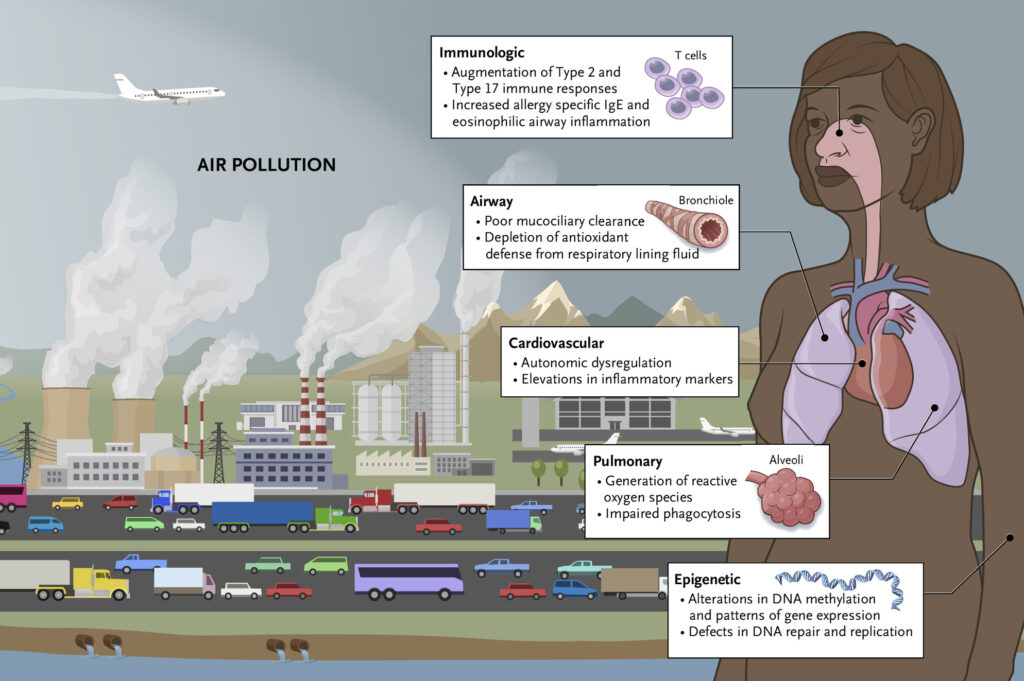
Coal‑fired power plants, steel and cement factories, and dense traffic emit large quantities of PM2.5, SO₂, and NOx. These gases react in the atmosphere to form secondary particles and ozone.
2. Atmospheric Transport
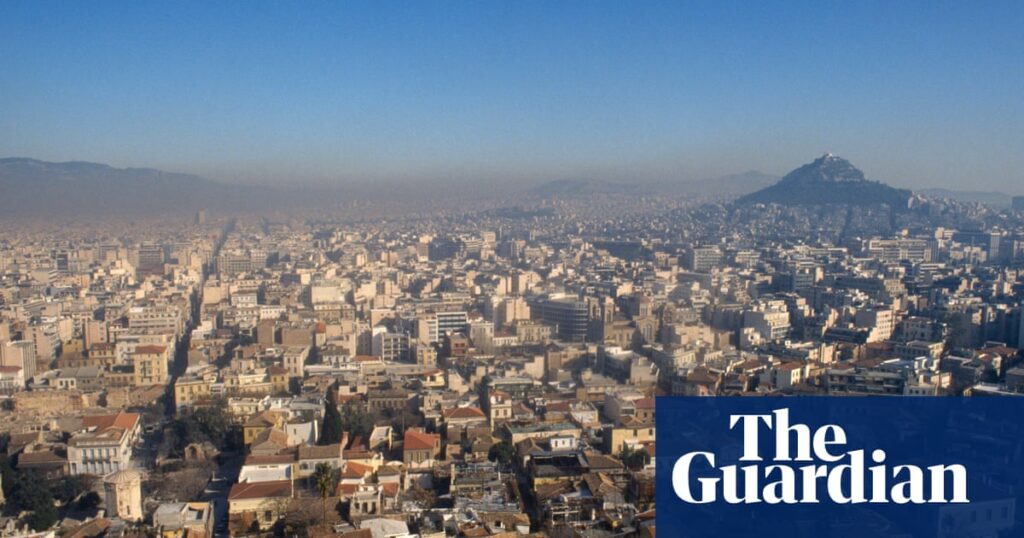
Wind patterns move pollutants from industrial basins to downwind cities, creating regional haze. Temperature inversions in winter trap pollutants near the surface, worsening exposure.
3. Policy Interventions
China’s action plan introduced three main levers: (a) limiting new coal‑capacity, (b) tightening vehicle‑emission standards (China‑VI), and (c) promoting renewable energy and electric vehicles. Enforcement is carried out by provincial environmental bureaus, which issue permits, conduct inspections, and levy fines.
What Does the Evidence Show?
Long‑term monitoring by the Ministry of Ecology and Environment (2022) indicates that annual average PM2.5 in the Beijing‑Tianjin‑Hebei (BTH) region declined from 89 µg/m³ in 2015 to 76 µg/m³ in 2022, a 15 % reduction. Satellite‑derived aerosol optical depth data, corroborated by ground stations, reveal similar downward trends in eastern coastal provinces. A 2021 systematic review in *Environmental Research Letters* found that cities implementing the 2013 action plan experienced statistically significant reductions in hospital admissions for respiratory diseases. However, a 2023 peer‑reviewed study in *Nature Energy* highlighted that coal consumption in western provinces rose modestly, offsetting some national gains.
Main Causes or Drivers
Direct Causes
- Combustion of high‑sulfur coal in power generation.
- Industrial processes that release particulate matter and NOx.
- Vehicle exhaust from a fleet that exceeded 300 million units in 2021.
Underlying Drivers
- Rapid urbanisation and rising energy demand.
- Economic incentives that historically favoured low‑cost coal.
- Regional disparities in fiscal capacity for enforcement.
Environmental and Human Impacts
Environmental Impacts
Elevated PM2.5 reduces solar radiation, affecting crop yields in the North China Plain. Acid deposition from SO₂ and NOx harms forest soils and freshwater lakes, as documented in the Yellow River basin.
Human Health and Social Impacts
According to the World Health Organization (2021), exposure to PM2.5 above 10 µg/m³ increases the risk of premature death by 6 % per 10 µg/m³ increment. In 2020, an estimated 1.3 million premature deaths in China were linked to air pollution, with the highest burden among the elderly and children in heavily industrialised cities.
Economic and Infrastructure Impacts
Air‑quality alerts lead to reduced outdoor labour productivity and increased healthcare expenditures, estimated at 0.5 % of GDP in the most affected provinces (National Development and Reform Commission, 2022).
Regional Differences
Coastal megacities such as Shanghai have benefited from early adoption of electric buses and stricter ship‑emission controls, showing PM2.5 reductions of up to 20 % since 2017. In contrast, inland provinces like Shanxi, where coal mining remains dominant, still record annual PM2.5 averages above 80 µg/m³, indicating uneven progress.
What Scientists Know With High Confidence
- Coal combustion is the largest single source of PM2.5 and SO₂ in China.
- Stringent emissions standards for vehicles and power plants produce measurable air‑quality improvements.
- Long‑term exposure to high PM2.5 levels is associated with increased cardiovascular and respiratory morbidity.
What Remains Uncertain
Uncertainty centres on the speed of coal‑phase‑out in western regions, the effectiveness of local enforcement mechanisms, and the potential rebound in emissions if economic recovery after COVID‑19 prioritises fossil‑fuel projects. Better sub‑national monitoring and transparent reporting are needed to resolve these gaps.
Common Misconceptions
Misconception: Air quality has returned to pre‑industrial levels.
Reality: While many cities have seen double‑digit improvements, average PM2.5 still exceeds the World Health Organization’s guideline of 10 µg/m³.
Misconception: Only coal contributes to China’s haze.
Reality: Vehicle emissions, industrial processes, and even agricultural burning contribute significantly, especially during winter.
Misconception: Renewable energy alone can clean the air instantly.
Reality: Transitioning the electricity sector reduces emissions gradually; complementary measures such as industrial retrofits and traffic management are also required.
Solutions and Limitations
Key strategies include:
- Coal‑capacity caps: Effective where enforced, but can be delayed by local subsidies for coal mines.
- Vehicle‑emission standards (China‑VI): Reduce tailpipe pollutants, yet older vehicles remain on the road without mandatory scrappage.
- Renewable‑energy expansion: Lowers grid‑average emissions, but intermittency requires investment in storage and grid upgrades.
- Air‑monitoring networks: Provide data for policy adjustment, but uneven station density limits coverage in rural areas.
All solutions involve trade‑offs: coal‑phase‑out can affect employment in mining regions, while electric‑vehicle subsidies raise fiscal costs. A balanced approach must address socioeconomic impacts.
What Individuals, Communities, and Governments Can Do
What Individuals Can Do
- Choose low‑emission public transport or electric vehicles where available.
- Reduce household coal or biomass burning for heating.
- Support local air‑quality advocacy groups that push for stricter enforcement.
What Communities and Organizations Can Do
- Implement city‑wide green‑infrastructure (e.g., tree planting) that can capture particulate matter.
- Develop community air‑monitoring projects to supplement official data.
- Partner with schools to raise awareness of pollution health risks.
What Governments Can Do
- Enforce existing emission caps with transparent penalties.
- Increase funding for renewable‑energy grid integration and storage.
- Provide just‑transition programs for workers displaced from coal sectors.
- Standardise real‑time air‑quality reporting across all provinces.
Looking Ahead
China’s policy suite has demonstrably lowered particulate concentrations in many urban centres, showing that coordinated regulation can move air quality in the right direction. Nevertheless, uneven regional enforcement, continued coal reliance in the interior, and data gaps keep the outcome uncertain. Continued investment in clean energy, robust monitoring, and equitable transition policies will be essential to turn the current gains into lasting, nationwide clean‑air benefits.
Frequently Asked Questions
What are the main sources of air pollution in China?
The primary sources are coal‑fired power plants, heavy industry such as steel and cement production, and a large fleet of gasoline‑ and diesel‑powered vehicles.
How much has PM2.5 concentration decreased in major Chinese cities?
Monitoring data show that average PM2.5 levels in the Beijing‑Tianjin‑Hebei region fell from about 89 µg/m³ in 2015 to 76 µg/m³ in 2022, roughly a 15 % reduction.
What health impacts are linked to China’s air pollution?
Long‑term exposure to high PM2.5 is associated with increased rates of cardiovascular disease, respiratory illnesses, and premature death, especially among children, the elderly, and outdoor workers.
Why do some regions still experience high pollution despite national policies?
Regional disparities in enforcement, continued reliance on coal in inland provinces, and gaps in monitoring infrastructure mean that progress is uneven across the country.
What actions can individuals take to help improve air quality in China?
Individuals can reduce personal emissions by using public transport or electric vehicles, avoiding household coal burning, and supporting community air‑quality monitoring and advocacy efforts.








Leave a Comment