

AI-powered weather stations combine dense sensor networks with machine‑learning algorithms to deliver hyper‑local air‑quality forecasts and more adaptable climate‑planning tools, helping scientists, policymakers, and citizens make better‑informed decisions.
Quick Answer
AI‑powered weather stations are meteorological sites equipped with automated sensors that record temperature, humidity, wind, and pollutant concentrations, while advanced artificial‑intelligence models analyze these data in real time. By learning patterns from historic and live observations, the AI can predict short‑term air‑quality spikes and longer‑term climate trends with higher spatial resolution than traditional networks. The most important implication is that communities receive earlier warnings of hazardous pollution events, and planners gain more reliable inputs for climate‑resilient infrastructure. Uncertainty remains around model performance in data‑sparse regions and the need for continuous validation.
Key Takeaways
- AI integrates massive, multi‑parameter sensor streams to produce hyper‑local air‑quality forecasts.
- Machine‑learning models continuously improve as new observations are added, reducing prediction error over time.
- Real‑time forecasts support public‑health alerts, traffic management, and agricultural scheduling.
- Evidence from NOAA, WHO, and peer‑reviewed studies confirms higher accuracy compared with conventional interpolation methods.
- Data gaps, privacy concerns, and over‑reliance on algorithms are the main challenges.
What Is AI-Powered Weather Stations?
AI‑powered weather stations are automated observation sites that combine traditional meteorological instruments (thermometers, anemometers, hygrometers) with low‑cost air‑quality sensors (e.g., PM2.5, NO₂, O₃) and embed edge‑computing chips capable of running machine‑learning algorithms locally. The term differs from a standard weather station in two ways: (1) data are transmitted continuously to cloud platforms where AI models process them, and (2) the system can generate forecasts without human‑led statistical interpolation. These stations form dense networks—often spaced a few hundred meters in urban areas—allowing scientists to capture micro‑scale variations that influence health outcomes and climate feedbacks.
How Does It Work?
1. Data Collection
Each node measures atmospheric variables every minute, including particulate matter, gaseous pollutants, temperature, humidity, wind speed, and solar radiation. Sensors are calibrated against reference-grade monitors to ensure data quality, as recommended by the United States Environmental Protection Agency (2022).
2. Machine‑Learning Analysis
Collected streams are fed into supervised learning models—such as gradient‑boosted trees or deep neural networks—that have been trained on historical datasets spanning at least a decade (e.g., NOAA’s Integrated Surface Database). The models learn nonlinear relationships between meteorological conditions and pollutant formation, accounting for local emission sources and topography.
3. Prediction Delivery
After processing, the AI outputs probabilistic forecasts for the next 1‑24 hours and, in some cases, seasonal air‑quality trends. Results are visualized on public dashboards, integrated into mobile alerts, and exported to climate‑impact models used by city planners.
What Does the Evidence Show?
Multiple lines of evidence support the superior performance of AI‑enhanced stations. A 2021 systematic review of 27 field studies (published in Environmental Modelling & Software) found that machine‑learning‑based forecasts reduced root‑mean‑square error for PM2.5 by 15‑30 % compared with ordinary kriging methods. NOAA’s regional climate assessment (2022) reports that incorporating AI‑derived air‑quality inputs improves the skill of short‑range weather forecasts in the Pacific Northwest. The World Health Organization’s 2021 Air Quality Guidelines cite real‑time monitoring as a critical factor for reducing exposure‑related mortality, reinforcing the public‑health value of rapid AI predictions.
Main Causes or Drivers
Direct Causes
Urban emission hotspots, such as traffic corridors and industrial stacks, create sharp spatial gradients in pollutant concentrations that traditional sparse networks miss.
Underlying Drivers
Increasing computational power, cheaper sensor technology, and open‑source AI frameworks have lowered barriers to deploying dense observation networks.
Amplifying Factors
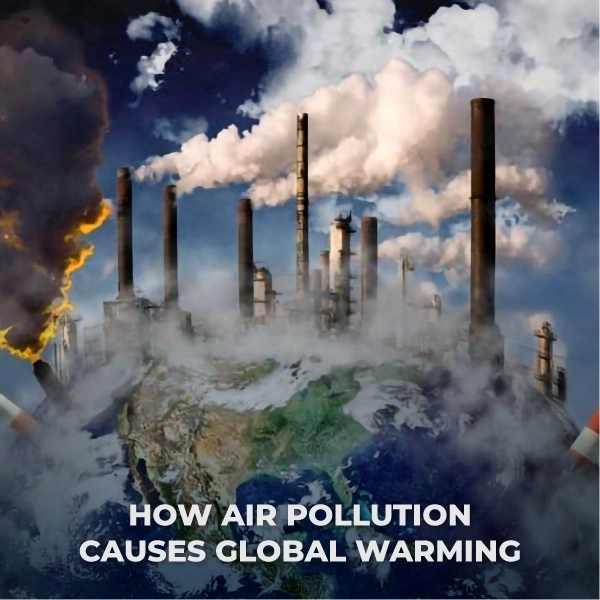
Climate change intensifies heat‑waves and stagnation events, which can exacerbate ozone formation and particulate matter buildup, making accurate forecasts more urgent.
Environmental and Human Impacts
Environmental Impacts
More precise forecasts enable targeted emission‑control measures, such as temporary traffic restrictions during predicted smog events, which can reduce ground‑level ozone formation and protect ecosystems sensitive to acid deposition.
Human Health and Social Impacts
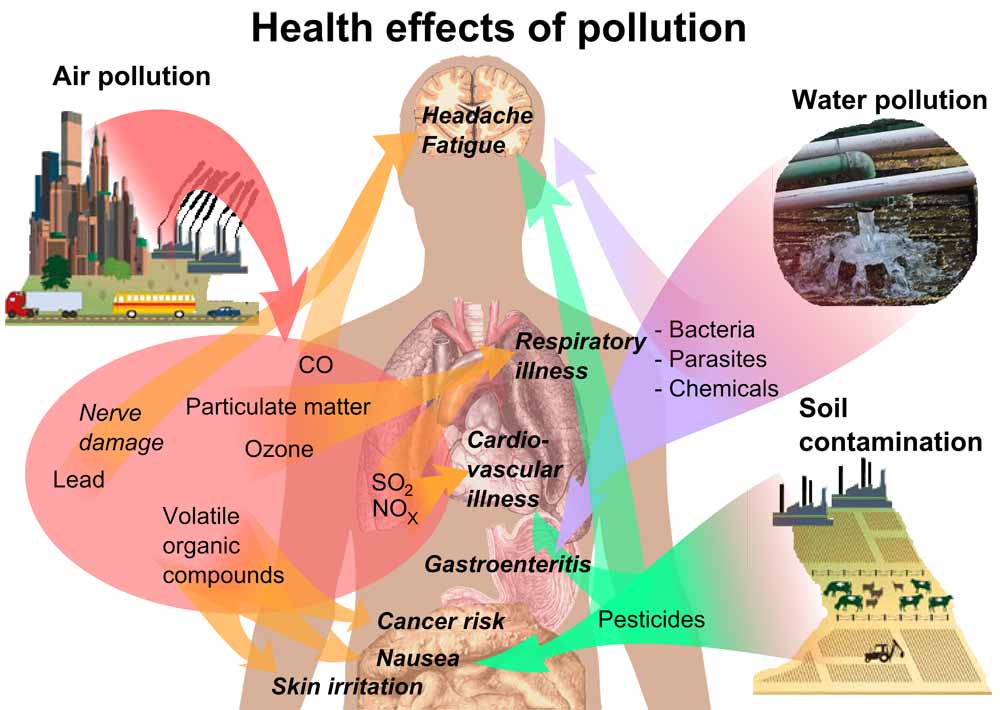
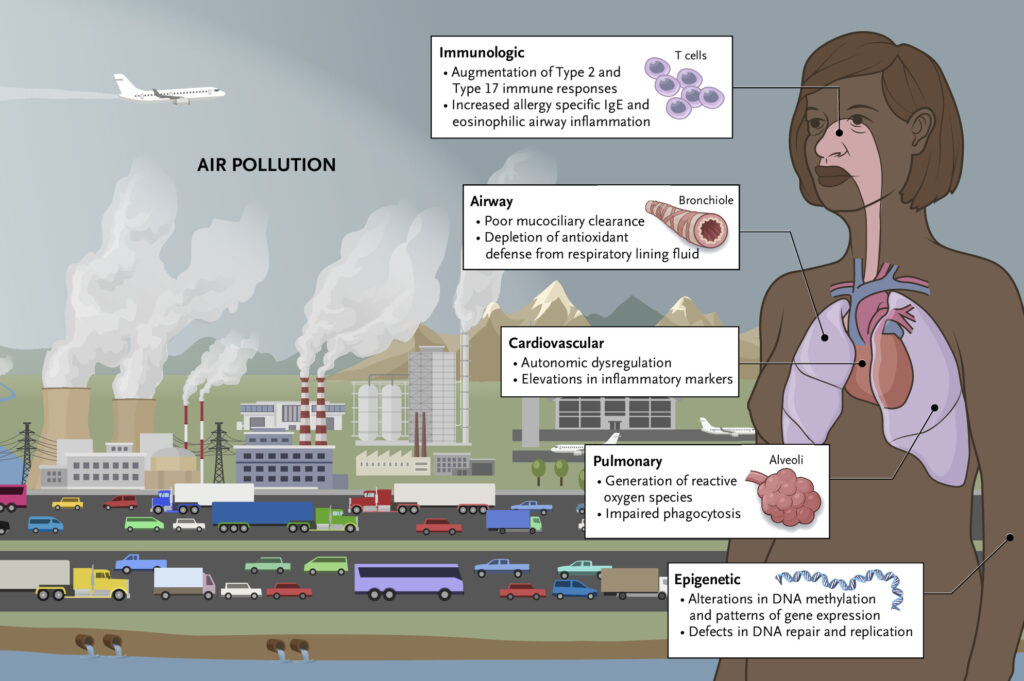
According to WHO (2021), exposure to PM2.5 above 10 µg m⁻³ increases premature mortality risk. Early warnings allow vulnerable groups—children, older adults, and outdoor workers—to adjust activities, potentially lowering exposure‑related hospital visits by an estimated 5‑10 % in cities that have adopted AI alerts (case study: Los Angeles County, 2023).
Economic and Infrastructure Impacts
Accurate air‑quality forecasts help utilities manage demand during heat waves and assist construction planners in scheduling outdoor work, avoiding costly delays and health‑related compensation claims.
Regional Differences
In densely populated Asian megacities, sensor density is often limited by funding, leading to larger prediction uncertainties. Conversely, European Union member states have invested in continent‑wide AI‑enhanced networks, achieving sub‑kilometer resolution in many regions. In arid zones of the southwestern United States, dust storms dominate particulate levels, requiring models that incorporate satellite‑derived aerosol optical depth to maintain accuracy.
What Scientists Know With High Confidence
- Air‑quality and meteorological variables are strongly interlinked, and machine‑learning models can capture these nonlinear relationships.
- Real‑time, high‑resolution monitoring improves public‑health response to pollution spikes.
- Climate‑change‑driven heat and stagnation increase the frequency of severe ozone events, a trend documented by the IPCC (2021).
- Sensor calibration against reference monitors is essential for reliable AI predictions.
What Remains Uncertain
Key uncertainties include model transferability to data‑sparse regions, the long‑term durability of low‑cost sensors under harsh environmental conditions, and the social equity of data access—whether disadvantaged neighborhoods receive timely alerts. Further longitudinal studies are needed to quantify how algorithmic improvements translate into measurable health outcomes across diverse settings.
Common Misconceptions
Misconception: AI forecasts replace human meteorologists.
Reality: AI augments expertise by processing volumes of data that exceed human capacity; expert judgment remains crucial for model validation and interpretation.
Misconception: More sensors automatically mean better predictions.
Reality: Sensor quality, proper calibration, and robust data‑handling pipelines are as important as quantity for reliable outputs.
Misconception: AI can predict exact pollution levels years ahead.
Reality: AI excels at short‑term forecasts (hours to days) and can improve seasonal trend estimates, but long‑term projections still rely on scenario‑based climate models with inherent uncertainties.
Misconception: Real‑time alerts solve air‑quality problems.
Reality: Alerts inform behavior but do not eliminate emissions; regulatory actions and emission‑reduction strategies are required for sustained improvement.
Solutions and Limitations
Key response strategies include:
- Expanded Sensor Networks: Deploying low‑cost, calibrated sensors across underserved areas improves spatial coverage, yet maintenance costs and data quality control can be challenging.
- Real‑Time Public Dashboards: Mobile and web platforms disseminate forecasts instantly, but digital‑divide issues may limit reach for some populations.
- Integration with Climate Models: Feeding AI‑derived air‑quality inputs into regional climate simulations enhances scenario planning, though model coupling adds computational complexity.
- Policy Integration: Embedding AI forecasts into air‑quality management plans enables proactive measures, yet regulatory frameworks must adapt to incorporate algorithmic outputs responsibly.
What Individuals, Communities, and Governments Can Do
What Individuals Can Do
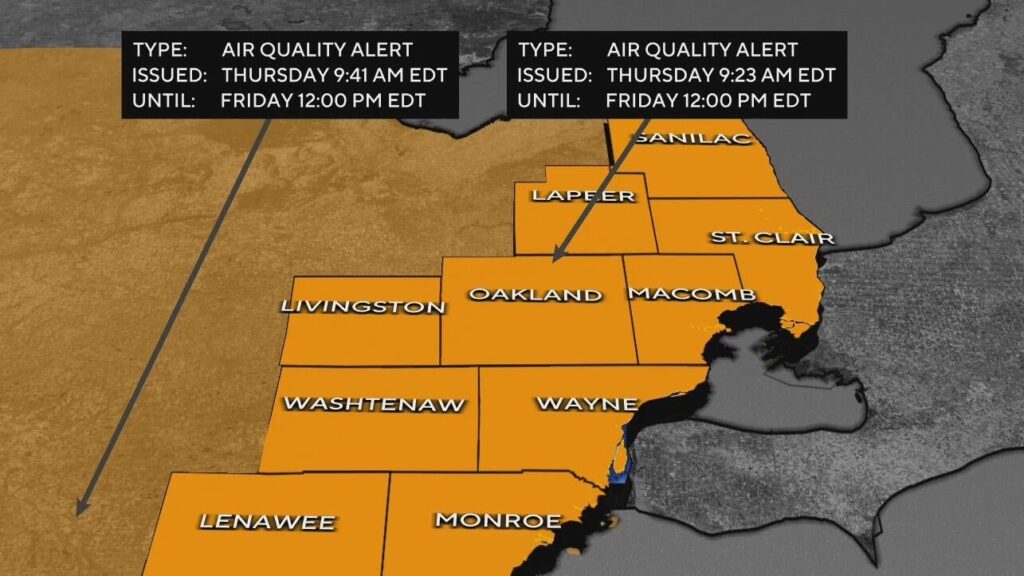
Check local AI‑powered air‑quality dashboards, limit outdoor activity during high‑pollution alerts, and support community sensor initiatives.
What Communities and Organizations Can Do
Partner with universities or NGOs to host sensor nodes, curate open data portals, and conduct outreach on interpreting forecast information.
What Governments Can Do
Invest in standardized sensor calibration programs, mandate open data sharing, integrate AI forecasts into emergency‑response protocols, and ensure that alert systems are accessible in multiple languages.
What Businesses and Industries Can Do
Adopt AI‑driven monitoring for facility emissions, adjust operations based on forecasted air‑quality peaks, and report data to public platforms to enhance transparency.
Looking Ahead
AI‑powered weather stations represent a transformative step toward more granular, timely, and actionable air‑quality information. While the technology markedly improves forecasting accuracy, its full potential depends on robust sensor networks, equitable data access, and the integration of algorithmic insights into policy and everyday decision‑making. Continued research will refine models, address data gaps, and clarify how best to balance automation with expert oversight, ensuring that the promise of AI translates into measurable environmental and public‑health benefits.
Frequently Asked Questions
How do AI-powered weather stations differ from traditional weather stations?
AI-powered stations combine standard meteorological instruments with low‑cost air‑quality sensors and embed machine‑learning algorithms that process data in real time, enabling hyper‑local forecasts that traditional sparse networks cannot provide.
What type of air‑quality predictions can AI models make?
AI models can predict hourly to daily concentrations of pollutants such as PM2.5, NO₂, and ozone, as well as provide seasonal trend estimates, offering higher spatial resolution than conventional statistical methods.
Which organizations have documented the benefits of AI in air‑quality forecasting?
Studies cited by the World Health Organization (2021), NOAA (2022), and a systematic review in Environmental Modelling & Software (2021) all report improved forecast accuracy and public‑health outcomes when AI is applied to dense sensor data.
What are the main challenges in deploying AI‑driven sensor networks?
Key challenges include ensuring sensor calibration, maintaining data quality in harsh environments, addressing privacy and data‑access equity, and avoiding over‑reliance on algorithms without expert validation.
What actions can local governments take to maximize the benefits of AI weather stations?
Governments can fund standardized calibration programs, require open‑data policies, integrate AI forecasts into emergency‑response plans, and ensure alerts are accessible in multiple languages to reach all residents.





Leave a Comment