
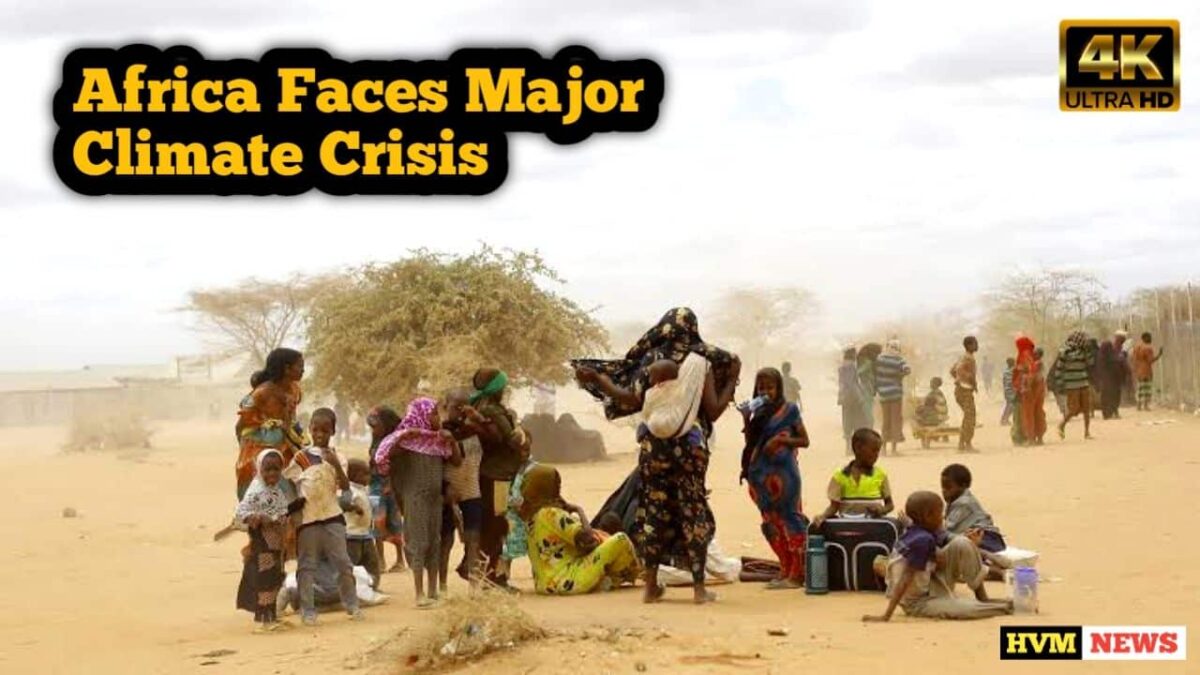
Africa’s air quality crisis, driven by rapid urbanisation, reliance on biomass, and climate‑induced weather changes, threatens health, ecosystems and development across the continent.
Quick Answer
Africa’s air quality crisis refers to the widespread presence of harmful pollutants—particulate matter (PM2.5 and PM10), ozone, nitrogen oxides and black carbon—exceeding World Health Organization (WHO) guidelines in both cities and rural areas. The crisis is amplified by climate change, which raises temperatures, intensifies drought‑driven dust storms and alters atmospheric chemistry, leading to higher ground‑level ozone. Evidence from WHO (2021) and the Intergovernmental Panel on Climate Change (IPCC, 2022) shows that poor air quality is linked to increased respiratory and cardiovascular disease, reduced agricultural productivity and heightened climate vulnerability. Uncertainty remains around the exact contribution of each emission source in data‑poor regions, but the overall trend of worsening air quality is well supported.
Key Takeaways
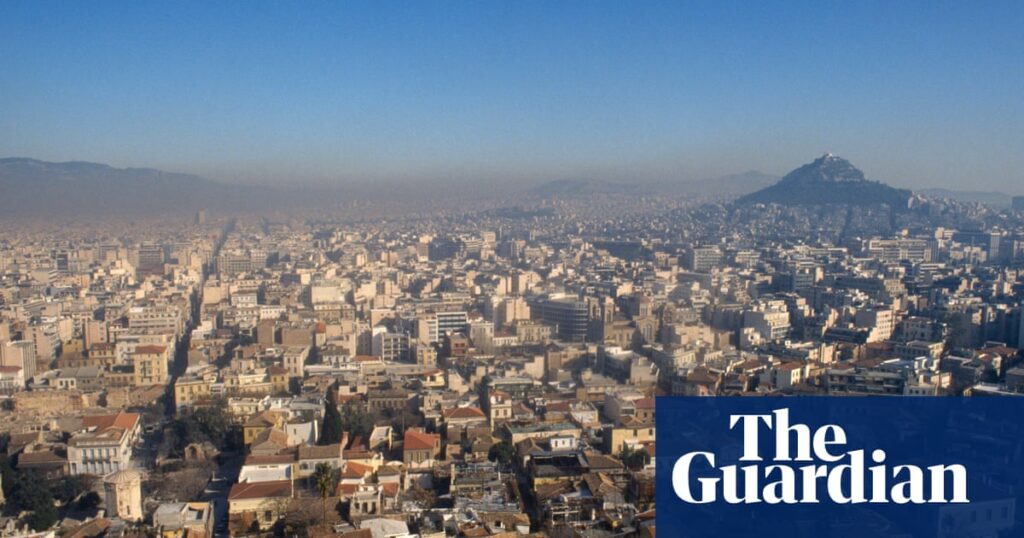
- Urban centres such as Lagos, Cairo and Nairobi often record PM2.5 levels more than double WHO limits.
- Rural households using open fires for cooking contribute substantially to indoor air pollution, especially for women and children.
- Rising temperatures from climate change boost ground‑level ozone formation and increase the frequency of dust storms.
- Health impacts include higher rates of asthma, chronic obstructive pulmonary disease and premature mortality.
- Solutions require integrated policies that address energy access, urban planning, and climate‑resilient monitoring.
What Is Africa’s Air Quality Crisis and Its Climate Change Connection?
The term “air quality crisis” describes a persistent condition in which ambient concentrations of pollutants regularly exceed health‑based thresholds. In Africa, this crisis spans densely populated megacities, rapidly expanding peri‑urban zones, and remote rural communities that rely on solid fuels for cooking and heating. Climate change interacts with these emissions by altering temperature, humidity and wind patterns, which in turn affect pollutant formation, dispersion and deposition. Understanding the crisis therefore requires looking at both the sources of pollutants and the climate‑driven processes that magnify them.
How Does It Work?
1. Emission Generation
- Transport and Industry: Motor vehicles, diesel generators and informal manufacturing release nitrogen oxides (NOx), sulphur dioxide (SO2) and fine particles.
- Biomass Burning: Open‑fire cooking, charcoal production and seasonal agricultural burning emit carbon monoxide (CO), black carbon and coarse dust.
- Natural Sources: Sahara‑derived dust, wildfires and volcanic activity add background particulate matter.
2. Climate‑Driven Amplification
- Temperature Rise: Higher temperatures accelerate photochemical reactions, increasing ground‑level ozone (O3) formation from NOx and volatile organic compounds.
- Altered Wind Patterns: Shifts in the West African monsoon and trade winds can trap pollutants over urban basins, reducing dispersion.
- Drought‑Induced Dust: Prolonged dry spells expose loose soils, leading to trans‑regional dust storms that transport PM across thousands of kilometres.
3. Exposure Pathways
People inhale outdoor pollutants directly, while indoor exposure is heightened when households use inefficient stoves. Pollutants settle on soil and water, affecting crop yields and contaminating drinking sources.
What Does the Evidence Show?
Long‑term monitoring by national agencies and satellite‑derived aerosol optical depth data (e.g., NASA’s MODIS, 2020) reveal that many African cities consistently exceed WHO’s annual PM2.5 guideline of 10 µg m⁻³. A 2021 WHO Global Ambient Air Quality Database reported average urban PM2.5 levels of 31 µg m⁻³ for sub‑Saharan Africa. Systematic reviews of epidemiological studies (e.g., Brauer et al., 2020) link these concentrations to a 10‑15 % increase in all‑cause mortality. The IPCC’s Sixth Assessment Report (2022) documents how warming temperatures raise ozone production efficiency, especially in the Sahel and East African highlands. Field campaigns in Kenya (Kibera, 2019) and Nigeria (Lagos, 2020) confirm that peak ozone episodes coincide with heatwaves, supporting the climate‑air quality feedback hypothesis.
Main Causes or Drivers
Direct Causes
- Vehicle exhaust and diesel generators (urban).
- Open‑fire cooking and charcoal production (rural and peri‑urban).
- Seasonal agricultural residue burning.
Underlying Drivers
- Rapid urbanisation outpacing infrastructure development.
- Limited access to affordable clean energy.
- Weak regulatory frameworks and enforcement capacity.
- Climate‑induced droughts and altered wind regimes.
Environmental and Human Impacts
Environmental Impacts
Elevated particulate matter reduces solar radiation reaching ecosystems, suppressing photosynthesis in savanna grasses. Acidic pollutants can leach into soils, altering nutrient balances and harming microbial communities. Dust deposition affects coral reef light regimes along the East African coast.
Human Health and Social Impacts
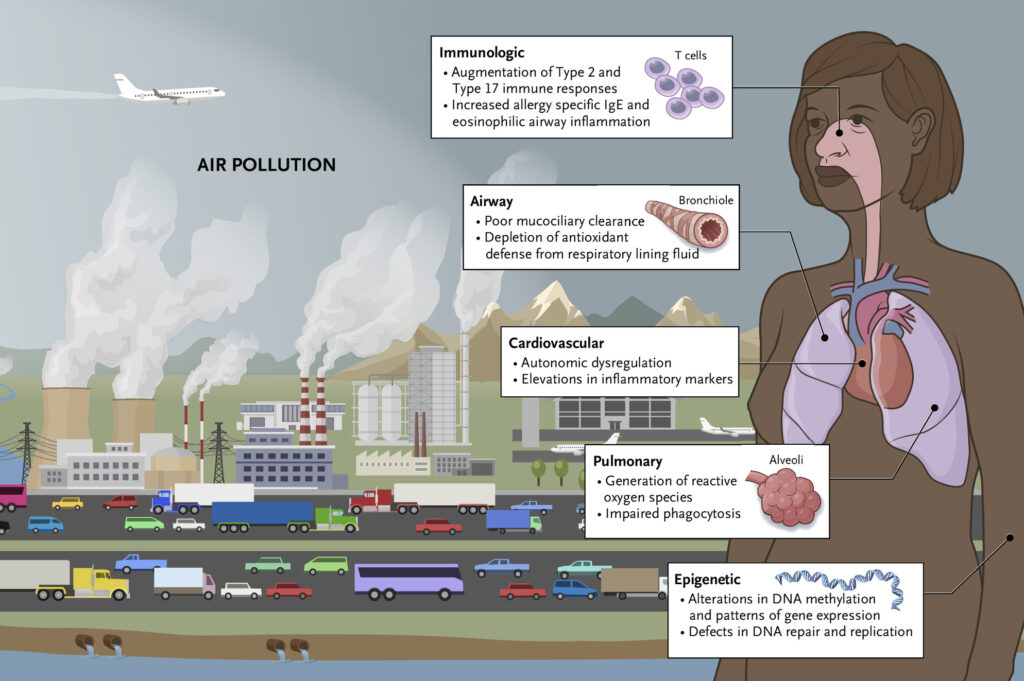
Exposure to PM2.5 is associated with increased incidence of asthma, chronic obstructive pulmonary disease and ischemic heart disease, according to WHO (2021). Children under five and older adults experience the highest relative risk. Indoor air pollution from biomass fuels disproportionately affects women, who spend up to 5 hours day⁻¹ cooking.
Economic and Infrastructure Impacts
Health‑related productivity losses are estimated at 1‑2 % of gross domestic product in high‑pollution cities (World Bank, 2020). Dust accumulation accelerates wear on solar panels and reduces the efficiency of renewable energy installations, undermining climate mitigation efforts.
Regional Differences
North‑African megacities (e.g., Cairo) face high traffic density and desert dust, leading to chronic PM10 dominance. In West Africa, rapid informal industrial growth contributes large NOx and SO2 emissions, while the Sahel experiences the most intense dust storms linked to climate‑driven desertification. East Africa’s highland agriculture produces seasonal biomass burning, but also benefits from comparatively better monitoring networks.
What Scientists Know With High Confidence
- Fine particulate matter (PM2.5) concentrations exceed WHO health‑based limits in many African urban areas.
- Climate‑induced temperature rises increase ground‑level ozone formation.
- Household air pollution from solid‑fuel cooking is a major source of indoor PM2.5, especially for women and children.
- Exposure to high levels of PM2.5 is epidemiologically linked to increased respiratory and cardiovascular morbidity.
What Remains Uncertain
Data gaps persist in many low‑income countries where ground‑based monitoring stations are sparse, limiting precise quantification of source contributions. The relative importance of natural dust versus anthropogenic particles under future climate scenarios remains an active research area. Additionally, the long‑term socioeconomic feedbacks between air‑quality‑driven health costs and climate adaptation capacity are not yet fully modelled.
Common Misconceptions
Misconception: Air pollution is only a city problem.
Reality: Rural households that rely on open fires for cooking experience indoor PM2.5 levels that can be higher than many urban outdoors, creating a hidden health burden.
Misconception: Climate change only affects temperature, not air quality.
Reality: Higher temperatures accelerate ozone chemistry and intensify dust storms, directly worsening ambient air quality.
Misconception: Switching to electric appliances automatically solves the problem.
Reality: In many regions electricity is still generated by diesel or coal, so without a clean‑energy transition emissions may simply shift from the household to the power plant.
Solutions and Limitations
Effective responses span prevention, mitigation and adaptation:
- Clean Cooking Initiatives: Improved cookstoves reduce indoor PM2.5 by 30‑50 % (systematic review, 2020) but require sustained financing and cultural acceptance.
- Urban Transport Policies: Low‑emission zones and public‑transit upgrades cut vehicle‑related pollutants, yet implementation costs and informal transport sectors can limit rapid rollout.
- Regulatory Strengthening: Enforcing emission standards for industry and diesel generators yields measurable air‑quality gains, but enforcement capacity is often weak.
- Climate‑Resilient Monitoring: Expanding low‑cost sensor networks improves data for targeted actions, though data quality and maintenance remain challenges.
- Reforestation and Green Infrastructure: Urban trees capture particulates and moderate heat, yet land‑use competition and water scarcity can constrain large‑scale planting.
What Individuals, Communities, and Governments Can Do
What Individuals Can Do
Adopt improved cookstoves or LPG where affordable, limit open‑fire use, and support community air‑quality monitoring projects. Using masks with certified filtration during high‑pollution days can reduce personal exposure.
What Communities and Organizations Can Do
Form local air‑quality coalitions to demand better enforcement, share low‑cost sensor data, and promote tree‑planting campaigns that target pollution hotspots.
What Governments Can Do
Invest in clean energy grids, implement vehicle emission standards, subsidise clean‑cooking technologies, and integrate air‑quality considerations into climate‑adaptation planning. Strengthening regional data sharing platforms (e.g., through the African Ministerial Conference on the Environment) improves continental policy coordination.
Closing Synthesis
Africa’s air‑quality crisis is a multifaceted challenge driven by rapid urban growth, reliance on solid fuels and climate‑induced atmospheric changes. High‑confidence evidence shows that pollutant levels regularly exceed health guidelines, leading to measurable health and economic burdens. While uncertainties remain around source attribution in data‑poor regions, the direction of the trend is clear. Integrated solutions that combine clean‑energy transitions, robust monitoring, and equitable policy enforcement offer the most realistic path toward healthier air and a climate‑resilient future.
Frequently Asked Questions
What pollutants are most responsible for Africa’s air quality crisis?
The main pollutants are fine particulate matter (PM2.5 and PM10), ground‑level ozone, nitrogen oxides, sulphur dioxide and black carbon from vehicle exhaust, diesel generators, open‑fire cooking and dust storms.
How does climate change worsen air pollution in Africa?
Rising temperatures accelerate photochemical reactions that produce ozone, while more frequent droughts increase dust emissions. Changes in wind patterns can also trap pollutants over cities, leading to higher concentrations.
Why is indoor air pollution a major concern in rural Africa?
Many households rely on open fires or traditional stoves that burn wood, charcoal or dung, releasing high levels of PM2.5 indoors. Women and children, who spend the most time near the cooking area, are therefore at greatest risk.
What health effects are linked to poor air quality in African cities?
Elevated exposure to fine particles and ozone is associated with higher rates of asthma, chronic obstructive pulmonary disease, heart disease and premature mortality, especially among children under five and older adults.
What are the most effective actions to improve air quality while addressing climate change?
Combining clean‑cooking technologies, stricter vehicle emission standards, expanded renewable energy, and robust air‑quality monitoring delivers the greatest health and climate co‑benefits, though each requires sustained financing and policy support.








Leave a Comment