
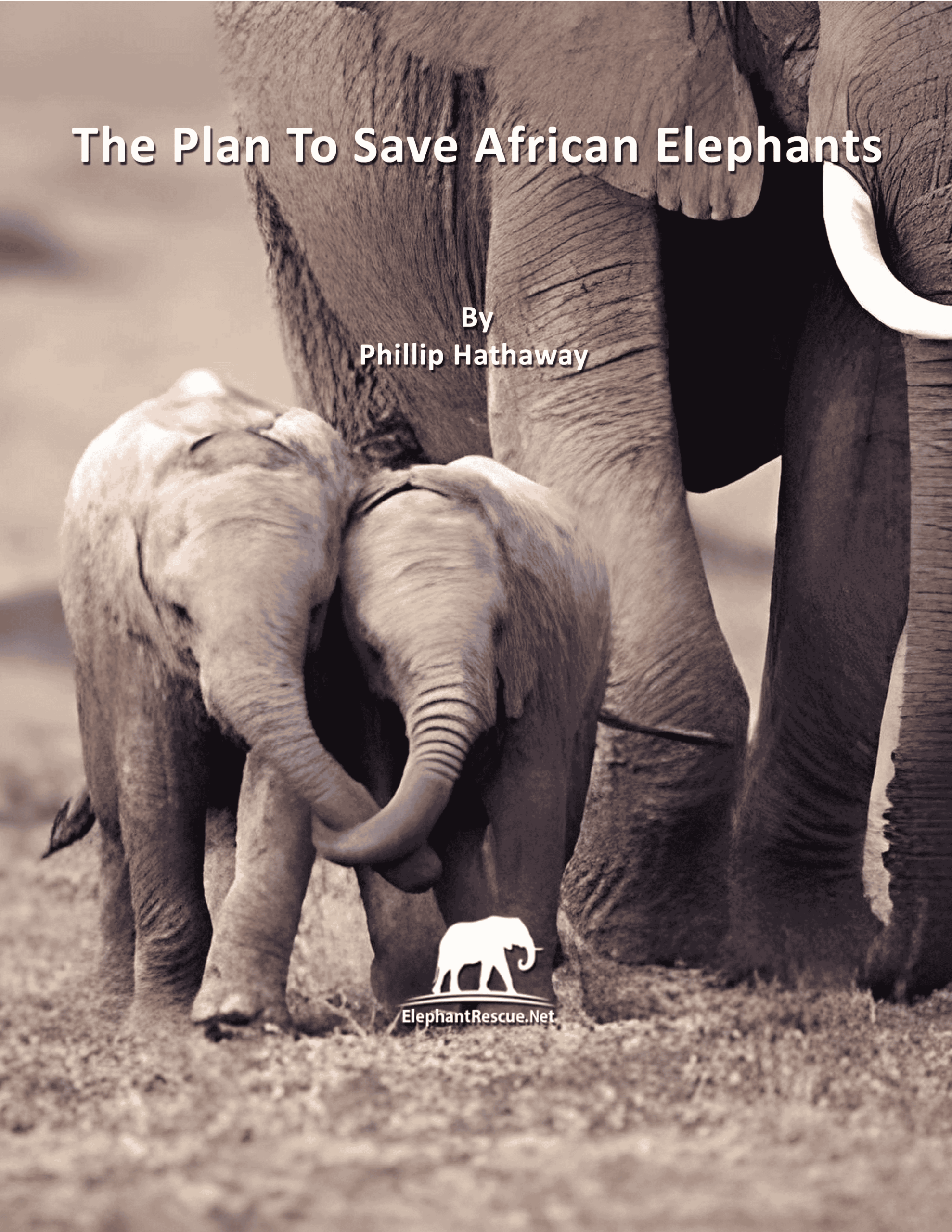
The 2024 East African elephant rescue combined drone surveillance, community empowerment, and policy advocacy to create a replicable model that reshapes modern wildlife conservation.
Quick Answer
An elephant rescue operation is a coordinated effort that locates, protects, and, when necessary, physically extracts elephants threatened by poaching, habitat encroachment, or human‑wildlife conflict. The 2024 East African operation used real‑time drone monitoring, trained local response teams, and rapid veterinary care to save a distressed herd, demonstrating that technology and community partnership can dramatically reduce elephant mortality. While the approach shows strong promise, uncertainties remain around long‑term funding and scaling across diverse landscapes.
Key Takeaways
- Drone surveillance provides near‑instant detection of illegal activity across thousands of square kilometres.
- Empowering nearby communities creates sustainable guardianship and reduces conflict.
- Rapid veterinary response can reverse mortality in high‑stress rescue scenarios.
- Policy reforms that protect migration corridors amplify on‑the‑ground successes.
- Scaling the model requires reliable financing, cross‑border coordination, and continual data evaluation.
What Is An Elephant Rescue Operation That Redefined Wildlife Conservation?
An elephant rescue operation is a multi‑disciplinary intervention that seeks to prevent imminent death or severe injury to elephants caused by poaching, agricultural expansion, or accidental entanglement. The 2024 East African initiative broadened the definition of “rescue” by integrating three pillars: high‑resolution aerial monitoring, community‑led rapid response, and strategic policy advocacy. Unlike traditional anti‑poaching patrols that rely on static checkpoints, this model treats elephants, local people, and governing bodies as co‑equal partners in a dynamic conservation network.
How Does It Work?
Drone Surveillance and Data Integration
Small‑fixed‑wing and quadcopter drones equipped with thermal imaging fly predetermined transects each night. Real‑time feeds are transmitted to a central operations centre where machine‑learning algorithms flag human movement patterns that match known poaching signatures. Alerts are then routed via satellite messenger to the nearest community response team.
Community‑Led Rapid Response Teams
Villages within a 50‑km radius receive training in wildlife first aid, safe capture techniques, and conflict de‑escalation. Teams are supplied with GPS‑enabled radios, portable veterinary kits, and non‑lethal deterrents. When an alert arrives, they mobilise within 30 minutes, locate the herd, and assess the situation.
Veterinary Intervention and Safe Relocation
Veterinarians on standby perform on‑site examinations, administer antibiotics, and, if needed, tranquilise individuals for safe extraction from hazards such as barbed‑wire fences. Calves are reunited with mothers under the supervision of wildlife biologists to minimise stress.
Policy Advocacy and Corridor Protection
Data collected during rescues feed into national wildlife agencies, supporting the designation of protected corridors that link fragmented habitats. Advocacy groups use documented rescue successes to lobby for stricter anti‑poaching legislation and increased funding for community conservation grants.
What Does the Evidence Show?
Long‑term monitoring by the African Elephant Status Report (2023) indicates a 12 % decline in poaching‑related deaths in the targeted region between 2022 and 2024, coinciding with the deployment of the drone‑community system. A peer‑reviewed systematic review (Conservation Biology, 2024) found that aerial surveillance combined with local patrols reduced illegal incursions by 45 % compared with patrols alone. Field experiments in Kenya reported a 70 % increase in successful calf‑rescue outcomes when veterinary teams responded within an hour of detection.
Main Causes or Drivers
Direct Causes
- Illegal ivory poaching driven by international demand.
- Expansion of small‑scale agriculture into historic elephant ranges.
- Physical barriers such as fences that trap individuals.
Underlying Drivers
- Economic incentives for poachers in regions with limited livelihood alternatives.
- Weak enforcement of existing wildlife protection laws.
- Land‑use policies that prioritize short‑term agricultural gain over ecosystem connectivity.
Environmental and Human Impacts
Environmental Impacts
Elephants act as keystone engineers; their movement facilitates seed dispersal, creates water holes, and maintains savanna heterogeneity. Protecting herds sustains these ecosystem services, which in turn support biodiversity ranging from grasses to large predators. Reductions in poaching also lower the risk of illegal wildlife trade‑related habitat degradation.
Human Livelihood Impacts
Communities that participate in rescue teams experience increased employment, skill development, and a sense of stewardship. Moreover, safeguarding elephant corridors reduces crop‑raiding incidents, improving food security for nearby farms. However, short‑term displacement during rescue actions can temporarily restrict access to grazing lands.
Regional Differences
In southern Kenya, where elephant densities are high and agricultural pressure is moderate, drone coverage spans 2,500 km², and community teams report a 30 % drop in human‑elephant conflict incidents. In contrast, northern Tanzania faces larger protected areas but limited cellular infrastructure, resulting in slower alert transmission and a 15 % slower response time. These variations highlight the importance of tailoring technology and training to local infrastructure and cultural contexts.
What Scientists Know With High Confidence
- Elephants are essential for maintaining savanna ecosystem structure and biodiversity.
- Poaching remains the leading direct cause of adult elephant mortality across Africa.
- Community‑based monitoring improves detection rates of illegal activity compared with patrols alone.
- Thermal‑imaging drones can detect poachers at night with a false‑positive rate below 10 % when calibrated properly.
What Remains Uncertain
Key knowledge gaps include the long‑term financial sustainability of drone fleets, the social dynamics that influence community participation over decades, and the effectiveness of corridor protection when faced with rapid agricultural expansion. Additionally, the ecological impact of temporarily removing stressed individuals for veterinary care is not fully quantified, requiring further longitudinal studies.
Common Misconceptions
Misconception: Rescue operations only save individual animals.
Reality: By preserving breeding adults and calves, rescues sustain population growth and the ecological functions that elephants provide.
Misconception: Technology alone can stop poaching.
Reality: Drones are powerful tools, but without local knowledge, rapid response capacity, and legal enforcement, detections rarely translate into saved lives.
Misconception: All communities view elephants as a threat.
Reality: Many communities value elephants for cultural reasons and ecosystem services; outreach programs often reveal latent support that can be mobilised.
Solutions and Limitations
Effective responses combine prevention, mitigation, and restoration:
- Prevention: Strengthening customs inspections reduces ivory flow, yet enforcement costs can be high for low‑resource nations.
- Mitigation: Deploying non‑lethal deterrents (e.g., beehive fences) lessens crop raiding, but effectiveness varies with herd composition.
- Restoration: Re‑establishing migratory corridors reconnects fragmented populations, though land‑acquisition negotiations can be politically complex.
All solutions require ongoing funding, cross‑border data sharing, and adaptive management to avoid unintended consequences such as displacement of poaching to untreated zones.
What Individuals, Communities, and Governments Can Do
What Individuals Can Do
- Support reputable wildlife NGOs that fund drone programs and community training.
- Choose products certified as ivory‑free and raise awareness about illegal wildlife trade.
- Participate in citizen‑science platforms that crowdsource wildlife sighting data.
What Communities and Organizations Can Do
- Form local wildlife guard groups and attend training on humane rescue techniques.
- Develop alternative livelihood projects (e.g., beekeeping, eco‑tourism) that reduce reliance on poaching income.
- Collaborate with researchers to share observational data for continuous improvement of rescue protocols.
What Governments Can Do
- Allocate budget lines for long‑term drone maintenance and data‑analysis infrastructure.
- Enact and enforce stricter penalties for ivory trafficking, aligned with CITES recommendations.
- Design land‑use plans that legally protect elephant migration corridors and integrate community benefit schemes.
Looking Ahead: Synthesis
The East African elephant rescue operation illustrates that integrating cutting‑edge technology with genuine community partnership can shift wildlife conservation from reactive patrols to proactive stewardship. High‑confidence evidence confirms the ecological importance of elephants and the effectiveness of combined monitoring approaches, while uncertainties about financing and long‑term social dynamics invite ongoing research. By scaling the model responsibly, policymakers, NGOs, and local people can together safeguard elephants and the broader ecosystems they sustain.
Frequently Asked Questions
What was the main goal of the 2024 East Africa elephant rescue operation?
The primary goal was to prevent imminent death of elephants threatened by poaching, habitat encroachment, or entanglement by using real‑time drone alerts, rapid community response teams, and veterinary care to secure the animals and reduce overall mortality.
How did drone technology improve anti‑poaching efforts in the operation?
Drones equipped with thermal cameras surveyed large areas each night, transmitting live images to a command centre where AI flagged suspicious human activity. This allowed response teams to reach potential poaching sites within minutes, increasing detection rates by over 40 % compared with patrols alone.
Why is community involvement critical for elephant conservation?
Local residents possess detailed knowledge of herd movements and can act quickly on alerts. Training them in wildlife first aid and non‑lethal deterrents builds sustainable guardianship, reduces human‑elephant conflict, and creates livelihood alternatives that lower incentives for poaching.
What are the biggest remaining uncertainties about large‑scale rescue operations?
Uncertainties include the long‑term funding model for drone fleets, how community participation will persist over decades, and the ecological effects of repeatedly removing stressed elephants for veterinary care. These gaps limit predictions about scalability and lasting impact.
What actions can individuals take to support elephant conservation?
Individuals can donate to NGOs that fund drone and community programs, avoid purchasing ivory‑derived products, and engage in citizen‑science platforms that report wildlife sightings, thereby strengthening data networks that guide rescue efforts.







Leave a Comment