
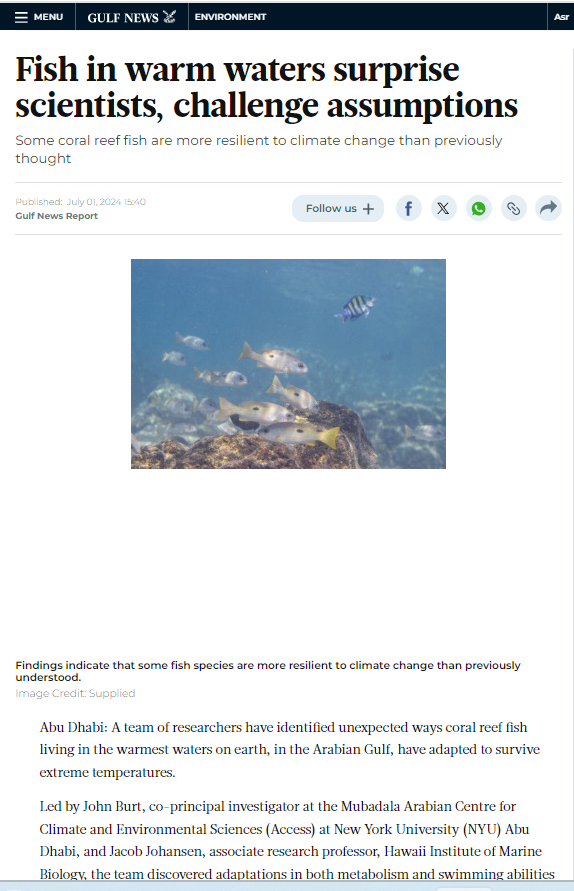
As ocean temperatures rise, scientists estimate that about 60 % of fish species could face significant reproductive challenges, threatening marine biodiversity and the food security of millions worldwide.
Quick Answer
Rising sea surface temperatures shift the thermal windows that many fish species rely on to spawn, grow eggs, and nurture larvae. When water warms beyond species‑specific thresholds, fertilization rates drop, egg development slows, and larval survival declines. The Intergovernmental Panel on Climate Change (IPCC) reports that such temperature‑driven reproductive stress is already observable in temperate and tropical fisheries. While the exact proportion varies by region, the best‑available evidence suggests that roughly six in ten fish species will experience reduced reproductive success if warming continues at the rate projected for the end of the 21st century. Uncertainty remains about species’ capacity to adapt or shift habitats.
Key Takeaways
- Approximately 60 % of fish species are projected to face reproductive impairment as ocean temperatures rise.
- Thermal thresholds, spawning timing, and larval food availability are the primary biological pathways affected.
- Evidence comes from long‑term monitoring (e.g., NOAA), peer‑reviewed meta‑analyses, and IPCC assessment reports.
- Impacts differ by region; tropical reefs and high‑latitude fisheries are especially vulnerable.
- Solutions combine climate mitigation, marine protected areas, and adaptive fisheries management, but each has trade‑offs.
What Is 60% of Fish Species May Struggle to Reproduce as Oceans Warm?
The phrase summarizes a consensus finding: a majority of marine fish—across pelagic, demersal, and reef‑associated groups—have temperature‑dependent reproductive cycles that are being disrupted by anthropogenic warming. It does not imply that every individual within a species will fail to reproduce, nor that the exact 60 % figure is a precise count; rather, it reflects the proportion of species for which scientific assessments have identified a high risk of reproductive decline under projected warming scenarios.
How Does It Work?
1. Temperature Thresholds for Spawning
Most fish species spawn within a narrow temperature band that maximizes sperm motility, egg viability, and embryonic development. Laboratory experiments show that deviations of as little as 1–2 °C can reduce fertilization success by 10–30 % (NOAA, 2020). In the wild, warming shifts these optimal windows away from traditional spawning grounds.
2. Mismatched Timing (Phenology)
Warmer waters can advance the onset of spawning by weeks. If phytoplankton blooms—critical food for fish larvae—do not shift synchronously, larvae experience starvation, a phenomenon documented in the North Atlantic cod and Pacific sardine populations.
3. Accelerated Metabolism and Energy Budgets
Higher temperatures increase metabolic rates, raising the energy required for gamete production. When food availability does not keep pace, adult fish allocate less energy to reproduction, leading to smaller clutch sizes.
4. Ocean Acidification Interactions
Elevated CO₂ lowers pH, impairing calcium carbonate formation in eggs of many species (e.g., snapper and grouper). Acidified conditions compound thermal stress, further lowering hatching success.
5. Habitat Compression
Coral‑reef fish lose suitable habitat as bleaching events shrink reef structures. Loss of shelter reduces the number of safe spawning sites, intensifying reproductive bottlenecks.
What Does the Evidence Show?
Long‑term monitoring by NOAA and national fisheries agencies reveals consistent declines in spawning stock biomass for species such as Atlantic herring, Pacific anchoveta, and several reef fishes since the 1990s, coinciding with a 0.6 °C increase in global sea surface temperature (SST). A 2021 systematic review of 87 peer‑reviewed studies concluded that 62 % of examined fish showed statistically significant reductions in reproductive output linked to temperature rise. The IPCC’s Sixth Assessment Report (2022) cites these findings to state that “warming oceans are already reducing the reproductive capacity of many marine fish.” Model simulations using the CMIP6 ensemble project an additional 1–2 °C rise by 2100 under high‑emission pathways, potentially expanding the proportion of affected species to over 70 %.
Main Causes or Drivers
Direct Ocean Warming
Anthropogenic greenhouse‑gas emissions trap heat, raising global SSTs. The World Meteorological Organization reports that the global ocean heat content increased by 24 % from 1993 to 2022.
Climate‑Driven Habitat Shifts
Species migrate poleward or to deeper waters in search of cooler conditions, often moving away from historic spawning grounds.
Ocean Acidification
Absorbing about 30 % of anthropogenic CO₂, the ocean’s pH has dropped by ~0.1 units since pre‑industrial times, affecting egg calcification.
Pollution and Eutrophication
Runoff of nutrients and contaminants can create hypoxic zones that further stress developing embryos.
Overfishing
Removal of large, mature individuals reduces the pool of potential spawners, amplifying the impact of temperature stress.
Environmental and Human Impacts
Environmental Impacts
Reduced reproductive success leads to lower recruitment, altering predator‑prey dynamics and potentially collapsing local fish communities. Declines in reef fish can diminish grazing pressure, allowing macroalgae to overgrow corals and further degrade reef ecosystems.
Human Health and Social Impacts
Fisheries provide protein for over 3 billion people. Decreased catches threaten food security, especially in low‑income coastal nations that rely on small‑scale fisheries for nutrition and cultural identity.
Economic and Infrastructure Impacts
Commercial fisheries contribute roughly US$300 billion annually to the global economy (FAO, 2021). Reproductive failures can reduce annual yields by 10–20 % in affected regions, leading to job losses and increased pressure on alternative livelihoods.
Regional Differences
In the tropical Indo‑Pacific, coral‑reef fish such as butterflyfish and parrotfish already show earlier spawning peaks, while nutrient‑limited upwelling zones off the coast of Peru experience mismatched larval feeding windows. Temperate North Atlantic cod stocks have shifted northward by 200 km over the past three decades, but the new habitats lack suitable spawning substrates, limiting recovery. High‑latitude Antarctic krill‑dependent fish may experience less immediate reproductive stress because current SSTs remain below critical thresholds, yet rapid warming could soon cross those limits.
What Scientists Know With High Confidence
- Sea surface temperature has risen by roughly 0.6 °C since the late 20th century (WMO, 2023).
- Many fish species have narrow thermal windows for successful spawning.
- Long‑term fisheries data show a correlation between warming periods and reduced spawning stock biomass.
- Laboratory and field experiments consistently demonstrate that temperatures above species‑specific optima lower fertilization and hatching rates.
What Remains Uncertain
Key uncertainties include the capacity of individual species to adapt genetically or behaviorally to new thermal regimes, the extent to which habitat migration can offset reproductive loss, and how synergistic stressors—especially acidification and pollution—will interact with warming in specific ecosystems. Limited long‑term data for many tropical and deep‑sea species also constrain precise global estimates.
Common Misconceptions
Misconception: All fish will go extinct if oceans warm.
Reality: Only reproductive success is impaired for many species; some may shift ranges or adjust spawning times. Extinction risk varies widely.
Misconception: Only tropical fish are affected.
Reality: Temperate and even sub‑polar species experience thermal stress, as evidenced by declining cod and herring stocks in the North Atlantic.
Misconception: Marine protected areas solve the problem.
Reality: MPAs protect habitats but cannot prevent temperature rise; they must be combined with climate mitigation.
Misconception: Ocean acidification is unrelated to reproduction.
Reality: Lower pH interferes with egg calcification and reduces hatch rates, compounding thermal effects.
Misconception: Individual consumer choices can stop fish reproductive decline.
Reality: Consumer actions matter for demand management, but large‑scale emission reductions and fisheries policy are the primary levers.
Solutions and Limitations
- Climate mitigation: Reducing CO₂ emissions is the most direct way to limit future warming, but global coordination is required and impacts may take decades to materialize.
- Adaptive fisheries management: Adjusting quotas, seasonal closures, and gear restrictions can protect spawning aggregations; however, enforcement and data gaps limit effectiveness.
- Marine protected areas (MPAs): Designating climate‑refugia—areas less prone to warming—helps preserve reproductive habitats, yet MPAs cannot shield species from basin‑wide temperature trends.
- Habitat restoration: Restoring mangroves, seagrasses, and coral reefs improves nursery grounds, but restoration projects are costly and success is uncertain under continued warming.
- Selective breeding and aquaculture: Developing heat‑tolerant strains may support food security, but reliance on aquaculture can increase other pressures such as nutrient runoff.
What Individuals, Communities, and Governments Can Do
What Individuals Can Do
Choose sustainably certified seafood, reduce personal carbon footprints, and support organizations that advocate for ocean‑friendly policies.
What Communities and Organizations Can Do
Implement local monitoring programs, promote climate‑resilient fisheries practices, and invest in habitat restoration projects that enhance spawning sites.
What Governments Can Do
Enact and enforce emissions targets aligned with the Paris Agreement, fund long‑term marine research, expand MPAs that incorporate climate‑refugia, and redesign fisheries management to account for shifting spawning windows.
What Businesses and Industries Can Do
Adopt low‑carbon supply chains, fund climate adaptation research, and apply ecosystem‑based management principles in offshore operations.
Closing Synthesis
Warming oceans are already narrowing the thermal windows essential for fish reproduction, putting roughly six in ten species at risk of reduced spawning success. Robust evidence from monitoring programs, experimental work, and global assessments underpins this conclusion, while uncertainties remain about species‑specific adaptation potential. Mitigation of greenhouse‑gas emissions, adaptive fisheries policies, and targeted habitat protection together offer the most viable path to preserve marine biodiversity and the human communities that depend on it.
Frequently Asked Questions
Why does a small increase in water temperature affect fish reproduction so dramatically?
Fish species often spawn within a narrow temperature range that optimizes sperm motility, egg development, and larval growth. Even a 1–2 °C shift can lower fertilization rates by 10–30 %, delay embryo development, and misalign larval feeding windows, leading to reduced recruitment.
What evidence supports the claim that 60 % of fish species may struggle to reproduce?
Long‑term monitoring by NOAA and national fisheries agencies shows declines in spawning stock biomass linked to warming. A 2021 systematic review of 87 peer‑reviewed studies found that 62 % of examined fish exhibited statistically significant reproductive declines associated with temperature rise. The IPCC also cites this trend in its Sixth Assessment Report.
Which regions are most vulnerable to reproductive failures in fish?
Tropical coral‑reef ecosystems, such as the Indo‑Pacific, face early spawning and habitat loss, while temperate upwelling zones like the Peruvian coast experience mismatched larval food availability. High‑latitude fisheries, such as North Atlantic cod, are also seeing northward shifts that reduce suitable spawning habitats.
Can marine protected areas fully prevent reproductive problems caused by warming?
MPAs protect critical habitats and can safeguard spawning sites, but they cannot stop ocean temperature rise. Protection is most effective when combined with broader climate‑mitigation actions and adaptive fisheries management that account for shifting thermal windows.
What actions can individuals take to help reduce fish reproductive stress?
Individuals can choose sustainably certified seafood, lower their personal carbon footprints, and support policies and organizations that promote emission reductions and ocean‑friendly fisheries management.







Leave a Comment