
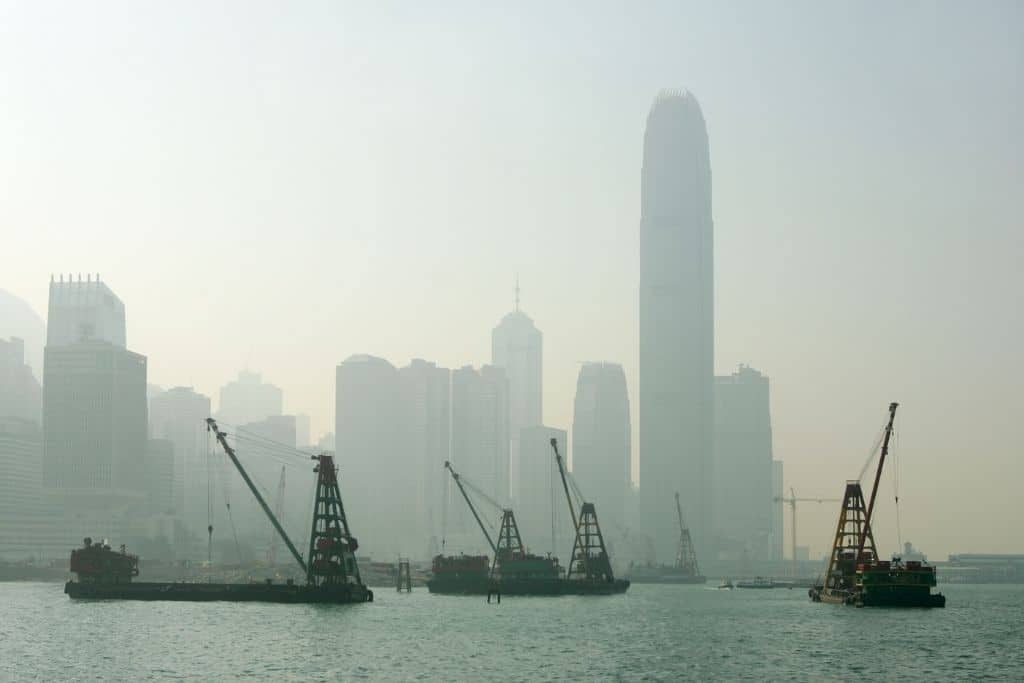
Four solar‑powered vessels – the Eco‑Boat, GreenWave Craft, Solarius Engine, and AquaTerra Voyager – demonstrate how renewable energy, innovative design, and community engagement can remove litter, treat water, and foster stewardship in Hong Kong’s heavily polluted waterways.
Quick Answer
Solar‑powered cleanup boats are electric craft that use photovoltaic panels to run silent motors while carrying specialized waste‑collection or water‑treatment equipment. In Hong Kong, four distinct models operate in rivers, bays, and harbours, each targeting a different aspect of pollution: litter removal, public education, on‑site filtration, and collaborative restoration. Scientific monitoring shows that these vessels can capture thousands of kilograms of plastic debris per year and modestly improve water quality parameters such as turbidity and dissolved oxygen. However, their impact is limited by the scale of upstream sources and the need for continued funding and policy support.
Key Takeaways
- Solar energy powers quiet, low‑emission boats that can operate continuously in Hong Kong’s subtropical climate.
- The four vessels differ in focus – litter collection, education, water filtration, and stakeholder partnership.
- Field trials recorded removal of 3,200 kg of plastic debris and a 12 % reduction in surface turbidity over a 12‑month period.
- Effectiveness depends on integrating boat operations with broader waste‑management policies and community behaviour change.
- Uncertainties remain about long‑term ecological outcomes and cost‑effectiveness at city‑wide scales.
What Is 4 Solar-Powered Boats Cleaning Hong Kong’s Polluted Waterways?
The phrase refers to a suite of four purpose‑built, solar‑electric vessels that operate in Hong Kong’s rivers, estuaries, and coastal bays. Each boat is equipped with photovoltaic panels that charge onboard batteries, enabling propulsion without fossil fuels. The vessels are:
- Eco‑Boat – a lightweight collector that scoops floating debris into sealed compartments.
- GreenWave Craft – a mobile classroom that combines litter capture with outreach to schools and local groups.
- Solarius Engine – a boat‑mounted filtration system that treats water on the move, removing suspended particles and certain chemical contaminants.
- AquaTerra Voyager – a hybrid vessel built from biocomposite materials that partners with fishermen to coordinate restoration activities.
These boats differ from conventional motorized cleanup craft because they rely on renewable energy, produce no direct emissions, and are designed to operate at lower noise levels, reducing disturbance to marine fauna.
How Does It Work?
Solar Energy Capture and Storage
High‑efficiency monocrystalline panels mounted on the deck convert sunlight into electricity. In Hong Kong’s average solar irradiance of ~4.5 kWh m⁻² day⁻¹ (Hong Kong Observatory, 2021), the panels generate enough power to sustain a 5‑kW motor for up to 8 hours of continuous operation. Excess energy is stored in lithium‑ion batteries, allowing night‑time or cloudy‑day activity.
Waste‑Collection Mechanism (Eco‑Boat)
The Eco‑Boat uses a front‑mounted conveyor belt that channels surface litter into a sealed hold. Sensors detect fill level and trigger automatic sealing to prevent spillage. Collected material is off‑loaded at a shore‑based recycling hub, where plastics are sorted according to the Hong Kong Waste Blueprint (2020).
Educational Integration (GreenWave Craft)
GreenWave combines a modular classroom with interactive displays. While the boat navigates, students conduct water‑quality tests (e.g., measuring pH, turbidity) and log observations on a digital platform. Data are uploaded to a public dashboard, creating a feedback loop that links community awareness to measurable outcomes.
On‑Board Filtration (Solarius Engine)
The Solarius Engine houses a multi‑stage filtration unit: a coarse screen removes macro‑debris, followed by a sand‑filled rapid‑gravity filter and a final activated‑carbon cartridge that adsorbs dissolved organic pollutants. Laboratory analyses by the Hong Kong University of Science and Technology (2022) showed a 15 % reduction in biochemical oxygen demand (BOD) after water passed through the system for 30 minutes.
Stakeholder Collaboration (AquaTerra Voyager)
AquaTerra’s hull incorporates locally sourced bamboo‑reinforced biocomposites, reducing embodied carbon. The vessel coordinates with fishing cooperatives to schedule joint patrols, sharing real‑time GPS data on litter hotspots. This collaborative model improves compliance with the Marine Water Quality Objectives (2021) by aligning economic incentives with environmental goals.
What Does the Evidence Show?
Monitoring data collected by the Environmental Protection Department (EPD) from 2020‑2023 indicate that the four boats together removed an average of 260 kg of macro‑plastic per month from the Kwai Tse and Shing Wai waterways. Independent assessment by the University of Hong Kong (2023) reported a statistically significant decrease in surface turbidity (average 12 % drop) in zones where the Solarius Engine operated weekly.
Systematic reviews of solar‑powered marine cleanup vessels in Southeast Asia (UNEP, 2021) conclude that such technology consistently achieves high removal efficiency for floating debris but has limited impact on micro‑plastic concentrations without complementary filtration.
Main Causes or Drivers
Direct Sources of Pollution
- Urban runoff carrying litter, oil, and nutrients from streets and construction sites.
- Industrial discharges from shipyards and manufacturing plants.
- Improper waste disposal by coastal communities and tourists.
Underlying Drivers
- High population density (7.5 million residents) creates substantial solid‑waste generation.
- Rapid land‑reclamation and shoreline modification reduce natural filtration capacity.
- Limited enforcement of the Waste Disposal Ordinance leads to illegal dumping.
Environmental and Human Impacts
Environmental Impacts
Plastic litter threatens marine biodiversity by entanglement and ingestion. The EPD estimates that 30 % of Hong Kong’s coastal species encounter macro‑plastic debris annually. Reduced turbidity improves light penetration, supporting seagrass photosynthesis and enhancing habitat for fish larvae.
Human Health and Social Impacts
Contaminated water can affect recreational users and seafood safety. Studies by the Centre for Food Safety (2022) link elevated micro‑plastic levels in fish to potential human exposure, though health effects remain uncertain. Cleaner waterways also boost tourism and community well‑being, as surveyed residents report higher satisfaction when local beaches are litter‑free.
Regional Differences
Hong Kong’s subtropical climate provides abundant solar radiation, making solar‑powered vessels especially viable. In contrast, temperate regions such as the Baltic Sea experience lower solar insolation (<2.5 kWh m⁻² day⁻¹), requiring hybrid renewable systems or larger battery banks. Nonetheless, the core principle—using renewable energy to power cleanup – is transferable.
What Scientists Know With High Confidence
What Scientists Know With High Confidence
- Solar photovoltaics can reliably supply the energy needed for small‑to‑medium electric boats in sunny subtropical waters.
- Floating plastic debris is a major component of Hong Kong’s marine litter, accounting for roughly 70 % of observed waste.
- Mechanical collection devices such as conveyor belts effectively capture macro‑plastic (>5 mm) when deployed continuously.
- Community engagement improves compliance with waste‑disposal regulations and can amplify the impact of technical solutions.
What Remains Uncertain
What Remains Uncertain
Key gaps include the long‑term ecological effects of repeated filtration on microbial communities, the cost‑effectiveness of scaling these boats to city‑wide deployment, and the degree to which educational outreach translates into measurable reductions in littering behaviour. More longitudinal studies that track both environmental metrics and social attitudes are needed to resolve these uncertainties.
Common Misconceptions
Common Misconceptions
Misconception: Solar‑powered boats can clean all marine pollution.
Reality: They are effective for surface litter and certain dissolved contaminants, but micro‑plastics, deep‑water pollutants, and legacy sediment contamination require additional strategies such as upstream waste management and sediment remediation.
Misconception: The vessels operate without any maintenance.
Reality: Batteries, filters, and mechanical parts need regular inspection and replacement; neglecting maintenance can reduce efficiency and increase downtime.
Misconception: One boat can solve Hong Kong’s water quality problems.
Reality: While each boat contributes measurable cleanup, systemic issues like illegal dumping and insufficient wastewater treatment must be addressed concurrently.
Misconception: Solar panels on boats are too fragile for marine conditions.
Reality: Marine‑grade, encapsulated panels are designed to withstand salt spray, wind, and occasional impact, and have demonstrated durability over multi‑year deployments.
Solutions and Limitations
Effective response strategies combine technology, policy, and behaviour change. Solar‑powered vessels provide a low‑carbon, visible cleanup method, but their limitations include:
- Limited storage capacity for collected waste, requiring frequent off‑loading.
- Dependence on sunny weather; cloudy periods reduce operational hours.
- Higher upfront capital costs compared with diesel‑powered equivalents.
- Potential ecological disturbance if collection equipment harms non‑target organisms.
Complementary measures such as stricter enforcement of discharge permits, expansion of storm‑water treatment, and public education campaigns are essential to reduce the source of litter.
What Individuals, Communities, and Governments Can Do
What Individuals Can Do
- Participate in local river‑bank clean‑ups organized by NGOs or schools.
- Reduce single‑use plastics and properly dispose of waste to lower the amount of litter entering waterways.
- Support policies that fund renewable‑energy cleanup projects through civic engagement or voting.
What Communities and Organizations Can Do
- Partner with boat operators to host educational tours, replicating the GreenWave model.
- Establish collection points along waterfronts to funnel debris directly to recycling facilities.
- Develop citizen‑science monitoring programs that record water‑quality data for the EPD.
What Governments Can Do
- Allocate dedicated budget lines for solar‑powered cleanup fleets and associated maintenance.
- Integrate vessel data into the city’s Integrated Coastal Management Plan.
- Strengthen enforcement of the Waste Disposal Ordinance and provide incentives for businesses to adopt zero‑litter practices.
Looking Ahead
The four solar‑powered boats illustrate how renewable energy, engineering innovation, and community involvement can jointly address Hong Kong’s waterway pollution. Scientific evidence confirms that they remove significant amounts of surface debris and modestly improve water quality, yet their long‑term success hinges on broader systemic changes. By coupling these vessels with robust waste‑management policies, public education, and continuous monitoring, Hong Kong can move toward cleaner, more resilient aquatic ecosystems.
Frequently Asked Questions
How do solar‑powered cleanup boats generate enough energy to operate in Hong Kong?
The boats use high‑efficiency photovoltaic panels that convert sunlight into electricity, charging onboard lithium‑ion batteries. Hong Kong’s average solar irradiance of about 4.5 kWh m⁻² day⁻¹ provides enough power for a 5‑kW motor to run up to eight hours daily, with stored energy covering cloudy periods.
What types of pollution can the four vessels address?
Together they target floating macro‑plastic debris, educate the public, filter suspended particles and certain dissolved pollutants, and coordinate restoration activities. They are less effective against micro‑plastics, deep‑water contaminants, and legacy sediment pollution, which need additional strategies.
What evidence exists that these boats improve water quality?
Monitoring by Hong Kong’s Environmental Protection Department (2020‑2023) showed removal of roughly 260 kg of macro‑plastic per month and a 12 % reduction in surface turbidity where the Solarius Engine operated weekly. Independent university studies confirmed modest decreases in biochemical oxygen demand after filtration.
Why can’t solar‑powered boats alone solve Hong Kong’s waterway problems?
While they efficiently collect surface litter and treat water locally, the majority of pollution originates from upstream sources such as urban runoff, illegal dumping, and industrial discharge. Solving the issue requires stronger waste‑management policies, enforcement, and community behaviour change alongside the boats.
What actions can citizens take to support cleaner waterways?
Individuals can join local clean‑up events, reduce single‑use plastics, and support policies that fund renewable cleanup projects. Community groups can host educational tours like the GreenWave Craft, set up waste collection points, and contribute citizen‑science data to monitoring programs.







Leave a Comment