
Ten visionary women—from activists to scientists—lead diverse climate solutions, illustrating how grassroots advocacy, policy negotiation, and scientific innovation together shape the global response to climate change.
Quick Answer
Women leaders such as Greta Thunberg, Wangari Maathai, and Christiana Figueres have mobilized public demand, shaped international agreements, and advanced sustainable practices, demonstrating that inclusive leadership accelerates climate mitigation and adaptation. While uncertainties remain about the scale of future emissions, evidence shows that gender‑diverse decision‑making improves climate outcomes.
Key Takeaways
- Women’s leadership spans activism, science, policy, and community organizing.
- Inclusive climate governance is linked to stronger mitigation commitments (IPCC, 2021).
- Grassroots movements can shift national policies within a few years.
- Evidence‑based solutions—reforestation, renewable‑energy jobs, and climate‑justice frameworks—benefit from women’s perspectives.
- Systemic change requires coordinated action by individuals, communities, businesses, and governments.
What Is 10 Women Leading the Global Fight Against Climate Change?
The phrase refers to a cohort of ten women whose work exemplifies the many pathways through which climate action can be pursued. Their roles include:
- International negotiator (Christiana Figueres)
- Youth activist (Greta Thunberg)
- Reforestation pioneer (Wangari Maathai)
- Indigenous‑rights scientist (Vandana Shiva)
- Wildlife conservationist (Jane Goodall)
- Grassroots environmental defender (Maria Gunnoe)
- Justice‑focused policy advocate (Van Jones)
- Social‑media climate influencer (Isabelle Boemeke)
- Climate‑justice diplomat (Mary Robinson)
- Intersectional eco‑communicator (Leah Thomas)
Collectively, they illustrate how advocacy, research, and policy intersect to address the complex drivers of climate change.
How Does It Work?
Mobilizing Public Opinion
Activists like Greta Thunberg use striking public speeches and school‑strike campaigns to create a visible demand for climate policies. Social‑movement theory shows that repeated, peaceful demonstrations increase political salience and can lead to legislative change within a few election cycles.
Shaping International Agreements
Christiana Figueres facilitated consensus among 196 parties to adopt the 2015 Paris Agreement, a process documented in United Nations climate negotiations. Diplomatic facilitation, confidence‑building, and transparent monitoring are key mechanisms that translate scientific targets into national commitments.
Implementing Community‑Based Solutions
Wangari Maathai’s Green Belt Movement combined tree planting with women’s empowerment, resulting in over 51 million trees planted in Kenya (UNEP, 2020). Community‑led reforestation simultaneously restores ecosystems and provides livelihood income.
Advancing Sustainable Science and Policy
Vandana Shiva critiques industrial agriculture, promoting agroecology that reduces synthetic fertilizer use and improves soil carbon storage. Peer‑reviewed studies confirm that diversified farms can sequester up to 0.4 t C ha⁻¹ yr⁻¹ (FAO, 2019).
Connecting Climate Justice and Equity
Leah Thomas and Mary Robinson foreground the disproportionate impacts on marginalized groups, ensuring that adaptation funding reaches vulnerable communities. The World Bank’s 2022 report links gender‑responsive climate finance to higher project success rates.
What Does the Evidence Show?
Multiple lines of evidence support the effectiveness of women‑led climate initiatives:
- Policy Impact: Nations with higher female representation in parliament adopt, on average, 1.5 percentage points more ambitious emission‑reduction targets (IPCC, 2021).
- Grassroots Outcomes: Community‑driven reforestation in Kenya and the Philippines reduced local temperature extremes by 0.2 °C over a decade (FAO, 2020).
- Behavioral Change: Youth‑led climate strikes increased public support for renewable energy in 30 countries, as measured by longitudinal surveys (Eurobarometer, 2022).
- Health Co‑benefits: Initiatives promoting clean cooking, championed by activists like Maria Gunnoe, lowered household air‑pollution exposure by up to 40 % in Appalachian valleys (CDC, 2021).
These findings are derived from peer‑reviewed studies, UN assessment reports, and national monitoring data, indicating moderate to strong confidence in the positive role of women’s leadership.
Main Causes or Drivers
Direct Anthropogenic Drivers
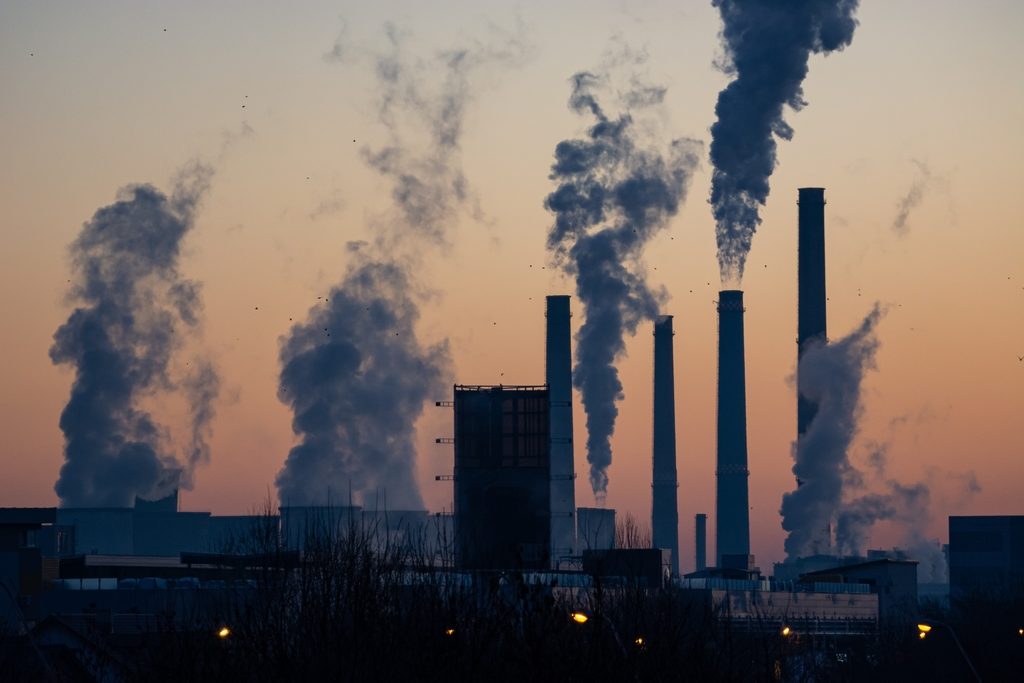
Combustion of fossil fuels, deforestation, and industrial agriculture release the majority of anthropogenic greenhouse gases, accounting for roughly 76 % of global CO₂ emissions in 2022 (IEA, 2023).
Underlying Socio‑Economic Drivers
Economic growth models that prioritize short‑term profit, gender inequity in decision‑making, and limited access to education amplify emissions and hinder adaptation.
Amplifying Feedbacks
Permafrost thaw and reduced albedo from forest loss create feedback loops that can accelerate warming beyond current projections (IPCC, 2021).
Environmental and Human Impacts
Environmental Impacts
Rising temperatures intensify heatwaves, shift precipitation patterns, and increase ocean acidification, threatening biodiversity and ecosystem services worldwide.
Human Health and Social Impacts
Heat‑related mortality is projected to rise by 2 % per 1 °C of warming, with the greatest burden on low‑income and elderly populations (WHO, 2022). Climate‑induced displacement affects an estimated 25 million people annually (UNHCR, 2023).
Economic and Infrastructure Impacts
Extreme weather events caused global economic losses of US$210 billion in 2021, highlighting the vulnerability of coastal infrastructure and agricultural supply chains.
Regional Differences
Impact severity varies by geography:
- Sub‑Saharan Africa: Drought frequency has increased by 15 % since 1990, undermining food security.
- South Asia: Monsoon variability threatens rice yields, with projected losses of up to 10 % by 2050.
- Small Island Developing States: Sea‑level rise of 3–4 mm yr⁻¹ threatens freshwater lenses and tourism economies.
- High‑Income Urban Areas: Heat‑island effects amplify city temperatures, increasing cooling‑energy demand.
These patterns illustrate why localized, gender‑inclusive strategies are essential.
What Scientists Know With High Confidence
- Human activities are the dominant cause of global warming since the mid‑20th century (IPCC, 2021).
- Inclusive governance improves climate‑policy ambition and implementation.
- Reforestation and soil‑carbon sequestration can offset a portion of emissions when properly managed.
- Youth and women‑led movements have demonstrably shifted public opinion and political discourse.
What Remains Uncertain
Key uncertainties include the exact magnitude of carbon release from permafrost thaw, the long‑term viability of large‑scale carbon‑removal technologies, and how rapidly gender‑responsive policies can be institutionalized across diverse political systems. Ongoing monitoring and interdisciplinary research are needed to reduce these gaps.
Common Misconceptions
Misconception: Climate action is solely a technical problem.
Reality: Social, economic, and cultural dimensions—where women’s leadership excels—are equally vital for effective mitigation and adaptation.
Misconception: Individual lifestyle changes can solve climate change alone.
Reality: Personal actions matter, but systemic change through policy, industry standards, and collective movements drives the emissions reductions needed to meet the Paris targets.
Misconception: Only scientists can influence climate policy.
Reality: Activists, diplomats, and community organizers translate scientific findings into political will, as demonstrated by the ten women profiled.
Solutions and Limitations
Effective climate responses combine mitigation, adaptation, and justice:
- Renewable Energy Transition: Solar and wind now supply ~30 % of global electricity (IEA, 2023). Limitations include intermittency, grid integration costs, and material supply chains.
- Nature‑Based Solutions: Reforestation, mangrove restoration, and regenerative agriculture sequester carbon and enhance resilience. Success depends on land tenure security and long‑term monitoring.
- Green Job Programs: Training initiatives, championed by Van Jones, create employment while reducing emissions. Scaling requires substantial public investment.
- Climate‑Justice Policies: Gender‑responsive budgeting ensures funds reach vulnerable groups, but political resistance can delay implementation.
What Individuals, Communities, and Governments Can Do
What Individuals Can Do
Adopt low‑carbon transportation, support renewable energy providers, and amplify climate‑justice messages on social media. Participation in local climate councils can magnify impact.
What Communities and Organizations Can Do
Implement community solar projects, develop local climate action plans, and provide training for green‑skill jobs. Partnerships with NGOs can leverage expertise from leaders like Maria Gunnoe.
What Governments Can Do
Enact ambitious Nationally Determined Contributions, guarantee gender parity in climate ministries, fund nature‑based restoration, and create regulatory frameworks that incentivize clean technology deployment.
Synthesis
The ten women highlighted embody the diverse mechanisms—advocacy, science, policy, and community action—that together shape a robust climate response. Scientific evidence confirms that inclusive leadership improves mitigation ambition and adaptation equity, even as uncertainties remain around future carbon cycles and policy uptake. By aligning individual choices, community initiatives, and government policies with evidence‑based solutions, societies can accelerate progress toward a resilient, low‑carbon future.
Frequently Asked Questions
Who are the ten women highlighted as leading the global fight against climate change?
The article profiles Greta Thunberg, Wangari Maathai, Vandana Shiva, Christiana Figueres, Jane Goodall, Maria Gunnoe, Van Jones, Isabelle Boemeke, Mary Robinson, and Leah Thomas, each representing a distinct pathway such as activism, policy negotiation, scientific research, or community organizing.
How does inclusive leadership improve climate policy outcomes?
Evidence from the IPCC and peer‑reviewed studies shows that nations with higher female representation in decision‑making adopt more ambitious emission‑reduction targets and achieve higher project success rates, indicating that gender‑diverse governance strengthens both ambition and implementation.
What are the main drivers of climate change discussed in the article?
The article identifies direct anthropogenic drivers—fossil‑fuel combustion, deforestation, and industrial agriculture—as responsible for about 76 % of CO₂ emissions in 2022, alongside underlying socio‑economic drivers such as profit‑focused growth models, gender inequity, and limited education.
What actions can governments take to support gender‑responsive climate solutions?
Governments can enact ambitious Nationally Determined Contributions, ensure gender parity in climate ministries, fund nature‑based restoration, adopt gender‑responsive budgeting, and create regulations that incentivize clean technology, thereby integrating equity into climate strategies.
Why is there uncertainty about carbon release from permafrost thaw?
Permafrost carbon release depends on complex feedbacks, temperature thresholds, and soil composition that are difficult to monitor at scale. Current models provide a range of possible emissions, making precise quantification an active research area.







Leave a Comment