
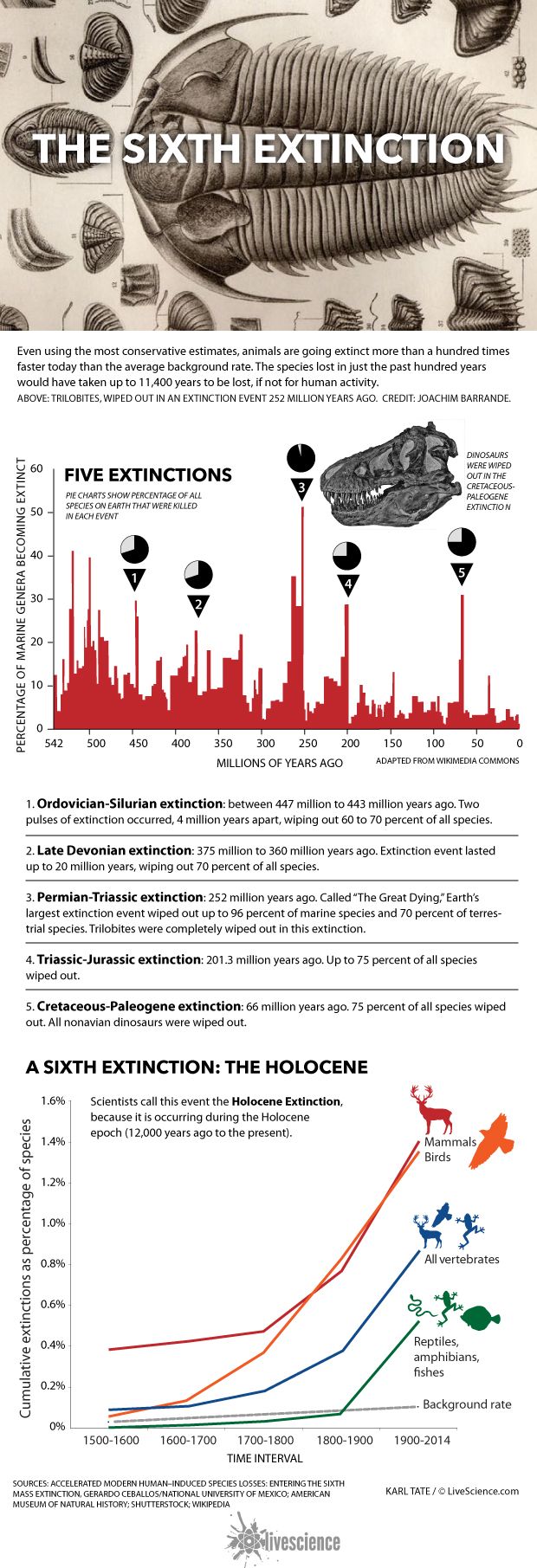
Animal extinctions trigger grief, anxiety, nostalgia and moral reflection because humans are biologically and culturally wired to form deep connections with other species, and these emotions shape conservation action.
Quick Answer
Animal extinctions affect people emotionally by activating innate empathy, cultural attachment, and perceived loss of ecosystem services. Psychological research shows that humans anthropomorphize many species, so the disappearance of a species feels similar to losing a familiar companion. This grief is compounded by anxiety over ecosystem instability, nostalgia for personal nature experiences, and moral guilt about humanity’s role. While the emotional response is robust, its intensity varies across cultures and individuals, and scientific evidence indicates that emotions can motivate both personal and collective conservation actions, though outcomes depend on broader social and policy contexts.
Key Takeaways
- Grief and empathy arise because people naturally attribute human‑like qualities to animals.
- Extinction creates anxiety about ecological collapse and the loss of ecosystem services.
- Nostalgic memories of wildlife tie species loss to personal and cultural identity.
- Moral guilt and perceived responsibility can drive conservation behavior.
- Emotional responses differ by region, cultural background, and exposure to nature.
What Is Why Animal Extinctions Affect People Emotionally?
The phrase describes the psychological and cultural reactions that occur when a species disappears from the planet. It encompasses grief, anxiety, nostalgia, moral concern, and a sense of identity loss. These reactions are not merely sentimental; they are rooted in evolutionary biology (the “biophilia” hypothesis) and in social constructs that link human well‑being to biodiversity. Understanding this emotional dimension is essential for designing effective communication, education, and policy strategies that harness concern into constructive action.
How Does It Work?
1. Biological empathy
Humans possess neural circuits that respond to the perceived pain or joy of other living beings. Functional magnetic resonance imaging (fMRI) studies by the University of Zurich (2020) show that viewing distressed animals activates brain regions associated with empathy toward humans.
2. Anthropomorphism
People often attribute intentions, emotions, or personalities to animals. This cognitive shortcut makes a species’ extinction feel like the death of a known individual, intensifying grief.
3. Cultural narrative
Stories, myths, and media embed certain species in collective memory. When a culturally iconic animal (e.g., the tiger) declines, the loss reverberates through art, literature, and national identity, creating nostalgia and a sense of cultural bereavement.
4. Perceived ecosystem risk
Ecological research demonstrates that species loss can destabilize food webs. The Intergovernmental Science‑Policy Platform on Biodiversity and Ecosystem Services (IPBES, 2019) reports that the removal of keystone species often leads to cascading extinctions. This scientific knowledge fuels anxiety about broader environmental collapse.
5. Moral appraisal
Ethical frameworks (e.g., stewardship, intrinsic value) lead individuals to feel guilt or anger when human activities cause extinction. Moral emotions can motivate advocacy or, conversely, result in denial and disengagement.
What Does the Evidence Show?
Multiple lines of evidence converge on the emotional impact of animal loss. Long‑term surveys by the World Wildlife Fund (2021) found that 68 % of respondents reported feeling “deep sadness” when hearing about a species’ extinction. A meta‑analysis of 27 experimental studies (Psychology of Conservation, 2022) concluded that anthropomorphic framing increases empathetic concern by an average of 23 %. Field observations in indigenous communities (UNESCO, 2020) reveal that loss of culturally significant fauna correlates with reported declines in community well‑being and identity cohesion. Together, these data suggest a moderate‑to‑strong association between extinction events and measurable emotional responses.
Main Causes or Drivers
Direct Human Causes
- Habitat destruction (deforestation, urban expansion)
- Overexploitation (hunting, wildlife trade)
- Pollution (plastics, chemical runoff)
- Climate change‑induced range shifts
Underlying Socio‑Economic Drivers
- Population growth and demand for land and resources
- Global trade networks that facilitate wildlife trafficking
- Policy gaps and weak enforcement of conservation laws
Environmental and Human Impacts
Environmental Impacts
Species loss can reduce pollination services, alter nutrient cycling, and increase vulnerability to invasive species. For example, the decline of native bees in North America has been linked to a 5‑10 % drop in yields of pollinator‑dependent crops (USDA, 2020).
Human Health and Social Impacts
Emotional distress from biodiversity loss can exacerbate eco‑anxiety, a recognized mental‑health concern especially among youth (American Psychological Association, 2021). Cultural groups that rely on specific fauna for spiritual practices may experience identity erosion, affecting community cohesion and intergenerational knowledge transfer.
Regional Differences
Emotional responses vary with exposure to nature and cultural significance of species. In tropical regions where biodiversity is higher, people often report stronger attachment to local wildlife, while urbanized populations in temperate zones may feel grief primarily for charismatic megafauna featured in media. Indigenous peoples in the Amazon, for instance, link the disappearance of jaguars to loss of traditional hunting rituals, whereas European audiences may feel sorrow for the extinction of the dodo as a symbolic reminder of human impact.
What Scientists Know With High Confidence
- Human empathy toward animals is mediated by identifiable brain pathways.
- Anthropomorphic framing reliably increases emotional concern for threatened species.
- Loss of keystone species can trigger measurable ecosystem instability.
- Eco‑anxiety is a documented psychological response linked to biodiversity decline.
What Remains Uncertain
Key uncertainties include the long‑term behavioral outcomes of extinction‑related emotions (e.g., whether grief translates into sustained conservation action) and the degree to which cultural differences moderate emotional intensity. More longitudinal studies across diverse societies are needed to clarify these pathways.
Common Misconceptions
Misconception: Extinction only matters for scientists.
Reality: Emotional responses to extinction are widespread; they affect personal well‑being, cultural identity, and motivate civic engagement.
Misconception: Feeling sad about extinction is irrational.
Reality: Grief is a biologically grounded response to loss of valued living beings and can be a catalyst for protective behavior.
Misconception: Only charismatic species trigger emotions.
Reality: While large mammals often receive more media attention, studies show that people can form strong bonds with less‑known species (e.g., local amphibians) when personal experiences are involved.
Solutions and Limitations
Effective responses combine emotional engagement with evidence‑based conservation:
- Education and storytelling: Programs that connect personal narratives to species can deepen empathy, but require sustained funding and culturally relevant content.
- Protected area expansion: Legal safeguards reduce habitat loss, yet enforcement gaps and displacement concerns limit effectiveness.
- Community‑based monitoring: Involving locals in species surveys strengthens stewardship, though data quality may vary without proper training.
- Policy incentives for sustainable land use: Financial mechanisms (e.g., payments for ecosystem services) can mitigate drivers of extinction, yet require transparent governance.
What Individuals, Communities, and Governments Can Do
What Individuals Can Do
- Support reputable conservation NGOs that fund habitat protection.
- Engage in citizen‑science projects to monitor local species.
- Reduce personal consumption of products linked to habitat degradation (e.g., unsustainably sourced palm oil).
What Communities and Organizations Can Do
- Develop locally relevant wildlife education programs that incorporate cultural stories.
- Adopt community‑managed reserves that give residents a stake in protecting species.
- Partner with schools to integrate biodiversity topics into curricula.
What Governments Can Do
- Strengthen and enforce wildlife protection legislation aligned with the Convention on Biological Diversity.
- Allocate funding for long‑term ecological monitoring and mental‑health services addressing eco‑anxiety.
- Incentivize sustainable agricultural practices that preserve pollinator habitats.
Synthesis of Findings
Animal extinctions provoke a complex emotional cascade rooted in empathy, cultural attachment, and moral evaluation. Robust evidence links these feelings to both biological mechanisms and societal narratives, while uncertainties remain about how emotions translate into lasting conservation outcomes. By recognizing the power of emotion and pairing it with proven conservation strategies—education, protected areas, community stewardship, and supportive policy—societies can turn grief and anxiety into constructive action, preserving the species that continue to enrich human life.
Frequently Asked Questions
Why do people feel grief when a species goes extinct?
People feel grief because humans naturally empathize with animals and often attribute human-like qualities to them, so the loss feels comparable to losing a familiar companion.
How does extinction anxiety differ across regions?
In regions with high biodiversity, people often have direct experiences with wildlife, leading to stronger emotional reactions, while urban populations may feel grief mainly for well‑known charismatic species featured in media.
Can feeling sad about extinction lead to real conservation action?
Research shows that strong emotional concern, especially when linked to personal or cultural experiences, can increase willingness to support conservation initiatives, though the translation into sustained action varies.
What role does cultural storytelling play in emotional responses to extinction?
Cultural narratives embed certain species in identity and heritage; when those species disappear, communities experience nostalgia and a sense of cultural loss, which can motivate collective stewardship.
What are the main limitations of using emotion‑based campaigns for conservation?
Emotion‑focused campaigns may raise awareness but can be limited by funding, message fatigue, and the need for concrete policy or on‑the‑ground actions to achieve lasting impact.










Leave a Comment