
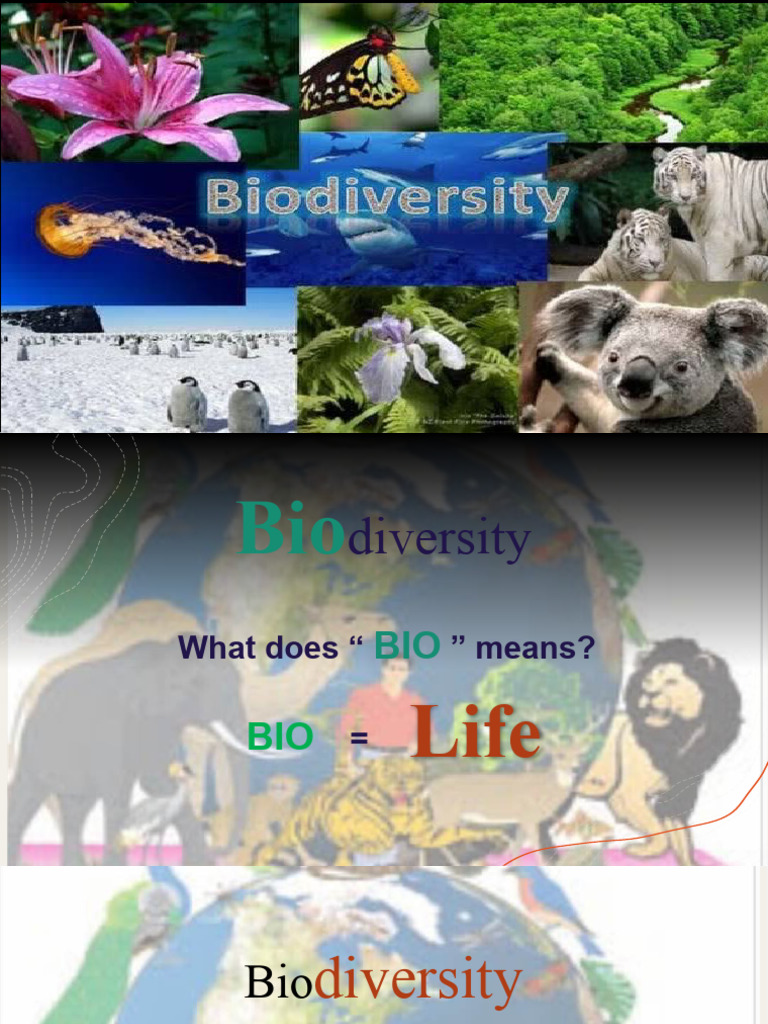
Biodiversity— the variety of life at genetic, species and ecosystem levels— is the foundation of natural ecosystem health, supplying essential services that support climate stability, food production, and human well‑being.
Quick Answer
Biodiversity is the range of living organisms and their genetic variations within an ecosystem, and it sustains ecosystem processes such as nutrient cycling, climate regulation, and pollination. The more diverse an ecosystem, the more resilient it is to disturbances like disease, invasive species, or climate extremes. High‑confidence research shows that loss of biodiversity weakens these services, increasing risks to food security, water quality, and human health, though exact outcomes vary by region and ecosystem type.
Key Takeaways
- Ecological resilience rises with species and genetic diversity, buffering ecosystems against shocks.
- Diverse ecosystems capture more energy, recycle nutrients faster, and produce higher biomass.
- Human societies rely on biodiversity‑derived services such as pollination, water purification, and climate regulation.
- Genetic diversity within species enables adaptation to changing climates and emerging pests.
- Conservation, restoration and sustainable management are the most effective ways to preserve these benefits.
What Is Why Biodiversity Is Essential to Natural Ecosystems?
The phrase refers to the scientific understanding that the variety of life forms— from microorganisms to megafauna— directly underpins the functioning of natural ecosystems. Biodiversity includes three nested levels: genetic diversity (variation within species), species diversity (variety of species), and ecosystem diversity (variety of habitats). It differs from “abundance” because it emphasizes variety rather than sheer numbers of individuals. The importance lies in the way different organisms perform complementary roles that sustain biogeochemical cycles, energy flow, and the provision of ecosystem services.
How Does It Work?
1. Niche Complementarity and Resource Partitioning
Species often occupy distinct niches—specific combinations of habitat, diet, and activity patterns. This partitioning reduces competition and allows more efficient use of sunlight, water, and nutrients. For example, in a mixed‑species forest, shade‑tolerant understory trees capture light that canopy species miss, while deep‑rooted trees access water unavailable to shallow‑rooted species.
2. Trophic Interactions and Feedback Loops
Predators, herbivores, decomposers and primary producers form food webs that regulate population sizes and recycle organic matter. The presence of multiple predator species can suppress pest outbreaks more effectively than a single predator, a phenomenon known as “insurance effect.”
3. Genetic Buffering
Within‑species genetic variation provides the raw material for evolution. Populations with higher genetic diversity are more likely to contain individuals tolerant to drought, disease, or temperature extremes, enabling the species to persist under changing conditions.
4. Ecosystem Engineering
Some organisms modify physical environments—beavers build dams, corals create reef structures, earthworms aerate soil. These engineers create habitats that support additional species, amplifying overall biodiversity.
What Does the Evidence Show?
Long‑term monitoring by the United Nations Convention on Biological Diversity (CBD) and peer‑reviewed meta‑analyses indicate a strong positive correlation between species richness and ecosystem productivity (e.g., a 2018 synthesis of 150 field experiments found a 20 % increase in biomass on average when species number doubled). Experimental removal of species in grassland plots consistently leads to declines in nutrient retention and soil stability. The Intergovernmental Panel on Climate Change (IPCC) 2021 report cites biodiversity‑driven carbon sequestration as a key natural climate solution, estimating that intact forests store roughly 30 % more carbon than monocultures of the same age.
Main Causes or Drivers
Habitat Loss and Fragmentation
Conversion of forests, wetlands, and grasslands to agriculture or urban areas reduces both species and genetic diversity. The World Bank estimates that 75 % of terrestrial habitat loss since 1970 is due to agricultural expansion.
Climate Change
Rising temperatures shift species’ climatic envelopes, forcing range migrations that can outpace dispersal ability, especially for low‑mobility organisms.
Pollution and Overexploitation
Excess nutrients, plastics, and chemical contaminants degrade habitats, while overfishing and hunting directly remove species from ecosystems.
Invasive Species
Non‑native species often outcompete natives, reducing local diversity and altering ecosystem processes such as fire regimes or nutrient cycling.
Environmental and Human Impacts
Environmental Impacts
Reduced biodiversity weakens carbon storage, diminishes water filtration, and lowers soil fertility. Coral reef degradation, driven by loss of symbiotic algae diversity, leads to less coastal protection from storms.
Human Health and Social Impacts
Pollination services from diverse insect communities support an estimated 35 % of global crop calories. Declines in pollinator diversity can therefore threaten food security, especially in low‑income regions dependent on small‑holder agriculture. Moreover, ecosystems with rich microbial diversity help suppress water‑borne pathogens, improving public health.
Economic Impacts
The World Economic Forum (2020) valued global ecosystem services at roughly US$125 trillion per year, with biodiversity loss projected to cut this value by 5–10 % by 2050 if trends continue.
Regional Differences
Tropical rainforests host the highest species richness; loss of a single tree species can affect dozens of dependent animals. In temperate grasslands, diversity loss primarily reduces soil carbon and increases erosion risk. Arctic tundra ecosystems are currently experiencing rapid changes in species composition due to warming, altering albedo and feedbacks to climate.
What Scientists Know With High Confidence
- Species richness enhances ecosystem productivity and stability (multiple long‑term experiments).
- Genetic diversity within species improves adaptive capacity to environmental change.
- Loss of biodiversity directly reduces the provision of pollination, water purification, and carbon sequestration services.
- Habitat fragmentation is the leading driver of biodiversity decline worldwide.
What Remains Uncertain
Key gaps include the precise tipping points at which ecosystem services collapse, especially under combined stressors like climate change plus land‑use change. Uncertainty also surrounds the effectiveness of large‑scale restoration projects in re‑establishing functional genetic diversity, because long‑term monitoring data are limited.
Common Misconceptions
Misconception: “Only charismatic megafauna matter for ecosystem health.”
Reality: Microbes, fungi and invertebrates often perform the bulk of nutrient cycling and soil formation, and their loss can impair ecosystem function even if large animals remain.
Misconception: “Biodiversity is the same as ecosystem productivity.”
Reality: High productivity can occur in low‑diversity systems (e.g., monoculture agriculture), but such systems lack resilience and provide fewer ancillary services.
Misconception: “Protecting a single species will safeguard the whole ecosystem.”
Reality: While keystone species have outsized influence, ecosystem stability generally depends on a network of many interacting species.
Solutions and Limitations
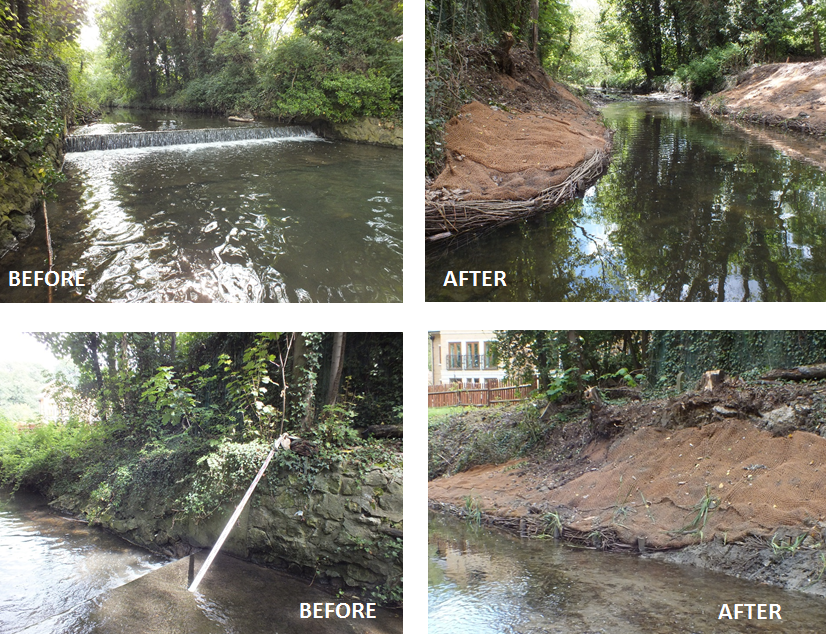
Effective strategies combine protection, sustainable use, and restoration. Protected areas safeguard habitats but may displace local livelihoods if not designed inclusively. Sustainable agriculture—such as agroforestry or diversified cropping—maintains production while enhancing on‑farm biodiversity, yet adoption can be limited by market incentives. Restoration projects (e.g., re‑forestation with native species) rebuild habitat but often face challenges in restoring soil microbial communities and achieving long‑term land‑use security.
What Individuals, Communities, and Governments Can Do
What Individuals Can Do
- Support certified products (e.g., shade‑grown coffee) that encourage farm‑level biodiversity.
- Participate in citizen‑science monitoring of local species.
- Reduce waste and chemical use to lessen habitat contamination.
What Communities and Organizations Can Do
- Implement community‑led habitat corridors that connect fragmented patches.
- Adopt native‑plant landscaping in schools and public spaces.
- Provide training for sustainable fisheries and forest management.
What Governments Can Do
- Expand and effectively manage protected‑area networks to meet the CBD 30 % target by 2030.
- Integrate biodiversity considerations into land‑use planning, climate policies, and fiscal incentives.
- Fund long‑term ecological monitoring and restoration research to close knowledge gaps.
Synthesizing the Evidence
Biodiversity is the engine that drives ecosystem function, resilience, and the suite of services on which humanity depends. Robust scientific evidence confirms that diverse species assemblages and rich genetic pools buffer ecosystems against disturbances and sustain productivity. While uncertainties remain about exact thresholds and restoration outcomes, the precautionary principle advises preserving and restoring biodiversity wherever possible. Coordinated action across individuals, communities, and governments offers the most reliable path to safeguard the natural systems that keep our planet livable.
Frequently Asked Questions
What is biodiversity and why does it matter for ecosystems?
Biodiversity is the variety of life at genetic, species and ecosystem levels. It matters because diverse organisms perform complementary roles that sustain nutrient cycles, climate regulation, pollination and other services essential for ecosystem health and human well‑being.
How does species diversity increase ecosystem resilience?
Species diversity creates niche complementarity and functional redundancy, so if one species is lost or stressed, others can fill its role. This buffers ecosystems against disturbances such as disease, invasive species, or extreme weather, maintaining productivity and stability.
Which human activities are the main drivers of biodiversity loss?
The primary drivers are habitat loss and fragmentation from agriculture and urban expansion, climate change shifting species ranges, pollution and overexploitation of resources, and the introduction of invasive species that outcompete native organisms.
What evidence shows that biodiversity supports pollination and food security?
Research cited by the United Nations indicates that diverse insect communities provide pollination for about 35 % of global crop calories. Meta‑analyses of field experiments demonstrate that higher pollinator diversity leads to greater crop yields and reduced risk of food shortages.
What actions can governments take to protect biodiversity?
Governments can expand protected‑area networks to meet international targets, integrate biodiversity goals into land‑use and climate policies, provide incentives for sustainable agriculture and fisheries, and fund long‑term monitoring and restoration research to address knowledge gaps.





Leave a Comment