
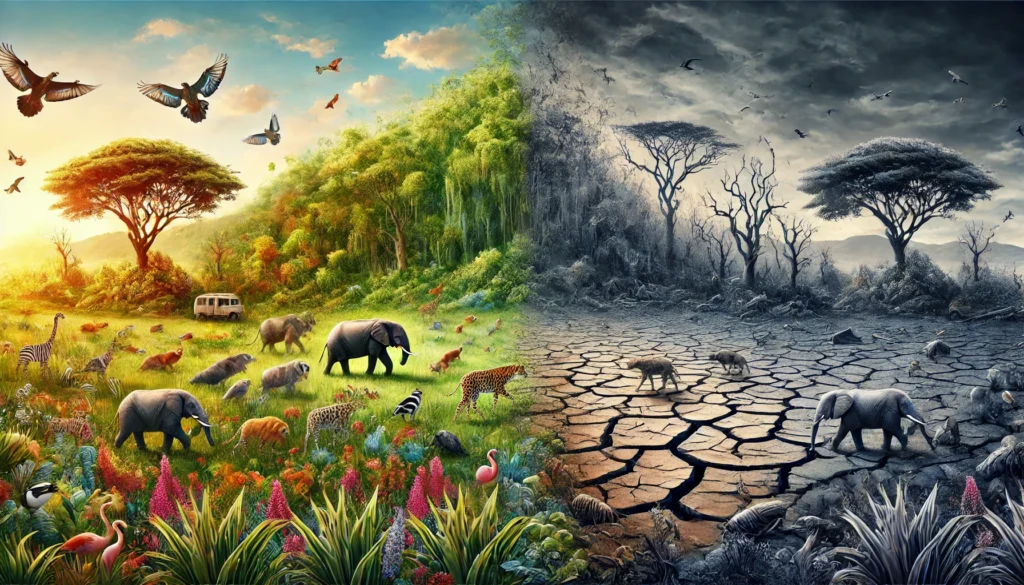
A loss of species richness weakens food webs, reduces ecosystem resilience, disrupts nutrient cycles, and compromises the services humans depend on, with scientific evidence pointing to cascading ecological and societal effects.
Quick Answer
Biodiversity decline means fewer species, genetic variants, and functional groups within an ecosystem. When this diversity drops, the tightly linked web of predators, pollinators, decomposers and producers loses redundancy, making the system more vulnerable to shocks such as disease, climate extremes, or invasive species. The most widely documented impact is a breakdown of ecosystem services—clean water, fertile soil, pollination and carbon storage—affecting both natural habitats and human livelihoods. While the direction of change is well‑understood, the precise timing and magnitude of local impacts remain uncertain because data gaps and complex feedbacks vary across regions.
Key Takeaways
- Species loss reduces ecological redundancy, increasing the risk of cascade failures.
- Diverse ecosystems are more resilient to climate‑related disturbances and disease outbreaks.
- Altered nutrient cycling and pollination can lower agricultural productivity and food security.
- Invasive species often thrive in biodiversity‑poor systems, further eroding native communities.
- Effective solutions combine habitat protection, sustainable land use and targeted restoration, but must consider local context and trade‑offs.
What Is What Happens to an Ecosystem When Biodiversity Declines?
Biodiversity encompasses three linked levels: species diversity, genetic diversity within species, and ecosystem diversity across landscapes. The phrase “what happens to an ecosystem when biodiversity declines” refers to the suite of ecological changes that follow reductions in any of these levels. These changes are not merely a loss of numbers; they alter the functional roles that species play—such as pollination, predation, decomposition and soil formation—thereby reshaping the entire system’s structure and function. Understanding this process is essential because ecosystem health underpins the provision of services that support human societies.
How Does It Work?
Food‑Web Dynamics
Every ecosystem is organized as a food web, a network of energy transfers from primary producers (plants, algae) through herbivores to higher‑level predators. High species richness creates multiple pathways for energy flow, providing “insurance” if one species declines. When biodiversity falls, these pathways narrow, making the web more linear and fragile. For example, the loss of a top predator can cause mesopredator release, leading to over‑grazing of vegetation and subsequent habitat degradation.
Pollination and Reproduction
Pollinators such as bees, butterflies and hummingbirds transfer pollen among flowering plants. A decline in pollinator diversity reduces the redundancy of pollination services, often lowering fruit set and seed viability. This effect ripples upward, decreasing food availability for herbivores and, ultimately, for human agriculture that relies on pollinator‑dependent crops (estimated at 35% of global food production; Food and Agriculture Organization, 2022).
Nutrient Cycling
Decomposers—fungi, bacteria and detritivorous invertebrates—break down organic matter, releasing nitrogen, phosphorus and carbon back into soils. Diverse decomposer communities process litter more efficiently, maintaining soil fertility. When microbial or macro‑decomposer diversity declines, decomposition slows, leading to nutrient bottlenecks that limit plant growth and reduce carbon sequestration.
Resilience to Disturbance
Resilience is the capacity of an ecosystem to absorb shocks and recover. Diverse ecosystems contain species with varying tolerances to temperature, moisture and disease. This variation spreads risk; if a heat wave kills sensitive species, tolerant ones can maintain ecosystem functions. Monocultures or species‑poor systems lack this buffer, making them prone to regime shifts such as coral bleaching or forest die‑back.
What Does the Evidence Show?
Multiple lines of evidence converge on the same conclusions. Long‑term monitoring by the Global Biodiversity Information Facility (GBIF) shows a global average decline of roughly 20% in vertebrate abundance since the 1970s (IPBES, 2019). Experimental removal studies in grasslands demonstrate that a 50% loss of plant species reduces primary productivity by 10–30% (Tilman et al., 2012, peer‑reviewed meta‑analysis). Coral reef surveys indicate that reefs with >30% coral species loss experience bleaching rates 1.5 times higher during thermal stress events (NOAA, 2021). Across marine, freshwater and terrestrial systems, systematic reviews consistently link higher species richness with greater stability of ecosystem services.
Main Causes or Drivers
Habitat Destruction
Land‑use change—deforestation, urban expansion and agricultural intensification—removes the physical space species need to survive. The United Nations Convention on Biological Diversity reports that 75% of terrestrial biodiversity loss is directly tied to habitat conversion (CBD, 2020).
Overexploitation
Unsustainable hunting, fishing and harvesting deplete populations faster than they can reproduce. For example, global fish catches peaked in 1996 and have since declined by about 10% (FAO, 2022), contributing to marine food‑web simplification.
Pollution
Chemical contaminants, nutrient runoff and plastic debris degrade habitats and cause direct mortality. Eutrophication from excess nitrogen and phosphorus reduces oxygen levels, leading to dead zones that eliminate many benthic species.
Climate Change
Rising temperatures, altered precipitation patterns and increased frequency of extreme events shift species’ climatic niches. Species unable to migrate or adapt face heightened extinction risk, further eroding diversity.
Invasive Species
When native communities are weakened, non‑native species can establish and outcompete locals. Invasive plants such as kudzu in the southeastern United States smother native vegetation, reducing overall plant diversity and altering fire regimes.
Environmental and Human Impacts
Environmental Impacts
- Reduced carbon sequestration: Forests with lower species diversity store up to 25% less carbon per hectare (IPCC, 2021).
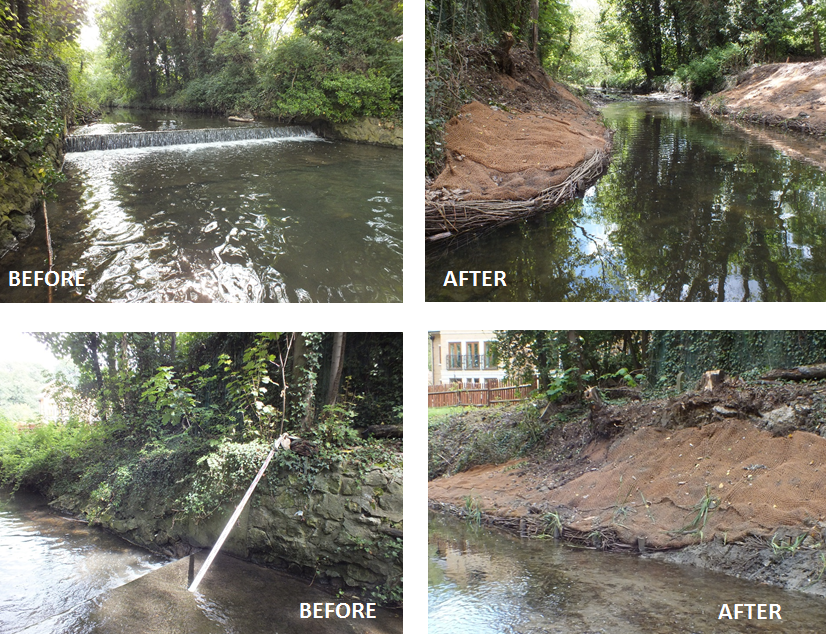
- Altered water regulation: Diverse riparian vegetation improves bank stability and filters runoff; loss of diversity increases sedimentation and flood risk.
- Loss of habitat complexity: Simplified habitats support fewer species, further accelerating biodiversity loss.
Human Health and Social Impacts
- Declining pollinator services can raise food prices and decrease nutritional diversity, disproportionately affecting low‑income communities.
- Reduced water‑purifying capacity of wetlands leads to higher incidence of water‑borne diseases.
- Loss of culturally important species undermines indigenous knowledge systems and spiritual well‑being.
Economic and Infrastructure Impacts
- Forestry and fisheries reliant on diverse stocks experience lower yields and greater economic volatility.
- Tourism centered on wildlife and coral reefs suffers when flagship species disappear.
Regional Differences
Impact severity varies with ecosystem type and socioeconomic context. Tropical rainforests, which host >50% of known species, experience rapid functional loss when deforestation removes canopy layers. In contrast, temperate grasslands often retain some functional redundancy, buffering short‑term productivity declines but still facing long‑term soil degradation. Small island nations, dependent on marine resources, see accelerated food‑security risks from coral loss and invasive species, whereas high‑latitude boreal forests may experience slower biodiversity loss but face amplified fire regimes under warming.
What Scientists Know With High Confidence
- Diverse ecosystems are more stable and productive than species‑poor ones.
- Pollinator loss directly reduces yields of many crops, threatening food security.
- Habitat loss is the primary driver of global biodiversity decline.
- Climate change interacts with other stressors to accelerate species extinctions.
What Remains Uncertain
Key uncertainties include the exact thresholds at which ecosystem functions collapse, how quickly degraded systems can recover under restoration, and the regional variability of climate‑biodiversity feedbacks. Long‑term, high‑resolution monitoring across under‑studied biomes (e.g., deep‑sea and tropical alpine zones) is needed to refine predictive models.
Common Misconceptions
Misconception: Only charismatic megafauna matter.
Reality: While large mammals capture public attention, the majority of ecosystem processes are driven by insects, microbes and plants. Their loss can have equal or greater functional consequences.
Misconception: Biodiversity loss is only a future problem.
Reality: Empirical data show measurable declines in species abundance and richness across most major habitats over the past five decades.
Misconception: Restoring a single species will fix ecosystem damage.
Reality: Single‑species reintroductions can help, but full functional recovery usually requires restoring community‑level diversity and habitat complexity.
Solutions and Limitations
Effective responses combine prevention, restoration and adaptive management. Protected areas (e.g., UNESCO World Heritage sites) have been shown to reduce deforestation rates by 30–50% where adequately funded, yet gaps in enforcement limit their efficacy. Sustainable agriculture—such as agroforestry and diversified cropping—maintains productive land while supporting pollinators and soil microbes, but may require higher labor inputs and market support. Restoration projects that re‑introduce native plant mixes improve soil carbon and biodiversity faster than monoculture planting, yet success depends on site‑specific climate and seed availability.
What Individuals, Communities, and Governments Can Do
What Individuals Can Do
- Support certified sustainable products (e.g., shade‑grown coffee, FSC timber) that incentivize habitat‑friendly practices.
- Participate in citizen‑science monitoring programs to improve biodiversity data coverage.
- Reduce pesticide use and plant native species in gardens to create micro‑habitats for pollinators.
What Communities and Organizations Can Do
- Develop local land‑use plans that integrate green corridors, allowing species movement.
- Invest in community‑led restoration projects that use locally sourced native seedlings.
- Educate schools and businesses about the economic benefits of ecosystem services.
What Governments Can Do
- Implement and enforce strong protected‑area networks that meet the 30‑by‑30 target (30% of land and sea protected by 2030).
- Provide subsidies or tax incentives for farmers adopting biodiversity‑friendly practices.
- Integrate biodiversity metrics into national accounting and climate‑policy frameworks.
Closing Synthesis
Biodiversity loss weakens the structural scaffolding of ecosystems, leading to less stable food webs, diminished resilience, and compromised services that people rely on for water, food and health. Robust evidence confirms these patterns across biomes, while uncertainties remain about precise collapse thresholds and recovery pathways. Addressing the drivers—habitat loss, overexploitation, pollution, climate change and invasives—requires coordinated actions that blend protection, sustainable management and restoration, with attention to local contexts and equity. By aligning individual choices, community initiatives and policy frameworks, society can preserve the functional diversity essential for a thriving planet.
Frequently Asked Questions
What is biodiversity and why is it important for ecosystems?
Biodiversity includes the variety of species, genetic differences within species, and the range of ecosystems. It underpins ecosystem functions such as pollination, nutrient cycling and carbon storage, which are essential for both natural environments and human societies.
How does the loss of pollinators affect food production?
When pollinator diversity declines, many crops receive less or no pollination, leading to lower yields. About 35% of global food production depends on animal pollination, so reduced pollinator services can raise food prices and threaten nutrition security.
Which human activities are the main drivers of biodiversity decline?
The primary drivers are habitat destruction from land‑use change, overexploitation of wildlife and fisheries, pollution, climate change and the spread of invasive species. Together they account for the majority of observed species losses worldwide.
Can restoring a single species bring an ecosystem back to health?
Restoring one species can help, but full ecosystem recovery usually requires re‑establishing community‑level diversity and habitat complexity. Single‑species reintroductions rarely replace the functional roles lost from many other organisms.
What actions can governments take to curb biodiversity loss?
Governments can create and enforce protected‑area networks, provide incentives for biodiversity‑friendly agriculture, and integrate biodiversity metrics into national climate and economic policies. These measures address the root causes of species decline at scale.




Leave a Comment