
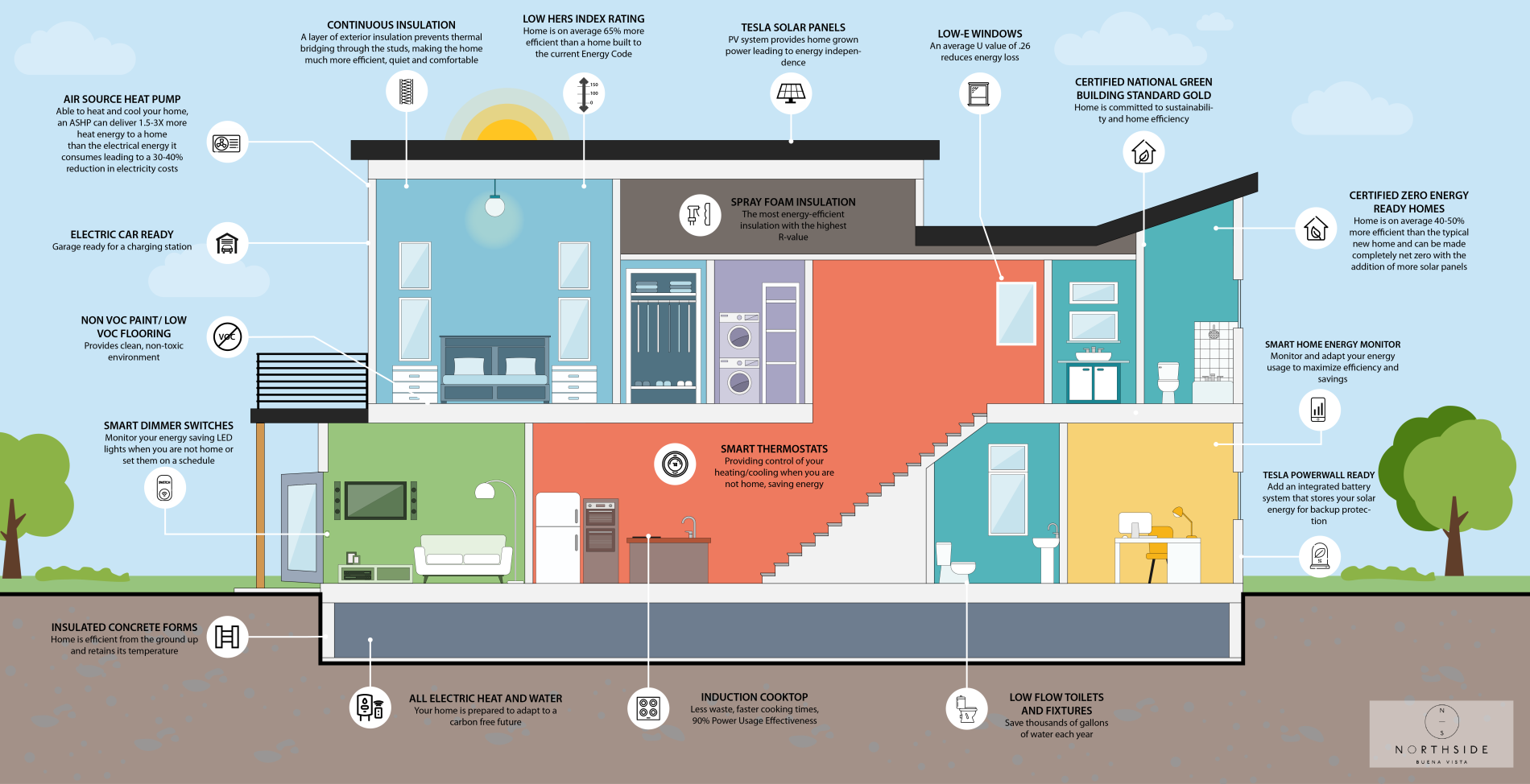
Energy efficiency means doing the same work with less energy, while energy saving focuses on using less energy overall, and both are essential for reducing emissions and costs.
Quick Answer
Energy efficiency refers to technologies or practices that deliver the same service—such as lighting, heating, or transport—while consuming less energy; energy saving, by contrast, involves actions that cut total energy use, for example by turning devices off or reducing demand. The two concepts overlap, but efficiency improves the performance of equipment, whereas saving changes behavior or demand. Together they lower greenhouse‑gas emissions, lower utility bills, and lessen strain on power systems, though the exact impact depends on the context and may be moderated by the rebound effect.
Key Takeaways
- Energy efficiency improves the ratio of output to energy input without altering the service provided.
- Energy saving reduces overall energy consumption by changing habits or demand.
- Both approaches cut emissions, but efficiency often yields larger long‑term savings because it works continuously.
- Policy incentives and building codes drive widespread adoption of efficient technologies.
- The rebound effect can partially offset gains, making combined efficiency and conservation strategies essential.
What Is Energy Efficiency vs. Energy Saving: What’s the Difference?
Energy efficiency is a technical attribute of a product, system, or process. An efficient LED bulb, for example, produces the same luminous output as an incandescent lamp while drawing a fraction of the wattage. Energy saving, on the other hand, is a behavioral or managerial approach that reduces the total amount of energy used, such as switching off lights when a room is vacant or lowering thermostat settings.
Both concepts are central to climate mitigation because the electricity sector accounts for roughly 40% of global CO₂ emissions (International Energy Agency, 2022). By reducing the energy required for a given service, efficiency lessens the fuel burned at power plants, while saving curtails the total demand that must be met.
How Does It Work?
Mechanics of Energy Efficiency
- Identify the functional requirement (e.g., illumination, heating, transport).
- Apply a technology that delivers the same function with lower energy input (e.g., LED lighting, high‑efficiency motors, heat‑pump HVAC).
- Maintain or improve performance over the device’s lifetime.
Mechanics of Energy Saving
- Measure current energy use patterns.
- Implement behavioral changes or operational adjustments that lower demand (e.g., setting thermostats 1‑2 °C lower, using natural daylight, consolidating trips).
- Monitor results to ensure reductions are sustained.
What Does the Evidence Show?
Long‑term data from the U.S. Energy Information Administration indicate that per‑capita energy consumption has been roughly flat since the early 2000s, despite economic growth, largely because of efficiency gains in appliances and industry. A systematic review published in *Energy Policy* (2020) found that efficiency measures in residential lighting alone avoided about 1.5 Gt CO₂ yr⁻¹ globally. The International Energy Agency’s 2021 World Energy Outlook reports that without continued efficiency improvements, meeting the Paris Agreement temperature goal would require an additional 6 % increase in renewable capacity.
Main Causes or Drivers
Direct Causes
- Outdated equipment with low performance ratios (e.g., incandescent bulbs, old‑model refrigerators).
- High‑intensity usage patterns such as excessive heating, cooling, or standby power.
Underlying Drivers
- Economic incentives that favor low‑upfront cost over lifecycle cost.
- Lack of awareness about efficient technologies.
- Regulatory gaps that do not enforce minimum performance standards.
Environmental and Human Impacts
Environmental Impacts
Reducing energy intensity directly cuts fossil‑fuel combustion, lowering CO₂, NOₓ, and SO₂ emissions. Less demand also eases pressure on water resources used for cooling power plants, and reduces the need for new extraction of coal, oil, or gas, mitigating habitat loss and water contamination.
Human Health and Social Impacts
Cleaner air from lower emissions improves respiratory health, particularly in urban areas with high pollution levels. Lower energy bills increase disposable income for low‑income households, contributing to energy‑poverty alleviation.
Economic and Infrastructure Impacts
Efficiency reduces peak load, deferring costly upgrades to transmission and distribution networks. However, upfront investment costs can be higher, requiring financing mechanisms or incentives to achieve broad adoption.
Regional Differences
In high‑income, temperate regions such as Europe and North America, the primary barrier is often the upfront cost of retrofitting buildings. In rapidly urbanising regions of Asia and Africa, the challenge is the prevalence of low‑efficiency appliances and limited access to efficient technologies. Climate also matters: hot, arid regions benefit most from high‑efficiency cooling technologies, while cold climates see larger gains from efficient heating and insulation.
What Scientists Know With High Confidence
- Improving energy efficiency consistently reduces overall energy demand when rebound effects are modest.
- Energy efficiency measures have a favorable cost‑benefit ratio over their lifetime, as shown by multiple life‑cycle assessments.
- Policy instruments such as minimum‑energy‑performance standards and subsidies reliably accelerate market uptake of efficient technologies.
What Remains Uncertain
Key uncertainties include the magnitude of the rebound effect across different sectors, especially in transportation where lower operating costs may encourage more travel. Data gaps also exist for informal economies in low‑income countries, where appliance turnover is rapid and monitoring is limited. Further research on the long‑term durability of emerging high‑efficiency products will refine lifecycle impact estimates.
Common Misconceptions
Misconception: Energy‑saving actions are enough without upgrading equipment.
Reality: Behavioral changes reduce demand, but without efficient devices the same tasks still consume disproportionate energy, limiting overall reductions.
Misconception: More efficient devices always cost more.
Reality: While some high‑efficiency products have higher purchase prices, many (e.g., LED bulbs) are cheaper than their less efficient counterparts, and lifecycle savings often outweigh the initial expense.
Misconception: The rebound effect cancels all efficiency gains.
Reality: Empirical studies show rebound typically recovers 10‑30 % of expected savings, leaving a net reduction in energy use and emissions.
Misconception: Energy efficiency only matters for large industrial users.
Reality: Residential and commercial sectors together account for about 60 % of global electricity consumption; efficiency improvements in appliances, lighting, and HVAC have substantial aggregate impact.
Solutions and Limitations
- Technology upgrades: Replacing incandescent bulbs with LEDs cuts lighting electricity by up to 80 %, but disposal of old bulbs creates waste that must be managed.
- Building retrofits: Adding insulation and high‑efficiency windows reduces heating/cooling loads, yet retrofit projects can be disruptive and require skilled labor.
- Demand‑side management: Smart thermostats enable load shifting, but rely on user acceptance and stable internet connectivity.
- Policy instruments: Energy‑performance standards drive market change, but enforcement can be uneven, especially in jurisdictions with limited regulatory capacity.
What Individuals, Communities, and Governments Can Do
What Individuals Can Do
- Replace legacy bulbs with LED equivalents.
- Unplug chargers and devices when not in use.
- Set thermostats a few degrees lower in winter and higher in summer.
- Choose ENERGY STAR‑rated appliances during replacements.
What Communities and Organizations Can Do
- Conduct energy audits for schools, offices, and public buildings.
- Implement shared‑ownership solar or micro‑grid projects that pair generation with efficient load management.
- Offer workshops on behavioral energy‑saving techniques.
What Governments Can Do
- Adopt and enforce minimum‑energy‑performance standards for appliances and building envelopes.
- Provide tax credits or low‑interest loans for high‑efficiency retrofits.
- Mandate regular disclosure of energy intensity for large facilities.
- Support research on low‑cost, high‑efficiency technologies for low‑income markets.
Closing Synthesis
Energy efficiency and energy saving are complementary strategies: efficiency upgrades make every unit of energy work harder, while saving cuts the total demand. Strong evidence confirms that together they lower greenhouse‑gas emissions, reduce energy costs, and lessen pressure on power infrastructure. Uncertainties such as rebound effects and data gaps in developing regions do not undermine the overall climate benefit, but they highlight where further research and policy attention are needed. By pairing technology improvements with mindful consumption, societies can achieve durable, equitable progress toward a low‑carbon future.
Frequently Asked Questions
What is the difference between energy efficiency and energy saving?
Energy efficiency means delivering the same service—like lighting or heating—using less energy, while energy saving focuses on using less energy overall by changing habits or reducing demand. Efficiency improves technology performance; saving changes how much energy is used.
How does improving energy efficiency reduce greenhouse‑gas emissions?
Efficient technologies need less fuel to provide the same output, so power plants burn less coal, gas, or oil. This directly cuts CO₂, NOₓ, and SO₂ emissions. Studies show that widespread efficiency measures can avoid billions of tonnes of CO₂ each year.
Can the rebound effect offset the benefits of energy efficiency?
The rebound effect—where lower operating costs lead to increased use—does occur, but empirical evidence indicates it typically recovers only 10‑30 % of expected savings. The remaining net reduction still contributes meaningfully to emission cuts.
What are cost‑effective energy‑saving actions for households?
Households can replace incandescent bulbs with LEDs, unplug chargers when not in use, adjust thermostats a few degrees, and choose ENERGY STAR‑rated appliances. These steps require modest investment and deliver noticeable bill reductions.
How do policies support energy‑efficiency improvements?
Governments use minimum‑energy‑performance standards, tax credits, low‑interest loans, and mandatory energy‑intensity reporting to encourage manufacturers and consumers to adopt efficient technologies and to finance retrofits.









Leave a Comment