
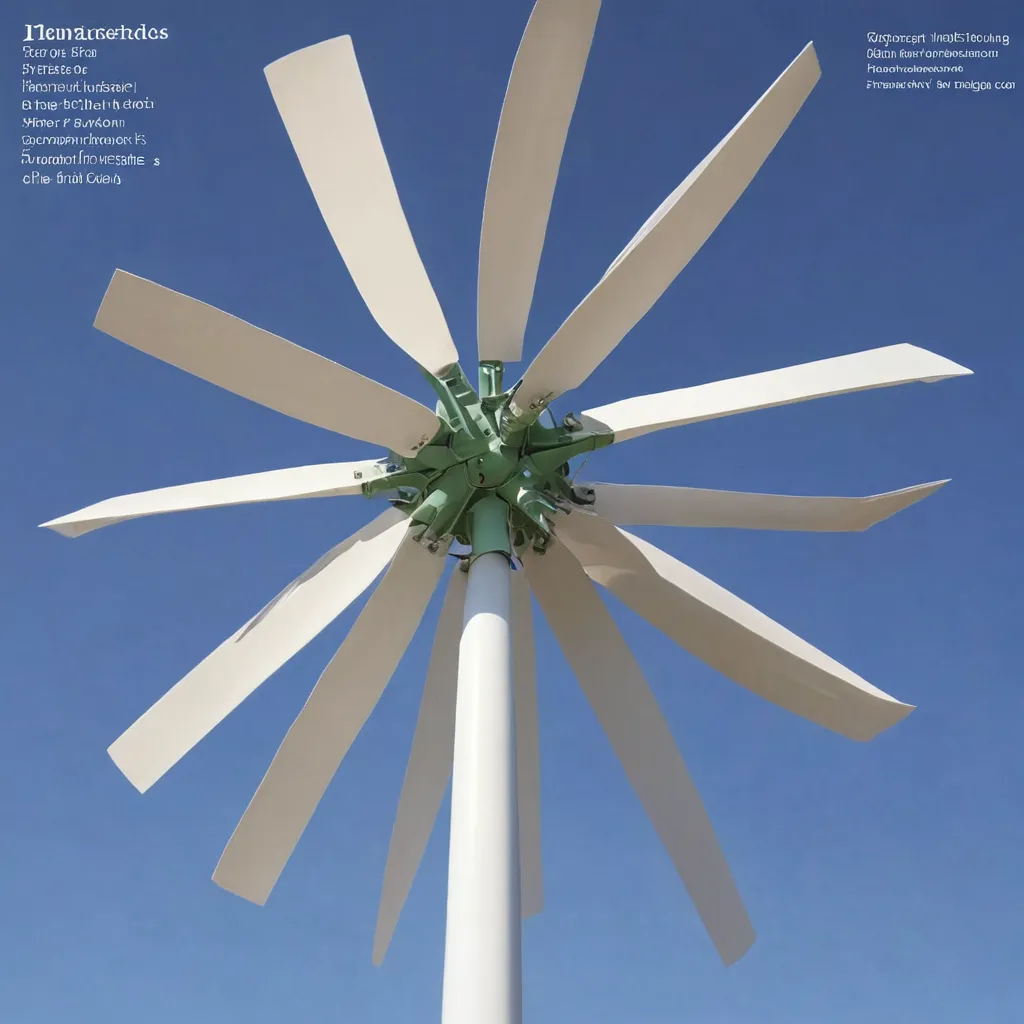
Building a wind generator from scratch lets individuals capture kinetic wind energy, convert it to electricity, and store or use it, offering a practical step toward renewable, decentralized power while highlighting engineering trade‑offs and regional considerations.
Quick Answer
Yes, a wind generator can be built from scratch using readily available components such as PVC or wood blades, a salvaged DC motor or alternator, and a simple charge controller. The device works by converting the kinetic energy of moving air into mechanical rotation, which the generator then transforms into electrical current. Evidence from DIY projects and small‑scale studies shows that such systems can produce useful power for lighting or battery charging in locations with average wind speeds above 4 m s⁻¹. Performance varies with design, site conditions, and maintenance, so outcomes are not guaranteed for every setting.
Key Takeaways
- Wind generators convert wind’s kinetic energy into electricity via a rotating turbine and a generator.
- Simple designs using PVC, wood, or repurposed motors can be assembled at low cost, but efficiency depends on blade shape and wind speed.
- Site assessment—average wind speed, turbulence, and clearance—is critical for viable power output.
- Safety, local regulations, and regular maintenance are essential to long‑term operation.
- DIY turbines complement, but do not replace, larger grid‑scale wind farms in meeting overall energy demand.
What Is “Can You Build a Wind Generator From Scratch?”
The phrase refers to the process of designing and assembling a small‑scale wind turbine using non‑commercial parts, rather than purchasing a pre‑manufactured unit. Scope includes the turbine blades, hub, shaft, generator (or alternator), mounting structure, and a basic electrical system for storage or direct use. It differs from large commercial turbines, which employ aerodynamic blade profiles, power electronics, and grid‑integration standards. DIY wind generators matter environmentally because they enable distributed renewable energy generation, reduce reliance on fossil‑fuel electricity, and foster technical literacy.
How Does It Work?
1. Capturing Wind Energy
Wind is moving air that carries kinetic energy proportional to the cube of its speed (E = ½ ρ v³, where ρ is air density and v is wind velocity). A turbine’s blades intercept this flow, creating lift that turns the rotor.
2. Mechanical Rotation
The rotor shaft transfers rotational motion to the generator. Blade length, pitch, and airfoil shape determine the torque produced; longer blades capture more energy but require stronger support.
3. Electrical Conversion
Most DIY builds use a permanent‑magnet DC motor or an automotive alternator as a generator. As the rotor spins, magnetic fields cut through coils, inducing an alternating current (AC). A simple rectifier converts AC to direct current (DC) suitable for batteries.
4. Storage or Direct Use
Generated DC can charge lead‑acid or lithium batteries through a charge controller that prevents over‑charging. Alternatively, a small inverter can supply AC loads directly, though efficiency drops at low power levels.
What Does the Evidence Show?
Systematic reviews of small‑scale wind projects (e.g., a 2020 review by the National Renewable Energy Laboratory) report that DIY turbines with blade diameters of 1–3 m typically generate 100–500 W under wind speeds of 5–7 m s⁻¹. Field measurements in rural India and the United States confirm that such output can reliably power LED lighting, radios, and phone chargers when sites have sustained wind speeds above 4 m s⁻¹ (measured over a year). However, performance drops sharply below this threshold, and turbulence caused by nearby structures reduces efficiency by up to 30 % (World Bank, 2019). The consensus is that DIY turbines are viable for low‑power, off‑grid applications but are not a substitute for utility‑scale generation.
Main Causes or Drivers
Three primary drivers motivate DIY wind generation:
- Energy access gaps: Remote or off‑grid households lack reliable electricity, prompting local solutions.
- Cost reduction: High upfront costs of commercial turbines encourage reuse of salvaged materials.
- Educational and empowerment goals: Building a turbine provides hands‑on learning about renewable energy and engineering.
Environmental and Human Impacts
Environmental Impacts
Small turbines have minimal land footprint and low visual impact compared with large farms. Lifecycle analyses (IEA, 2021) show that embodied energy in a DIY turbine is often offset within a few months of operation in windy sites, resulting in net CO₂ reductions. Potential bird collision risk is low for slow‑rotating, low‑height designs, though site‑specific assessments are recommended.
Human Health and Social Impacts
Access to clean electricity improves indoor air quality by reducing reliance on kerosene lamps, decreasing respiratory irritation. Reliable power also supports education and small‑scale enterprises, contributing to income diversification in rural communities.
Regional Differences
Wind resource maps indicate that coastal temperate zones (e.g., western Europe, Pacific Northwest) average 6–8 m s⁻¹, making DIY turbines most productive. In contrast, inland arid regions often experience intermittent gusts, requiring taller towers or hybrid solar‑wind systems to achieve comparable output. Regulatory environments also vary; some U.S. states require permits for structures over 15 m, while many developing nations have fewer formal barriers but limited technical support.
What Scientists Know With High Confidence
- Wind energy conversion follows well‑established aerodynamic principles (Bernoulli’s equation, blade element momentum theory).
- Average wind speed is the dominant factor determining power output; power scales with the cube of wind speed.
- DIY turbines can offset household electricity demand when installed in sites with sustained wind speeds above 4 m s⁻¹.
- Properly maintained small turbines have lifespans of 10–15 years with minimal environmental impact.
What Remains Uncertain
Key gaps include long‑term performance data across diverse climates, optimal blade materials for durability versus cost, and standardized safety guidelines for amateur builders. Ongoing research by university engineering labs aims to quantify fatigue life of PVC blades under UV exposure, which could refine durability estimates.
Common Misconceptions
Misconception: DIY turbines can power an entire home.
Reality: Most small‑scale builds produce a few hundred watts, sufficient for lighting and low‑power devices but far below the several kilowatts required for full household electricity.
Misconception: Any wind speed will generate electricity.
Reality: Turbines have a cut‑in speed (typically 3–4 m s⁻¹); below this, rotation is insufficient to generate usable power.
Misconception: Building a turbine is dangerous and illegal.
Reality: When erected on a sturdy tower, grounded properly, and installed according to local building codes, DIY turbines are safe and often permissible without special permits.
Solutions and Limitations
DIY wind generation is one component of a broader renewable energy strategy. It offers low‑cost, decentralized power but faces limitations:
- Resource variability: Wind is intermittent; storage or hybrid systems are needed for reliability.
- Scale: Small turbines cannot meet large‑scale demand; grid‑connected farms remain essential for systemic decarbonization.
- Technical expertise: Improper design reduces efficiency and may cause mechanical failure.
Integrating DIY turbines with solar panels, batteries, and smart controllers can mitigate intermittency and enhance overall resilience.
What Individuals, Communities, and Governments Can Do
What Individuals Can Do
Assess local wind resources using open‑source maps (e.g., NASA POWER), start with a modest 1‑m blade prototype, and join maker‑space workshops to gain hands‑on experience. Use charge controllers to protect batteries and perform routine blade inspections.
What Communities and Organizations Can Do
Establish shared wind‑energy hubs, pool resources for taller towers, and provide training programs. Community groups can negotiate bulk purchases of generators and batteries, lowering costs.
What Governments Can Do
Offer streamlined permitting for low‑height turbines, fund research on low‑cost durable materials, and incorporate DIY wind projects into rural electrification policies. Incentives such as tax credits for small renewable installations can accelerate adoption.
Closing Synthesis
Building a wind generator from scratch translates the physics of wind energy into a tangible, low‑cost power source for off‑grid applications. Strong scientific evidence confirms that, in windy locales, modest turbines can reliably supply lighting and modest electronics, contributing to reduced fossil‑fuel use and improved health outcomes. Uncertainties remain around long‑term durability and optimal designs for diverse climates, underscoring the need for continued research and supportive policies. When combined with complementary renewable technologies and community‑level planning, DIY wind generators represent a practical, empowering step toward a more resilient energy future.
Frequently Asked Questions
What basic components are needed to build a small wind generator?
A basic DIY wind generator requires blades (often made from PVC or wood), a hub and shaft, a permanent‑magnet DC motor or alternator as the generator, a rectifier, a charge controller, and a battery or load for storing or using the electricity.
How much electricity can a homemade wind turbine realistically produce?
In sites with average wind speeds above 4 m s⁻¹, a 1‑to‑3 m diameter DIY turbine typically generates 100–500 watts, enough for LED lighting, phone charging, or small appliances, but not enough to power an entire household.
Do I need a permit to install a DIY wind turbine?
Permit requirements vary by jurisdiction; many regions allow structures under 15 m without a formal permit, but you should check local building codes and zoning regulations before installation.
What are the main maintenance tasks for a small wind generator?
Regular maintenance includes inspecting blades for cracks or warping, tightening bolts on the hub, lubricating the shaft bearings, cleaning debris from the rotor, and checking electrical connections for corrosion.
Can a DIY wind turbine be combined with other renewable systems?
Yes, pairing a small wind turbine with solar panels, battery storage, and a smart charge controller creates a hybrid system that balances the intermittent nature of wind and provides more reliable power.





Leave a Comment