

Understanding the most influential wind energy engineering books helps students, professionals, and policymakers translate aerodynamic theory, structural design, and grid integration into real‑world low‑carbon power systems.
\n
Quick Answer
\n
Wind energy engineering books synthesize the physics of airflow, turbine mechanics, and electrical conversion into accessible texts that guide the design, installation, and operation of wind power projects. They explain how lift‑generating blades, drivetrain components, and power‑electronics control convert kinetic wind into electricity, and they assess economic, environmental, and policy dimensions. While core principles are well‑established, uncertainties remain around offshore blade durability, wildlife interactions, and long‑term material recycling.
\n
\n
Key Takeaways
\n
- \n
- Foundational textbooks such as Wind Energy Engineering provide systematic coverage of aerodynamics, structures, and power electronics.
- Specialized titles address offshore technology, policy frameworks, and small‑scale community turbines.
- Peer‑reviewed evidence from the International Energy Agency confirms wind power’s role in reducing CO₂ emissions and lowering electricity costs.
- Key knowledge gaps involve long‑term composite blade performance, cumulative micro‑climate effects, and optimal wildlife mitigation.
- Case studies and open‑source simulation tools in many books enable readers to apply theory to real projects.
\n
\n
\n
\n
\n
\n
\n
What Is The Best Books on Wind Energy Engineering?
\n
The phrase refers to a curated set of peer‑reviewed textbooks, reference manuals, and practitioner guides that together cover the full lifecycle of wind power—from atmospheric physics to turbine decommissioning. Core sub‑categories include:
\n
- \n
- Foundational textbooks that teach aerodynamics, structural mechanics, and power‑electronics.
- Policy‑oriented volumes that link engineering decisions to renewable‑energy targets, market mechanisms, and regulatory codes.
- Offshore specialist works that address marine logistics, corrosion resistance, and large‑scale grid integration.
- Small‑scale or community guides that focus on micro‑turbines, siting, and financing for local projects.
\n
\n
\n
\n
\n
These books matter environmentally because they equip the next generation of engineers and decision‑makers with the knowledge needed to expand low‑carbon electricity generation while minimizing ecological footprints.
\n
How Does It Work?
\n
1. Capturing Kinetic Energy
\n
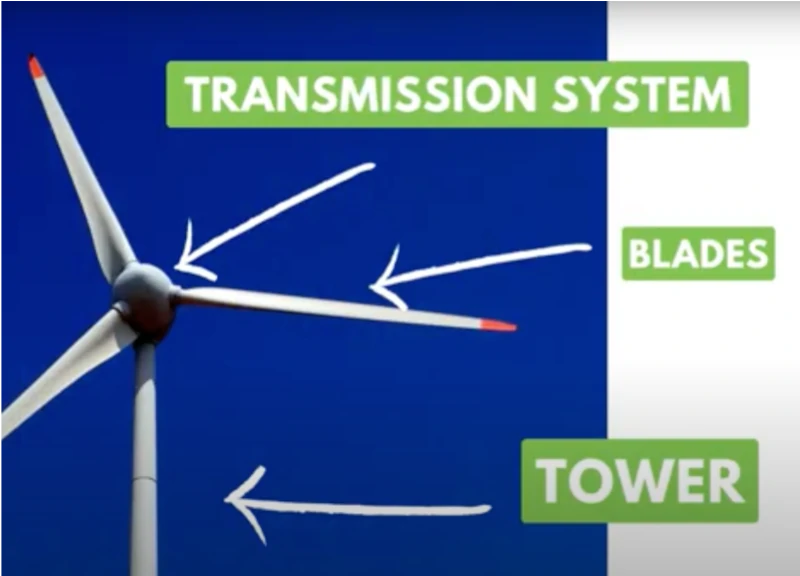
Airfoil‑shaped blades generate lift, creating a torque that spins a low‑speed shaft. Textbooks such as Wind Energy Engineering quantify how blade pitch, rotor diameter, and wind speed affect power capture using the Betz limit and blade‑element momentum theory.
\n
2. Mechanical to Electrical Conversion
\n
The low‑speed shaft is coupled to a gearbox or, in direct‑drive designs, a large‑diameter generator. Power‑electronics sections describe voltage regulation, frequency control, and grid‑synchronization algorithms.
\n
3. Grid Integration and Control
\n
Advanced control strategies—pitch control, yaw alignment, and fault‑ride‑through—are detailed in later chapters of many titles. These mechanisms ensure maximum energy capture while protecting the turbine from extreme wind events and meeting grid‑code requirements.
\n
What Does the Evidence Show?
\n
Long‑term monitoring by the International Energy Agency (IEA, 2022) shows global installed wind capacity grew from 237 GW in 2010 to 837 GW in 2022, supplying roughly 6 % of worldwide electricity. Systematic reviews (e.g., Jacobson et al., 2021) find lifecycle CO₂ emissions of 10–12 g CO₂‑eq kWh⁻¹, an order of magnitude lower than coal‑fired generation. Economic analyses report that the levelized cost of energy (LCOE) for onshore wind fell from US$ 120 /MWh in 2010 to under US$ 40 /MWh in 2022, making wind competitive with new natural‑gas plants in many markets.
\n
Main Causes or Drivers
\n
Policy and Climate Goals
\n
National renewable‑energy targets, carbon‑pricing mechanisms, and feed‑in tariffs stimulate investment, as documented in UNFCCC reports.
\n
Technological Advancements
\n
Improved composite blades, larger rotors, and sophisticated control systems have raised capacity factors from ~25 % in the early 2000s to >35 % for modern farms.
\n
Economic Incentives
\n
Tax credits, reduced financing costs, and mass‑manufacturing lower capital expenditures, especially in regions with strong, consistent winds.
\n
Environmental and Human Impacts
\n
Environmental Impsacts
\n
Wind farms displace negligible water and emit minimal greenhouse gases, contributing to climate mitigation. Potential negative effects include land‑use change, visual impact, and wildlife collisions. Mitigation guidelines—such as turbine‑shutdown during peak bat activity—have reduced collision rates by up to 80 % in several European studies.
\n
Human Health and Social Impacts
\n
Because wind turbines produce no air pollutants, nearby communities experience improved air quality. Noise levels at typical setback distances (≈300 m) are comparable to normal conversation, and peer‑reviewed health surveys (e.g., Health Canada, 2020) find no consistent adverse health outcomes when turbines are well sited.
\n
Economic and Infrastructure Impacts
\n
Construction creates short‑term jobs, and operation provides long‑term maintenance positions. Offshore farms stimulate port development and specialized vessel fleets, generating regional economic benefits.
\n
Regional Differences
\n
In Europe, dense populations and supportive policies have spurred offshore projects like the Hornsea 1 farm (1.2 GW). The United States sees rapid onshore growth across the Great Plains, where average wind speeds exceed 7 m s⁻¹. Tropical regions face higher humidity and turbulence, prompting research into corrosion‑resistant composites. These geographic variations influence which books are most relevant—for example, European readers may prioritize offshore design manuals, while U.S. practitioners often select onshore optimization texts.
\n
What Scientists Know With High Confidence
\n
- \n
- Wind energy reduces lifecycle greenhouse‑gas emissions by an order of magnitude compared with fossil fuels.
- Modern turbines achieve capacity factors above 35 % under optimal wind regimes.
- Onshore wind LCOE has declined to below US$ 40 /MWh, making it cost‑competitive in many markets.
- Strategic siting and mitigation measures significantly lower wildlife collision rates.
\n
\n
\n
\n
\n
\n
What Remains Uncertain
\n
Key knowledge gaps include the long‑term durability of next‑generation composite blades in harsh offshore environments, the cumulative micro‑climate effects of large turbine arrays, and the optimal balance between wind expansion and biodiversity conservation in migratory corridors. Ongoing field experiments and long‑duration monitoring aim to resolve these uncertainties over the next decade.
\n
\n
Common Misconceptions
\n
Misconception: Wind turbines cause large‑scale climate change.
\n
Reality: The kinetic energy extracted by all global wind farms is less than 0.1 % of the total energy in the lower troposphere, making any climate impact negligible.
\n
Misconception: Wind power is always more expensive than fossil fuels.
\n
Reality: In many regions with supportive policies, wind LCOE is lower than that of new coal or natural‑gas plants, and costs continue to fall.
\n
Misconception: Turbines are noisy and harmful to nearby residents.
\n
Reality: Modern turbines meet strict noise standards; measured sound levels at typical setbacks are comparable to normal conversation.
\n
\n
Solutions and Limitations
\n
Deploying wind energy at scale addresses climate mitigation, but solutions must consider land‑use conflicts, supply‑chain constraints for rare‑earth magnets, and grid‑integration challenges. Complementary measures include:
\n
- \n
- Energy storage—batteries and pumped hydro smooth variability but add cost and resource demand.
- Transmission upgrades—high‑voltage lines enable remote wind farms to reach demand centers, yet require extensive permitting.
- Demand‑response programs—flexible loads reduce curtailment but depend on market structures.
\n
\n
\n
\n
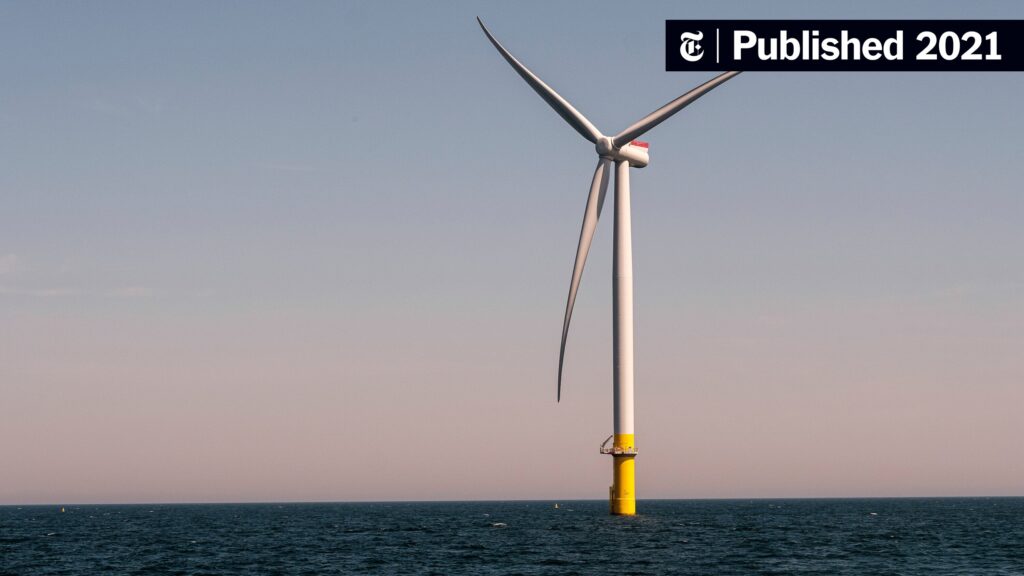
Offshore wind offers higher capacity factors but involves higher capital costs, marine‑environment permitting, and logistical complexity.
\n
What Individuals, Communities, and Governments Can Do
\n
What Individuals Can Do
\n
Support renewable‑energy tariffs, invest in community wind cooperatives, and use knowledge from the recommended books to evaluate local project proposals.
\n
What Communities and Organizations Can Do
\n
Form cooperatives to develop small‑scale turbines, conduct feasibility studies using guidance from titles such as The Wind Power Book, and partner with universities for data collection.
\n
What Governments Can Do
\n
Provide clear permitting pathways, fund research on blade recycling and wildlife mitigation, and integrate wind targets into national energy plans. Policy‑focused books offer frameworks for designing effective incentives.
\n
Closing Synthesis
\n
The most respected wind energy engineering books combine rigorous science with real‑world case studies, guiding readers from aerodynamic theory to sustainable implementation. Strong evidence confirms wind’s climate‑benefit potential, while uncertainties around offshore durability and ecological interactions direct ongoing research. By leveraging these texts, engineers, students, and policymakers can design projects that maximize clean‑energy gains, respect environmental limits, and advance the global transition to a low‑carbon future.
Frequently Asked Questions
What types of wind energy engineering books are available for beginners?
Beginners can start with foundational textbooks such as Wind Energy Engineering, which cover basic aerodynamics, structures, and power electronics, and then progress to introductory guides on site assessment and small‑scale turbine design.
How do wind energy engineering textbooks explain the conversion of wind into electricity?
They describe how airfoil‑shaped blades generate lift, turning a low‑speed shaft that is coupled to a gearbox or direct‑drive generator; power‑electronics then convert the mechanical rotation into grid‑compatible electricity.
What evidence shows that wind power reduces greenhouse‑gas emissions?
Lifecycle assessments, such as those compiled by the International Energy Agency, indicate wind electricity emits only 10–12 g CO₂‑eq per kilowatt‑hour, an order of magnitude lower than coal or natural‑gas generation.
Which uncertainties are still being researched in wind turbine technology?
Key uncertainties include the long‑term durability of composite blades in offshore environments, the cumulative micro‑climate effects of large turbine arrays, and the best strategies for minimizing wildlife collisions.
How can individuals use these books to support community wind projects?
Individuals can apply the feasibility‑study methods, siting guidelines, and financing models presented in community‑focused titles to evaluate proposals, join cooperatives, and advocate for supportive local policies.





Leave a Comment