
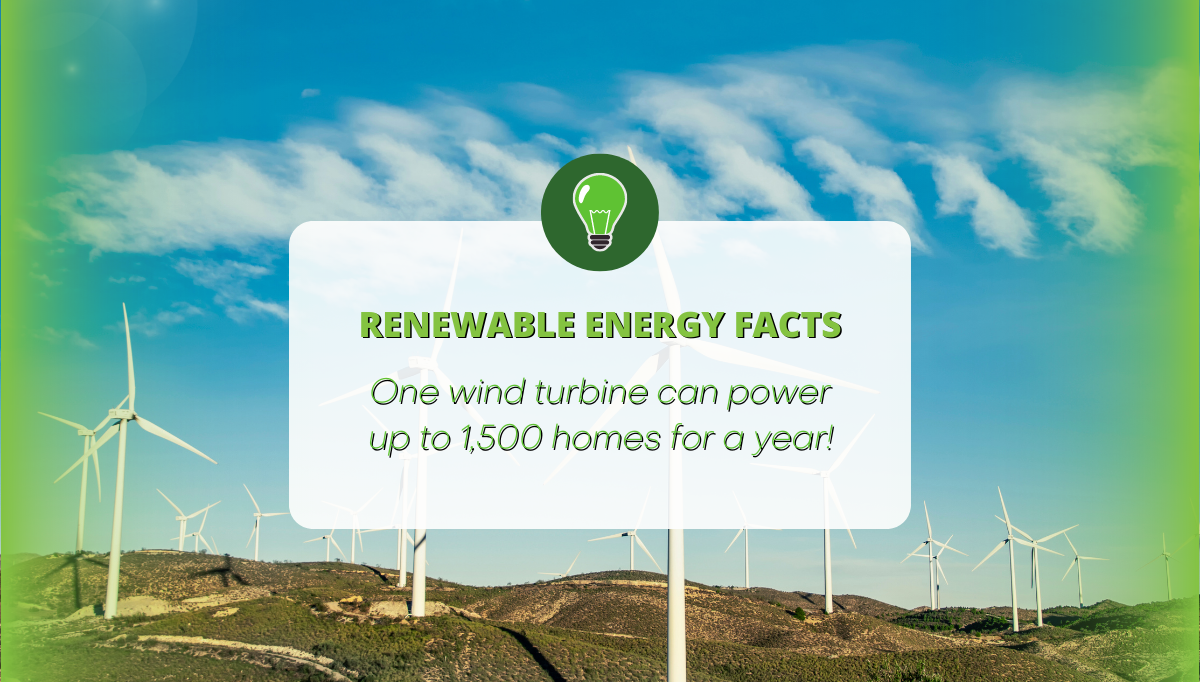
Wind farms could theoretically supply the world’s electricity, but achieving this requires massive expansion, reliable storage, grid upgrades, and careful management of environmental and social trade‑offs.
\n\n
Quick Answer
\n
Wind energy can generate a substantial share of electricity—global installed capacity reached 837 GW in 2022, producing roughly 9 % of total electricity according to the International Energy Agency (IEA, 2023). The physics of wind conversion is well‑understood, and turbine efficiency continues to improve. However, because wind is intermittent and geographically uneven, reaching 100 % of electricity demand would need a combination of far‑greater on‑shore and offshore capacity, large‑scale storage, transmission expansion, and complementary renewable sources. Current models suggest that, with strong policy support and technology advances, wind could provide 30‑50 % of global electricity by 2050, but full reliance remains uncertain.
\n
\n\n
Key Takeaways
\n
- \n
- Wind already supplies about one‑tenth of global electricity; the resource potential far exceeds current use.
- Intermittency and geographic distribution are the primary technical barriers to 100 % wind electricity.
- Offshore wind, larger turbines, and advanced storage (e.g., batteries, pumped hydro) markedly increase feasible generation.
- Environmental impacts include land‑use change, wildlife collision risk, and visual concerns, which can be mitigated through siting and design.
- Achieving a wind‑dominant grid requires coordinated policy, grid modernization, and public engagement, not just more turbines.
\n
\n
\n
\n
\n
\n
\n\n
What Is “Can Wind Farms Power All of Our Electricity Needs One Day?”
\n
The question asks whether wind‑generated electricity could eventually meet the total electricity demand of a region, nation, or the planet. It does not imply that wind alone would replace all forms of energy (e.g., heat, transport fuels) but focuses on the electric power sector. The scope includes on‑shore and offshore wind farms, the technologies that convert wind kinetic energy into electrical power, and the supporting infrastructure—grid interconnections, storage, and market mechanisms. It differs from “renewable electricity” in that it isolates wind as the sole source, whereas most energy plans rely on a mix of renewables.
\n\n
How Does It Work?
\n
1. Capturing Wind Kinetic Energy
\n
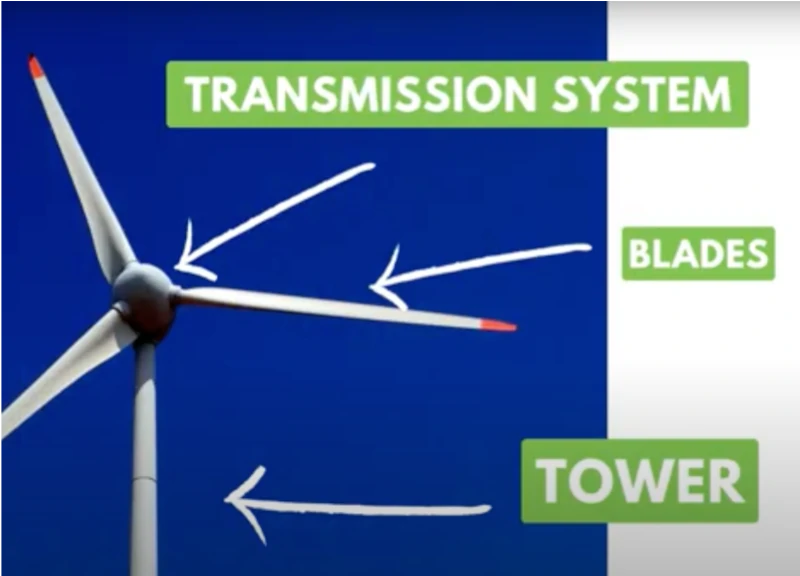
Wind turbines use aerodynamic blades to extract momentum from moving air. The rotor spins a shaft that drives a generator, converting mechanical rotation into alternating current (AC). Modern turbines achieve a capacity factor of 40‑50 % in high‑wind sites, meaning they produce about half their rated power on average.
\n
2. Grid Integration
\n
Generated electricity is stepped up by transformers and fed into transmission lines. Because wind output fluctuates, grid operators balance supply with demand using ancillary services, demand‑response, and dispatchable generation.
\n
3. Storage and Smoothing
\n
When wind exceeds demand, excess energy can be stored in lithium‑ion batteries, pumped‑hydro reservoirs, or emerging technologies such as hydrogen electrolysis. Stored energy is released when wind drops, smoothing the supply curve.
\n
4. Offshore Expansion
\n
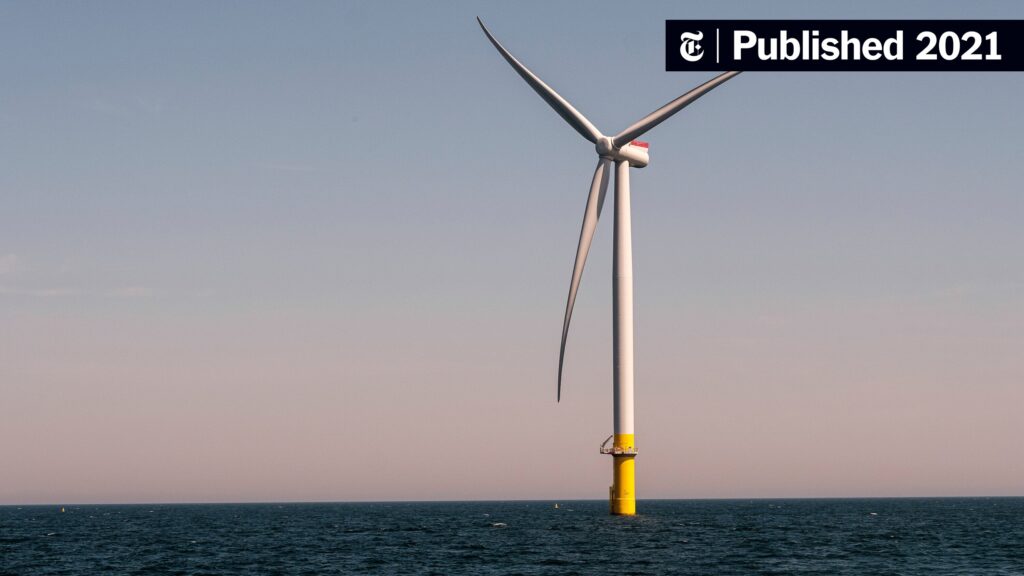
Offshore sites experience higher average wind speeds (7‑9 m s⁻¹) and less turbulence, allowing larger turbines (up to 15 MW) and higher capacity factors (55‑65 %). Subsea cables transmit power to shore, often requiring high‑voltage direct current (HVDC) for efficiency over long distances.
\n\n
What Does the Evidence Show?
\n
Long‑term monitoring by the U.S. National Renewable Energy Laboratory (NREL, 2021) and European Wind Atlas (2020) confirms that wind resources are abundant across most continents, with technical potential exceeding 20 TW—far above current global electricity demand of ~3 TW. Scenario modelling by the IPCC (Special Report on Renewable Energy, 2022) indicates that a 100 % renewable electricity system is physically possible, but wind would need to supply 30‑50 % of that mix, complemented by solar, hydro, and storage. Empirical studies of high‑penetration regions, such as Denmark (≈50 % wind in 2020) and Texas (≈30 % wind in 2022), demonstrate reliable operation when integrated with flexible gas plants and battery storage, supporting the feasibility of higher wind shares.
\n\n
Main Causes or Drivers
\n
Direct Causes
\n
- \n
- Wind speed and consistency at a site determine turbine output.
- Installed capacity (number and size of turbines) directly scales electricity production.
\n
\n
\n
Underlying Drivers
\n
- \n
- Policy incentives (tax credits, renewable portfolio standards) that lower investment risk.
- Technological advances that raise turbine size, reduce cost, and improve reliability.
- Climate‑change mitigation goals that increase demand for low‑carbon electricity.
\n
\n
\n
\n
Contributing Factors
\n
- \n
- Grid flexibility—advanced forecasting, demand‑response, and interregional transmission.
- Energy storage deployment that mitigates intermittency.
- Public acceptance and land‑use planning that affect siting possibilities.
\n
\n
\n
\n\n
Environmental and Human Impacts
\n
Environmental Impacts
\n
Wind turbines emit no greenhouse gases during operation, contributing to climate mitigation. However, large‑scale farms can alter habitats, cause bird and bat collisions, and affect local microclimates. Careful siting, turbine curtailment during migration periods, and technology such as ultrasonic deterrents reduce wildlife mortality.
\n
Human Health and Social Impacts
\n
Noise and shadow‑flicker are the primary concerns for nearby residents; studies by the World Health Organization (2021) find that well‑designed turbines keep noise below 35 dB(A), a level not associated with adverse health effects. Employment opportunities arise during construction and operation, though benefits may be unevenly distributed.
\n
Economic and Infrastructure Impacts
\n
Capital costs have fallen by ~70 % since 2010 (IEA, 2023), making wind competitive with fossil fuels in many markets. Large projects require transmission upgrades, which can be costly and require regulatory coordination.
\n\n
Regional Differences
\n
Wind resource quality varies: the Great Plains of the United States, the North Sea, and the interior of China exhibit high average wind speeds, supporting dense on‑shore farms. In contrast, densely populated or mountainous regions (e.g., much of South‑East Asia) face land‑use constraints, making offshore or hybrid solutions more viable. Policy environments also differ; the European Union’s Green Deal provides subsidies that accelerate offshore deployment, while some developing nations lack financing mechanisms.
\n\n
What Scientists Know With High Confidence
\n
- \n
- Wind turbines convert kinetic energy to electricity without direct emissions.
- Global technical wind potential exceeds current electricity demand by an order of magnitude.
- Capacity factors improve with turbine size and offshore siting.
- Integrating high shares of wind requires complementary flexibility (storage, demand response, other renewables).
- Cost trends show continued decline, enhancing economic competitiveness.
\n
\n
\n
\n
\n
\n
\n\n
What Remains Uncertain
\n
Key uncertainties include the long‑term durability of next‑generation turbine components, the scalability and cost trajectory of grid‑scale storage, and the social acceptability of massive wind farms in densely populated regions. Climate‑model projections of future wind patterns also carry uncertainty, which could affect resource assessments for the second half of the 21st century.
\n
\n\n
Common Misconceptions
\n
Misconception: Wind turbines can generate power whenever the grid needs it.
\n
Reality: Wind is intermittent; without storage or backup generation, periods of low wind would require other sources to maintain reliability.
\n
Misconception: Offshore wind is too expensive to be a major contributor.
\n
Reality: While offshore projects have higher upfront costs, recent cost reductions of 30 % (IEA, 2023) and higher capacity factors make them competitive, especially in regions with limited land.
\n
Misconception: Wind farms devastate wildlife on a large scale.
\n
Reality: Impacts are site‑specific; mitigation measures and strategic siting can keep avian and bat mortality below 0.1 % of regional populations, according to peer‑reviewed studies (e.g., Kuvlesky et al., 2020).
\n
\n\n
Solutions and Limitations
\n
Key strategies to move toward a wind‑dominant electricity system include:
\n
- \n
- Scale‑up of on‑shore and offshore capacity: Larger turbines reduce land use per megawatt but require deeper water and robust foundations.
- Grid modernization: Flexible AC transmission systems and HVDC links enable long‑distance power flows, yet require substantial investment and regulatory harmonization.
- Energy storage deployment: Batteries provide short‑term smoothing; pumped hydro and hydrogen address longer durations, but each technology has geographic and material constraints.
- Hybrid renewable portfolios: Pairing wind with solar, which peaks at different times of day, reduces overall variability, though coordinated planning is essential.
- Community engagement and equitable siting: Transparent processes improve acceptance, yet can lengthen project timelines.
\n
\n
\n
\n
\n
\n
Each solution carries trade‑offs: storage adds material demand (e.g., lithium, rare earths); offshore farms can affect marine habitats; extensive transmission may face land‑acquisition challenges. No single measure resolves all barriers; a portfolio approach is required.
\n\n
What Individuals, Communities, and Governments Can Do
\n
What Individuals Can Do
\n
Support policies that fund wind research and subsidize clean energy, choose electricity tariffs that source from wind, and reduce personal electricity consumption to lower overall demand.
\n
What Communities and Organizations Can Do
\n
Participate in local wind‑energy planning, host community‑owned wind projects, and adopt energy‑efficiency measures that make higher renewable penetration easier to manage.
\n
What Governments Can Do
\n
Implement stable long‑term incentives (e.g., auctions, tax credits), streamline permitting, invest in transmission and storage infrastructure, and enforce wildlife‑impact mitigation standards.
\n
What Businesses and Industries Can Do
\n
Commit to renewable power purchase agreements (PPAs), incorporate wind‑generated electricity into corporate sustainability goals, and finance storage or grid‑upgrade projects.
\n\n
Synthesis
\n
Wind energy possesses the physical capacity to supply a substantial portion of global electricity, and ongoing technological and economic trends increase its share. Nevertheless, the intermittent nature of wind, geographic constraints, and the need for massive storage and transmission upgrades create significant challenges. High‑confidence science confirms the resource’s magnitude and the effectiveness of larger turbines and offshore sites, while uncertainties remain around long‑term storage costs and social acceptance. A realistic pathway combines expanded wind capacity with complementary renewables, robust grid modernization, and policies that balance environmental protection with societal benefits. Achieving a wind‑dominant grid is technically possible, but it will require coordinated action across all levels of society.
Frequently Asked Questions
What percentage of global electricity is currently generated by wind power?
Wind power supplies roughly 9 % of worldwide electricity, based on the International Energy Agency’s 2023 data, which recorded about 837 GW of installed capacity.
How do wind turbines convert wind into usable electricity?
Wind turbines use aerodynamic blades to capture wind’s kinetic energy, turning a shaft that drives a generator. The generator produces alternating current, which is then transformed and fed into the power grid.
What are the main technical challenges to powering all electricity with wind?
The biggest hurdles are wind’s intermittency, the uneven geographic distribution of strong winds, the need for large‑scale energy storage, and upgrades to transmission networks that can move power from windy sites to demand centers.
Why is offshore wind considered more promising than on‑shore wind in some regions?
Offshore wind experiences higher and steadier wind speeds, allowing larger turbines and capacity factors of 55‑65 %. Although offshore projects cost more initially, recent cost cuts make them competitive and they avoid many land‑use conflicts.
What actions can individuals take to support a wind‑dominant electricity system?
Individuals can choose electricity plans that source from wind, support policies that fund wind development, reduce personal electricity use through efficiency measures, and advocate for community‑owned wind projects.





Leave a Comment