
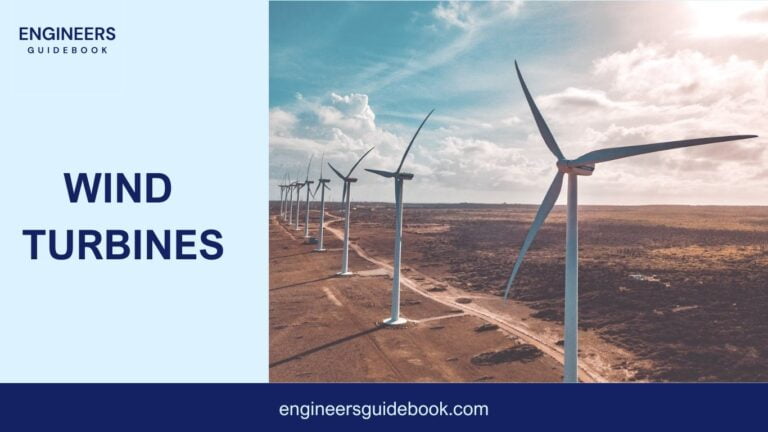
Wind energy production provides clean electricity while reducing greenhouse gases, conserving water, creating jobs, and enhancing energy independence, making it a cornerstone of sustainable development.
Quick Answer
Wind energy converts kinetic energy from moving air into electricity using turbines. Because turbines generate power without burning fuel, they emit no greenhouse gases during operation and require virtually no water. Evidence from the IPCC (2021) and the International Energy Agency (IEA, 2022) shows that expanding wind capacity can cut global CO₂ emissions by up to 1.5 gigatons per year, while providing low‑cost electricity and supporting local economies. Some uncertainties remain about wildlife interactions and grid integration, but the overall climate and economic benefits are well supported.
Key Takeaways
- Wind power generates electricity without direct CO₂ or air‑pollutant emissions.
- It uses negligible water, unlike thermal power plants.
- Job creation spans manufacturing, installation, and long‑term maintenance.
- Wind energy can lower electricity prices as technology costs fall.
- It enhances national energy security by diversifying supply.
- Environmental trade‑offs include land use and potential wildlife impacts.
What Is The Key Benefits of Wind Energy Production?
The term refers to the range of positive outcomes that arise when electricity is generated from wind turbines rather than from fossil‑fuel or nuclear sources. Benefits encompass environmental (e.g., reduced emissions, water savings), economic (e.g., jobs, lower electricity costs), and social dimensions (e.g., community empowerment, energy independence). Wind energy is a renewable resource because wind flow is naturally replenished on human timescales, distinguishing it from finite fossil fuels.
How Does It Work?
Physical Process
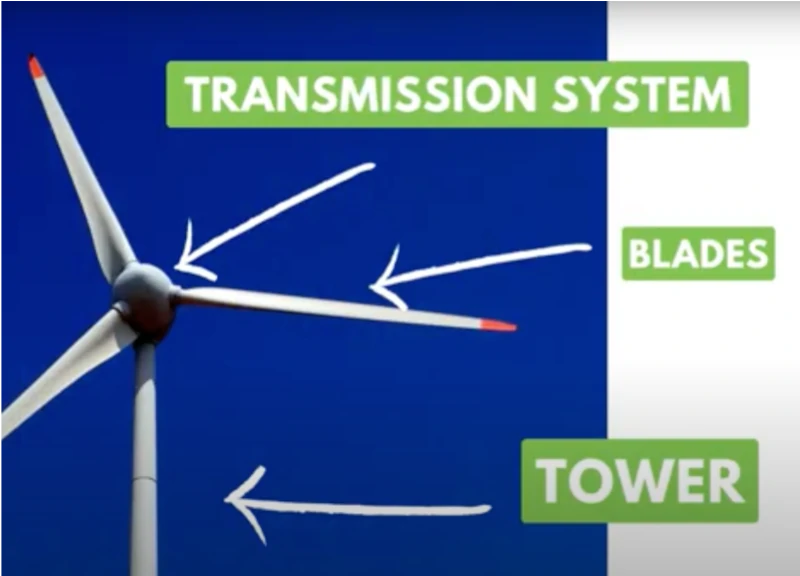
Wind turbines capture kinetic energy through rotor blades that rotate as wind passes. The rotation turns a generator, converting mechanical energy into electrical energy. Modern turbines often have hub heights of 80–120 m, allowing access to higher wind speeds where power increases with the cube of wind speed.
Step‑by‑step Sequence
- Wind flows over the rotor blades, creating lift.
- The lift forces the rotor to spin.
- The rotor shaft drives a gearbox (or directly drives a low‑speed generator in direct‑drive designs).
- Electrical power is produced and sent through transformers.
- Power is transmitted via the grid to homes and businesses.
Grid Integration
Because wind is variable, operators use forecasting, energy storage, and flexible demand‑response to balance supply with electricity demand. Advances in smart‑grid technology improve reliability and enable higher penetrations of wind power.
What Does the Evidence Show?
Long‑term monitoring by the IEA indicates that the global average levelized cost of electricity (LCOE) for onshore wind fell from about US$0.12/kWh in 2010 to less than US$0.06/kWh in 2022, making it competitive with natural‑gas‑fired plants. The IPCC (2021) attributes a 7 % reduction in global CO₂ emissions to existing wind capacity. Peer‑reviewed meta‑analyses report that wind farms typically reduce local air pollutants such as SO₂ and NOₓ by 50‑80 % compared with coal plants, improving regional air quality. Studies in arid regions (e.g., the Southwest United States) confirm that wind farms use less than 0.1 % of the water needed for comparable thermal generation.
Main Causes or Drivers
Direct Causes
The primary driver of wind benefits is the absence of combustion: no fuel is burned, so no CO₂ or combustion‑related pollutants are emitted during operation.
Underlying Drivers
- Policy incentives such as renewable portfolio standards and tax credits that spur investment.
- Technological improvements in blade aerodynamics, materials, and turbine control systems.
- Increasing electricity demand coupled with climate‑mitigation goals.
Environmental and Human Impacts
Environmental Impacts
Wind energy reduces greenhouse‑gas emissions, mitigates climate change, and conserves freshwater resources. Land use is relatively low; turbines occupy only a few percent of a site, allowing agriculture or grazing to continue beneath them. However, turbine blades can pose collision risks for birds and bats, especially in migratory corridors. Ongoing research aims to minimize these impacts through siting guidelines and technology such as ultrasonic deterrents.
Human Health and Social Impacts
By cutting emissions of SO₂, NOₓ, and particulate matter, wind farms contribute to lower rates of respiratory illnesses. Communities near well‑planned wind projects report fewer asthma attacks and reduced healthcare costs. Moreover, community‑owned wind projects can generate revenue streams for local schools, infrastructure, and cultural programs, fostering social cohesion.
Economic and Infrastructure Impacts
The wind sector employed over 1.2 million people worldwide in 2022, according to the Global Wind Energy Council. Jobs span manufacturing, turbine erection, and long‑term operations. In regions such as the Midwest United States, wind farms have increased tax bases, enabling investment in roads and public services. Electricity price analyses show that regions with high wind penetration experience average retail rates 3‑5 % lower than those relying on fossil fuels.
Regional Differences
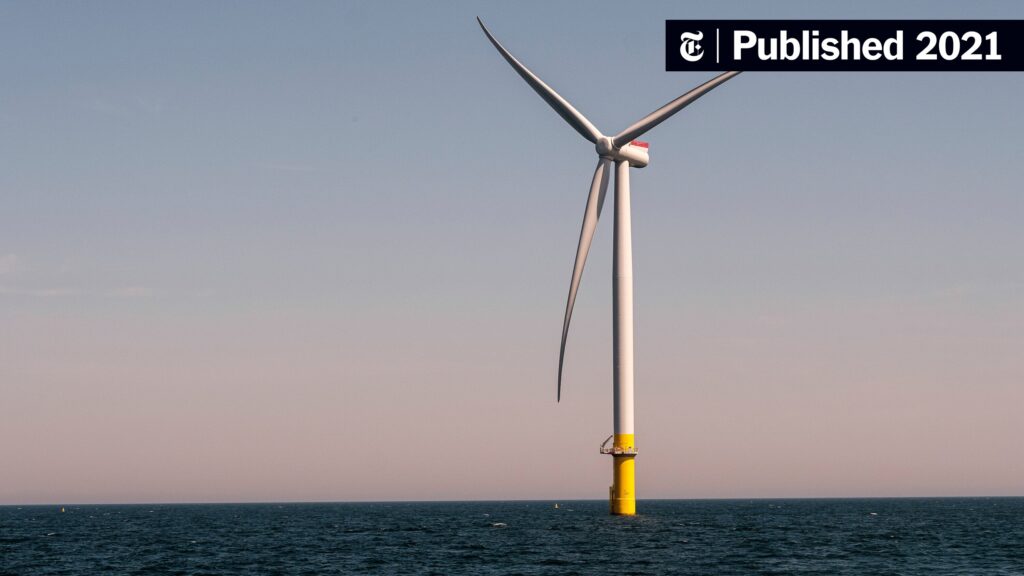
Wind resources vary with geography. Coastal and offshore sites in Europe and East Asia benefit from steady sea breezes, yielding capacity factors above 45 %. In contrast, interior plains of the United States achieve capacity factors of 35‑40 %, while mountainous regions may face turbulence that limits turbine size. Developing nations with high wind potential, such as Kenya and Brazil, are beginning to harness wind energy, but they often face financing and grid‑integration challenges not as prevalent in high‑income countries.
What Scientists Know With High Confidence
- Wind turbines generate electricity without direct CO₂, SO₂, NOₓ, or particulate emissions.
- Lifecycle analyses show that wind power offsets more than 90 % of the emissions associated with manufacturing and installation.
- When integrated with modern grids, wind can provide reliable power at a cost comparable to or lower than fossil generation.
- Job creation in the wind sector is robust and tends to be higher in rural areas where alternative employment is limited.
What Remains Uncertain
Key uncertainties include the long‑term effects of turbine noise on human wellbeing, the precise magnitude of wildlife mortality across different ecosystems, and the optimal mix of storage technologies needed for very high wind penetrations. Data gaps are greatest in low‑income regions where monitoring networks are sparse, making it harder to quantify local air‑quality benefits.
Common Misconceptions
Misconception: Wind turbines cause more pollution than they prevent.
Reality: Life‑cycle assessments consistently show that the total emissions from manufacturing, transport, and decommissioning are less than 10 % of the emissions avoided by displacing fossil generation.
Misconception: Wind farms use large amounts of water.
Reality: Wind turbines require no water for electricity generation, unlike thermal power plants that consume millions of gallons for cooling.
Misconception: Wind energy is unreliable and can’t meet demand.
Reality: Forecasting, geographic diversification, and complementary storage (e.g., batteries, pumped hydro) enable grids with 30‑50 % wind penetration to maintain reliability.
Solutions and Limitations
Key strategies to maximize wind benefits include:
- Strategic Siting: Avoiding migration routes and high‑sensitivity habitats reduces wildlife impacts, but may limit site availability.
- Grid Modernization: Upgrading transmission lines and deploying smart‑grid controls improve integration, yet require substantial capital investment.
- Energy Storage: Batteries and other storage options smooth variability, but current costs and material supply chains pose constraints.
- Policy Support: Stable incentives encourage development, though overly generous subsidies can distort markets.
What Individuals, Communities, and Governments Can Do
What Individuals Can Do
Support policies that promote renewable energy, choose electricity suppliers with wind‑generated power, and participate in community‑owned wind projects where available.
What Communities and Organizations Can Do
Facilitate local wind assessments, incorporate wind‑energy curricula in schools, and negotiate power purchase agreements that direct revenue back to community services.
What Governments Can Do
Implement clear permitting processes, fund research on wildlife mitigation, invest in transmission infrastructure, and maintain long‑term renewable‑energy targets aligned with climate commitments.
What Businesses and Industries Can Do
Adopt corporate renewable‑energy procurement, invest in on‑site wind installations, and integrate wind‑energy credits into sustainability reporting.
Synthesis
Wind energy production delivers multiple, well‑documented benefits: it cuts greenhouse‑gas emissions, conserves water, improves air quality, creates jobs, and strengthens energy security. High‑confidence evidence supports these outcomes, while uncertainties remain around wildlife impacts and optimal storage solutions. By combining thoughtful siting, grid upgrades, and supportive policies, societies can harness wind power responsibly, advancing both climate mitigation and socioeconomic resilience.
Frequently Asked Questions
How does wind energy generate electricity without emitting greenhouse gases?
Wind turbines convert the kinetic energy of moving air into mechanical rotation, which drives a generator to produce electricity. Because no fuel is burned, the process emits no CO₂ or other combustion‑related gases during operation.
What are the main environmental advantages of wind power compared to coal or natural gas?
Wind power avoids direct emissions of CO₂, sulfur dioxide, nitrogen oxides, and particulate matter, leading to lower greenhouse‑gas levels and improved air quality. It also uses virtually no water, unlike thermal plants that require large cooling supplies.
How does wind energy affect local economies and job creation?
The wind sector creates jobs in manufacturing, turbine installation, and long‑term maintenance. In 2022, more than 1.2 million people were employed worldwide, and local tax revenues often increase, supporting public services and infrastructure.
Are there any drawbacks or uncertainties associated with wind farms?
Key uncertainties involve potential impacts on birds and bats, noise concerns for nearby residents, and the need for storage or grid upgrades to handle variable output. Ongoing research aims to mitigate these issues.
What actions can individuals take to support wind energy development?
Individuals can choose electricity providers that source power from wind, support policies that incentivize renewable projects, and, where possible, invest in community‑owned wind initiatives that return profits to local programs.





Leave a Comment