
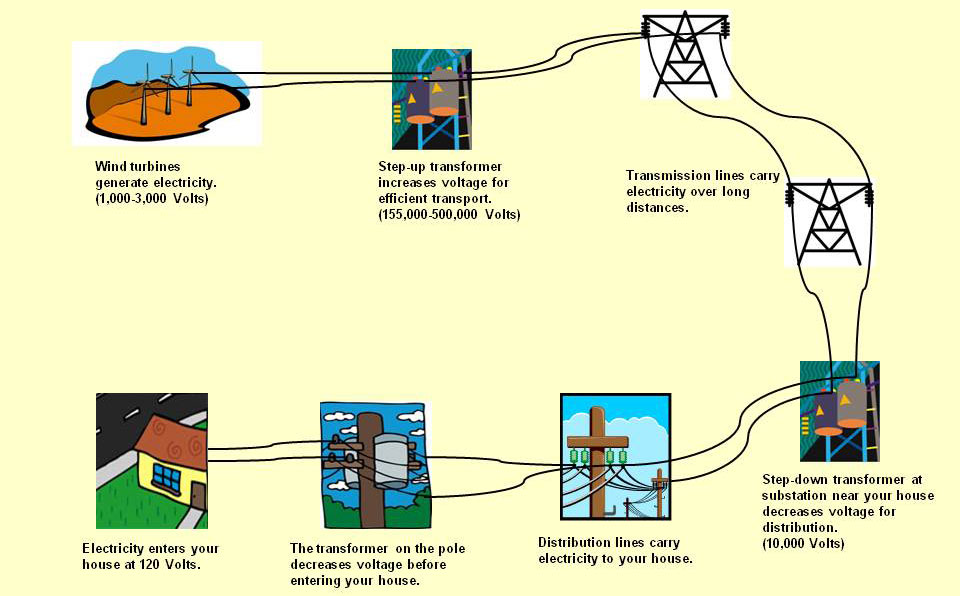
Wind turbines synchronize with the electricity grid by using control systems and power electronics that match frequency, voltage, and power output to the grid’s real‑time requirements, ensuring stable and reliable renewable energy delivery.
Quick Answer
Wind turbines connect to the grid through generators and converters that actively control the electrical output to match the grid’s 50 Hz or 60 Hz frequency and voltage level. Variable‑speed turbines use power‑electronic converters to transform the variable rotor speed into a constant‑frequency AC signal, while fixed‑speed turbines rely on mechanical gearing and synchronous generators. The system continuously monitors grid conditions and adjusts blade pitch, rotor speed, and reactive power to stay in phase with the grid, reducing disturbances and supporting overall stability. Some uncertainty remains around large‑scale integration of very high wind penetrations, which depends on future storage and grid‑management technologies.
Key Takeaways
- Grid synchronization requires matching frequency, voltage, and phase angle.
- Variable‑speed turbines use power‑electronic converters to produce stable grid‑frequency power.
- Control systems adjust blade pitch, rotor speed, and reactive power in real time.
- Energy storage and forecasting help mitigate wind’s intermittency.
- High‑confidence research shows that modern turbines can operate reliably across a wide range of wind conditions.
What Is How Wind Turbines Synchronize With the Electricity Grid?
Synchronization refers to the technical process by which a wind turbine’s electrical output aligns with the electrical parameters of the larger power system—primarily frequency (50 Hz or 60 Hz), voltage magnitude, and phase angle. The goal is to inject power without causing voltage spikes, frequency swings, or phase mismatches that could destabilize the grid. Two major turbine designs exist: fixed‑speed (synchronous) and variable‑speed (often using doubly‑fed induction or permanent‑magnet generators). Both must meet grid‑code requirements, but variable‑speed turbines achieve this with far greater flexibility and efficiency.
How Does It Work?
1. Energy Capture and Mechanical Conversion
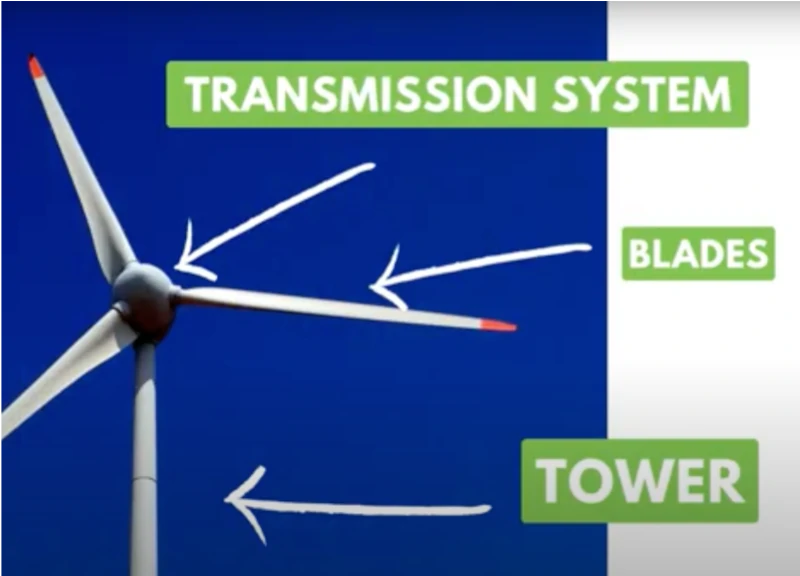
Wind kinetic energy rotates the turbine blades, turning a low‑speed shaft. A gearbox (or direct‑drive system) steps up the rotation to a higher speed suitable for the generator.
2. Electrical Generation
In a fixed‑speed turbine, the generator is directly coupled to the grid and runs at a constant speed that naturally produces the grid frequency. In variable‑speed turbines, the generator produces AC at a frequency that varies with wind speed.
3. Power‑Electronic Conversion
Variable‑speed turbines employ a converter bridge (often a back‑to‑back voltage‑source converter). The first converter rectifies the variable‑frequency AC to DC, and the second inverter synthesizes a constant‑frequency AC that matches the grid. This conversion allows precise control of active (real) and reactive power.
4. Real‑Time Control Loop
Embedded controllers receive data from wind‑speed sensors, rotor‑position encoders, and grid‑monitoring relays. Algorithms continuously adjust:
- Blade pitch to regulate aerodynamic torque.
- Rotor speed to stay within the optimal power‑capture region.
- Converter switching to match grid frequency and voltage.
- Reactive‑power output (measured in VARs) to support voltage regulation.
5. Grid Support Functions
Modern turbines can provide ancillary services such as frequency response (rapid power reduction or increase) and voltage control. These capabilities are encoded in grid‑code compliance tests and are verified during commissioning.
What Does the Evidence Show?
Long‑term monitoring by grid operators in the United States (North American Electric Reliability Corporation, 2021) and Europe (ENTSO‑E, 2020) demonstrates that variable‑speed turbines have a lower incidence of frequency deviation events compared with early fixed‑speed fleets. Peer‑reviewed studies (e.g., a 2022 systematic review in *Renewable Energy*) find that power‑electronic converters improve fault‑ride‑through capability, allowing turbines to stay connected during short‑duration voltage sags. Field trials in Denmark (2023) show that coordinated reactive‑power control from wind farms can reduce voltage fluctuations by up to 15 % in high‑penetration offshore zones.
Main Causes or Drivers
Technological Drivers
Advances in semiconductor materials (silicon carbide, gallium nitride) have reduced converter losses and increased switching speeds, enabling tighter grid coupling.
Regulatory Drivers
Grid codes worldwide now mandate fault‑ride‑through, frequency response, and reactive‑power capability, pushing manufacturers toward variable‑speed designs.
Economic Drivers
Higher capacity factors from variable‑speed operation lower levelized cost of electricity, encouraging utilities to prefer these turbines for new projects.
Environmental and Human Impacts
Environmental Impacts
Accurate synchronization reduces the need for backup fossil‑fuel plants, decreasing greenhouse‑gas emissions. Studies by the International Energy Agency (2022) estimate that each 1 % increase in wind‑grid compliance can avoid roughly 0.2 MtCO₂ yr⁻¹ in the EU.
Human Health and Social Impacts
Stable grid operation lowers the risk of blackouts, which can affect hospitals, water treatment, and critical communication services. Reliable renewable integration also supports job creation in turbine manufacturing and grid‑management sectors.
Regional Differences
In North America, 60 Hz grids require converters tuned to that frequency, while most of Europe and Asia operate at 50 Hz, leading to different inverter designs. Offshore wind farms in the North Sea benefit from high‑voltage direct‑current (HVDC) links that incorporate additional converter stations, whereas inland farms in the United States often connect directly to the AC transmission network. The level of storage integration also varies: regions with abundant pumped‑hydro (e.g., Austria) can buffer wind output more readily than areas relying primarily on battery storage.
What Scientists Know With High Confidence
- Variable‑speed turbines with power‑electronic converters can reliably match grid frequency and voltage.
- Real‑time control of blade pitch and rotor speed maximizes energy capture while maintaining grid stability.
- Grid‑code compliance improves overall system resilience and reduces the need for fossil‑fuel backup.
- Reactive‑power capability from wind farms measurably supports voltage regulation.
What Remains Uncertain
Uncertainty persists around the behavior of very high wind‑penetration scenarios (>50 % of total generation). Key questions include how large‑scale storage, demand‑response, and advanced forecasting will interact with turbine control to prevent frequency extremes. Additionally, the long‑term reliability of high‑power converters under extreme weather remains an active research area, with field data still limited to a few gigawatt‑years of operation.
Common Misconceptions
Misconception: Wind turbines can operate without any grid coordination.
Reality: Without synchronization, a turbine’s variable frequency would cause severe power quality problems, potentially tripping protection devices and leading to outages.
Misconception: Fixed‑speed turbines are obsolete.
Reality: Fixed‑speed turbines still exist in older farms, but they are less efficient and have limited grid‑support capabilities compared with modern variable‑speed designs.
Misconception: Converters make wind power too expensive.
Reality: While converters add upfront cost, they improve energy yield and reduce curtailment, resulting in lower levelized costs over the turbine’s lifetime.
Solutions and Limitations
Key strategies to improve synchronization include:
- Advanced Power‑Electronics: Wider band‑gap semiconductors increase efficiency but require careful thermal management.
- Energy Storage Integration: Batteries and pumped‑hydro smooth output, yet storage adds capital cost and may have limited duration.
- Enhanced Forecasting: Machine‑learning models reduce forecast error by ~10 %, but rely on high‑quality meteorological data.
- Grid‑Code Evolution: Stricter standards improve reliability but can raise compliance costs for developers.
Each solution involves trade‑offs: higher upfront investment, technology maturity, and the need for coordinated policy frameworks.
What Individuals, Communities, and Governments Can Do
What Individuals Can Do
Support policies that fund grid‑modernization and renewable‑energy research, and consider purchasing electricity from utilities that prioritize wind‑generated power.
What Communities and Organizations Can Do
Participate in local grid‑impact studies, host community energy storage projects, and collaborate with utilities to provide accurate demand‑response data.
What Governments Can Do
Update grid codes to require frequency and voltage support from new wind installations, subsidize low‑carbon storage technologies, and fund research on high‑reliability converters.
Synthesis
Wind turbines synchronize with the electricity grid by converting variable mechanical energy into a stable, grid‑compatible electrical signal through sophisticated control and power‑electronic systems. Strong evidence confirms that variable‑speed turbines enhance grid stability, reduce emissions, and support higher renewable penetration. Remaining uncertainties focus on large‑scale integration and long‑term converter durability. Continuing advances in storage, forecasting, and grid policy will shape how effectively wind power can meet future energy needs.
Frequently Asked Questions
How do wind turbines match the grid's frequency?
Wind turbines use power‑electronic converters that transform the variable frequency generated by the rotor into a constant‑frequency AC signal (50 Hz or 60 Hz) that matches the grid. The converter is controlled in real time to stay in phase with the grid.
What is the difference between fixed‑speed and variable‑speed turbines?
Fixed‑speed turbines run at a constant rotor speed that directly produces grid‑frequency power, while variable‑speed turbines allow the rotor to adjust to wind conditions and rely on converters to create stable grid‑frequency electricity, offering higher efficiency and better grid support.
Why is reactive power important for wind turbines?
Reactive power (measured in VARs) helps regulate voltage levels on the grid. Wind turbines can adjust their reactive‑power output to support voltage, preventing dips or spikes that could damage equipment or cause outages.
Can energy storage improve wind turbine synchronization?
Yes. Storage systems such as batteries or pumped‑hydro can absorb excess wind power and release it when output drops, smoothing fluctuations and making it easier for turbines to meet the grid’s real‑time power and frequency requirements.
What are the main uncertainties about large‑scale wind integration?
Uncertainties include how the grid will handle very high wind‑penetration levels (>50 % of total generation), the long‑term reliability of high‑power converters under extreme conditions, and the effectiveness of future storage and demand‑response strategies in maintaining frequency stability.




Leave a Comment