
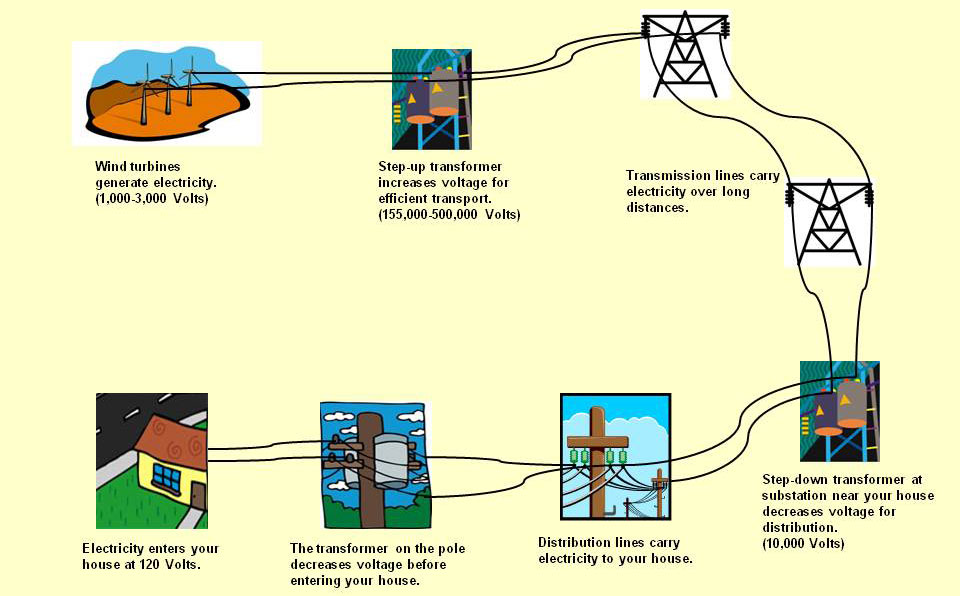
Wind farms convert kinetic wind energy into electricity and feed it into the power grid, requiring coordination, storage, and smart‑grid technologies to balance variability and ensure reliable delivery to homes and businesses.
Quick Answer
Wind farms generate electricity by turning turbine blades with wind, driving generators that produce alternating current (AC). This power is stepped up in voltage at on‑site substations and transmitted through the regional grid. Because wind is variable, operators use forecasting, energy storage, and demand‑response programs to match supply with demand. The overall impact is a cleaner energy mix, but grid operators must manage intermittency to maintain reliability, a challenge that is being reduced through smart‑grid upgrades and higher‑capacity storage.
Key Takeaways
- Wind turbines convert wind kinetic energy into AC electricity that enters the grid via substations.
- Variability of wind requires forecasting, storage, and flexible grid management.
- Modern smart‑grid technologies enable real‑time balancing of wind power with other sources.
- Integration of wind reduces fossil‑fuel emissions and improves energy security.
- Uncertainties remain around large‑scale storage costs and extreme weather impacts on transmission infrastructure.
What Is How Wind Farms Use and Interact With the Power Grid?
The phrase describes the technical and operational processes by which wind‑generated electricity becomes part of the broader electrical network that delivers power to end‑users. A wind farm consists of multiple turbines, each with a generator that produces AC power at a low voltage (typically 690 V). This power is collected at a collector station, transformed to a higher transmission voltage (often 34 kV to 138 kV), and then sent to a regional substation where it is stepped up further—commonly to 115 kV, 230 kV, or 500 kV—for long‑distance transmission.
The grid itself is a complex web of generation, transmission, distribution, and control assets. Wind farms differ from conventional plants because their output fluctuates with wind speed, which can change minute‑by‑minute. Therefore, the interaction involves not only physical connection but also advanced information flows, market mechanisms, and ancillary services that help keep frequency and voltage within safe limits.
How Does It Work?
1. Energy Capture and Conversion
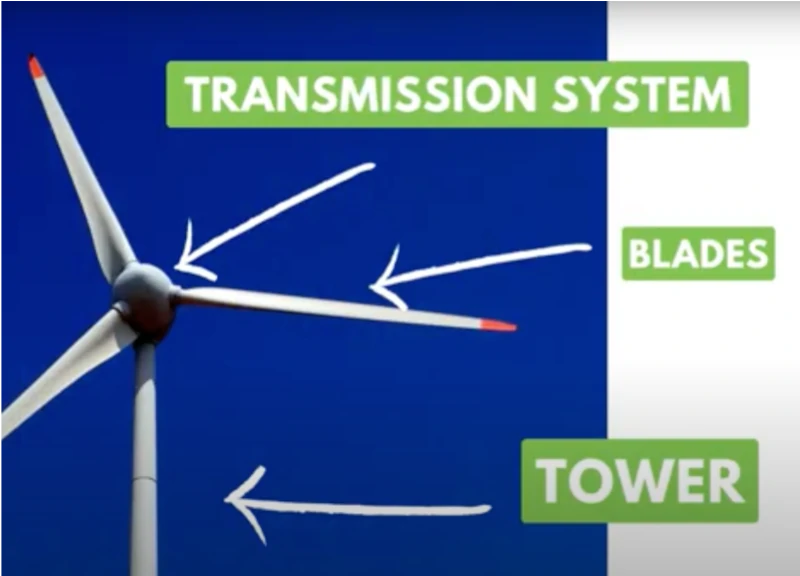
Wind kinetic energy (measured in watts per square meter) turns turbine blades. The rotor spins a shaft that drives a gearbox (or directly drives a low‑speed generator in direct‑drive designs). The generator produces three‑phase AC electricity.
2. Power Conditioning and Voltage Step‑Up
On‑site power electronics regulate frequency and voltage. A transformer raises the voltage to reduce transmission losses. The output is synchronized with the grid’s frequency (typically 50 Hz in Europe, 60 Hz in North America).
3. Grid Connection
The high‑voltage line from the wind farm connects to a transmission or distribution substation. System operators (e.g., ISO‑NE in New England, ENTSO‑E in Europe) monitor the power flow and ensure that the injected wind power does not disturb grid stability.
4. Managing Variability
Because wind speed follows a Weibull distribution, forecast models (using meteorological data, satellite observations, and machine‑learning algorithms) predict output 0–48 hours ahead. Operators use these forecasts to schedule other generators, activate stored energy, or signal demand‑response participants.
5. Ancillary Services
Wind farms can provide frequency regulation, voltage support, and spinning reserve through power‑electronics controls. According to the International Energy Agency (IEA, 2023), modern turbines can respond to frequency deviations within seconds, comparable to conventional plants.
What Does the Evidence Show?
Long‑term monitoring by the Global Wind Energy Council indicates that global installed wind capacity reached 1,021 GW in 2022, supplying about 7 % of worldwide electricity generation (GWEC, 2023). Studies by the National Renewable Energy Laboratory (NREL) demonstrate that regions with high wind penetration (>30 % of total generation) can maintain reliability when paired with at least 2 hours of storage per megawatt of wind capacity (NREL, 2021). System‑wide analyses in Europe show that grid‑integration costs for wind have fallen from €30/MWh in 2010 to under €8/MWh in 2022, largely due to improved forecasting and market reforms (European Commission, 2023).
Model simulations from the Intergovernmental Panel on Climate Change (IPCC, 2022) project that achieving a 50 % renewable electricity mix by 2050 will require wind to provide roughly 30 % of total generation, assuming continued advances in storage and transmission.
Main Causes or Drivers
Direct Causes
- Wind speed and direction at turbine hub height.
- Availability of transmission corridors to connect remote wind resources to load centres.
Underlying Drivers
- Policy incentives such as tax credits, renewable portfolio standards, and feed‑in tariffs that make wind projects financially viable.
- Technological improvements in blade aerodynamics, low‑cost steel, and power‑electronics that increase capacity factors.
- Decarbonisation goals set by governments and corporations, driving demand for low‑carbon electricity.
Environmental and Human Impacts
Environmental Impacts
- Climate mitigation: Wind electricity displaces fossil‑fuel generation, avoiding roughly 1.5 tCO₂ per MWh according to the IPCC (2022).
- Land use: Turbines occupy a small footprint; the surrounding land can remain agricultural or natural.
- Wildlife interactions: Avian and bat collisions occur, but systematic studies (e.g., Bat Conservation International, 2021) show that mitigation measures such as curtailment during low wind periods can reduce fatalities by up to 70 %.
Human Health and Social Impacts
- Air quality benefits: Reducing coal combustion cuts particulate matter and sulfur dioxide, leading to measurable health improvements (World Health Organization, 2020).
- Economic opportunities: Wind farms create construction jobs and long‑term operations and maintenance positions; the U.S. Bureau of Labor Statistics reports an average of 12 jobs per MW installed.
- Community acceptance: Visual and noise concerns persist, but community benefit schemes and transparent planning have been shown to improve local support (European Environment Agency, 2022).
Regional Differences
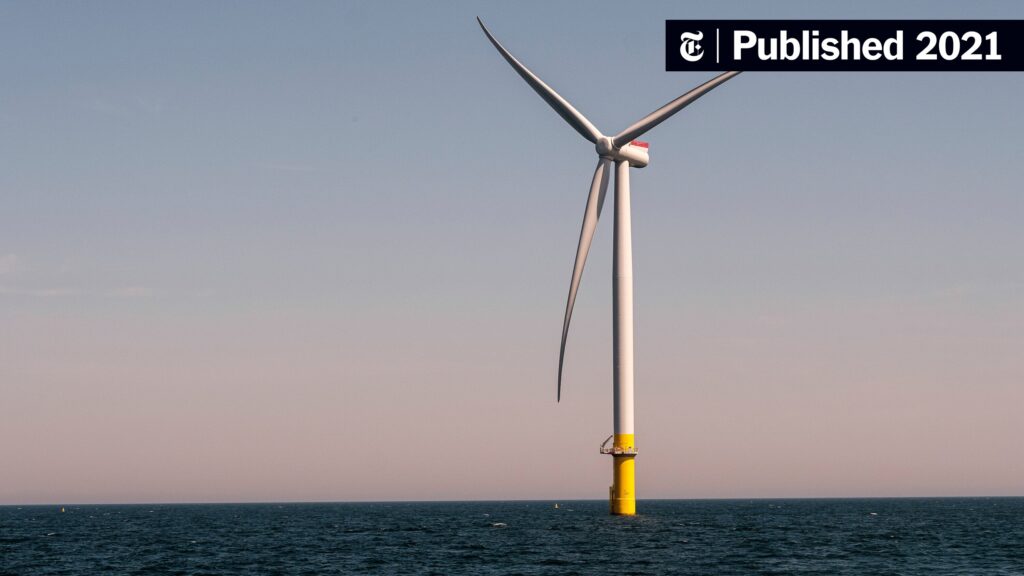
In the United States, wind resources are concentrated in the Great Plains, requiring long transmission lines to reach coastal demand centres. Europe’s offshore wind farms, such as those in the North Sea, benefit from higher wind speeds but need specialized subsea cables. In tropical regions, higher humidity can affect turbine blade erosion, demanding more frequent maintenance (UNIDO, 2021). These regional nuances influence grid‑integration strategies, cost structures, and policy design.
What Scientists Know With High Confidence
- Wind turbines convert kinetic wind energy into electrical energy with well‑understood physics.
- Integrating variable wind power requires balancing mechanisms such as storage, demand response, or flexible generation.
- Wind electricity reduces greenhouse‑gas emissions proportional to the carbon intensity of the displaced generation.
- Smart‑grid technologies improve the ability of operators to handle rapid changes in wind output.
What Remains Uncertain
Key uncertainties include the future cost trajectory of long‑duration storage (e.g., flow batteries), the resilience of transmission infrastructure to extreme weather events, and the cumulative ecological effects of large‑scale offshore wind farms on marine ecosystems. Ongoing pilot projects and long‑term monitoring are needed to narrow these knowledge gaps.
Common Misconceptions
Misconception: Wind power can completely replace baseload coal plants without any backup.
Reality: While wind can supply a large share of electricity, current storage technologies cannot yet provide the multi‑day duration needed for prolonged low‑wind periods. A diversified mix of renewables, storage, and flexible generation remains necessary.
Misconception: Wind turbines cause harmful health effects through “wind turbine syndrome.”
Reality: Systematic reviews by the World Health Organization find no consistent evidence linking turbine noise to chronic health problems; perceived annoyance is often related to visual impacts or lack of community engagement.
Misconception: All wind farms are located in remote, inaccessible areas.
Reality: Many modern projects are sited near existing transmission corridors or on agricultural land, minimizing new infrastructure and allowing landowners to retain primary land uses.
Solutions and Limitations
Key strategies for smoother integration include:
- Energy storage: Batteries, pumped hydro, and emerging technologies (e.g., compressed air) can shift excess wind generation to periods of low wind, but high capital costs and limited duration remain challenges.
- Grid reinforcement: Upgrading transmission lines and building new high‑voltage direct‑current (HVDC) corridors reduce congestion, yet require long planning horizons and public acceptance.
- Demand‑response programs: Industrial loads can be shifted to align with wind peaks, but participation depends on market incentives and regulatory frameworks.
- Hybrid renewable sites: Co‑locating wind with solar or storage smooths overall output, though site‑specific resource assessments are needed.
Each solution brings trade‑offs: storage adds material demand (e.g., lithium, rare earths); transmission upgrades can impact land use and ecosystems; demand response may affect production schedules of participating industries.
What Individuals, Communities, and Governments Can Do
What Individuals Can Do
- Support policies that fund grid‑modernisation and renewable‑friendly market rules.
- Participate in community‑owned wind projects where available, sharing economic benefits.
- Adopt flexible electricity tariffs that encourage usage during high‑wind periods.
What Communities and Organizations Can Do
- Engage early in wind‑farm planning to address visual, noise, and wildlife concerns.
- Partner with developers to create local benefit funds for schools, infrastructure, or conservation.
- Invest in local energy‑efficiency measures that reduce overall demand and make wind integration easier.
What Governments Can Do
- Implement clear, long‑term renewable‑energy targets and stable incentive mechanisms.
- Fund research and demonstration projects for long‑duration storage and offshore transmission.
- Mandate grid codes that require wind farms to provide ancillary services such as frequency regulation.
Synthesis
Wind farms transform the kinetic energy of moving air into electricity that joins the power grid through a series of well‑established technical steps. High‑confidence science confirms that this process reduces carbon emissions and enhances energy security, while smart‑grid tools and storage mitigate the inherent variability of wind. Remaining uncertainties—especially around large‑scale, long‑duration storage and infrastructure resilience—are active research fronts. By combining policy support, technological innovation, and community engagement, societies can maximize the benefits of wind while managing its challenges, moving toward a more sustainable and reliable energy future.
Frequently Asked Questions
How does a wind turbine connect to the power grid?
A wind turbine generates low‑voltage AC electricity that is collected at a substation, stepped up to transmission voltage, and then injected into the regional grid where it is distributed to consumers.
Why is wind power considered variable, and how is this managed?
Wind speed fluctuates, causing electricity output to change minute‑by‑minute. Grid operators use weather forecasting, battery storage, and demand‑response programs to balance supply with demand and keep the grid stable.
What evidence shows wind farms reduce greenhouse‑gas emissions?
The IPCC (2022) reports that each megawatt‑hour of wind electricity avoids about 1.5 tCO₂ compared with coal generation, and global wind capacity now supplies roughly 7 % of electricity, lowering overall emissions.
What are the main challenges of integrating large offshore wind farms?
Offshore wind requires subsea cables, which are costly, and must address marine ecosystem impacts. Additionally, the remote location demands robust transmission links and coordination with on‑shore grids.
What actions can communities take to support wind‑grid integration?
Communities can engage early in planning, negotiate benefit agreements with developers, and adopt flexible electricity tariffs that encourage use when wind generation is high.





Leave a Comment