
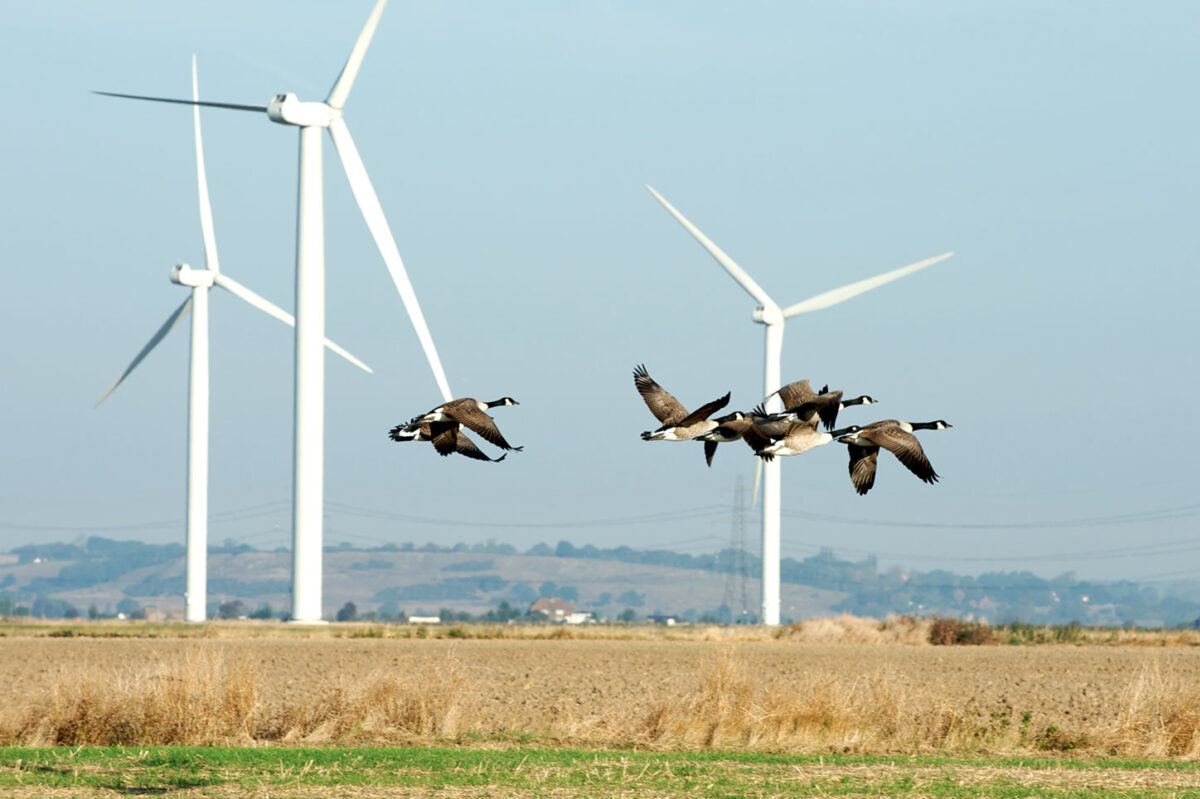
Wind turbines are a renewable power source that can reduce greenhouse‑gas emissions, but questions about cost, land use, wildlife impacts, noise, and intermittency create a mixed picture that demands evidence‑based evaluation.
Quick Answer
Wind turbines convert kinetic energy from moving air into electricity using rotor blades and a generator. The scientific consensus, reflected in IPCC assessment reports and multiple peer‑reviewed studies, is that wind power delivers net climate benefits and lower air‑pollution health risks compared with fossil fuels. However, the technology entails higher upfront capital costs, visual and acoustic impacts, and intermittent generation that requires complementary storage or grid management. Overall, wind is not a “bad” energy source, but it is not a complete solution without addressing these trade‑offs.
Key Takeaways
- Wind energy offsets millions of tonnes of CO₂ annually, providing a substantial climate mitigation tool.
- Capital costs are higher than for conventional plants, yet operating costs are low and fuel‑free.
- Wildlife collisions and habitat disturbance are measurable but far smaller than mortality from buildings, cats, or fossil‑fuel extraction.
- Noise and visual impacts are localized and can be mitigated through siting and technology improvements.
- Intermittency requires storage, demand‑response, or hybrid renewable systems to ensure reliable electricity supply.
What Is Are Wind Turbines a Bad Energy Source? Facts vs. Fiction?
The phrase frames the public debate about whether the environmental and social costs of wind turbines outweigh their climate benefits. It is not a technical term; rather, it juxtaposes two perspectives: the factual evidence from scientific research and the fictional or exaggerated claims that circulate in media and advocacy circles.
How Does It Work?
Physical Conversion
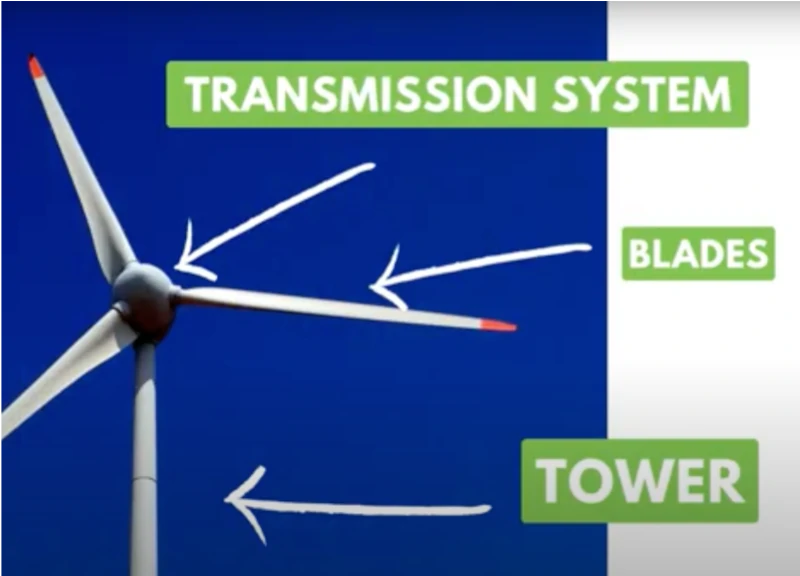
Wind turbines capture kinetic energy from wind. When wind passes over the rotor blades, it creates lift, causing the rotor to spin. The rotational motion drives a gearbox (in many designs) that increases shaft speed, turning a generator that produces alternating current, which is then converted to grid‑compatible electricity.
Energy Flow and Grid Integration
- Wind blows across a turbine’s rotor.
- Blade lift turns the low‑speed shaft.
- The gearbox (or direct‑drive system) raises rotational speed.
- The generator creates electrical power.
- Power electronics condition the electricity for the grid.
- Grid operators balance wind output with other sources and storage.
What Does the Evidence Show?
Long‑term monitoring by the International Energy Agency (IEA) and national agencies shows that global wind capacity grew from about 17 GW in 2000 to over 750 GW in 2023, delivering roughly 5 % of worldwide electricity while displacing an estimated 1.1 Gt CO₂ per year (IEA, 2023). Systematic reviews of avian mortality (e.g., a 2020 meta‑analysis in *Conservation Biology*) find that wind turbines cause about 0.5–2 % of total bird deaths, far lower than collisions with buildings or vehicle traffic.
Noise studies commissioned by the U.S. Environmental Protection Agency indicate that average sound levels at typical setback distances (≈300 m) are below 45 dB(A), comparable to a quiet residential street, and health impacts are limited to occasional sleep disturbance in the most exposed households.
Life‑cycle assessments (e.g., a 2021 review in *Renewable and Sustainable Energy Reviews*) report that wind power’s greenhouse‑gas emissions are 10–20 g CO₂‑equivalent per kWh, an order of magnitude lower than coal (≈820 g CO₂/kWh) and natural gas (≈490 g CO₂/kWh).
Main Causes or Drivers
Direct Causes
- Installation of turbines in windy locations to capture kinetic energy.
- Policy incentives such as renewable portfolio standards and tax credits that drive investment.
Underlying Drivers
- Global need to reduce CO₂ emissions to meet Paris Agreement goals.
- Technological advances that lower turbine cost per megawatt.
- Public concern over air‑quality and climate change.
Environmental and Human Impacts
Environmental Impacts
Land use is often cited as a drawback, but wind farms occupy only 1–3 % of the total site area; the remaining land can support agriculture or grazing. Habitat fragmentation can occur, yet careful siting avoids sensitive ecosystems. Wildlife impacts are most evident for bats and some bird species; mitigation measures such as curtailment during peak migration reduce fatalities.
Human Health and Social Impacts
Noise and visual intrusion can affect property values and perceived quality of life. Studies in Europe and the United States show modest price differentials (≈1–2 % lower) for homes within 1 km of turbines, but community benefits—such as local tax revenue and job creation—often offset concerns when stakeholders are engaged early.
Economic and Infrastructure Impacts
Wind projects create construction jobs (≈1,500 person‑years per GW) and permanent operations roles (≈20 person‑years per GW). The levelized cost of electricity (LCOE) for onshore wind fell from US$150/MWh in 2010 to around US$40/MWh in 2022, making it competitive with natural gas in many markets.
Regional Differences
In the United States, the Great Plains and offshore Atlantic sites benefit from high average wind speeds, yielding capacity factors of 40–50 %. In contrast, European offshore farms achieve similar capacity factors but face stricter visual‑impact regulations. In tropical regions, lower wind consistency reduces capacity factors to 20–30 %, increasing the need for hybrid storage. Developing nations often lack grid infrastructure, making stand‑alone wind less reliable without storage or complementary solar.
What Scientists Know With High Confidence
- Wind power reduces net greenhouse‑gas emissions compared with fossil‑fuel electricity.
- Lifecycle carbon intensity of wind is among the lowest of all energy sources.
- Bird mortality from turbines is a small fraction of total anthropogenic bird deaths.
- Technological costs have declined sharply, making wind economically competitive.
What Remains Uncertain
Key uncertainties include the long‑term effectiveness of bat‑mitigation technologies, the optimal mix of storage options for high‑penetration wind scenarios, and the social acceptance thresholds in densely populated regions. Improved monitoring and standardized reporting will reduce these gaps.
Common Misconceptions
Misconception: Wind turbines cause more bird deaths than cats.
Reality: Global estimates show turbine‑related bird deaths are roughly 0.1 % of total avian mortality, whereas domestic cats are responsible for an order of magnitude more deaths.
Misconception: Wind energy is always more expensive than coal.
Reality: The levelized cost of electricity for onshore wind has fallen below that of new coal plants in most regions, especially when accounting for carbon pricing and health externalities.
Misconception: Wind turbines generate electricity constantly.
Reality: Wind is intermittent; capacity factors typically range from 20 % to 50 % depending on site, requiring complementary storage or dispatchable generation.
Solutions and Limitations
Effective responses combine technology, policy, and community engagement:
- Improved siting tools use high‑resolution wind maps and wildlife corridors to minimize habitat loss, but data availability can limit precision.
- Advanced turbine designs (e.g., serrated blades, slower rotation) reduce noise and bat collisions, yet retrofitting existing farms is costly.
- Energy storage such as lithium‑ion batteries or pumped hydro smooths output, but storage adds capital cost and resource demand.
- Hybrid renewable systems pairing wind with solar and demand‑response offers higher reliability, though grid integration complexity rises.
What Individuals, Communities, and Governments Can Do
What Individuals Can Do
- Support local renewable‑energy tariffs or community wind cooperatives.
- Advocate for transparent environmental impact assessments before new turbines are sited.
- Reduce personal electricity consumption to lower overall demand.
What Communities and Organizations Can Do
- Participate in early‑stage planning workshops to shape turbine placement and benefit‑sharing agreements.
- Implement monitoring programs for noise, wildlife, and visual impact.
- Invest in local job‑training programs linked to wind‑farm construction and maintenance.
What Governments Can Do
- Maintain or expand tax‑credit mechanisms that lower upfront costs while requiring rigorous environmental safeguards.
- Fund research on bat‑friendly turbine operation and low‑noise blade geometry.
- Develop grid‑modernization policies that enable high‑penetration wind with storage incentives.
Closing Synthesis
Wind turbines are a proven, low‑carbon electricity source that contributes significantly to climate mitigation. The technology carries real but manageable trade‑offs in land use, wildlife interaction, noise, and intermittency. High‑confidence evidence confirms net environmental benefits, while uncertainties center on optimizing mitigation measures and integrating wind at scale. By pairing improved siting, advanced turbine design, and supportive policy, societies can harness wind power responsibly without overstating its drawbacks.
Frequently Asked Questions
How do wind turbines generate electricity?
Wind turbines generate electricity by converting the kinetic energy of moving air into rotational motion of the rotor blades, which drives a generator to produce electrical power that is fed into the grid.
What is the climate benefit of using wind power?
Wind power has a very low lifecycle carbon intensity—about 10–20 g CO₂‑equivalent per kWh—so it displaces fossil‑fuel generation and reduces global CO₂ emissions by roughly 1 Gt per year, according to the IEA.
Do wind turbines significantly harm birds and bats?
Evidence shows turbine‑related bird deaths represent less than 0.1 % of total avian mortality, far lower than deaths caused by buildings or cats. Bat fatalities are higher proportionally, but mitigation measures such as curtailment are reducing impacts.
Why is intermittency a challenge for wind energy?
Wind does not blow continuously; capacity factors usually range from 20 % to 50 %, meaning turbines produce electricity only part of the time. This variability requires storage, demand‑response, or complementary generation to keep the grid reliable.
What actions can governments take to improve wind energy outcomes?
Governments can strengthen siting guidelines, fund research on low‑noise and bat‑friendly turbine designs, maintain renewable tax credits with environmental safeguards, and invest in grid modernization and storage incentives.





Leave a Comment