

Wind power transforms the kinetic energy of moving air into usable electricity through turbines, generators, and grid integration, offering a renewable energy source with measurable climate benefits and manageable challenges.
Quick Answer
Wind power captures the kinetic energy of wind using turbine blades that rotate a generator, producing alternating current (AC) electricity. This electricity is conditioned—typically via converters and transformers—and fed into the power grid for distribution to homes and businesses. The process relies on well‑understood physics of fluid dynamics and electromagnetic induction, and it reduces reliance on fossil fuels, thereby lowering greenhouse‑gas emissions. While wind availability varies by location and time, modern forecasting and storage technologies mitigate most reliability concerns.
Key Takeaways
- Wind turbines convert wind’s kinetic energy into mechanical rotation, which drives generators to produce electricity.
- Electromagnetic induction inside the generator creates AC power that is conditioned for grid use.
- Global monitoring shows wind energy contributed about 7% of total electricity generation in 2022, with a steady upward trend.
- Environmental benefits include significant CO₂ reductions, but careful siting is needed to protect wildlife and local communities.
- Future growth depends on grid upgrades, storage solutions, and supportive policies.
What Is From Wind to Watts: How Wind Power Generates Electricity?
The phrase “from wind to watts” describes the complete energy conversion pathway that begins with atmospheric motion and ends with electrical power delivered to end users. It encompasses the natural process that creates wind, the engineered systems—primarily wind turbines—that capture that motion, and the electrical infrastructure that conditions and distributes the resulting electricity. Unlike fossil‑fuel plants, wind power does not involve combustion; its primary input is a renewable, free resource driven by solar heating of the Earth.
How Does It Work?
1. Wind Formation
Solar radiation heats the Earth’s surface unevenly, creating temperature gradients that produce pressure differences. Air moves from high‑pressure to low‑pressure zones, generating wind. This process is continuous and predictable on seasonal scales, providing a reliable energy resource in many regions.
2. Capturing Kinetic Energy with Turbine Blades
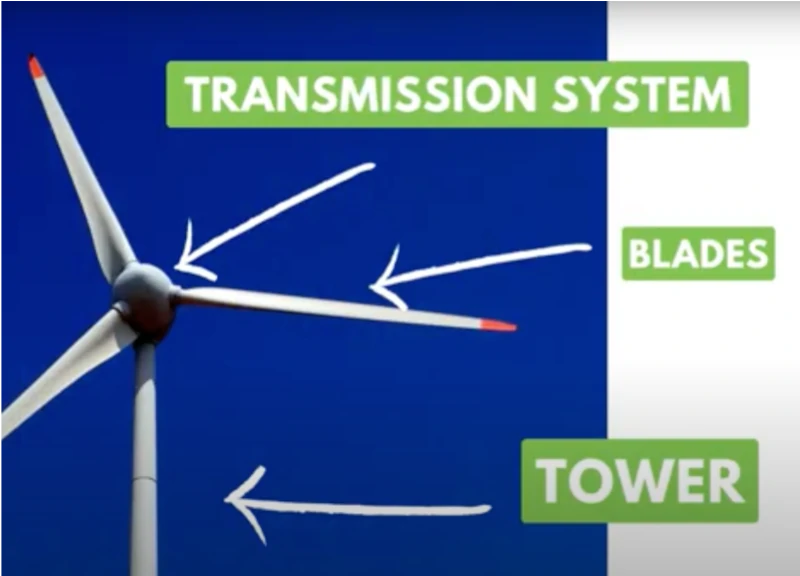
Modern turbines feature three‑blade rotors with aerodynamic shapes that maximize lift and minimize drag. When wind strikes the blades, it imparts kinetic energy, causing the rotor to spin. The power captured is proportional to the cube of wind speed, making site selection—based on wind speed statistics—crucial.
3. Mechanical to Electrical Conversion
The rotating shaft drives a gearbox (or directly drives a low‑speed generator in direct‑drive designs) which turns a rotor inside the generator. According to Faraday’s law of electromagnetic induction, rotating a magnet within coils of copper wire induces an alternating electric current. This AC electricity typically has a frequency of 50 Hz (Europe) or 60 Hz (North America).
4. Power Conditioning and Grid Integration
Raw turbine output varies in voltage and frequency. Power electronics—such as converters, transformers, and inverters—adjust these parameters to match grid standards. The conditioned electricity is then transmitted via substations to the broader grid, where it mixes with power from other sources. Advanced forecasting and storage (e.g., batteries or pumped hydro) help balance supply fluctuations.
What Does the Evidence Show?
Long‑term monitoring by national agencies (e.g., the U.S. Energy Information Administration, Eurostat) shows that wind capacity has grown from less than 1 GW in 1995 to over 750 GW worldwide by 2022 (International Energy Agency, 2023). Peer‑reviewed assessments, such as the IPCC Sixth Assessment Report, indicate that wind energy avoided an estimated 1.5 Gt CO₂ eq per year in 2020, representing a 3 % reduction in global emissions. Systematic reviews confirm that wind farms have a modest land‑use footprint—typically 1–2 % of the area is occupied by turbines and infrastructure—while the remaining land can continue agricultural use.
Main Causes or Drivers
Direct Causes
The immediate driver of electricity generation is wind speed exceeding the turbine’s cut‑in speed (usually 3–4 m s⁻¹). Above the rated speed (≈12–15 m s⁻¹), turbines employ pitch control or aerodynamic braking to limit loads.
Underlying Drivers
Solar heating of the Earth’s surface, Earth’s rotation, and atmospheric circulation patterns are the fundamental forces that produce wind. Climate‑change‑induced shifts in temperature gradients may alter regional wind patterns, a subject of active research.
Environmental and Human Impacts
Environmental Impacts
Wind energy displaces fossil‑fuel generation, reducing air pollutants such as SO₂, NOₓ, and particulate matter. Life‑cycle analyses show that wind turbines emit roughly 12 g CO₂ kWh⁻¹, far lower than coal (≈820 g CO₂ kWh⁻¹). However, turbine blades can pose collision risks for birds and bats; mitigation measures (e.g., curtailment during migration, acoustic deterrents) have shown effectiveness in reducing mortality by up to 50 % in some studies.
Human Health and Social Impacts
By lowering emissions of sulfur dioxide and nitrogen oxides, wind power contributes to improved air quality, which the World Health Organization links to reduced respiratory disease incidence. Socially, wind farms can generate local revenue through land leases and tax payments, fostering community support when benefits are transparent.
Economic and Infrastructure Impacts
Capital costs for utility‑scale turbines average US$1,300–1,500 per kilowatt (2022 data, IRENA). Operating costs are low, leading to levelized costs of electricity (LCOE) competitive with natural gas in many markets. Grid integration may require transmission upgrades, representing a modest additional investment relative to overall system costs.
Regional Differences
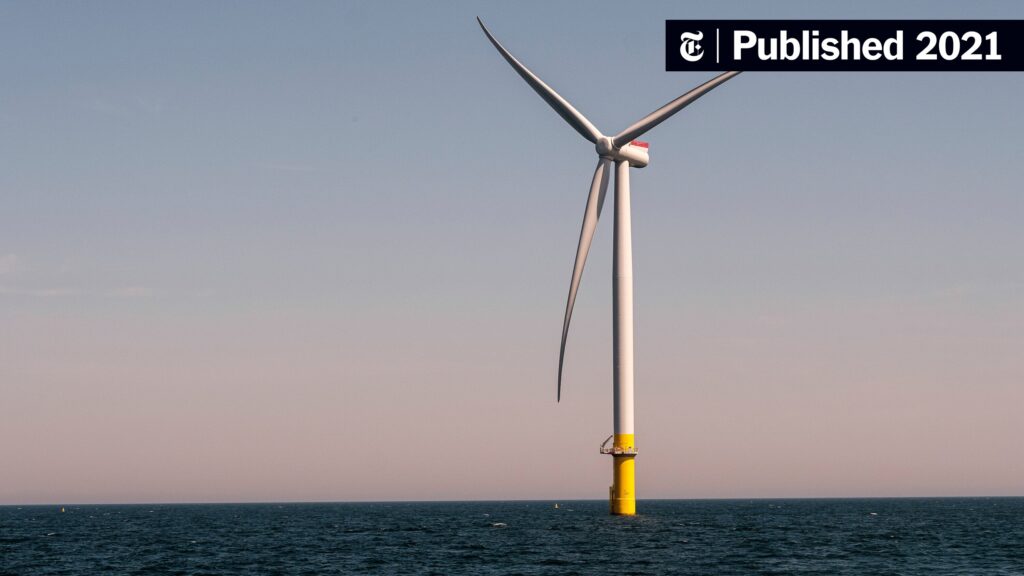
Wind resources are strongest in coastal and offshore zones. Europe’s North Sea hosts over 30 GW of offshore capacity, benefiting from shallow waters and strong, steady winds. In contrast, land‑based wind in the United States is concentrated in the Great Plains, where average wind speeds exceed 7 m s⁻¹. Emerging markets such as Brazil and South Africa are expanding wind farms, but face challenges including limited grid capacity and financing constraints.
What Scientists Know With High Confidence
What Scientists Know With High Confidence
- Wind turbines reliably convert kinetic wind energy into electricity using electromagnetic induction.
- Global wind power deployment has consistently reduced CO₂ emissions and air pollutants.
- Life‑cycle greenhouse‑gas emissions from wind are among the lowest of all electricity generation technologies.
- Proper siting and operational mitigation can substantially lower wildlife collision risks.
What Remains Uncertain
What Remains Uncertain
Key uncertainties include how climate change will reshape regional wind patterns over the next decades, and the long‑term durability of large offshore turbine components in harsh marine environments. Additionally, the socioeconomic outcomes of large‑scale wind deployment in low‑income regions depend on policy design and benefit‑sharing mechanisms, which are still being refined.
Common Misconceptions
Common Misconceptions
Misconception: Wind turbines generate electricity all the time.
Reality: Turbines produce power only when wind speeds are within the operational range. Low wind periods are offset by grid diversity and storage solutions.
Misconception: Wind farms use large amounts of land, preventing other uses.
Reality: Turbines occupy a small footprint; the surrounding land often remains available for agriculture, grazing, or conservation.
Misconception: Wind energy is always more expensive than fossil fuels.
Reality: In many regions, especially with supportive policies, wind’s levelized cost of electricity is comparable to or lower than that of natural‑gas peaker plants.
Solutions and Limitations
Expanding wind capacity requires coordinated actions: (1) building new turbines in high‑resource areas, (2) upgrading transmission networks to move power from remote sites, (3) deploying storage technologies such as batteries or pumped hydro to smooth variability, and (4) implementing wildlife‑friendly siting guidelines. Limitations include visual and noise concerns for nearby residents, intermittency that challenges grid stability without adequate storage, and the need for rare‑earth materials in some generator designs.
What Individuals, Communities, and Governments Can Do
What Individuals Can Do
Support policies that incentivize renewable energy, choose electricity plans with a wind‑energy component where available, and reduce personal electricity demand to make the grid more flexible for intermittent sources.
What Communities and Organizations Can Do
Develop community‑owned wind projects, engage in transparent benefit‑sharing agreements, and participate in local planning processes to ensure responsible turbine placement.
What Governments Can Do
Implement stable feed‑in tariffs or auction mechanisms, fund research on offshore and high‑altitude wind technologies, and invest in transmission corridors and grid‑scale storage to accommodate higher renewable penetrations.
Looking Ahead
From wind to watts, the conversion process is grounded in robust physics and supported by decades of operational data. While uncertainties remain—especially regarding future wind patterns and large‑scale integration—the high‑confidence evidence demonstrates that wind energy is a cornerstone of decarbonizing the electricity sector. Continued innovation, thoughtful policy, and community engagement will be essential to unlock its full potential.
Frequently Asked Questions
What is wind power and how does it generate electricity?
Wind power uses turbine blades to capture the kinetic energy of moving air; the blades spin a generator that creates alternating current, which is then conditioned and fed into the electrical grid for use.
How do wind turbines convert wind into electrical current?
When wind turns the turbine’s rotor, it drives a generator where rotating magnets induce an electric current in copper coils, producing AC electricity that can be transmitted to homes and businesses.
What are the main environmental benefits of wind energy?
Wind energy reduces reliance on fossil fuels, cutting greenhouse‑gas emissions and air pollutants; its life‑cycle emissions are among the lowest of all power sources, and it has a small land‑use footprint.
Are there any drawbacks or concerns with large‑scale wind farms?
Challenges include variability of wind, the need for grid upgrades, potential impacts on birds and bats, and local visual or noise concerns, all of which can be mitigated through careful planning and technology.
What actions can individuals take to support wind energy?
Individuals can choose electricity plans that source power from wind, support policies and incentives for renewable energy, and reduce overall electricity consumption to help integrate intermittent sources.




Leave a Comment