
The deadliest effect of global warming is ecosystem collapse, a process that threatens biodiversity, food security, human health, and societal stability worldwide.
Quick Answer
Scientists agree that the most lethal outcome of continued warming is the large‑scale collapse of ecosystems, driven by temperature‑driven habitat loss, altered precipitation, and cascading species extinctions. This collapse undermines the ecosystem services on which agriculture, clean water, disease regulation, and economic infrastructure depend. While the exact timing varies by region, the overall trajectory is robust across multiple lines of evidence, though uncertainties remain about thresholds for irreversible change.
Key Takeaways
- Ecosystem collapse, not a single disaster, is the most consequential impact of climate change.
- Rising temperatures, shifting rainfall, and ocean acidification together drive habitat loss and species extinction.
- Loss of biodiversity reduces pollination, water purification, and disease regulation, directly affecting human health and food security.
- Vulnerable regions—tropics, low‑lying coasts, and arid zones—face the greatest exposure.
- High‑confidence evidence supports mitigation of emissions and protected‑area expansion, but trade‑offs and implementation challenges persist.
What Is the Deadliest Effect of Global Warming?
The term “deadliest effect” refers to the outcome that poses the greatest risk to both natural systems and human societies. While extreme weather, sea‑level rise, and heat stress are severe, the IPCC (2021) identifies ecosystem collapse as the overarching driver that amplifies all other impacts. Ecosystem collapse occurs when the structure and function of an ecological community degrade to the point that it can no longer sustain its characteristic species, processes, and services.
This concept differs from isolated events such as a single wildfire; it describes a systemic loss of resilience across forests, coral reefs, grasslands, and wetlands. When these systems fail, the services they provide—food production, carbon storage, water filtration, and disease regulation—are compromised, creating feedbacks that heighten human vulnerability.
How Does It Work?
1. Temperature Rise and Habitat Stress
Global mean surface temperature has risen about 1.1 °C above pre‑industrial levels (NASA, 2023). Higher temperatures shift thermal niches, forcing species to migrate, adapt, or face extinction. When migration is blocked by geographic barriers or fragmented landscapes, local populations disappear, eroding community diversity.
2. Altered Hydrological Cycles
Warmer air holds more moisture, intensifying precipitation in some regions while intensifying drought in others (IPCC, 2021). Drought stresses plants, reduces river flow, and lowers groundwater, weakening forest productivity and wetland function.
3. Oceanic Changes
Sea‑surface temperatures have risen roughly 0.13 °C per decade since the 1970s, and ocean acidity has increased by about 30 % due to absorbed CO₂ (NOAA, 2022). These changes cause coral bleaching, reduce calcifying organism populations, and alter marine food webs.
4. Feedback Loops
Loss of vegetation reduces carbon uptake, accelerating atmospheric CO₂ concentrations—a positive feedback. Similarly, permafrost thaw releases methane, a potent greenhouse gas, further heating the climate system.
5. Thresholds and Tipping Points
Ecologists identify critical thresholds where small additional warming triggers abrupt shifts, such as the die‑back of the Amazon rainforest projected around 3 °C of warming (IPCC, 2021). Crossing these thresholds can lock ecosystems into degraded states.
What Does the Evidence Show?
Long‑term monitoring from the Global Biodiversity Information Facility indicates that terrestrial species richness has declined by roughly 0.5 % per decade since 1970, with the steepest losses in tropical regions (Pereira et al., 2020). Marine surveys report a 14 % reduction in coral cover worldwide between 2000 and 2018 (UNEP, 2020).
Attribution studies using climate‑ecosystem models consistently link these trends to anthropogenic warming. A meta‑analysis of 150 experimental warming studies found that average plant productivity declines by 8 % per 1 °C increase in temperature (Zhang et al., 2021). The IPCC’s Sixth Assessment Report concludes that without rapid mitigation, up to 30 % of marine and terrestrial species could face a very high risk of extinction by 2100.
Main Causes or Drivers
Direct Human Drivers
- Burning of fossil fuels releasing CO₂, CH₄, and N₂O.
- Deforestation and land‑use change that remove carbon sinks and fragment habitats.
- Industrial agriculture that intensifies nutrient runoff and greenhouse‑gas emissions.
Amplifying Natural Factors
- Natural climate variability (e.g., El Niño) that can temporarily exacerbate heatwaves and droughts.
- Volcanic aerosols that influence short‑term cooling but have limited long‑term impact on ecosystem collapse.
Socio‑Economic Conditions
- Poverty and lack of adaptive capacity that limit community responses to ecosystem loss.
- Governance gaps that impede the creation of protected areas and sustainable land‑management policies.
Environmental and Human Impacts
Environmental Impacts
- Loss of Biodiversity: Species extinction reduces genetic diversity, weakening ecosystem resilience.
- Reduced Carbon Sequestration: Diminished forest cover cuts global carbon uptake by an estimated 0.5 Gt C yr⁻¹ (IPCC, 2021).
- Water Quality Degradation: Wetland loss impairs natural filtration, increasing nutrient loads in rivers.
Human Health and Social Impacts
- Food Insecurity: Declines in pollinator populations can lower yields of fruits, nuts, and vegetables by up to 30 % in affected regions (FAO, 2021).
- Disease Regulation: Biodiversity loss is linked to higher incidence of vector‑borne diseases such as Lyme disease and dengue (WHO, 2022).
- Psychological Stress: Communities witnessing rapid environmental change experience heightened anxiety and “eco‑distress.”
Economic and Infrastructure Impacts
- Reduced fisheries revenue from coral‑reef decline—estimated loss of US$30 billion annually (UNEP, 2020).
- Increased costs for water treatment as natural filtration declines.
- Higher disaster recovery expenses when degraded ecosystems no longer buffer storms.
Regional Differences
Temperature rise is nearly uniform globally, but ecosystem responses differ. Tropical rainforests, such as the Amazon and Congo basins, face the steepest risk of die‑back because many species are already near their thermal limits. Small‑island developing states experience combined sea‑level rise and coral‑reef loss, threatening tourism and fisheries. In contrast, higher‑latitude boreal forests may initially experience increased growth, yet long‑term warming can shift them toward shrublands, altering carbon dynamics.
What Scientists Know With High Confidence
- Human activities are the dominant cause of the observed rise in global average temperature since the mid‑20th century.
- Rising temperatures and altered precipitation patterns are already driving measurable shifts in species distributions.
- Ecosystem services such as pollination, water purification, and carbon storage depend on intact biodiversity.
- Without substantial emission reductions, many ecosystems will cross tipping points within this century.
What Remains Uncertain
Key uncertainties include the exact temperature thresholds at which specific ecosystems will undergo irreversible collapse, the speed of species adaptation or migration, and the socio‑economic feedbacks that may accelerate or mitigate impacts. Limited long‑term monitoring in remote regions hampers precise quantification of biodiversity loss rates. Improved earth‑system models that integrate socioeconomic scenarios are needed to narrow these gaps.
Common Misconceptions
Misconception: “Only polar species are at risk from climate change.”
Reality: While Arctic species like polar bears receive much attention, the majority of climate‑related extinctions are projected to occur in tropical and temperate zones where species have narrower thermal tolerances.
Misconception: “Ecosystem collapse is a distant future scenario.”
Reality: Numerous ecosystems—such as the Great Barrier Reef and many alpine meadows—show clear signs of degradation already, indicating that collapse is progressing now, not merely in the far future.
Misconception: “Individual lifestyle changes alone can stop ecosystem collapse.”
Reality: Personal actions (e.g., reducing waste) are valuable, but preventing large‑scale ecosystem loss requires systemic emission cuts, land‑use reforms, and robust policy frameworks.
Solutions and Limitations
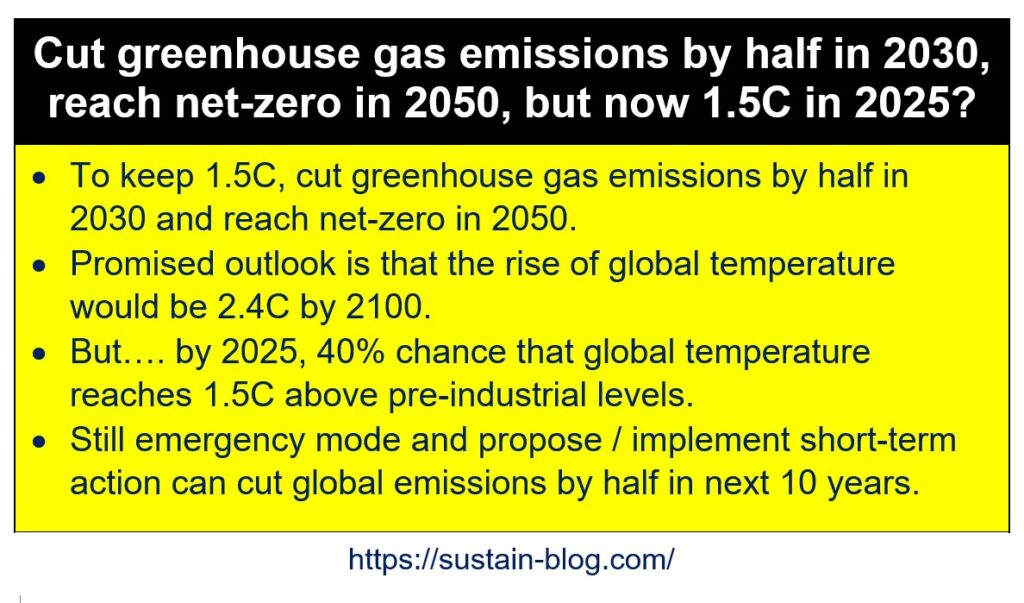
- Emission Reduction: Transitioning to renewable energy can limit warming to 1.5 °C, but the speed of deployment and grid integration challenges limit immediate impact.
- Protected Area Expansion: Designating 30 % of land and sea as protected can safeguard biodiversity, yet enforcement and funding gaps often reduce effectiveness.
- Restoration Ecology: Reforestation and mangrove restoration improve carbon sinks and coastal protection, but success depends on species selection, local community involvement, and long‑term maintenance.
- Adaptive Agriculture: Climate‑smart farming (e.g., drought‑resistant crops) can sustain yields, yet requires technology transfer and may be cost‑prohibitive for smallholders without support.
- Early‑Warning Systems: Monitoring climate‑driven ecosystem changes enables proactive management, but data gaps in developing regions limit coverage.
What Individuals, Communities, and Governments Can Do
What Individuals Can Do
- Support policies and candidates that prioritize climate mitigation and biodiversity conservation.
- Reduce personal carbon footprints by using public transport, improving home energy efficiency, and choosing low‑impact diets.
- Participate in local habitat restoration projects, such as tree planting or native pollinator gardens.
What Communities and Organizations Can Do
- Develop community‑based monitoring programs to track local species changes.
- Implement green infrastructure (e.g., urban wetlands) to enhance water filtration and flood resilience.
- Adopt sustainable procurement practices that avoid products linked to deforestation.
What Governments Can Do
- Enact and enforce ambitious net‑zero emission targets aligned with the Paris Agreement.
- Scale up protected‑area networks, ensuring they are ecologically representative and adequately funded.
- Invest in climate‑resilient agriculture, water management, and disaster‑risk reduction, prioritizing vulnerable populations.
- Facilitate international technology transfer to enable low‑carbon development in low‑income nations.
Closing Synthesis
Ecosystem collapse stands out as the deadliest effect of global warming because it erodes the very foundation of life‑supporting services. The chain of evidence—from temperature records and biodiversity monitoring to modelled projections—shows that continued warming will push many ecosystems past irreversible thresholds. High‑confidence findings underscore the urgency of emission cuts, habitat protection, and adaptive management, while uncertainties about precise tipping points highlight the need for better data. By combining systemic policy action with community‑level stewardship, humanity can reduce the risk of collapse and preserve the planet’s resilience for future generations.
Frequently Asked Questions
What is meant by “ecosystem collapse” in the context of global warming?
Ecosystem collapse describes a state where an ecosystem loses its structure and function, no longer supporting the species and services it once provided. Climate‑induced temperature shifts, altered rainfall, and species loss can push ecosystems past thresholds, leading to widespread degradation.
How does rising temperature lead to mass extinction?
Higher temperatures shift the climatic niches species occupy. When organisms cannot migrate, adapt, or evolve quickly enough, their populations decline and may disappear. This loss is amplified when key species vanish, disrupting food webs and accelerating further extinctions.
Which regions are most vulnerable to the deadliest effects of climate change?
Tropical rainforests, low‑lying coral‑reef islands, and arid zones face the greatest exposure. Tropical species often live near their thermal limits, while islands suffer from sea‑level rise and reef bleaching, and arid areas experience intensified drought.
What evidence shows that biodiversity loss amplifies human health risks?
Studies cited by the WHO link reduced biodiversity to higher rates of vector‑borne diseases such as Lyme disease and dengue. Loss of pollinators also threatens food nutrition, and degraded wetlands diminish natural water purification, increasing exposure to contaminants.
What are the most effective actions governments can take to prevent ecosystem collapse?
Governments can set and enforce net‑zero emission targets, expand and fund ecologically representative protected areas, invest in climate‑smart agriculture and water management, and support international technology transfer to help low‑income nations transition to low‑carbon economies.






Leave a Comment