
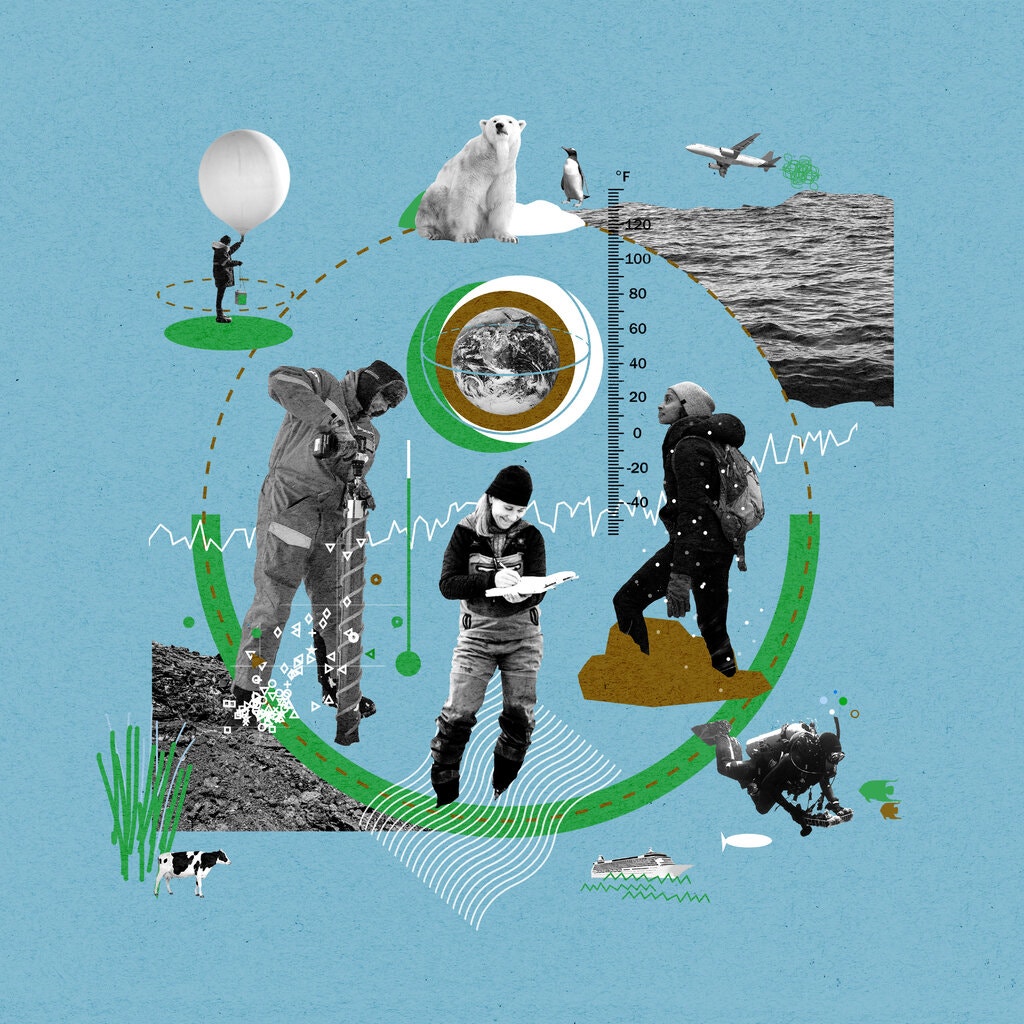
Understanding whether climate change or global warming appeared first clarifies how long‑term climate patterns and recent temperature rises are linked, and why both terms remain essential for climate communication.
Quick Answer
Climate change is the broader, long‑standing phenomenon describing shifts in temperature, precipitation, wind, and ecosystem behavior over centuries to millennia. Global warming is the recent, human‑driven increase in average surface temperature that began in the late 19th century and accelerated after the mid‑20th century. In chronological order, climate change existed long before global warming, but the rapid warming of the industrial era has become the dominant driver of today’s climate change.
Key Takeaways
- Climate change describes any long‑term alteration of Earth’s climate system; it predates human activity.
- Global warming refers specifically to the recent rise in global average temperature caused mainly by greenhouse‑gas emissions.
- The industrial revolution introduced the rapid warming that now powers the current phase of climate change.
- Evidence from ice cores, tree rings, and modern monitoring confirms both natural variability and anthropogenic warming.
- Mitigation targets greenhouse‑gas emissions; adaptation addresses the broader impacts of climate change.
What Is Climate Change vs. Global Warming: Which Came First??
Climate change is an umbrella term that encompasses any significant, lasting shift in the statistical properties of climate variables—temperature, precipitation, storm frequency, and more—over periods of decades to millions of years. It includes natural drivers such as orbital variations, volcanic eruptions, and solar cycles, as well as human influences.
Global warming is a sub‑category of climate change that describes the observed increase in Earth’s average surface temperature since the late 1800s, primarily driven by the accumulation of carbon dioxide (CO₂), methane (CH₄), and other greenhouse gases (GHGs) from fossil‑fuel combustion, deforestation, and industrial processes.
The distinction matters because the term “climate change” conveys the full suite of impacts—heat, altered rainfall, sea‑level rise, ecosystem disruption—while “global warming” isolates the temperature component that is most directly linked to anthropogenic GHG emissions.
How Does It Work?
Natural Climate Variability
- Solar radiation fluctuates over the 11‑year sunspot cycle, influencing short‑term temperature trends.
- Milankovitch cycles—variations in Earth’s orbit, axial tilt, and precession—drive ice‑age cycles over tens of thousands of years.
- Volcanic eruptions inject aerosols into the stratosphere, reflecting sunlight and temporarily cooling the planet.
Anthropogenic Global Warming
- Burning coal, oil, and gas releases CO₂, the dominant long‑lived GHG, which traps infrared radiation.
- Livestock and rice cultivation emit CH₄, a potent GHG with a higher heat‑trapping efficiency per molecule than CO₂.
- Land‑use change reduces carbon sinks, decreasing the Earth’s ability to absorb CO₂.
- The enhanced greenhouse effect raises surface temperatures, melting ice, expanding oceans, and altering atmospheric circulation.
Feedback Loops
Warming can trigger feedbacks that amplify or dampen change. For example, Arctic sea‑ice loss reduces surface albedo, causing more solar absorption (positive feedback). Conversely, increased plant growth in some regions can draw down CO₂ (negative feedback), though the net effect is currently warming‑dominant.
What Does the Evidence Show?
Multiple, independent lines of evidence converge on a clear picture:
- Instrumental records: Global mean surface temperature rose about 1.1 °C between 1880 and 2020 (NASA GISS, 2023).
- Ice‑core data: Antarctic and Greenland cores reveal CO₂ concentrations rose from ~280 ppm pre‑industrial to 419 ppm in 2022, closely tracking temperature proxies (IPCC AR6, 2021).
- Satellite observations: Since 1979, satellite measurements show a consistent warming of the lower troposphere, confirming surface trends.
- Attribution studies: Detection‑and‑attribution analyses attribute >95 % of the warming since 1950 to human GHG emissions (IPCC, 2021).
These observations are reinforced by climate‑model ensembles that reproduce past climate variability only when anthropogenic forcings are included.
Main Causes or Drivers
Natural Drivers
Natural factors still influence climate on long timescales, but their contribution to the warming observed since the 1950s is minor compared with human activities.
Human‑Driven Drivers
- Fossil‑fuel combustion (≈ 80 % of total GHG emissions).
- Agricultural practices (≈ 10 % of CO₂‑equivalent emissions, mainly CH₄ and nitrous oxide).
- Deforestation and land‑use change (≈ 10 % of CO₂ emissions).
Environmental and Human Impacts
Environmental Impacts
- Accelerated glacier and ice‑sheet melt contributes to sea‑level rise of about 3.4 mm yr⁻¹ (NOAA, 2022).
- Shifts in precipitation patterns increase drought risk in the Mediterranean and intensify monsoon floods in South Asia.
- Ocean warming and acidification erode coral reefs, threatening biodiversity and fisheries.
Human Health and Social Impacts
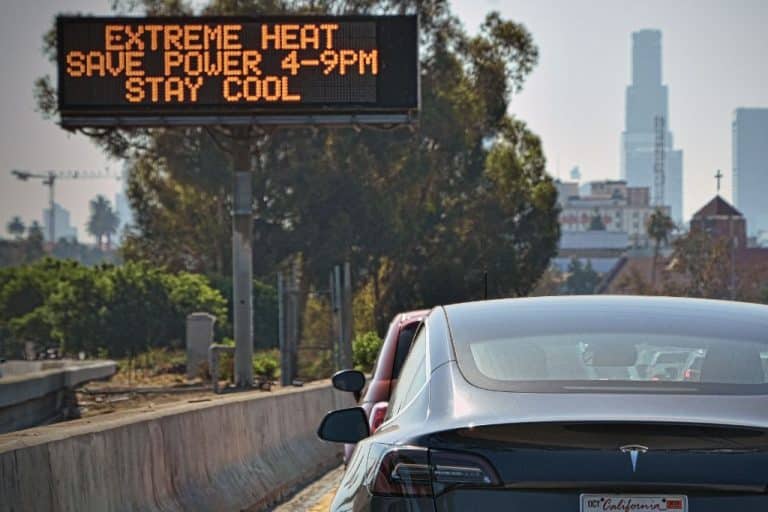
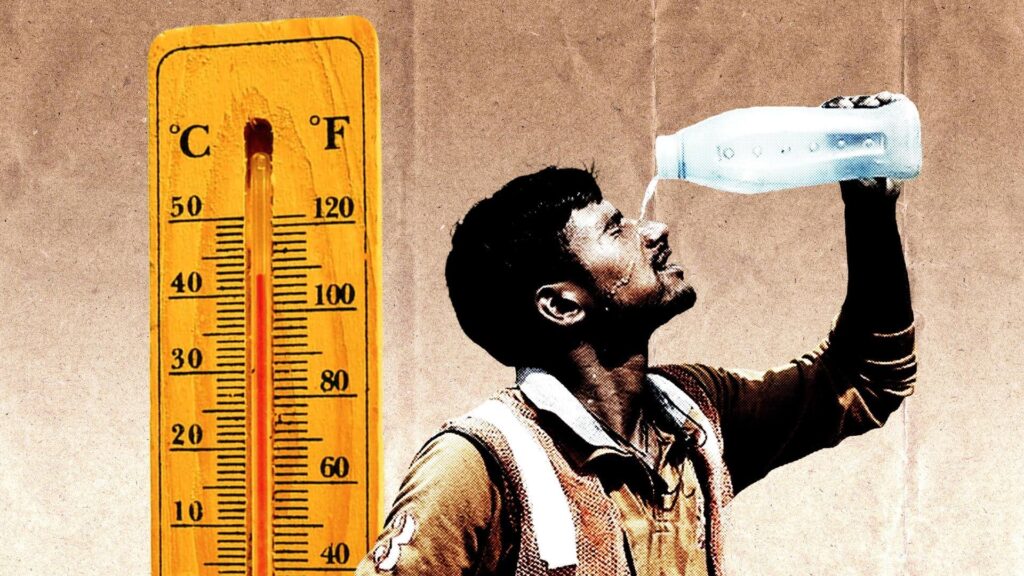
- Heatwaves raise heat‑related mortality, especially among the elderly and outdoor workers.
- Changes in vector‑borne disease ranges (e.g., malaria, dengue) are linked to expanding suitable temperatures.
- Food security is threatened by reduced crop yields in tropical regions and increased pest pressure.
Economic and Infrastructure Impacts
- Coastal flooding damages property and requires costly adaptation measures; the World Bank estimates $1 trillion in annual losses by 2050 under high‑emission scenarios.
- Extreme weather events increase insurance claims and strain emergency services.
Regional Differences
Impact intensity varies by geography:
- Arctic: Temperatures rise twice the global average, leading to permafrost thaw and feedbacks that release additional CO₂ and CH₄.
- Sub‑Saharan Africa: Projected precipitation declines intensify drought, affecting agriculture and water access.
- Southeast Asia: Sea‑level rise threatens low‑lying megacities such as Jakarta and Bangkok.
- Western United States: Increased frequency of high‑intensity wildfires linked to hotter, drier summers.
These examples illustrate that while the underlying driver—anthropogenic warming—is global, local outcomes depend on regional climate systems, socioeconomic vulnerability, and adaptive capacity.
What Scientists Know With High Confidence
- Human activities are the dominant cause of global warming since the mid‑20th century.
- Greenhouse‑gas concentrations are at their highest in at least 800,000 years.
- The planet’s energy balance is positive: more solar energy is retained than emitted.
- Warming is already causing measurable impacts on ecosystems, sea level, and weather extremes.
What Remains Uncertain
Key uncertainties include the magnitude of climate sensitivity (the temperature response to a doubling of CO₂), the rate of permafrost carbon release, and regional precipitation projections. These gaps stem from limited observational records, complex cloud feedbacks, and the difficulty of modeling small‑scale processes. Ongoing satellite missions and high‑resolution Earth system models aim to reduce these uncertainties over the next decade.
Common Misconceptions
Misconception: Climate change and global warming are interchangeable terms.
Reality: Global warming is the temperature component of the broader phenomenon of climate change, which also includes changes in precipitation, storm patterns, and ecosystem responses.
Misconception: Global warming started only after 1990.
Reality: Instrumental temperature records show a steady rise beginning in the late 19th century, with an accelerated trend after the 1950s due to expanding fossil‑fuel use.
Misconception: Natural cycles alone can explain current warming.
Reality: Climate models that include only natural forcings (solar variability, volcanic activity) cannot reproduce the observed warming; anthropogenic GHGs are required to match the data.
Solutions and Limitations
Effective responses combine mitigation (reducing GHG emissions) and adaptation (adjusting to unavoidable changes). Each strategy carries trade‑offs:
- Renewable‑energy transition cuts emissions but requires upfront investment, grid upgrades, and raw‑material supply chains.
- Energy efficiency offers low‑cost savings but depends on building codes and consumer behavior.
- Reforestation sequesters carbon but competes with land needed for food production and may be vulnerable to future fires.
- Coastal defenses protect infrastructure but can shift erosion downstream and are costly to maintain.
- Climate‑smart agriculture improves resilience but may need new technologies and farmer training.
What Individuals, Communities, and Governments Can Do
What Individuals Can Do
- Reduce high‑carbon consumption habits (e.g., limit air travel, improve home insulation).
- Support policies and candidates that prioritize clean energy and climate resilience.
- Participate in local tree‑planting or community‑energy projects.
What Communities and Organizations Can Do
- Develop climate‑action plans that set measurable emission‑reduction targets.
- Invest in resilient infrastructure such as green roofs, flood‑plain restoration, and heat‑wave shelters.
- Promote climate‑education programs to build local capacity.
What Governments Can Do
- Implement carbon pricing or regulations that phase out coal and incentivize renewables.
- Fund research and monitoring networks that improve climate projections.
- Enforce building codes that require energy‑efficient design and flood‑risk assessments.
- Provide financial assistance to vulnerable populations for adaptation measures.
Synthesis
Climate change is the long‑standing, all‑encompassing shift in Earth’s climate system; global warming is the recent, human‑driven temperature rise that now powers the current phase of change. Robust evidence—from ice cores, satellite data, and attribution studies—confirms this chronology and highlights urgent impacts on ecosystems, health, and economies worldwide. While high‑confidence findings guide decisive mitigation and adaptation, uncertainties about feedbacks and regional outcomes motivate continued research. Coordinated action across individuals, communities, and governments offers the most effective path to limit warming and protect the planet for future generations.
Frequently Asked Questions
What is the difference between climate change and global warming?
Climate change refers to any long‑term alteration in climate patterns, including temperature, precipitation, and storm frequency, whereas global warming specifically describes the recent rise in average surface temperature caused mainly by human greenhouse‑gas emissions.
When did global warming begin and why is it considered a recent phenomenon?
Instrumental records show global surface temperatures began a steady increase in the late 1800s, with acceleration after the 1950s, coinciding with rapid fossil‑fuel combustion and industrial activity that released large amounts of CO₂ and other greenhouse gases.
What evidence confirms that human activities are the main driver of recent warming?
Multiple lines of evidence—instrumental temperature records, ice‑core CO₂ data, satellite observations, and detection‑and‑attribution studies—show that over 95 % of the warming since 1950 is attributable to anthropogenic greenhouse‑gas emissions.
How do the impacts of climate change vary across different regions?
Impacts differ: the Arctic experiences twice‑global‑average warming and permafrost thaw; Sub‑Saharan Africa faces reduced rainfall and drought; Southeast Asia confronts sea‑level rise threatening megacities; and the western United States sees more intense wildfires due to hotter, drier summers.
What are realistic actions that governments can take to address climate change?
Governments can enact carbon pricing, phase out coal, fund renewable‑energy infrastructure, support climate‑research and monitoring, enforce energy‑efficient building codes, and provide financial aid for vulnerable communities to adapt to climate impacts.






Leave a Comment