
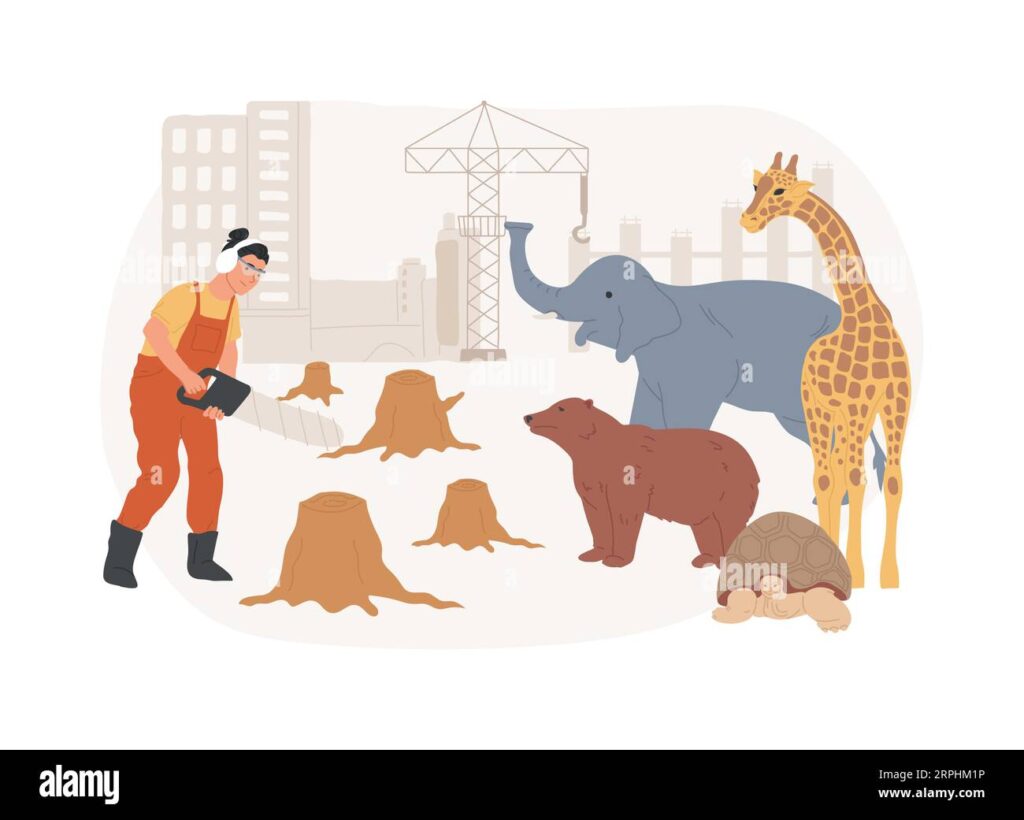
Global warming reshapes ecosystems by raising temperatures, altering precipitation, and intensifying extreme events, which together endanger wildlife and the habitats they depend on.
Quick Answer
Global warming refers to the long‑term increase in average Earth surface temperature driven primarily by greenhouse‑gas emissions from human activities. Higher temperatures modify ice cover, water availability, and vegetation patterns, thereby reducing or fragmenting the habitats that many animal species need to survive. The scientific consensus, based on multiple lines of observation and modeling, indicates that climate‑driven habitat loss is already contributing to population declines and heightened extinction risk, especially for species with narrow climate tolerances. Uncertainty remains around the exact timing of thresholds for some ecosystems, but the direction of change is clear.
Key Takeaways
- Rising temperatures shrink polar ice, threatening ice‑dependent species such as polar bears and seals.
- Changes in precipitation cause droughts or flooding that degrade forests, grasslands, and wetlands.
- Food‑web disruptions arise because climate stress reduces plant productivity and alters the distribution of prey species.
- Invasive species and climate‑related diseases spread more easily in a warming world, adding pressure on native wildlife.
- Effective responses combine emissions mitigation, habitat restoration, and targeted conservation measures.
What Is How Global Warming Threatens Animals and Their Habitats?
The phrase describes the cascade of ecological effects that occur when the climate system warms faster than many species can adapt. It encompasses loss of suitable temperature ranges, changes in seasonal cues, altered water regimes, and increased frequency of extreme events that together reshape the physical spaces—ice, forest, savanna, coral reef—where animals live, feed, reproduce, and migrate. Unlike short‑term weather events, these changes are persistent and cumulative, influencing biodiversity at local, regional, and global scales.
How Does It Work?
1. Temperature Rise Shifts Climate Zones
As average temperatures climb, the climatic envelope suitable for a species moves poleward or upward in elevation. Species that cannot migrate quickly enough—often because of limited dispersal ability or fragmented landscapes—experience range contraction.
2. Ice and Snow Melt Reduces Cold‑Adapted Habitat
Melting sea ice eliminates the platform that polar bears, walruses, and many seal species use for hunting and breeding. Similarly, reduced snowpack shortens the winter niche for alpine mammals such as the American pika.
3. Altered Precipitation Impacts Water‑Dependent Ecosystems
Increased drought frequency stresses savannas, causing woody encroachment that reduces grass for herbivores like elephants. Conversely, intensified rainfall can flood wetlands, disrupting breeding sites for amphibians and waterbirds.
4. Food‑Web Reconfiguration
Warmer conditions often favor fast‑growing, drought‑tolerant plants, decreasing the nutritional quality of forage for herbivores. Declines in herbivore populations ripple upward, affecting predators from wolves to marine mammals.
5. Spread of Invasive Species and Pathogens
Warmer climates open new geographic windows for non‑native species and disease agents. For example, the chytrid fungus that devastates amphibians has expanded into higher elevations as temperatures rise.
What Does the Evidence Show?
Long‑term monitoring by the Intergovernmental Panel on Climate Change (IPCC) and national agencies documents a consistent pattern: species distributions are shifting poleward at an average of 11–17 km per decade (IPCC, 2021). Satellite observations confirm a 13 % loss of Arctic sea‑ice extent between 1979 and 2020, directly correlating with reduced hunting area for polar bears (NOAA, 2021). Meta‑analyses of 150 peer‑reviewed studies reveal that climate‑related habitat loss accounts for roughly one‑third of documented population declines in terrestrial mammals since 1970 (World Wildlife Fund, 2022). In marine systems, warming of 0.6 °C in the upper 100 m of the Pacific since 1990 has shifted the distribution of anchovy stocks southward, affecting seabird breeding success (FAO, 2020). These lines of evidence—field observations, remote sensing, and systematic reviews—converge on the conclusion that global warming is a primary driver of contemporary wildlife stress.
Main Causes or Drivers
Direct Human Emissions
Burning of fossil fuels, deforestation, and industrial processes release carbon dioxide, methane, and nitrous oxide, which trap infrared radiation and raise global temperatures.
Land‑Use Change
Conversion of forests and wetlands to agriculture fragments habitats, limiting species’ ability to move in response to climate shifts.
Feedback Loops
Loss of ice reduces the Earth’s albedo (reflectivity), accelerating warming—a positive feedback that further shrinks cold habitats.
Environmental and Human Impacts
Environmental Impacts
Habitat loss leads to reduced biodiversity, altered ecosystem services such as pollination and carbon storage, and increased vulnerability to invasive species. Cascading effects can destabilize entire food webs, as seen in coral‑reef bleaching events that diminish fish populations and the species that depend on them.
Human Health and Social Impacts
Communities that rely on wildlife for protein, cultural practices, or ecotourism income face food‑security challenges when animal populations decline. For example, Indigenous peoples in the Arctic experience lower subsistence harvests of seal and caribou as sea‑ice and tundra conditions change.
Regional Differences
In the Arctic, the primary concern is loss of sea‑ice habitat for marine mammals. In tropical rainforests, altered precipitation intensifies drought, increasing fire risk and threatening species such as orangutans that depend on continuous canopy cover. Temperate grasslands of North America experience both intensified summer heat and more erratic spring rains, stressing pronghorn and grass‑feeding birds. Each region shows a distinct combination of temperature, moisture, and land‑use pressures, but the underlying mechanism—climate‑driven habitat alteration—remains common.
What Scientists Know With High Confidence
- Global average surface temperature has risen about 1.1 °C since pre‑industrial levels (IPCC, 2021).
- Sea‑ice extent in the Arctic has declined by roughly 13 % per decade since the late 1970s.
- Species are shifting their geographic ranges toward higher latitudes and elevations in response to warming.
- Climate change is a leading driver of habitat loss for polar, alpine, and coral‑reef ecosystems.
What Remains Uncertain
Key uncertainties include the precise thresholds at which ecosystem collapse becomes irreversible, especially for complex coral‑reef systems where local stressors interact with warming. Predicting the speed of evolutionary adaptation for long‑lived species is also limited, as most studies focus on short‑term phenotypic plasticity. Improved long‑term monitoring and integrated climate‑biodiversity models are needed to narrow these gaps.
Common Misconceptions
Misconception: Only polar species are affected by climate change.
Reality: While Arctic species receive much attention, warming impacts tropical, temperate, and desert ecosystems alike, altering food availability, water resources, and disease dynamics worldwide.
Misconception: Animals will simply move to cooler areas.
Reality: Many species face geographic barriers such as mountains, urban development, or unsuitable surrounding habitats, limiting their capacity to track suitable climate zones.
Misconception: Habitat loss from climate change is reversible if temperatures stop rising.
Reality: Some changes, like loss of ancient ice sheets or coral reef bleaching, can be long‑lasting or permanent, even if warming stabilizes.
Solutions and Limitations
Mitigation—rapidly cutting greenhouse‑gas emissions—is the most direct way to limit further habitat degradation. Renewable‑energy transitions, energy efficiency, and reforestation can reduce atmospheric CO₂, but the scale of deployment required is massive and faces economic and political hurdles. Adaptation strategies include creating wildlife corridors to facilitate movement, protecting climate‑refugia (areas less affected by warming), and assisting migration for especially vulnerable species. Conservation actions such as anti‑poaching patrols and invasive‑species control remain essential, yet they cannot fully offset the loss of habitat caused by climate change. Nature‑based solutions (e.g., mangrove restoration) provide co‑benefits for carbon storage and biodiversity, but their efficacy depends on site‑specific conditions and long‑term management.
What Individuals, Communities, and Governments Can Do
What Individuals Can Do
- Reduce personal carbon footprints by using public transport, conserving energy at home, and choosing lower‑carbon foods.
- Support certified wildlife‑friendly products and organizations that fund habitat restoration.
- Participate in citizen‑science monitoring programs that track local wildlife responses to climate.
What Communities and Organizations Can Do
- Develop and maintain green corridors that link fragmented habitats.
- Implement local climate‑resilience plans that incorporate biodiversity protection.
- Promote sustainable land‑use practices that reduce deforestation and protect wetlands.
What Governments Can Do
- Enact and enforce ambitious emissions‑reduction targets aligned with the Paris Agreement.
- Fund large‑scale protected‑area networks and climate‑refugia designations.
- Integrate biodiversity considerations into climate‑adaptation policies, such as infrastructure planning that avoids critical migration routes.
Closing Synthesis
Global warming reshapes the physical foundations of ecosystems, leading to habitat loss, food‑web disruption, and heightened disease risk for wildlife. Robust evidence confirms that temperature rise, ice melt, and altered precipitation are already driving these changes, with high confidence in the direction of impact. While uncertainties persist around specific thresholds and adaptive capacities, the overarching picture underscores the urgency of emissions mitigation, habitat connectivity, and proactive conservation. By aligning individual choices, community planning, and governmental policy with the best available science, society can reduce the most severe threats and preserve the planet’s rich tapestry of animal life for future generations.
Frequently Asked Questions
How does rising temperature affect animal habitats?
Higher temperatures shift climate zones, causing many species to move poleward or upward. When suitable areas disappear or become fragmented, animals may lose the food, shelter, and breeding sites they need, leading to population declines.
Why are polar species especially vulnerable to climate change?
Polar species depend on sea ice and permafrost for hunting, breeding, and shelter. Rapid ice melt reduces the area they can use, and the loss of reflective ice also accelerates warming, creating a feedback loop that further threatens their habitat.
What evidence shows that wildlife is already responding to climate change?
Long‑term studies document species moving on average 11–17 km per decade toward cooler regions, a 13 % decline in Arctic sea‑ice extent since 1979, and documented shifts in marine fish distributions linked to ocean warming.
Can creating wildlife corridors help animals adapt to climate change?
Yes, corridors connect fragmented habitats, allowing species to migrate as their climate niches shift. This reduces isolation, supports genetic diversity, and improves chances of survival, especially for less mobile organisms.
What are the main uncertainties about climate impacts on wildlife?
Key uncertainties involve the exact temperature thresholds that trigger irreversible ecosystem collapse, especially for coral reefs, and how quickly long‑lived species can genetically adapt to rapid climate shifts.






Leave a Comment