

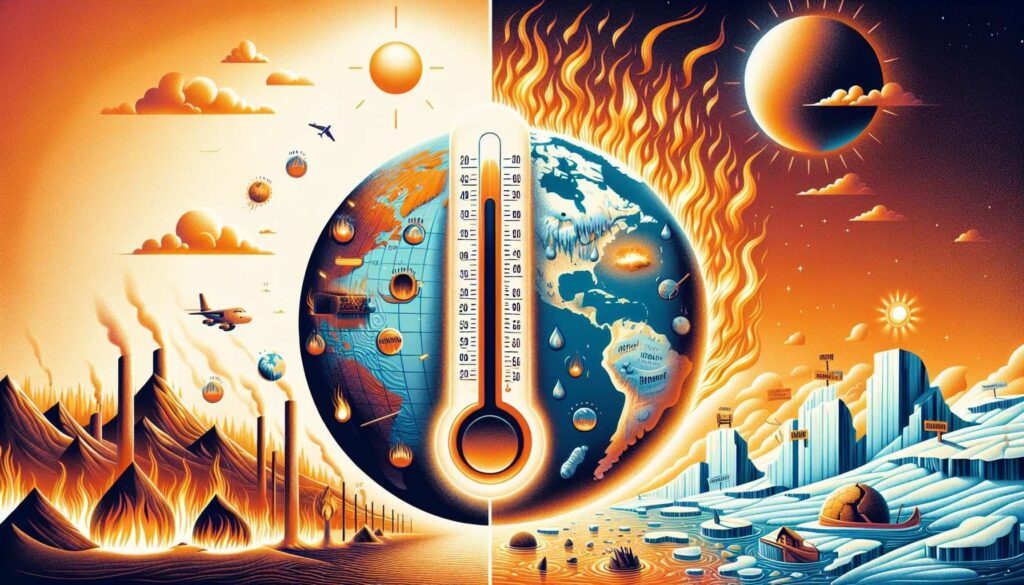
The window to keep global warming below the severe thresholds of 1.5 °C and 2 °C is narrowing, and scientists estimate that decisive cuts in emissions are needed by the early 2030s to avoid the most catastrophic impacts.
Quick Answer
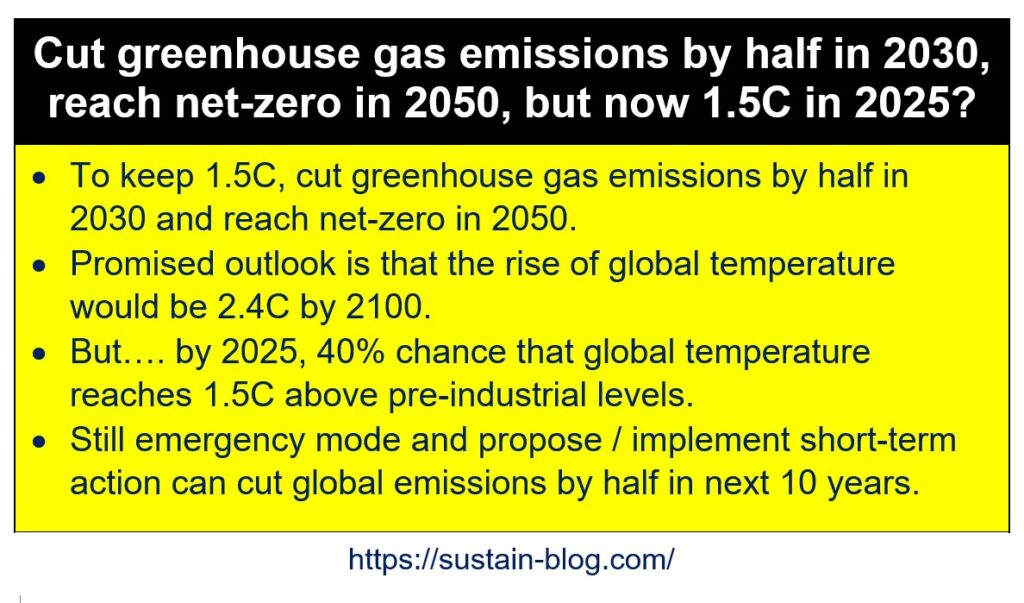
Keeping average global temperature rise under the 1.5 °C limit requires cutting net CO₂ emissions by roughly half by 2030 and reaching net-zero around 2050. If emissions continue at current rates, the 1.5 °C threshold is likely to be crossed in the early 2030s, with a 2 °C breach becoming probable by mid-century. The exact timing is uncertain because feedbacks in the carbon cycle and socioeconomic pathways could accelerate or delay crossing, but the overall window for large-scale mitigation is rapidly shrinking.
Key Takeaways
- IPCC assessments state a 50 % cut in global CO₂ emissions by 2030 is essential to stay below 1.5 °C.
- Current emission trajectories suggest the 1.5 °C limit could be breached in the early 2030s.
- Regional impacts vary: low‑lying islands, Arctic ecosystems, and hot‑spot regions face the earliest and most severe changes.
- High‑confidence findings include human‑driven warming, accelerating sea‑level rise, and increased extreme‑weather frequency.
- Key uncertainties involve carbon‑cycle feedbacks, the timing of tipping points, and future socioeconomic choices.
What Is How Much Time We Really Have Before Global Warming Turns Severe?
The phrase refers to the remaining period in which humanity can limit warming to the thresholds set by the Paris Agreement—primarily 1.5 °C and, more loosely, 2 °C—before climate impacts become broadly severe, irreversible, or self‑reinforcing. “Severe” encompasses widespread ecosystem disruption, frequent extreme weather, sea‑level rise that endangers coastal cities, and climate‑related risks to food, water, and health that exceed the adaptive capacity of many societies. The timeline depends on the balance between greenhouse‑gas emissions (the driver) and the Earth’s natural sinks (the counter‑balance).
How Does It Work?
1. Greenhouse‑gas Accumulation
Burning coal, oil, and natural gas for energy, along with cement production and land‑use change, releases carbon dioxide (CO₂), methane (CH₄), and nitrous oxide (N₂O) into the atmosphere. These gases absorb outgoing infrared radiation, raising the planet’s energy budget. Atmospheric CO₂ reached about 421 ppm in 2023, the highest level in at least 800 000 years (NOAA, 2024).
2. Climate Feedbacks
Warming triggers feedbacks that can amplify the initial forcing. Melting Arctic sea ice reduces surface albedo, leading to more solar absorption; permafrost thaw releases additional CH₄ and CO₂. The IPCC rates many feedbacks as “likely” to be positive, meaning they increase warming.
3. Thresholds and Tipping Points
When average temperature crosses certain thresholds, nonlinear responses may occur—such as the collapse of the West Antarctic Ice Sheet or the die‑off of coral reefs. These are expressed as probability ranges rather than precise dates, and their likelihood rises as the temperature approaches the threshold.
4. Socio‑economic Pathways
Future emissions depend on policy choices, technology adoption, and demographic trends. The IPCC models use Shared Socioeconomic Pathways (SSPs) that range from rapid decarbonisation (SSP1‑1.9) to high‑fossil‑fuel use (SSP5‑8.5). These pathways determine how quickly the carbon budget is consumed.
What Does the Evidence Show?
Multiple independent lines of evidence converge on a consistent picture:
- Instrumental records: Global surface temperature has risen about 1.1 °C since 1850 (NASA GISS, 2023).
- Atmospheric composition: Direct measurements from Mauna Loa and other stations show steady increases in CO₂, CH₄, and N₂O over the past six decades.
- Paleoclimate reconstructions: Ice‑core and sediment data indicate that past intervals with >1.5 °C warming were associated with sea‑level rise of several metres and major ecosystem shifts.
- Attribution studies: Over 95 % of warming since the mid‑20th century is attributed to human activities (IPCC AR6, 2021).
- Model ensembles: Coupled climate‑model simulations under current emission trajectories project a median crossing of the 1.5 °C threshold between 2028 and 2035, with 2 °C likely by 2050 (IPCC, 2021).
Main Causes or Drivers
Direct Causes
Fossil‑fuel combustion accounts for roughly 73 % of global CO₂ emissions (IEA, 2023). Deforestation contributes about 10 % by reducing carbon uptake.
Underlying Drivers
Economic growth, urbanisation, and population increase drive energy demand. Subsidies for fossil fuels and insufficient carbon pricing amplify emissions.
Amplifying Factors
Land‑use change, agricultural practices that emit CH₄ (e.g., rice paddies, livestock), and waste‑management emissions add to the greenhouse‑gas budget.
Environmental and Human Impacts
Environmental Impacts
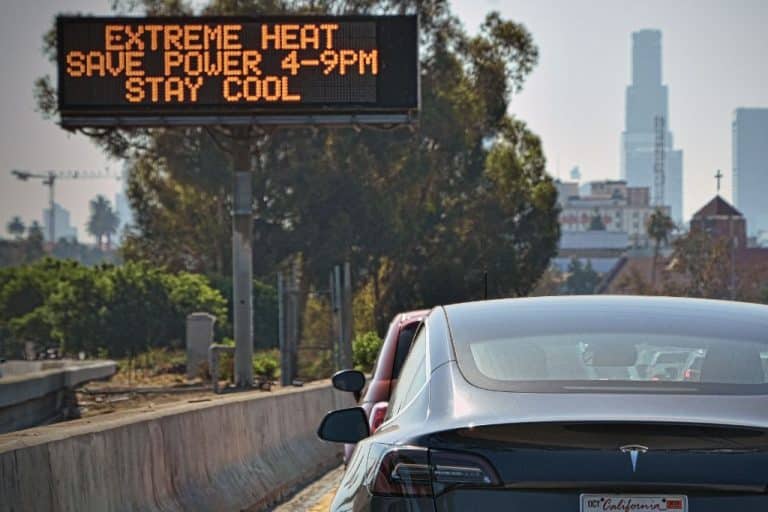
Exceeding 1.5 °C accelerates heatwaves, droughts, and heavy precipitation. Sea‑level rise projected at 0.3–0.6 m by 2100 under moderate scenarios threatens low‑lying islands and coastal deltas. Ocean acidification, now 0.1 pH units lower than pre‑industrial levels, harms coral reefs and shell‑forming organisms.
Human Health and Social Impacts
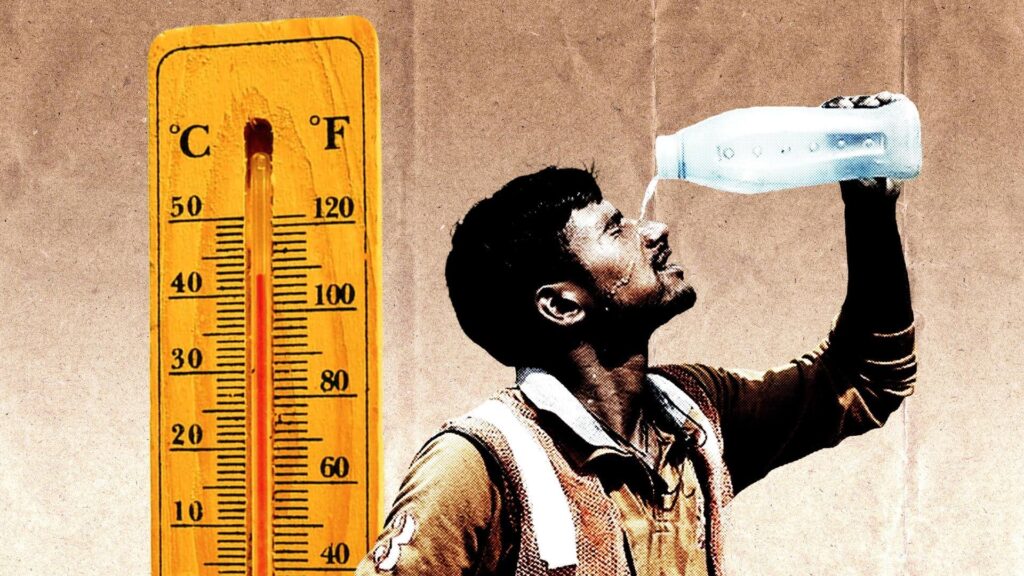
Higher temperatures increase heat‑related mortality, especially among older adults. Vector‑borne diseases such as malaria expand into higher latitudes. Food security is jeopardised by reduced crop yields in tropical and subtropical regions, potentially affecting up to 200 million people by 2050 (FAO, 2022).
Economic and Infrastructure Impacts
Extreme weather events cause billions of dollars in damages annually; the 2023 floods in South Asia resulted in estimated economic losses of $30 billion (World Bank, 2023). Infrastructure built on current sea‑level baselines may become uninhabitable within decades.
Regional Differences
Impact intensity varies with geography:
- Arctic: Warming occurs at roughly twice the global average, leading to permafrost thaw and reduced albedo.
- Small Island Developing States (SIDS): Sea‑level rise threatens complete land loss; many islands could become uninhabitable by 2050 under high‑emission scenarios.
- Sub‑Saharan Africa: Projected temperature increases of 2–3 °C by 2050 will exacerbate water scarcity and reduce staple crop yields.
- Europe and North America: Increased frequency of heatwaves and wildfires, especially in the western United States and Mediterranean Europe.
What Scientists Know With High Confidence
- Human activities are the dominant cause of observed warming since the mid‑20th century.
- Global average temperature has already risen about 1.1 °C above pre‑industrial levels.
- Continuing current emissions will likely exceed 1.5 °C within the next decade.
- Sea‑level rise, extreme‑weather frequency, and ocean acidification are already measurable and projected to intensify.
What Remains Uncertain
Key uncertainties centre on the magnitude of climate feedbacks—such as carbon release from thawing permafrost—and the timing of potential tipping points like a slowdown of the Atlantic Meridional Overturning Circulation. Socio‑economic pathways that dictate future emissions also remain uncertain. While these factors affect the exact year of crossing thresholds, they do not overturn the overall conclusion that rapid mitigation is essential.
Common Misconceptions
Misconception: “A few hot summers prove climate change is a myth.”
Reality: Climate change refers to long‑term trends, not individual weather events. Attribution studies link the increased probability of extreme heat events to rising greenhouse‑gas concentrations.
Misconception: “We have decades to act because the climate changes slowly.”
Reality: Although the climate system has inertia, the remaining carbon budget for staying below 1.5 °C is limited to roughly 420 GtCO₂ from 2020 onward (IPCC, 2021). Exceeding this budget shortens the window dramatically.
Misconception: “Only rich countries need to reduce emissions.”
Reality: Historical emissions are highest in developed nations, but rapid growth in emerging economies now accounts for a large share of new emissions. Global mitigation requires coordinated action across all economies.
Solutions and Limitations
Response strategies fall into three broad categories:
- Mitigation: Rapid deployment of renewable electricity (wind, solar), electrification of transport, and energy efficiency can reduce CO₂ emissions. Limitations include material supply chains for batteries and the intermittency of renewable generation, which requires storage or grid upgrades.
- Adaptation: Building flood‑resilient infrastructure, developing drought‑tolerant crops, and implementing early‑warning systems reduce vulnerability. Adaptation does not lower atmospheric greenhouse gases and can be financially burdensome for low‑income regions.
- Nature‑based solutions: Restoring forests and wetlands enhances carbon sinks and provides co‑benefits for biodiversity. However, land‑based solutions are limited by competing land‑use demands and cannot offset high emissions on their own.
What Individuals, Communities, and Governments Can Do
What Individuals Can Do
Choose low‑carbon transportation (public transit, cycling), improve home energy efficiency, reduce food waste, and support policies that price carbon. Individual actions alone cannot meet the global target but help build societal demand for systemic change.
What Communities and Organizations Can Do
Implement district‑level renewable energy projects, adopt climate‑smart agriculture, and develop local climate‑resilience plans that address heat, flood, and water security.
What Governments Can Do
Enact ambitious net‑zero legislation, phase out coal subsidies, invest in public transit and grid modernisation, and provide financing for adaptation in vulnerable regions. International cooperation through the UNFCCC and climate‑finance mechanisms is essential to support low‑income countries.
What Businesses and Industries Can Do
Set science‑based emissions targets, transition to circular production models, and disclose climate‑related financial risks following the Task Force on Climate‑Related Financial Disclosures (TCFD) framework.
Closing Synthesis
The scientific record shows that human‑driven greenhouse‑gas emissions have already pushed the climate system close to the 1.5 °C threshold, with a high probability of crossing it within the next decade if emissions are not sharply reduced. High‑confidence findings confirm the urgency, while uncertainties around feedbacks and socioeconomic pathways highlight the need for continual monitoring. Mitigation, adaptation, and nature‑based strategies each offer proven benefits but also have trade‑offs; no single approach suffices. Collective action—from personal lifestyle choices to coordinated government policy—offers the most realistic path to extending the window of opportunity and averting the most severe climate outcomes.
Frequently Asked Questions
What does “severe” warming mean in the context of the Paris Agreement?
Severe warming refers to temperature increases that push global average rise beyond the 1.5 °C or 2 °C limits, leading to widespread ecosystem disruption, frequent extreme weather, significant sea‑level rise, and climate‑related risks that exceed many societies’ ability to adapt.
How soon could the 1.5 °C threshold be crossed if emissions stay on their current path?
If global emissions continue at current rates, the Intergovernmental Panel on Climate Change projects a median crossing of the 1.5 °C threshold between 2028 and 2035, making the early 2030s the most likely period for breach.
Which regions are expected to feel the earliest impacts of severe warming?
The Arctic, Small Island Developing States, and low‑lying coastal deltas are projected to experience the earliest and most intense impacts, including rapid ice loss, sea‑level rise threatening habitability, and heightened exposure to heatwaves and storms.
What are the biggest uncertainties that could change the timeline for severe warming?
Key uncertainties include the magnitude of carbon‑cycle feedbacks such as permafrost carbon release, the timing of tipping points like a slowdown of the Atlantic Meridional Overturning Circulation, and future socioeconomic pathways that determine emission trajectories.
What actions can individuals take that meaningfully contribute to extending the climate window?
Individuals can lower personal carbon footprints by using public transit or cycling, improving home energy efficiency, reducing food waste, and supporting policies that price carbon. While personal actions alone cannot meet global targets, they help create demand for broader systemic changes.






Leave a Comment