
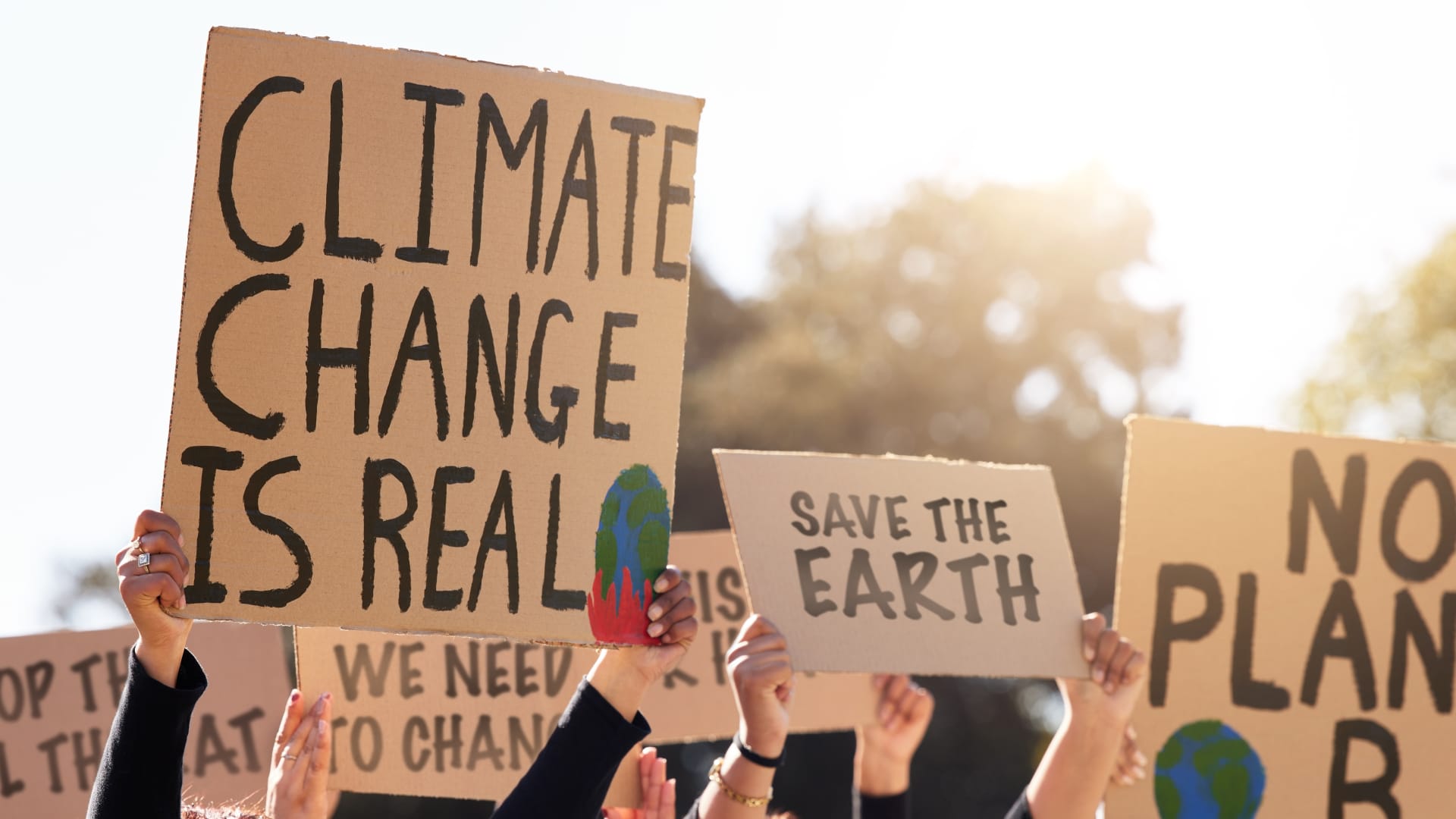
Understanding how Africans perceive climate change, what they know, and where critical knowledge gaps remain is essential for effective education, policy, and resilience building.
Quick Answer
Africa’s climate‑change awareness is growing, with most urban respondents recognizing rising temperatures and erratic rainfall, yet many lack depth on causes, long‑term risks, and adaptation options. Evidence from IPCC (2021) and UNEP (2022) shows that information channels differ sharply between cities and rural areas, creating uneven knowledge distribution. The main implication is that without targeted, culturally relevant education, misconceptions persist and hinder coordinated climate action, especially among vulnerable groups.
Key Takeaways
- Over 70 % of urban Africans can identify basic climate‑change symptoms, but fewer than 30 % understand underlying greenhouse‑gas mechanisms.
- Radio, community leaders, and local NGOs are the primary information sources in rural regions, while internet and formal schooling dominate in cities.
- Traditional ecological knowledge offers valuable adaptation insights, yet it is often overlooked by formal climate programmes.
- Misconceptions—such as attributing drought solely to poor farming practices—remain common and can undermine effective responses.
- Evidence‑based, locally tailored education and youth‑led media campaigns are the most promising ways to close knowledge gaps.
What Is Climate Change Awareness in Africa: What People Know and What’s Missing?
Climate‑change awareness refers to the degree to which individuals and communities recognize that the Earth’s climate is changing, can identify observable impacts, and understand the human activities that drive those changes. In the African context, awareness encompasses a spectrum: from recognizing hotter seasons to grasping the link between fossil‑fuel emissions and global temperature rise. The concept differs from simple “concern” because it implies a factual baseline of knowledge that can inform behaviour and policy.
Assessing awareness matters because informed citizens are more likely to support adaptation measures, adopt resilient agricultural practices, and hold leaders accountable for emissions reductions.
How Does It Work?
Information pathways
Knowledge acquisition follows several pathways:
- Formal education: School curricula that include climate science introduce basic concepts of the greenhouse effect and climate modelling.
- Mass media: Television and newspapers convey weather extremes and policy debates, often framing climate change as a development issue.
- Community networks: In rural settings, elders, religious leaders, and agricultural extension agents share observations of shifting planting seasons.
- Digital platforms: Mobile phones and social media allow rapid dissemination of climate alerts, but also of misinformation.
Cultural lenses
Indigenous knowledge systems interpret climate signals through seasonal calendars, proverbs, and ritual practices. When these lenses intersect with scientific explanations, they can reinforce understanding; when they clash, they may generate confusion or skepticism.
What Does the Evidence Show?
Large‑scale surveys conducted by the African Development Bank (2021) and the World Bank (2021) reveal that 68 % of respondents in major cities such as Nairobi, Lagos, and Johannesburg are aware of climate change, compared with 42 % in peri‑urban and rural zones. The Intergovernmental Panel on Climate Change (IPCC) AR6 (2021) notes that awareness is a prerequisite for adaptive capacity, yet it does not guarantee accurate knowledge of mechanisms.
Monitoring data from national meteorological services across the Sahel, East Africa, and Southern Africa consistently document rising average temperatures of 0.3–0.5 °C per decade since the 1970s, and increased frequency of extreme rainfall events. These observable trends are frequently cited by respondents when asked about climate change.
However, systematic reviews (e.g., UNEP 2022) highlight a “knowledge depth gap”: many people can name visible impacts but cannot explain carbon cycles, the role of deforestation, or the concept of climate feedbacks.
Main Causes or Drivers
Direct drivers
Burning of fossil fuels for electricity, transport, and industry releases carbon dioxide (CO₂) and methane (CH₄), the primary anthropogenic greenhouse gases identified by the IPCC.
Underlying drivers
Rapid urbanisation, expanding agricultural land, and reliance on charcoal for cooking intensify emissions in many African nations. International trade of commodities such as cocoa and coffee also embeds carbon footprints beyond national borders.
Amplifying factors
Land‑use change—particularly deforestation in the Congo Basin—reduces carbon sinks, while inadequate infrastructure limits the capacity to disseminate accurate climate information.
Environmental and Human Impacts
Environmental Impacts
Elevated temperatures accelerate evapotranspiration, reducing water availability in the Sahel and the Horn of Africa. Shifts in precipitation patterns threaten biodiversity in the Albertine Rift, where many endemic species depend on stable moisture regimes.
Human Health and Social Impacts
Heatwaves increase the incidence of heat‑related illnesses, while altered malaria‑vector habitats expand disease risk zones into higher elevations, as documented by the World Health Organization (2021).
Economic and Infrastructure Impacts
Crop yield models for maize in East Africa project a 10‑15 % reduction per degree Celsius of warming (FAO 2020). Flooding of coastal cities such as Lagos threatens critical infrastructure and displaces thousands annually.
Regional Differences
North‑East Africa experiences more frequent droughts, whereas Southern Africa faces intensified cyclonic activity. Urban centres benefit from higher internet penetration, leading to greater exposure to global climate narratives, while remote pastoralist communities rely on oral transmission of climate cues.
These variations stem from differing climate zones, economic structures, and education levels, underscoring the need for region‑specific communication strategies.
What Scientists Know With High Confidence
- Global average surface temperature has risen by about 1.1 °C since pre‑industrial times (IPCC 2021).
- Human activities, especially fossil‑fuel combustion, are the dominant cause of observed warming (IPCC 2021).
- Increasing frequency of extreme heat and heavy‑rain events is consistent across African climate zones (WMO 2020).
- Higher temperatures and erratic rainfall directly threaten food security in rain‑fed agricultural systems (FAO 2020).
What Remains Uncertain
Key uncertainties include the precise magnitude of future precipitation changes at sub‑national scales, the socio‑economic pathways that will drive emissions in fast‑growing African economies, and how traditional knowledge can be systematically integrated into national climate‑adaptation plans. Limited long‑term monitoring networks in many regions hinder fine‑grained projections, but satellite observations are gradually closing this gap.
Common Misconceptions
Misconception: Climate change only affects distant polar regions.
Reality: African temperature records show a clear warming trend, and climate‑related hazards such as drought and floods already impact livelihoods across the continent.
Misconception: Droughts are caused solely by poor farming practices.
Reality: While land management influences water retention, scientific attribution studies link the increasing severity of droughts to rising atmospheric temperatures and altered rainfall patterns.
Misconception: Renewable energy adoption will solve Africa’s climate‑change problems instantly.
Reality: Renewable technologies reduce emissions, but without parallel investments in grid infrastructure, storage, and policy frameworks, their impact on emissions trajectories remains limited.
Solutions and Limitations
Effective responses combine mitigation, adaptation, and education:
- Renewable energy rollout: Solar and wind projects cut CO₂ emissions, yet high upfront costs and intermittency require supportive financing and storage solutions.
- Climate‑smart agriculture: Practices such as drought‑tolerant crops and agroforestry improve resilience, but adoption is constrained by limited access to inputs and extension services.
- Community‑based early‑warning systems: Radio alerts help prepare for floods, but reliability depends on robust meteorological data networks.
- Integrating indigenous knowledge: Local seasonal calendars can guide planting dates, yet formal science must validate and scale these insights to avoid misapplication.
What Individuals, Communities, and Governments Can Do
What Individuals Can Do
Participate in local climate workshops, use energy‑efficient appliances, and support policies that promote renewable energy through voting or advocacy.
What Communities and Organizations Can Do
Develop peer‑learning groups that blend scientific data with traditional observations, create locally relevant educational materials, and partner with NGOs to expand outreach via radio and mobile platforms.
What Governments Can Do
Invest in national climate‑monitoring stations, embed climate literacy into school curricula, fund youth‑led media campaigns, and design subsidies that lower barriers to climate‑smart technologies.
Synthesizing the Findings
Climate‑change awareness in Africa is expanding, yet depth of understanding varies sharply by geography, education level, and media access. High‑confidence science confirms warming and its links to human activity, while uncertainties remain around localized impacts and the integration of traditional knowledge. Targeted, culturally resonant education—supported by robust data systems and inclusive policies—offers the most viable path to close knowledge gaps and empower African societies to adapt and mitigate the climate crisis.
Frequently Asked Questions
What does climate‑change awareness mean in the African context?
It refers to the extent to which Africans recognize that the climate is changing, can identify observable impacts such as hotter temperatures or erratic rains, and understand the human activities—like fossil‑fuel burning—that drive those changes.
Which groups in Africa are most aware of climate change?
Urban residents with internet access and formal schooling tend to have the highest awareness, while rural communities rely on radio, community leaders, and traditional knowledge, resulting in lower overall awareness levels.
What are the biggest knowledge gaps about climate change in Africa?
Many people can name visible impacts but lack depth on greenhouse‑gas mechanisms, the role of deforestation, and long‑term adaptation strategies, a gap highlighted by UNEP’s 2022 review.
How can traditional ecological knowledge help climate adaptation?
Indigenous seasonal calendars and land‑use practices offer locally tested cues for planting and water management, which can complement scientific climate forecasts when integrated into formal adaptation plans.
What actions can governments take to improve climate‑change awareness?
Governments can expand climate‑monitoring networks, embed climate literacy into school curricula, fund community workshops, and support youth‑led media campaigns that deliver accurate, culturally relevant information.








Leave a Comment