
The greenhouse effect is a natural process where certain gases in Earth’s atmosphere, such as carbon dioxide and water vapor, trap heat from the sun, warming the planet to an average temperature of about 15°C (59°F). Without this effect, Earth’s surface would be a frozen -18°C (0°F), making it uninhabitable for most life forms.
What Is the Greenhouse Effect and How Does It Work? — Definition
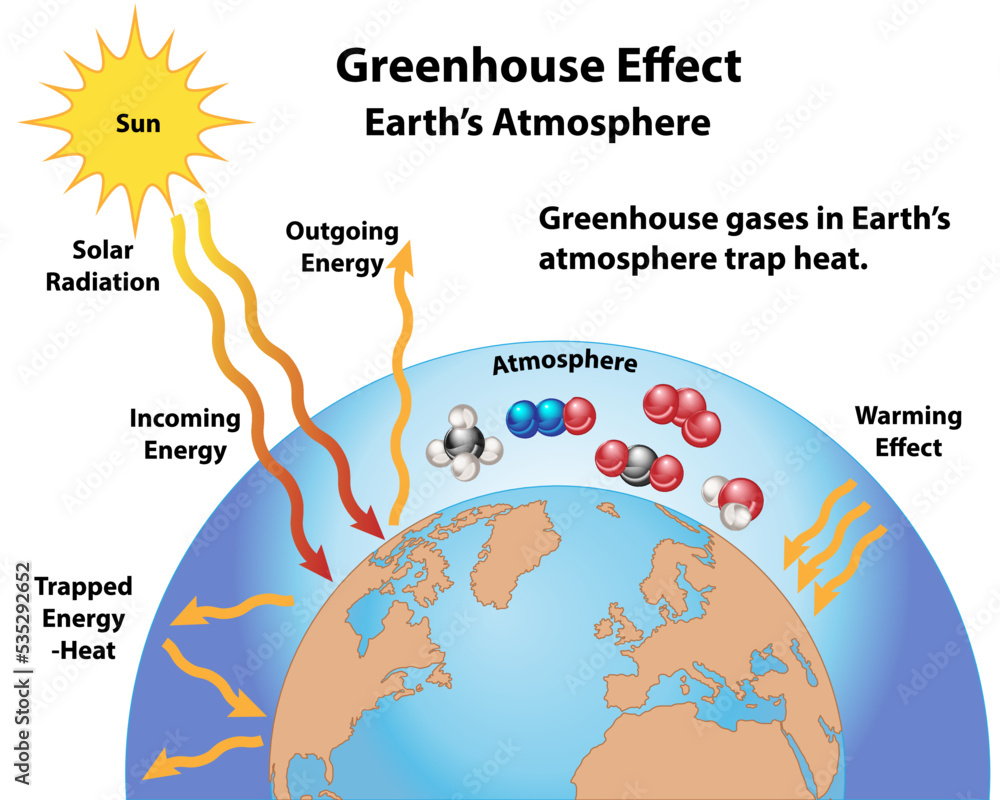
The greenhouse effect refers to the warming of Earth’s surface and lower atmosphere caused by the presence of greenhouse gases. These gases allow sunlight to enter the atmosphere freely but absorb and re-radiate infrared radiation (heat) that would otherwise escape into space. The process is named for its similarity to the way a glass greenhouse traps warm air, though the physical mechanism is different. In a greenhouse, glass prevents warm air from rising and escaping; in the atmosphere, greenhouse gases absorb and re-emit heat energy, slowing its loss to space.
Why the Greenhouse Effect Matters
The natural greenhouse effect is essential for life on Earth. It maintains the planet’s average temperature at a level that allows liquid water to exist and ecosystems to thrive. However, human activities have intensified this effect by adding extra greenhouse gases to the atmosphere, leading to global warming and climate change. Understanding the greenhouse effect is critical because it underpins the science of climate change and informs policies aimed at reducing emissions and adapting to a changing climate.
How the Greenhouse Effect Works — Mechanism
The greenhouse effect operates through a series of physical steps:
- Solar radiation enters the atmosphere: The sun emits energy, mostly in the form of visible and ultraviolet light. About 30% of this incoming solar radiation is reflected back to space by clouds, atmospheric particles, and bright surfaces like ice. The remaining 70% is absorbed by the Earth’s surface and atmosphere, warming them.
- Earth re-emits infrared radiation: The warmed surface and atmosphere emit energy back toward space as infrared radiation (heat).
- Greenhouse gases absorb and re-radiate heat: Molecules of greenhouse gases—such as carbon dioxide (CO₂), methane (CH₄), water vapor (H₂O), and nitrous oxide (N₂O)—absorb some of this outgoing infrared radiation. After absorbing it, they re-emit the energy in all directions, including back toward the Earth’s surface. This process traps heat in the lower atmosphere, raising the planet’s temperature.
- Equilibrium is established: The natural greenhouse effect creates a stable energy balance: the amount of incoming solar energy equals the amount of outgoing energy, but the surface and lower atmosphere are warmer than they would be without greenhouse gases.
When the concentration of greenhouse gases increases, this balance shifts, causing more heat to be retained and global temperatures to rise—a phenomenon known as the enhanced greenhouse effect.
Causes and Contributing Factors
The natural greenhouse effect is driven by gases that have been present in the atmosphere for millions of years. The enhanced greenhouse effect, however, is primarily caused by human activities that increase the concentration of these gases. Key contributing factors include:
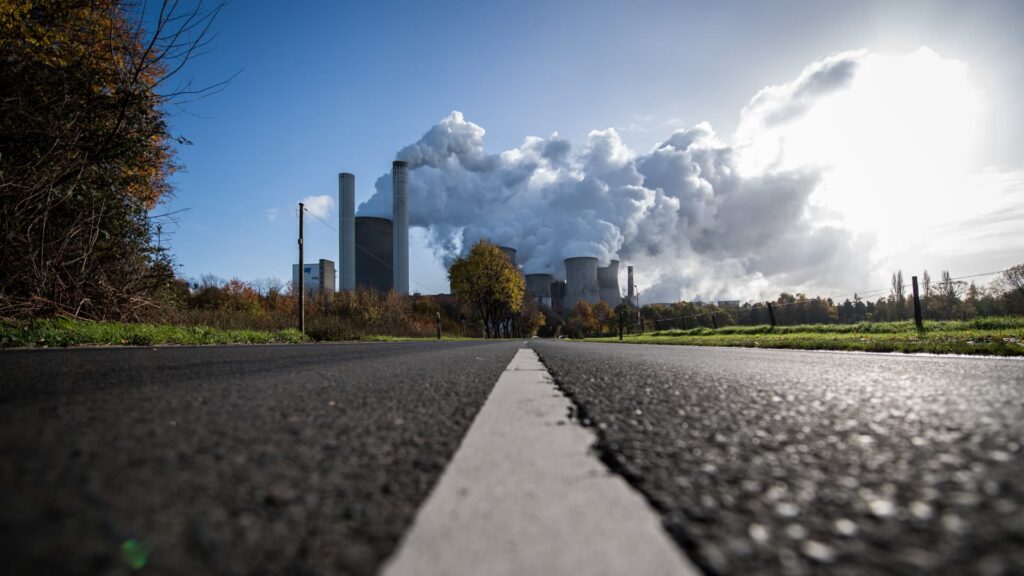
- Burning of fossil fuels: Coal, oil, and natural gas combustion for electricity, transportation, and industry releases large amounts of CO₂ and other pollutants.
- Deforestation: Forests act as carbon sinks, absorbing CO₂. Clearing land for agriculture or urban development reduces this capacity and often releases stored carbon.
- Agricultural practices: Livestock produce methane, and the use of nitrogen-based fertilizers releases nitrous oxide. Rice cultivation and manure management also contribute to methane emissions.
- Industrial processes: Cement production, chemical manufacturing, and refrigeration emit various greenhouse gases, including CO₂ and fluorinated gases.
- Waste management: Landfills generate methane as organic waste decomposes anaerobically.
Effects and Impacts
The intensification of the greenhouse effect has wide-ranging consequences for the planet:
- Rising global temperatures: Average surface temperatures have increased by about 1.1°C since the late 19th century, with most warming occurring in the past 40 years. [Human verification required: numeric claim — verify source and date]
- Melting ice and glaciers: Arctic sea ice extent has declined by roughly 13% per decade since 1979, and glaciers worldwide are retreating. [Human verification required: numeric claim — verify source and date]
- Sea level rise: Thermal expansion of seawater and melting land ice have caused global mean sea level to rise by about 20 cm since 1900, with the rate accelerating in recent decades. [Human verification required: numeric claim — verify source and date]
- Extreme weather events: A warmer atmosphere holds more moisture, leading to more intense rainfall, storms, and heatwaves. Droughts and wildfires are also becoming more frequent and severe in many regions.
- Ecosystem disruption: Many plant and animal species are shifting their ranges or facing extinction due to changing temperature and precipitation patterns. Coral reefs, for example, are experiencing widespread bleaching from ocean warming.
- Ocean acidification: The oceans absorb about 25% of emitted CO₂, which reacts with seawater to form carbonic acid, lowering pH and harming marine life with calcium carbonate shells. [Human verification required: numeric claim — verify source and date]
Current Data and Trends
Atmospheric CO₂ concentrations have risen from pre-industrial levels of about 280 parts per million (ppm) to over 420 ppm in 2023. [Human verification required: numeric claim — verify source and date] Methane levels have more than doubled over the same period. The decade 2011–2020 was the warmest on record, and each of the past four decades has been successively warmer than any preceding decade since 1850. [Human verification required: numeric claim — verify source and date] Global greenhouse gas emissions continue to increase, though the rate of growth has slowed slightly in some sectors due to efficiency improvements and renewable energy adoption.
What Is the Greenhouse Effect and How Does It Work? vs. Enhanced Greenhouse Effect
The natural greenhouse effect and the enhanced greenhouse effect share the same physical mechanism but differ in their drivers and scale. The natural effect is a balanced process that has maintained Earth’s climate for millennia, relying on greenhouse gases from sources like volcanic activity, respiration, and natural wetlands. The enhanced greenhouse effect is the additional warming caused by human activities that have sharply increased the concentration of these gases, particularly CO₂, methane, and nitrous oxide, since the Industrial Revolution. While the natural effect is vital for life, the enhanced effect is disrupting climate systems and causing rapid global warming. The key distinction lies in the rate and magnitude of change: natural fluctuations occur over thousands of years, whereas human-induced changes are unfolding over mere decades.
What Can Be Done — Solutions and Mitigation
Addressing the enhanced greenhouse effect requires both reducing emissions and removing existing greenhouse gases from the atmosphere. Actionable steps include:
- Transition to renewable energy: Solar, wind, hydro, and geothermal power produce electricity without emitting CO₂. Accelerating the shift from fossil fuels to renewables is critical.
- Improve energy efficiency: Upgrading buildings, vehicles, and industrial processes to use less energy reduces overall emissions.
- Reforestation and afforestation: Planting trees and restoring forests enhance natural carbon sinks.
- Adopt sustainable agriculture: Practices such as no-till farming, cover cropping, and improved livestock management can lower methane and nitrous oxide emissions.
- Carbon capture and storage (CCS): Technologies that capture CO₂ from power plants or directly from the air and store it underground are being developed and deployed.
- Policy and individual action: Government regulations, carbon pricing, and international agreements like the Paris Agreement aim to limit warming. Individuals can contribute by reducing energy use, choosing public transport, and supporting climate-friendly policies.
Frequently Asked Questions
What is the greenhouse effect in simple terms?
The greenhouse effect is a natural process where gases in Earth’s atmosphere trap heat from the sun, keeping the planet warm enough for life. Without it, Earth would be too cold for most organisms to survive.
How does the greenhouse effect work step by step?
First, sunlight passes through the atmosphere and warms Earth’s surface. Second, the surface emits heat (infrared radiation) back toward space. Third, greenhouse gases absorb some of this heat and re-radiate it in all directions, including back to the surface, which warms the lower atmosphere.
What are the main greenhouse gases?
The primary greenhouse gases are water vapor (H₂O), carbon dioxide (CO₂), methane (CH₄), nitrous oxide (N₂O), and fluorinated gases. Water vapor is the most abundant, but CO₂ is the most significant driver of long-term climate change due to its persistence and human-caused emissions.
Is the greenhouse effect good or bad?
The natural greenhouse effect is essential and beneficial—it makes Earth habitable. However, the enhanced greenhouse effect caused by human activities is harmful because it leads to rapid global warming, climate disruption, and negative environmental impacts.
What is the difference between the greenhouse effect and global warming?
The greenhouse effect is the natural process that warms Earth. Global warming refers to the long-term increase in Earth’s average surface temperature due to the enhanced greenhouse effect from human activities. Global warming is a result of an intensified greenhouse effect.
How do humans contribute to the greenhouse effect?
Humans contribute by burning fossil fuels, deforestation, agriculture, industrial processes, and waste management, all of which release additional greenhouse gases into the atmosphere, strengthening the natural greenhouse effect and causing more heat to be trapped.
Related Articles
- Understanding Climate Change: A Beginner’s Guide
- The Carbon Cycle Explained
- How Renewable Energy Reduces Emissions
- What Is the Enhanced Greenhouse Effect?
- Earth’s Atmosphere: Layers and Functions
Sources
- [Source: Intergovernmental Panel on Climate Change (IPCC), Sixth Assessment Report, 2021]
- [Source: National Aeronautics and Space Administration (NASA), Global Climate Change, 2023]
- [Source: National Oceanic and Atmospheric Administration (NOAA), Climate.gov, 2023]
- [Source: World Meteorological Organization (WMO), Greenhouse Gas Bulletin, 2022]
- [Source: United Nations Environment Programme (UNEP), Emissions Gap Report, 2022]






Leave a Comment