
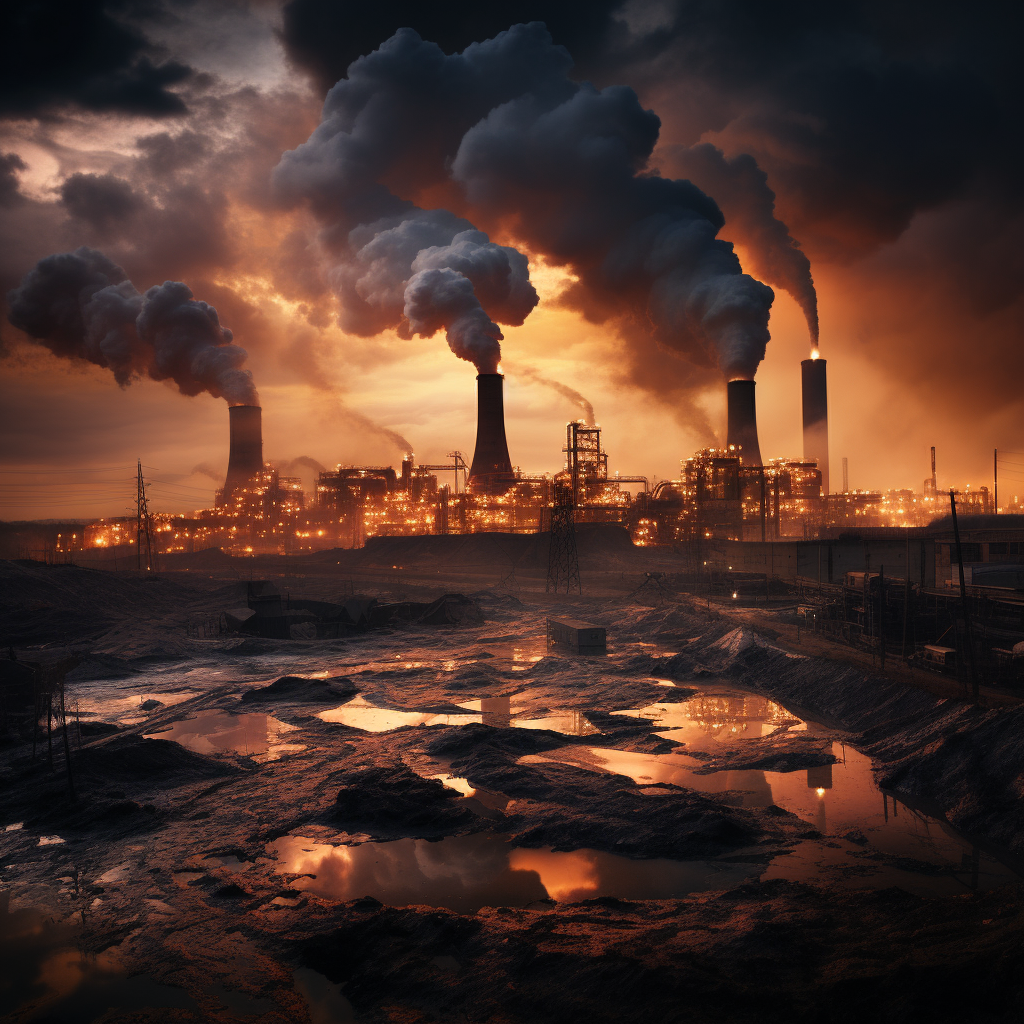
When fossil fuels burn, the released heat is first captured for power or warmth, then dissipates into the atmosphere, oceans, and land, influencing climate, weather patterns, and local environments.
Quick Answer
Combustion of coal, oil, or natural gas converts chemical energy into thermal energy; some of that heat is harnessed in power plants, industrial processes, or home heating, while the remainder spreads outward as warm air, water vapor, and infrared radiation. The dispersed heat contributes to atmospheric warming, ocean heat uptake, and localized temperature increases such as urban heat islands. Because greenhouse gases from the same reaction trap infrared radiation, the net effect is a long‑term rise in global mean temperature, though the exact pathway of heat loss varies by region and time scale.
Key Takeaways
- Combustion releases heat that can be captured (e.g., electricity generation) or lost to the environment.
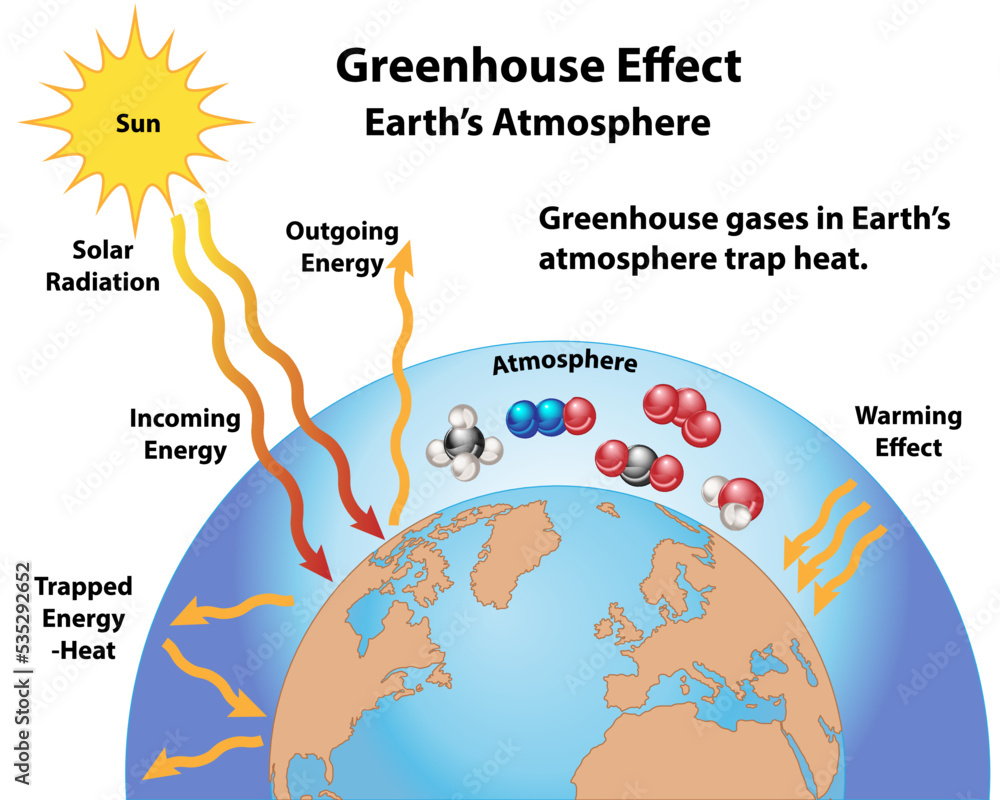
- Uncaptured heat rises, mixes, and eventually radiates to space, but greenhouse gases slow that loss.
- Heat added to the atmosphere and oceans drives climate change, extreme weather, and sea‑level rise.
- Local heat buildup creates urban heat islands and can worsen air‑quality problems.
- Energy‑recovery technologies (CHP, waste‑heat capture) can reduce the amount of waste heat released.
What Is Where the Heat Goes When Fossil Fuels Are Burned?
The phrase describes the physical journey of thermal energy that originates from the exothermic reaction of hydrocarbons with oxygen. It encompasses three broad domains: (1) the useful heat captured for electricity, mechanical work, or space heating; (2) the residual heat that spreads into the surrounding air, water bodies, and soil; and (3) the longer‑term storage of that heat in the climate system, primarily the atmosphere and oceans. Understanding this pathway is essential because the residual heat, together with emitted greenhouse gases, determines how fossil‑fuel use alters Earth’s energy balance.
How Does It Work?
Heat generation and dispersion follow a sequence of physical and chemical steps.
- Combustion chemistry: Hydrocarbon molecules (CₙHₘ) react with O₂, producing CO₂, H₂O, and releasing energy as heat (≈ 30 MJ kg⁻¹ for coal, 42 MJ kg⁻¹ for oil, 55 MJ kg⁻¹ for natural gas). This reaction is exothermic, meaning the products have lower chemical potential than the reactants.
- Heat capture: In a power plant, the hot flue gases boil water, creating high‑pressure steam that spins turbines. In residential furnaces, hot combustion gases transfer heat to air or water that circulates through buildings.
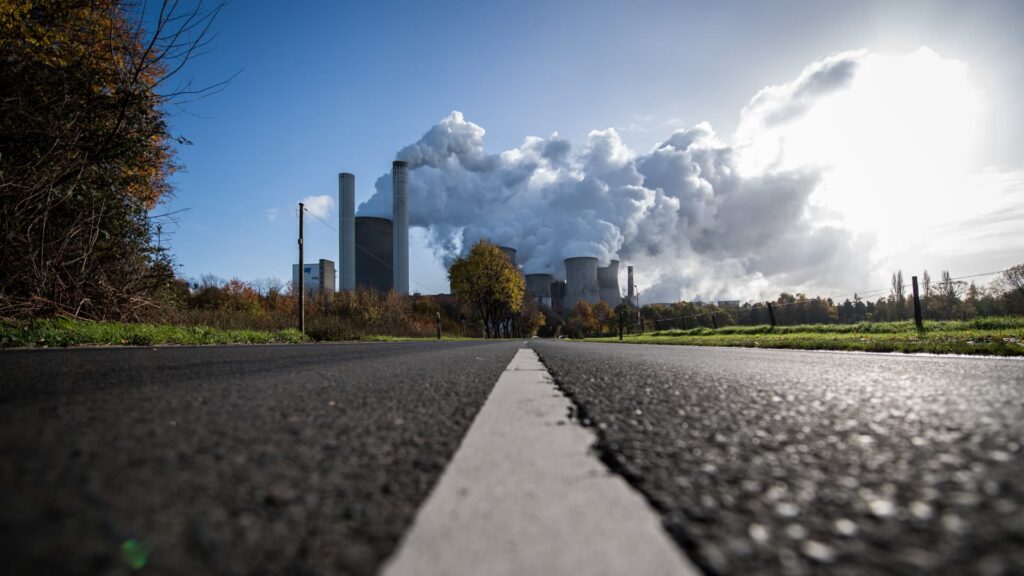
- Heat loss at the source: No system is perfectly insulated. Some heat exits through stack gases, exhaust vents, and equipment surfaces, entering the immediate environment as warm air or infrared radiation.
- Atmospheric mixing: Warm air is buoyant; it rises, cools, and spreads laterally, forming convection currents. This process distributes heat vertically and horizontally, influencing local wind patterns.
- Ocean uptake: A fraction of the atmospheric heat is transferred to the ocean surface via sensible and latent heat fluxes. The ocean stores > 90 % of excess planetary heat because water has a high heat capacity.
- Radiative emission to space: Earth emits infrared radiation to balance incoming solar energy. Greenhouse gases (CO₂, CH₄, N₂O) absorb and re‑emit part of this radiation, slowing the net loss of heat and causing a net warming effect.
What Does the Evidence Show?
Multiple lines of evidence confirm the heat pathway described above. Long‑term surface‑temperature records from NOAA and the Met Office show a global mean increase of ~0.18 °C per decade since 1970, consistent with the energy‑budget calculations in the Intergovernmental Panel on Climate Change (IPCC) Fifth Assessment Report (AR5, 2014). Satellite measurements of outgoing longwave radiation demonstrate a measurable reduction in radiative cooling in regions with high CO₂ concentrations, confirming the greenhouse‑gas trapping effect. Ocean heat content, tracked by Argo floats, has risen by ~0.35 W m⁻² (equivalent to ~0.6 × 10¹⁸ J per year) since the early 2000s, indicating that most excess heat is stored in the ocean. Urban heat‑island studies (e.g., Oke, 1982; EPA, 2021) show temperature differentials of 1–3 °C between city centers and surrounding rural areas, directly linking localized waste heat to altered microclimates.
Main Causes or Drivers
Direct Causes
- Combustion of fossil fuels for electricity, transport, industry, and heating.
- Incomplete capture of thermal energy in existing power‑generation and industrial processes.
Underlying Drivers
- Global demand for reliable, high‑density energy.
- Policy and market structures that favor cheap, carbon‑intensive fuels.
- Urbanization that concentrates energy use and limits heat dispersion.
Environmental and Human Impacts
Environmental Impacts
- Climate change: Accumulated heat raises average surface temperatures, intensifies extreme weather, and contributes to sea‑level rise (IPCC AR6, 2021).
- Ocean warming: Alters marine ecosystems, promoting coral bleaching and shifting species distributions.
- Urban heat islands: Increase daytime temperatures, elevate energy demand for cooling, and exacerbate smog formation.
Human Health and Social Impacts
- Higher temperatures raise the risk of heat‑related illnesses, especially for the elderly and outdoor workers.
- Heat‑enhanced ozone formation worsens respiratory conditions.
- Increased cooling demand can strain electricity grids, leading to blackouts in vulnerable communities.
Economic and Infrastructure Impacts
- Higher cooling loads raise operational costs for commercial buildings.
- Thermal stress accelerates infrastructure degradation, such as pavement softening and rail buckling.
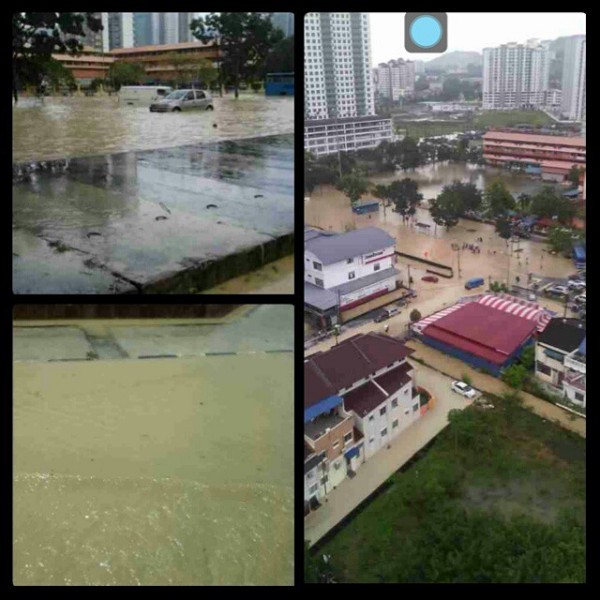
- Climate‑related damages (e.g., flood from sea‑level rise) impose long‑term economic burdens.
Regional Differences
Heat dispersion varies with geography and development patterns. In temperate regions like Europe, extensive district‑heating networks capture a larger share of waste heat, reducing ambient temperature spikes. In rapidly urbanizing megacities of South Asia, limited heat‑recovery infrastructure and high population density amplify urban‑heat‑island effects, sometimes adding 2–4 °C to nighttime lows. Arctic communities experience indirect warming through ocean heat transport, even though local fossil‑fuel combustion is minimal. These examples illustrate that the same combustion process can have divergent local outcomes depending on infrastructure, climate, and land‑use context.
What Scientists Know With High Confidence
- Combustion of fossil fuels releases heat and greenhouse gases in a well‑understood chemical reaction.
- The majority (> 90 %) of excess planetary heat is stored in the world’s oceans.
- Urban heat islands are a measurable, repeatable phenomenon driven largely by waste heat and altered surface properties.
- Reducing waste‑heat release through combined heat‑and‑power (CHP) can improve overall energy efficiency by 10–30 %.
What Remains Uncertain
Key uncertainties include the precise rate at which deep‑ocean layers will equilibrate with surface warming, the long‑term feedbacks between aerosol reductions and heat retention, and the regional magnitude of future urban‑heat‑island intensification under different climate‑mitigation scenarios. Improving global ocean‑monitoring networks and high‑resolution climate modeling will reduce these gaps.
Common Misconceptions
Misconception: All heat from fossil‑fuel combustion is immediately captured as electricity.
Reality: Only a fraction (≈ 30–40 % for conventional coal plants) is converted to electricity; the rest is lost as low‑grade heat to the environment.
Misconception: Heat from burning fuels quickly disappears into space.
Reality: Greenhouse gases trap infrared radiation, slowing the rate at which the planet sheds excess heat, leading to a net accumulation.
Misconception: Urban heat islands are caused solely by concrete and asphalt.
Reality: While surface albedo matters, waste heat from buildings, vehicles, and industrial processes is a major contributor, especially at night.
Solutions and Limitations
Effective responses address both the source of heat and the greenhouse‑gas emissions that retain it.
- Energy efficiency and waste‑heat recovery: CHP and industrial heat exchangers can capture 10–30 % of otherwise lost heat, but retrofitting older plants can be costly and technically challenging.
- Transition to low‑carbon energy: Replacing coal with renewables eliminates the combustion heat source; however, intermittent generation requires storage solutions and grid upgrades.
- Urban design: Increasing vegetation, reflective roofing, and shading reduces local temperature spikes, yet requires coordinated planning and funding.
- Carbon pricing: Internalizes the climate cost of emissions, encouraging investment in low‑heat‑loss technologies; effectiveness depends on policy design and enforcement.
What Individuals, Communities, and Governments Can Do
What Individuals Can Do
- Upgrade home insulation to reduce heating demand and associated waste heat.
- Choose high‑efficiency appliances and consider electric heat pumps where electricity is decarbonized.
- Support local policies that promote district heating and waste‑heat reuse.
What Communities and Organizations Can Do
- Implement green‑roof and tree‑planting programs to mitigate urban heat islands.
- Adopt building codes that require heat‑recovery systems for large commercial facilities.
- Conduct energy audits to identify and capture waste heat in manufacturing.
What Governments Can Do
- Set stringent efficiency standards for power plants and industrial boilers.
- Provide incentives for CHP, district heating, and renewable‑energy integration.
- Develop urban‑planning guidelines that limit heat‑intensive land uses and promote cool‑pavement materials.
- Implement carbon‑pricing mechanisms that reflect the climate cost of retained heat.
Putting It All Together
The heat generated by burning fossil fuels follows a clear physical pathway: useful capture, local dispersion, and eventual storage in the atmosphere and oceans. Scientific evidence shows that most of the excess heat remains trapped by greenhouse gases, driving long‑term warming and a suite of environmental impacts. While uncertainties persist about deep‑ocean heat uptake and regional future heat‑island intensity, the high‑confidence findings provide a solid basis for action. Solutions that improve energy efficiency, recover waste heat, and transition to low‑carbon energy sources can meaningfully reduce both the heat released and the greenhouse gases that prevent its loss. Collective effort—across individuals, communities, industry, and government—is required to reshape the heat balance and protect climate stability.
Frequently Asked Questions
What is the primary form of energy released when fossil fuels are burned?
The primary form of energy released is thermal energy, or heat, which originates from the exothermic chemical reaction between hydrocarbons and oxygen.
How does waste heat from power plants affect the atmosphere?
Waste heat rises as warm air, mixes with the surrounding atmosphere, and contributes to local temperature increases; greenhouse gases then trap some of this heat, slowing its escape to space.
Why do oceans store most of the excess heat from fossil‑fuel combustion?
Water has a high heat capacity, so when the atmosphere transfers heat to the ocean surface, the oceans absorb and retain more than 90 % of the planet’s excess heat, acting as a long‑term heat reservoir.
What are urban heat islands and how are they linked to fossil‑fuel heat release?
Urban heat islands are localized areas where city temperatures are higher than surrounding rural zones, driven by waste heat from buildings, vehicles, and industry, as well as reduced surface reflectivity.
What practical steps can governments take to reduce waste heat from fossil‑fuel use?
Governments can set efficiency standards for plants, subsidize combined heat‑and‑power systems, promote district heating, and implement carbon‑pricing policies that encourage low‑heat‑loss technologies.






Leave a Comment