
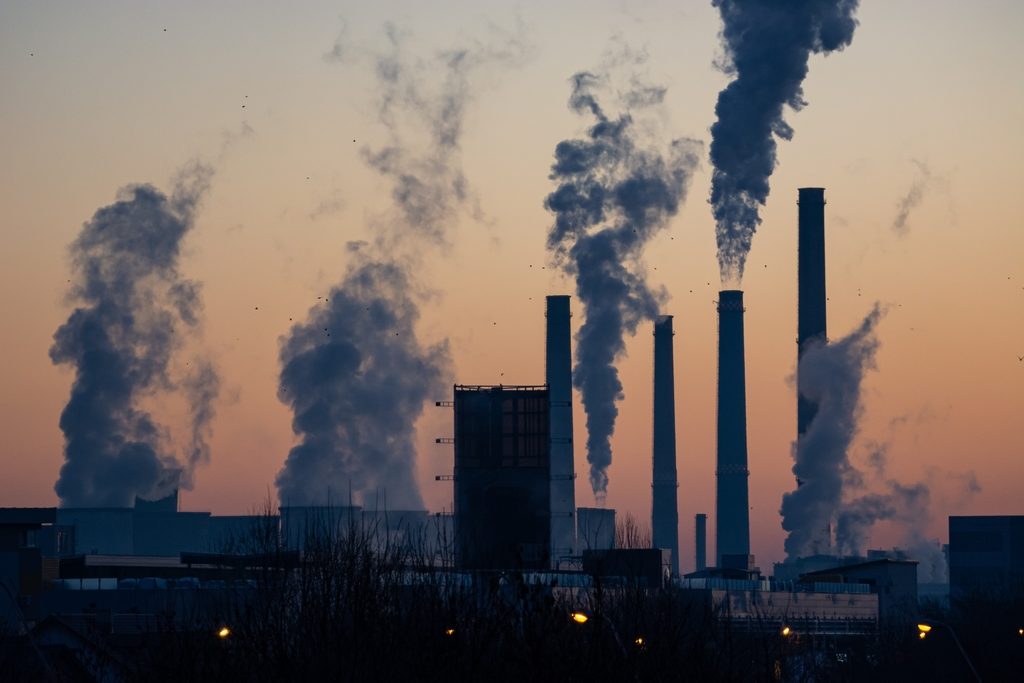
A carbon tax assigns a monetary cost to CO₂ emissions, turning climate damage into a market price and creating a shared global framework for measurable emissions cuts.
Quick Answer
A carbon tax is a fee levied on the carbon content of fossil fuels or on the amount of CO₂ emitted, designed to internalise the climate damage that markets normally ignore. By raising the cost of carbon‑intensive activities, it nudges producers and consumers toward cleaner energy, greater efficiency, and low‑carbon technologies. The Intergovernmental Panel on Climate Change (IPCC) AR6 (2022) identifies carbon pricing as a highly effective lever for limiting warming to well below 2 °C, although the exact reduction depends on tax level, coverage, and complementary policies. Revenue can be recycled to protect vulnerable households or fund climate solutions, but optimal rates and distributional effects remain active research topics.
Key Takeaways
- Carbon taxes translate the abstract notion of shared global responsibility into a concrete price signal that encourages emissions cuts.
- Empirical studies show a 5–15 % emissions reduction for each $10 per tonne increase in tax level, when low‑carbon alternatives are available.
- Revenue recycling can offset regressive impacts and finance renewable‑energy projects, public transit, or tax reductions.
- International coordination, such as border carbon adjustments, helps prevent carbon leakage and amplifies the global impact.
- Design choices—including rate, scope, and use of proceeds—determine both effectiveness and public acceptability.
What Is Carbon Tax as a Shared Global Responsibility for Emissions Reduction?
A carbon tax charges a set amount per tonne of CO₂ (or per unit of carbon‑rich fuel) released into the atmosphere. The tax may be applied at the point of production—such as on coal, oil, or natural gas—or directly on emissions reported by large industrial facilities. Its primary purpose is to internalise the external costs of climate change—rising sea levels, extreme weather, health impacts—so that market participants factor those costs into their decisions.
The phrase “shared global responsibility” recognises that greenhouse‑gas emissions are a global commons; a tonne emitted in any country contributes to worldwide temperature rise. Consequently, a carbon tax is framed not only as a domestic fiscal tool but also as a component of an international effort to distribute mitigation burdens equitably.
Carbon taxes differ from cap‑and‑trade systems, which set a hard limit on total emissions and allow trading of permits. While both price carbon, a tax provides price certainty (the cost per tonne) whereas a cap‑and‑trade scheme offers emissions‑quantity certainty. Some jurisdictions combine the two approaches in hybrid designs.
How Does It Work?
Step‑by‑Step Process
- Measurement: Governments establish a reliable system to measure the carbon content of fuels or direct emissions from facilities, often using the Greenhouse Gas Protocol.
- Pricing: A tax rate—e.g., $50 per tonne CO₂—is set based on economic modelling of the social cost of carbon and policy objectives.
- Collection: The tax is collected from fuel producers, importers, or emitters at the point of sale or when emissions reports are filed.
- Signal Transmission: Higher fuel prices encourage consumers and businesses to switch to lower‑carbon alternatives, invest in efficiency, or adopt renewable technologies.
- Revenue Use: Collected funds can be (a) rebated to households, (b) invested in clean‑energy infrastructure, or (c) used to reduce other distortionary taxes.
Feedback Loops
As emissions fall, the tax base shrinks, potentially reducing revenue. Many designs include a “price escalator” that raises the tax rate on a predictable schedule, preserving climate ambition while allowing the economy to adjust.
What Does the Evidence Show?
Systematic reviews and country‑level evaluations consistently find that carbon taxes reduce fuel consumption and CO₂ emissions. A 2020 review in Environmental Research Letters reported an average emissions reduction of 5–15 % for each $10 per tonne increase in tax level, with stronger effects where low‑carbon substitutes are readily available.
Sweden introduced a carbon tax in 1991 that now exceeds $120 per tonne. Since then, per‑capita emissions have fallen about 25 % while GDP grew, demonstrating decoupling of emissions from economic growth (Swedish Environmental Protection Agency, 2022).
The International Monetary Fund (2021) estimated that a global carbon price of $75 per tonne could cut emissions by roughly 15 % by 2030, assuming broad coverage and modest leakage.
Revenue recycling improves equity. British Columbia’s revenue‑neutral carbon tax, launched in 2008, provided larger rebates to low‑income households than the extra costs they faced, yielding a net‑neutral or slightly positive welfare effect (Murray & Rivers, 2015).
Main Causes or Drivers
Direct Causes
The immediate driver of carbon‑tax policy adoption is the need to curb anthropogenic CO₂ emissions from fossil‑fuel combustion, which the IPCC attributes to roughly 78 % of total greenhouse‑gas emissions (AR6, 2022).
Underlying Drivers
- Economic Externalities: Climate damages are not priced in market transactions, creating a classic market failure.
- Political Will: Public demand for climate action and commitments under the Paris Agreement motivate governments to adopt pricing mechanisms.
- Technological Availability: The existence of viable low‑carbon alternatives (wind, solar, electric vehicles) allows price signals to translate into real behavioural change.
Environmental and Human Impacts
Environmental Impacts
By reducing fossil‑fuel consumption, carbon taxes directly lower atmospheric CO₂ concentrations, slowing ocean acidification and limiting temperature rise. They also cut co‑pollutants such as sulphur dioxide and nitrogen oxides, improving air quality and benefiting ecosystems.
Human Health and Social Impacts
Cleaner air reduces respiratory illnesses. The World Health Organization (2021) links a 10 % reduction in coal use to an estimated 2 % decrease in premature mortality from air‑pollution‑related diseases. Revenue used for public‑health programs can further amplify these benefits.
Economic and Infrastructure Impacts
Carbon‑tax revenues can fund public transit, energy‑efficiency retrofits, and climate‑resilient infrastructure, creating jobs in emerging green sectors. Without careful design, higher energy costs may strain low‑income households, underscoring the importance of equitable revenue recycling.
Regional Differences
Implementation and outcomes vary across regions. European nations typically adopt higher tax rates and broader coverage, leading to noticeable shifts toward renewables. In contrast, many developing economies face fiscal constraints, heavy reliance on coal, and concerns about energy poverty. Tailored designs—such as lower initial rates with rapid escalators and targeted rebates—can address these challenges while still contributing to global mitigation goals.
What Scientists Know With High Confidence
What Scientists Know With High Confidence
- Human activities, especially fossil‑fuel combustion, are the dominant driver of recent global warming (IPCC AR6, 2022).
- Putting a price on carbon reliably reduces emissions; the magnitude scales with the tax level.
- Revenue recycling can mitigate regressive impacts and fund low‑carbon investments.
- International coordination reduces the risk of carbon leakage, where emissions shift to jurisdictions with weaker policies.
What Remains Uncertain
What Remains Uncertain
The optimal tax rate needed to achieve net‑zero pathways varies across economies and depends on the availability of low‑carbon alternatives. Political feasibility of universal adoption remains uncertain, particularly in regions with strong fossil‑fuel lobbies or limited fiscal capacity. Interactions between carbon taxes and other policies—such as subsidies, regulations, or direct public‑investment—can produce complex outcomes that are still being modelled.
Common Misconceptions
Common Misconceptions
Misconception: A carbon tax will make energy unaffordable for everyone.
Reality: While carbon taxes raise energy prices, revenue can be returned to households—especially low‑income ones—through rebates or dividends, offsetting the cost. Evidence from British Columbia and Sweden shows net‑neutral or even positive welfare effects when revenue recycling is employed.
Misconception: Carbon taxes are the only tool needed to stop climate change.
Reality: Carbon pricing is a critical component but works best alongside regulations, standards, direct public‑investment in clean technology, and adaptation measures. No single policy can address all emission sources.
Misconception: Only wealthy nations should pay carbon taxes.
Reality: The principle of common but differentiated responsibilities suggests that all nations contribute, but tax rates and revenue‑use mechanisms can be calibrated to each country’s development level and historical emissions.
Solutions and Limitations
Carbon taxes address mitigation by creating economic incentives. Limitations include potential competitiveness concerns for carbon‑intensive industries, the need for robust measurement systems, and political resistance. Complementary measures—such as border carbon adjustments, sector‑specific subsidies for clean technologies, and strong regulatory standards—help overcome these challenges.
What Individuals, Communities, and Governments Can Do
What Individuals Can Do
- Choose lower‑carbon transportation options (public transit, cycling, electric vehicles).
- Improve home energy efficiency through insulation, efficient appliances, and smart thermostats.
- Support renewable‑energy plans offered by utilities or community cooperatives.
- Engage in local advocacy for transparent carbon‑tax design and equitable revenue use.
What Communities and Organizations Can Do
- Develop community energy projects financed by carbon‑tax revenues, such as solar farms or district‑heating networks.
- Partner with municipalities to create rebate programs that protect vulnerable households.
- Educate residents about the link between carbon pricing and local air‑quality improvements.
What Governments Can Do
- Set a clear, gradually increasing carbon‑tax rate with a transparent schedule.
- Design revenue‑recycling mechanisms that protect low‑income households and fund clean‑energy infrastructure.
- Coordinate internationally through mechanisms like WTO‑endorsed border carbon adjustments to prevent leakage.
- Invest part of the revenue in research, development, and deployment of low‑carbon technologies.
Closing Synthesis
A carbon tax translates the abstract idea of shared global responsibility into a concrete market signal that encourages emissions cuts, funds climate solutions, and aligns economic activity with the planet’s ecological limits. High‑confidence scientific evidence confirms its effectiveness, while uncertainties remain around optimal rates and equitable implementation. By pairing well‑designed carbon pricing with complementary policies and international cooperation, societies can move toward the emissions reductions needed to safeguard ecosystems and human well‑being for future generations.
Frequently Asked Questions
What is a carbon tax and how does it differ from a cap‑and‑trade system?
A carbon tax is a fee on the carbon content of fuels or on emitted CO₂, providing price certainty. Cap‑and‑trade sets a hard limit on total emissions and allows trading of permits, offering emissions‑quantity certainty.
How does a carbon tax encourage emissions reductions?
By raising the cost of carbon‑intensive activities, a carbon tax creates a financial incentive for producers and consumers to switch to lower‑carbon fuels, improve efficiency, and adopt renewable technologies.
What evidence shows that carbon taxes reduce emissions?
A 2020 systematic review found a 5–15 % emissions decline for each $10 per tonne increase in tax level, and Sweden’s $120 per tonne tax has cut per‑capita emissions by about 25 % while its economy grew.
Can a carbon tax be designed to protect low‑income households?
Yes. Revenue recycling—such as direct rebates or dividend payments—can offset higher energy costs for low‑income families, as demonstrated in British Columbia’s revenue‑neutral carbon tax.
What are the main challenges to implementing a global carbon tax?
Key challenges include setting an optimal tax rate, avoiding competitiveness losses for carbon‑intensive industries, ensuring accurate emissions measurement, and achieving political consensus across diverse economies.







Leave a Comment