The Global Carbon Budget quantifies the total amount of carbon dioxide that can be emitted while still giving humanity a chance to limit warming to 1.5 °C, making it a cornerstone for climate‑change mitigation and policy.
\n\n
Quick Answer
\n
The Global Carbon Budget is a scientifically derived ceiling for cumulative CO₂ emissions that aligns with specific temperature goals, such as staying below a 1.5 °C rise above pre‑industrial levels. It is calculated from Earth‑system observations, carbon‑cycle models and the IPCC’s assessment of climate sensitivity. Exceeding the budget raises the probability of severe heatwaves, sea‑level rise and ecosystem loss, while staying within it guides societies toward net‑zero pathways. Uncertainty remains in carbon‑cycle feedbacks, but the overall conclusion—that a finite emissions limit is required—is robust.
\n
\n\n
Key Takeaways
\n
- \n
- The budget represents a finite amount of CO₂ that can be released while still meeting the 1.5 °C target.
- It is derived from multiple lines of evidence, including atmospheric measurements and climate‑model simulations.
- Remaining carbon space is shrinking rapidly; at current emission rates the 1.5 °C budget would be exhausted within a few decades.
- Staying within the budget demands deep decarbonisation across energy, industry, transport and land use.
- Equity considerations mean high‑emitting nations must reduce emissions faster while supporting low‑income countries.
\n
\n
\n
\n
\n
\n
\n\n
What Is The Global Carbon Budget and Why It Matters for Climate Change?
\n
The Global Carbon Budget (GCB) defines the total amount of carbon dioxide that can be emitted to the atmosphere while limiting global warming to a chosen threshold, most commonly 1.5 °C or 2 °C above pre‑industrial levels. It is expressed in gigatonnes of carbon (GtC) or carbon dioxide (GtCO₂) and is updated annually by the Global Carbon Project using the latest observational data and the Intergovernmental Panel on Climate Change (IPCC) assessment reports. Unlike a simple annual emissions target, the GCB integrates past emissions, current atmospheric concentrations and the remaining “carbon space” for future emissions. It matters because it translates abstract temperature goals into a concrete, quantifiable limit that can guide policy, investment and individual choices.
\n\n
How Does It Work?
\n
1. Define the Temperature Goal
\n
Scientists use the IPCC’s climate‑sensitivity estimates to calculate how much warming results from a given amount of CO₂. For a 1.5 °C goal, the IPCC’s Special Report on 1.5 °C (SR15, 2018) identified a remaining carbon budget of roughly 420 GtCO₂ for the period 2020‑2100, assuming no overshoot.
\n
2. Account for Non‑CO₂ Greenhouse Gases
\n
Other gases such as methane (CH₄) and nitrous oxide (N₂O) have warming effects. Their contributions are expressed as CO₂‑equivalents and subtracted from the total budget, leaving a smaller CO₂‑only allowance.
\n
3. Subtract Past Emissions
\n
Since the industrial revolution, humanity has already emitted about 2,300 GtCO₂. This historical “stock” reduces the remaining budget.
\n
4. Include Carbon Sinks
\n
Natural sinks—forests, soils and oceans—absorb roughly half of annual CO₂ emissions. The budget assumes current sink capacity; any weakening of these sinks (e.g., due to deforestation) shrinks the allowance.
\n
5. Allocate the Remaining Budget
\n
Countries and sectors can distribute the remaining GtCO₂ through nationally determined contributions (NDCs) under the Paris Agreement or through sectoral pathways such as renewable‑energy roll‑outs.
\n\n
What Does the Evidence Show?
\n
Long‑term atmospheric CO₂ records from Mauna Loa (NOAA) show a steady increase from 315 ppm in 1958 to over 420 ppm in 2023, confirming that the Earth’s carbon budget is being depleted. The IPCC’s Sixth Assessment Report (2021) synthesises observations, carbon‑cycle models and paleoclimate reconstructions, concluding with high confidence that exceeding the 1.5 °C budget would trigger irreversible impacts such as widespread coral bleaching and permafrost carbon release. Systematic reviews of mitigation pathways (e.g., the International Energy Agency, 2022) consistently find that limiting warming to 1.5 °C requires net‑zero CO₂ emissions by around 2050, aligning with the remaining budget calculations.
\n\n
Main Causes or Drivers
\n
Direct Causes
\n
- \n
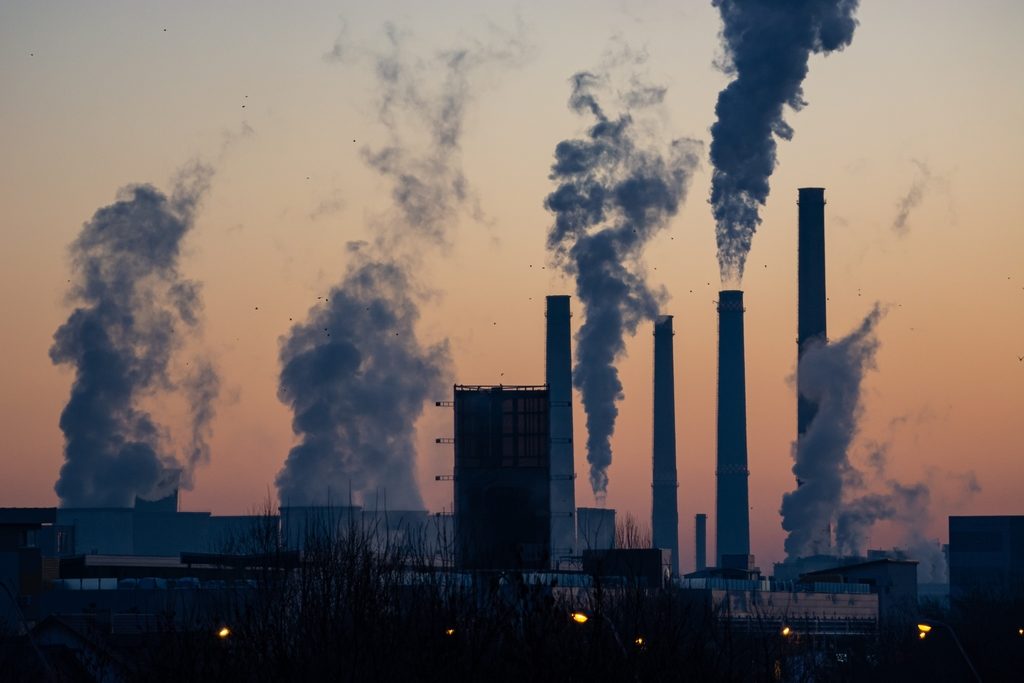
- Fossil‑fuel combustion for electricity, heat, transport and industry, responsible for ~75 % of global CO₂ emissions (IEA, 2022).
- Cement production and other process emissions, adding ~8 % of CO₂.
\n
\n
\n
Underlying Drivers
\n
- \n
- Economic growth models that prioritize energy‑intensive expansion.
- Population increase and rising per‑capita consumption, especially in emerging economies.
- Policy gaps that allow continued subsidies for coal and oil.
\n
\n
\n
\n\n
Environmental and Human Impacts
\n
Environmental Impacts
\n
Exceeding the carbon budget accelerates ocean acidification, threatens Arctic sea‑ice extent, and increases the frequency of extreme heat events. Ecosystems such as tropical rainforests and coral reefs face heightened risk of collapse, reducing biodiversity and ecosystem services.
\n
Human Health and Social Impacts
\n
Higher temperatures amplify heat‑related mortality, expand the geographic range of vector‑borne diseases, and exacerbate air‑quality problems from ozone and particulate matter. Vulnerable populations—low‑income communities, children and the elderly—experience disproportionate health burdens.
\n
Economic and Infrastructure Impacts
\n
Sea‑level rise driven by excess emissions threatens coastal infrastructure, costing billions in adaptation measures. Climate‑related disruptions to agriculture can increase food‑price volatility, especially in regions already facing food insecurity.
\n\n
Regional Differences
\n
High‑income nations in North America and Europe have historically contributed the largest share of cumulative emissions, but rapid growth in Asia, particularly China and India, now dominates annual emission rates. Low‑lying island states such as the Maldives face immediate sea‑level threats, while interior continental regions experience intensified droughts. Monitoring capacity also varies: Europe benefits from dense atmospheric networks, whereas many African countries lack comprehensive carbon‑flux observations, creating data gaps that affect regional budget assessments.
\n\n
What Scientists Know With High Confidence
\n
- \n
- Human activities are the dominant driver of the observed increase in atmospheric CO₂ since the mid‑20th century.
- The relationship between cumulative CO₂ emissions and global mean temperature is approximately linear.
- Exceeding the 1.5 °C carbon budget markedly raises the risk of irreversible climate impacts.
- Natural carbon sinks currently absorb about 45 % of anthropogenic CO₂ emissions.
\n
\n
\n
\n
\n
\n\n
What Remains Uncertain
\n
Key uncertainties centre on the future behaviour of carbon sinks, especially the potential release of permafrost carbon and the response of tropical forests to climate stress. Modelled feedbacks differ, leading to a range of budget estimates (±10‑20 %). Additionally, the socioeconomic pathways that determine future emissions—such as technology adoption rates and policy effectiveness—remain difficult to predict, which influences the timing of when the budget may be exhausted.
\n
\n\n
Common Misconceptions
\n
Misconception: The carbon budget is a political target, not a scientific limit.
\n
Reality: The budget is derived from physical climate science and the IPCC’s assessment of temperature thresholds; political agreements translate that limit into actionable goals.
\n
Misconception: Individual lifestyle changes alone can keep us within the budget.
\n
Reality: Personal actions matter, but the scale of emissions from energy production and industry far exceeds household footprints; systemic decarbonisation is essential.
\n
Misconception: Once the budget is exceeded, all mitigation efforts are futile.
\n
Reality: Exceeding the budget raises risk, but rapid emission cuts can still limit further warming and reduce the severity of impacts.
\n
\n\n
Solutions and Limitations
\n
Mitigation strategies that address the carbon budget include:
\n
- \n
- Renewable‑energy expansion: Solar, wind and hydro power can replace fossil electricity, but intermittency requires storage solutions and grid upgrades.
- Energy efficiency: Improving building insulation and industrial processes reduces demand, yet savings depend on behavioural adoption and policy incentives.
- Electrification of transport: Shifting to electric vehicles cuts tailpipe emissions, but the electricity must be low‑carbon for net benefits.
- Carbon capture, utilisation and storage (CCUS): CCUS can remove CO₂ from point sources, but high costs and limited storage sites restrict large‑scale deployment.
- Nature‑based solutions: Reforestation and soil carbon sequestration enhance natural sinks, yet land‑use competition and permanence concerns limit their reliability as sole solutions.
\n
\n
\n
\n
\n
\n
All approaches involve trade‑offs: land‑based measures may conflict with food production, while technological options require substantial capital investment and may face public acceptance challenges.
\n\n
What Individuals, Communities, and Governments Can Do
\n
What Individuals Can Do
\n
Choose low‑carbon travel modes, reduce meat consumption, improve home energy efficiency, and support climate‑friendly policies through voting and advocacy.
\n
What Communities and Organizations Can Do
\n
Implement district‑level renewable projects, adopt green procurement standards, and create local climate action plans that align with the carbon budget.
\n
What Governments Can Do
\n
Set legally binding emissions caps that reflect the remaining budget, phase out coal subsidies, invest in public transit, and provide finance for climate mitigation in developing nations.
\n
What Businesses and Industries Can Do
\n
Set science‑based targets, transition to circular production models, and disclose carbon footprints to drive market accountability.
\n\n
Synthesis
\n
The Global Carbon Budget translates abstract temperature limits into a tangible emissions ceiling, grounding climate policy in a finite resource. Robust evidence confirms that staying within the budget is essential to avoid the most severe climate impacts, while uncertainties about carbon‑sink feedbacks highlight the need for precautionary action. Deep, coordinated decarbonisation across energy, transport, industry and land use, complemented by nature‑based solutions, offers the most credible path forward. While individual choices matter, systemic change driven by governments and businesses remains the decisive factor in preserving the remaining carbon space for future generations.
Frequently Asked Questions
What is the Global Carbon Budget?
The Global Carbon Budget is a scientifically calculated limit on the total amount of carbon dioxide that can be emitted while still having a realistic chance of limiting global warming to a specific temperature target, such as 1.5 °C.
How is the remaining carbon budget determined?
Scientists start with a temperature goal, subtract the warming effect of non‑CO₂ greenhouse gases, remove past emissions, account for carbon absorbed by oceans and forests, and then calculate the remaining allowance for future CO₂ releases.
Which sectors emit the most CO₂?
Fossil‑fuel combustion for electricity, heat, transport and industry accounts for about 75 % of global CO₂ emissions, while cement production and other industrial processes add roughly 8 %.
What are the main uncertainties in the carbon budget?
Key uncertainties involve how natural carbon sinks will respond in the future, especially permafrost thaw and forest resilience, as well as socioeconomic pathways that affect how quickly emissions can be reduced.
What actions can individuals take to help stay within the carbon budget?
Individuals can lower their carbon footprint by choosing low‑carbon transport, reducing meat consumption, improving home energy efficiency, and supporting climate‑friendly policies through voting and advocacy.





Leave a Comment