
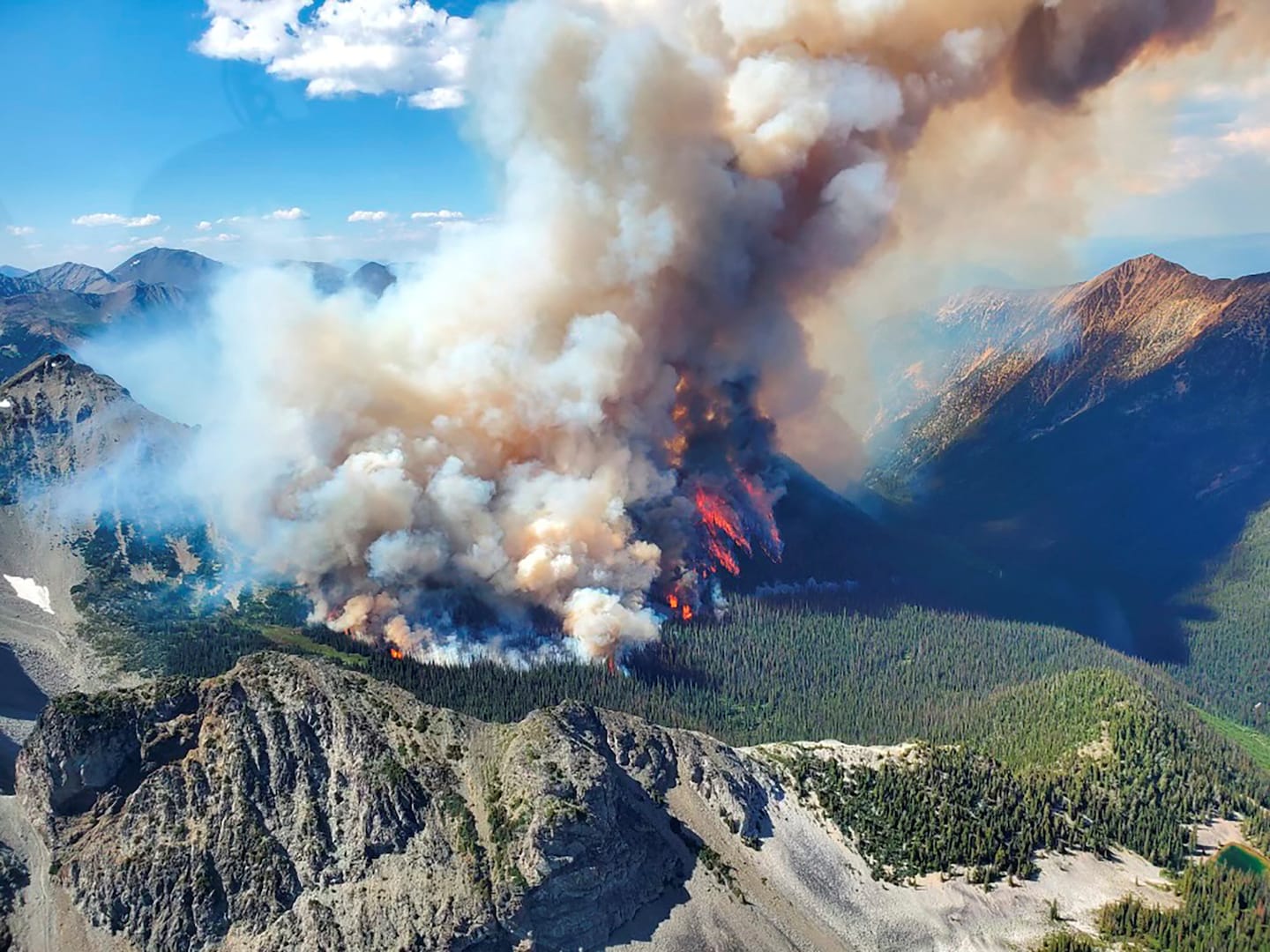
A historic heatwave across Canada has pushed temperatures to record levels, igniting unprecedented wildfires that threaten ecosystems, air quality, and communities nationwide.
Quick Answer
During an extreme heatwave, unusually high temperatures dry vegetation, reduce moisture in soils, and create atmospheric conditions that favor rapid fire ignition and spread. Climate‑driven warming increases the frequency of such heatwaves, while human activities add ignition sources. The result is a surge of large, fast‑moving wildfires that degrade forest health, impair air quality, and strain emergency services. Scientists are confident that warming trends elevate wildfire risk, though the exact contribution of any single event remains uncertain.
Key Takeaways
- Record‑breaking heatwaves dry fuels and create wind patterns that accelerate wildfire growth.
- Long‑term climate monitoring links rising summer temperatures to higher wildfire frequency in Canada.
- Wildfires affect air quality, wildlife, Indigenous livelihoods, and infrastructure across multiple provinces.
- Mitigation requires both emissions reductions and better forest‑management practices.
- Adaptation actions—community preparedness, health advisories, and resilient infrastructure—reduce immediate harm.
What Is Canada Heatwave Triggers Record-Breaking Wildfires Nationwide?
The phrase describes a climate event in which an extensive, above‑average temperature surge sweeps across Canada, creating conditions that ignite and sustain unusually large wildfires across the country’s boreal and temperate forests. It differs from typical seasonal fire activity by its simultaneous national scale, unprecedented temperature extremes, and rapid fire expansion that overwhelms standard suppression capacities.
How Does It Work?
1. Heatwave Formation
Heatwaves arise when persistent high‑pressure systems trap warm air masses, limiting cloud formation and night‑time cooling. In Canada, the jet‑stream can dip southward, allowing Arctic air to mix with warm southerly flow, amplifying temperature extremes. The Intergovernmental Panel on Climate Change (IPCC) reports that such blocking patterns are becoming more frequent under global warming.
2. Fuel Drying and Moisture Loss
Prolonged heat reduces live‑fuel moisture in trees and shrubs and evaporates moisture from dead organic matter on the forest floor. Soil moisture deficits, measured by national drought indices, often exceed historic lows during these events, creating a tinderbox ready for ignition.
3. Ignition and Fire Spread
Dry fuels combined with strong, dry winds lower the energy needed for ignition. Human sources—campfires, equipment sparks, and power‑line failures—provide the initial flame. Once ignited, fire spreads through convection, radiation, and embers carried by wind, rapidly expanding across large tracts of forest.
4. Feedback Loops
Wildfire smoke injects aerosols into the atmosphere, altering radiation balance and sometimes strengthening local heating. Additionally, fire‑generated heat can create its own low‑pressure system, drawing in more dry air and perpetuating the fire’s growth.
What Does the Evidence Show?
Long‑term monitoring by Environment and Climate Change Canada indicates a rising trend in both the number of fire days and the area burned since the 1990s. Attribution studies using climate models attribute a significant portion of the increased fire risk to anthropogenic warming, with confidence classified as high by the IPCC. Satellite observations from NASA’s MODIS instrument consistently record larger fire radiative power during heatwave years, confirming intensified fire behavior.
Main Causes or Drivers
Climate Change
Rising global temperatures increase the baseline warmth of Canadian summers, extending the fire season and raising the likelihood of extreme heat events.
Atmospheric Circulation Patterns
Changes in the jet‑stream and increased frequency of blocking highs create the stagnant air masses that foster heatwaves.
Land‑Management Practices
Fire suppression over decades has led to fuel accumulation in many boreal regions, making forests more vulnerable when a heatwave occurs.
Human Ignition Sources
Recreational activities, infrastructure failures, and accidental ignitions contribute directly to fire starts, especially when fuels are primed.
Environmental and Human Impacts
Environmental Impacts
Wildfires release large quantities of carbon dioxide and black carbon, contributing to atmospheric warming. They also alter habitat structure, threaten biodiversity, and can convert forested land to shrubland or grassland if recovery is impeded.
Human Health and Social Impacts
Smoke plumes contain fine particulate matter (PM2.5) that can travel thousands of kilometres, exacerbating respiratory conditions and increasing hospital admissions. Indigenous communities relying on traditional hunting and gathering face loss of cultural sites and food security challenges.
Economic and Infrastructure Impacts
Fire suppression costs run into billions of Canadian dollars annually. Damage to power lines, roads, and homes disrupts local economies and can trigger insurance losses that affect regional fiscal stability.
Regional Differences
The western provinces (British Columbia, Alberta) experience fire‑prone dry conifer forests, while the central boreal belt (Saskatchewan, Manitoba, Ontario) sees vast peatland fires that emit more carbon per unit area. The northern territories, though sparsely populated, have recorded unprecedented temperature spikes—such as the 100 °F reading in the Northwest Territories—demonstrating that extreme heat is no longer confined to southern latitudes.
What Scientists Know With High Confidence
- Human‑induced greenhouse‑gas emissions are the dominant driver of rising summer temperatures in Canada.
- Warmer and drier conditions increase the probability of large, fast‑moving wildfires.
- Smoke from wildfires significantly degrades air quality and poses measurable health risks.
- Long‑term fire suppression has contributed to fuel buildup in many Canadian forests.
What Remains Uncertain
Key uncertainties include the precise magnitude of future wildfire expansion under different emission scenarios, the role of natural climate variability (e.g., Pacific Decadal Oscillation) in modulating heatwave intensity, and how ecosystem recovery trajectories will differ across forest types. Improved remote‑sensing coverage and ground‑based monitoring are needed to refine these projections.
Common Misconceptions
Misconception: All Canadian wildfires are caused by climate change.
Reality: Climate change raises the background risk, but individual fires still require an ignition source such as lightning or human activity.
Misconception: Wildfires only affect remote wilderness.
Reality: Smoke can travel to major urban centres, and fire‑related evacuations and infrastructure loss directly impact communities.
Misconception: Suppressing every fire will prevent larger fires later.
Reality: Complete suppression can increase fuel loads, making future fires more severe; strategic prescribed burns are a scientifically supported tool.
Solutions and Limitations
Effective responses combine mitigation, adaptation, and forest‑management strategies. Reducing national greenhouse‑gas emissions addresses the root cause but requires decades to translate into lower fire risk. Prescribed burning and mechanical thinning lower fuel loads, yet they demand resources, skilled personnel, and public acceptance. Enhancing early‑warning systems improves response times but cannot fully stop fire spread under extreme conditions. Each approach carries trade‑offs—carbon emissions from prescribed burns, costs of large‑scale fuel treatments, and potential impacts on wildlife.
What Individuals, Communities, and Governments Can Do
What Individuals Can Do
- Limit outdoor burning during high‑fire‑danger days and follow local fire bans.
- Use air‑filter devices or stay indoors when smoke alerts are issued to reduce inhalation of PM2.5.
- Support policies that promote renewable energy and forest conservation.
What Communities and Organizations Can Do
- Develop and regularly update community evacuation plans and shelter locations.
- Participate in local prescribed‑burn programs or volunteer for fire‑watch initiatives.
- Provide health outreach for vulnerable populations during smoke events.
What Governments Can Do
- Invest in climate‑resilient infrastructure, such as fire‑resistant building codes and underground power lines.
- Scale up funding for scientific monitoring, satellite observation, and predictive modelling.
- Implement comprehensive forest‑management policies that blend conservation with fuel‑reduction techniques.
- Enact and enforce stringent emissions reductions targets aligned with the Paris Agreement.
Closing Synthesis
Record‑breaking Canadian heatwaves create the dry, windy environment that fuels unprecedented wildfires, a pattern firmly linked to anthropogenic climate change. High‑confidence evidence confirms that warming intensifies fire risk, while uncertainties remain around future fire‑area projections and ecosystem recovery. Mitigation through emissions cuts, strategic forest management, and robust community preparedness together offer the most effective path to reduce both immediate danger and long‑term climate impacts.
Frequently Asked Questions
What defines a heatwave‑driven wildfire in Canada?
A heatwave‑driven wildfire occurs when an extended period of unusually high temperatures dries vegetation and fuels, creating conditions that allow a fire to ignite and spread rapidly across large areas.
How does climate change increase wildfire risk in Canada?
Climate change raises average summer temperatures and alters atmospheric circulation, leading to more frequent and intense heatwaves that dry out forests and increase the likelihood of large, fast‑moving fires.
What are the main health impacts of wildfire smoke for Canadians?
Wildfire smoke contains fine particulate matter (PM2.5) that can travel long distances, aggravating respiratory conditions, increasing hospital admissions, and posing heightened risk for children, older adults, and people with pre‑existing heart or lung disease.
Why are prescribed burns considered a useful tool despite their own emissions?
Prescribed burns intentionally reduce accumulated forest fuels, lowering the intensity of future wildfires; although they emit carbon, the net effect is a reduction in larger, uncontrolled fires that would release far more emissions.
What actions can local governments take to reduce wildfire damage?
Local governments can adopt fire‑resistant building codes, invest in underground power lines, improve early‑warning systems, fund community evacuation plans, and allocate resources for strategic forest‑fuel treatments.




Leave a Comment