
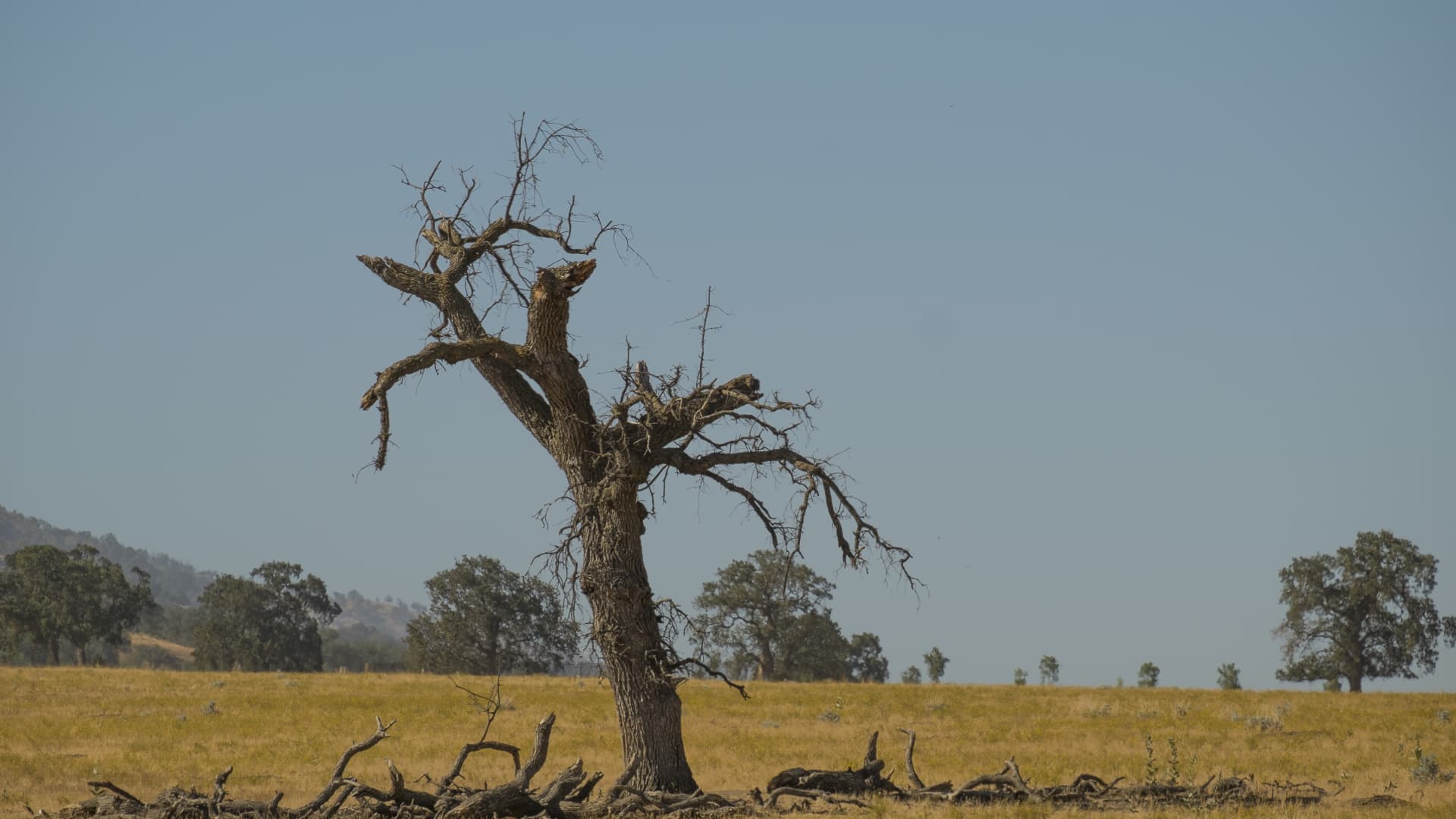
Nearly 30% of the world’s tree species are threatened with extinction in the wild, a pattern driven by habitat loss, climate change, invasive species, and unsustainable logging, with profound implications for ecosystems and human societies.
Quick Answer
Scientists estimate that about 30% of known tree species are at risk of extinction in their natural habitats, based on the IUCN Red List and the IPBES Global Assessment (2020). The primary drivers are large‑scale deforestation, climate‑induced stress, invasive pests, and illegal timber harvest. This loss threatens biodiversity, carbon storage, and the livelihoods of millions who depend on forest resources. While the exact timing of species loss is uncertain, the consensus is that immediate conservation action can reduce the trajectory of decline.
Key Takeaways
- About 30% of tree species are classified as threatened (Critically Endangered, Endangered, or Vulnerable) by the IUCN.
- Deforestation for agriculture and urban expansion is the leading direct cause.
- Climate change amplifies stress by altering temperature and precipitation regimes.
- Invasive species and emerging pathogens can cause rapid, localized die‑offs.
- Protecting and restoring native forests is the most effective mitigation strategy.
What Is 30% of the World’s Tree Species Face Extinction in the Wild Scientists Warn?
The statement refers to the proportion of tree species that the International Union for Conservation of Nature (IUCN) has assessed as being at risk of disappearing from their natural ranges. “Extinction in the wild” means a species no longer exists in its native ecosystems, even if individuals survive in botanical gardens or seed banks. The estimate covers roughly 60,000 described tree species, of which around 18,000 are listed as threatened. This differs from general biodiversity loss because trees provide unique ecosystem services such as carbon sequestration, soil stabilization, and habitat structure.
How Does It Work?
1. Habitat Conversion
When forests are cleared for crops, pasture, or infrastructure, trees lose the environment they need to survive. Fragmentation isolates populations, reducing genetic exchange and making them more vulnerable to stochastic events.
2. Climate Stress
Rising temperatures and shifting rainfall patterns can exceed the physiological tolerances of many species. For example, tropical montane trees experience upward range shifts, but mountain peaks limit further migration.
3. Invasive Species and Pathogens
Non‑native insects (e.g., the emerald ash borer) and fungal diseases (e.g., sudden oak death) can spread rapidly in disturbed forests, outcompeting or killing native trees.
4. Unsustainable Harvesting
High demand for timber and non‑timber forest products leads to selective logging that removes seed‑producing individuals and degrades regeneration capacity.
What Does the Evidence Show?
Multiple lines of evidence converge on the 30% figure. The IUCN Red List (2022) records 18,300 threatened tree species worldwide. The Intergovernmental Science‑Policy Platform on Biodiversity and Ecosystem Services (IPBES) Global Assessment (2020) reports that 46% of tree species are declining, with 9% projected to become extinct without intervention. Long‑term satellite monitoring by NASA shows a 7% net loss of global forest cover between 2000 and 2020, correlating with increased threat status in the same period. Peer‑reviewed meta‑analyses (e.g., Moran et al., 2021, *Biological Conservation*) confirm that deforestation and climate anomalies are the strongest predictors of tree‑species risk.
Main Causes or Drivers
Direct Causes
- Deforestation for agriculture: Expansion of soy, palm oil, and cattle pasture accounts for roughly 60% of forest loss in tropical regions (FAO, 2022).
- Urban and infrastructure development: Road building fragments habitats and facilitates further land‑use change.
- Illegal logging: Removes mature, seed‑bearing trees and undermines sustainable forest management.
Underlying Drivers
- Global demand for commodities: Market pressures incentivize land conversion.
- Climate change: Alters species’ climatic niches, increasing mortality.
- Inadequate governance: Weak enforcement of protected‑area regulations accelerates loss.
Environmental and Human Impacts
Environmental Impacts
- Reduced carbon sequestration capacity, weakening a key natural climate solution.
- Loss of habitat complexity, leading to secondary extinctions of dependent fauna.
- Soil erosion and decreased water quality due to loss of root structures.
Human Health and Social Impacts
- Indigenous and rural communities lose cultural keystone species and forest products essential for nutrition and medicine.
- Increased exposure to landslides and floods in regions where forest cover declines.
- Economic losses in timber‑dependent economies if sustainable harvest cannot be maintained.
Regional Differences
Threat patterns vary by continent. In the Amazon, deforestation for soy and cattle drives most of the risk, while in Southeast Asia, plantation oil‑palm expansion and invasive pathogens dominate. African tropical forests show a mix of small‑scale agricultural encroachment and illegal logging, whereas temperate regions (e.g., Europe, North America) face threats from climate‑induced pests and intensive forestry practices. These regional nuances affect which conservation actions are most effective.
What Scientists Know With High Confidence
- Deforestation is the primary driver of tree‑species threat globally.
- Climate change is already shifting the suitable range for many tree species.
- Protected areas that are well‑managed reduce extinction risk for resident trees.
- Loss of tree diversity reduces ecosystem resilience and carbon storage.
What Remains Uncertain
Key uncertainties include the precise rate at which individual species will lose viable populations under future climate scenarios, the potential for rapid evolutionary adaptation, and the effectiveness of large‑scale restoration projects in re‑establishing genetic diversity. Data gaps are especially large for poorly studied tropical species and for the cumulative impact of multiple stressors acting together.
Common Misconceptions
Misconception: “Tree planting alone can solve the extinction crisis.”
Reality: Planting non‑native or monoculture species does not replace the ecological functions of threatened native trees and may even exacerbate invasive‑species problems.
Misconception: “Only tropical forests matter for biodiversity.”
Reality: Temperate and boreal forests host unique species and provide critical carbon sinks; their loss also contributes to the overall extinction tally.
Misconception: “If a species exists in a seed bank, it is not truly threatened.”
Reality: Ex situ conservation preserves genetic material but does not maintain the ecological roles that living trees play in forests.
Solutions and Limitations
Effective responses combine prevention, restoration, and sustainable management.
- Protected‑area expansion: Expanding well‑enforced reserves can safeguard habitats, but requires adequate funding and local community support.
- Community‑based forest management: Empowers indigenous peoples, yet success depends on secure land rights and market access for sustainable products.
- Agroforestry and native‑species reforestation: Improves livelihoods and biodiversity, but scaling up demands technical capacity and long‑term monitoring.
- Policy instruments (e.g., REDD+, timber certification): Incentivize reduced deforestation, though leakage (shifting deforestation elsewhere) can limit net gains.
What Individuals, Communities, and Governments Can Do
What Individuals Can Do
- Support certified sustainable timber and paper products.
- Donate to or volunteer with organizations that protect native forests.
- Advocate for policies that fund forest conservation and climate mitigation.
What Communities and Organizations Can Do
- Develop community forest management plans that prioritize native species.
- Implement local monitoring programs to track tree health and illegal logging.
- Adopt agroforestry systems that integrate native trees with crops.
What Governments Can Do
- Strengthen and finance protected‑area networks, ensuring they are adequately staffed.
- Enforce anti‑logging regulations and provide incentives for sustainable land‑use practices.
- Integrate forest‑conservation targets into national climate‑change strategies.
- Support research on tree‑species resilience and restoration techniques.
Closing Synthesis
The scientific consensus indicates that roughly one‑third of the world’s tree species face extinction without decisive action. Deforestation, climate change, invasive species, and unsustainable harvesting are the main drivers, each interacting to erode forest health. High‑confidence findings affirm that protected areas and community stewardship can curb losses, yet uncertainties about species‑specific climate responses remain. By combining policy, on‑the‑ground restoration, and responsible consumption, societies can reduce the trajectory toward mass tree‑species extinction and preserve the ecosystem services essential for human well‑being.
Frequently Asked Questions
What does it mean when a tree species is classified as ‘threatened’?
A threatened tree species is listed by the IUCN as Vulnerable, Endangered, or Critically Endangered, meaning it faces a high risk of extinction in the wild due to factors like habitat loss or climate stress.
Which human activities are the biggest drivers of tree‑species extinction?
Large‑scale deforestation for agriculture, illegal logging, and urban expansion are the primary human drivers, while climate change and invasive pests amplify the risk.
How does climate change specifically affect trees?
Climate change alters temperature and precipitation patterns, pushing many trees beyond their physiological limits, forcing range shifts, and increasing vulnerability to pests and diseases.
Can planting trees reverse the extinction trend?
Planting native trees in restored forests can help, but success depends on using appropriate species, ensuring genetic diversity, and protecting the restored area from future threats.
What actions can governments take to protect threatened tree species?
Governments can expand and enforce protected areas, implement sustainable forestry policies, fund research on tree resilience, and integrate forest conservation into climate‑change strategies.








Leave a Comment